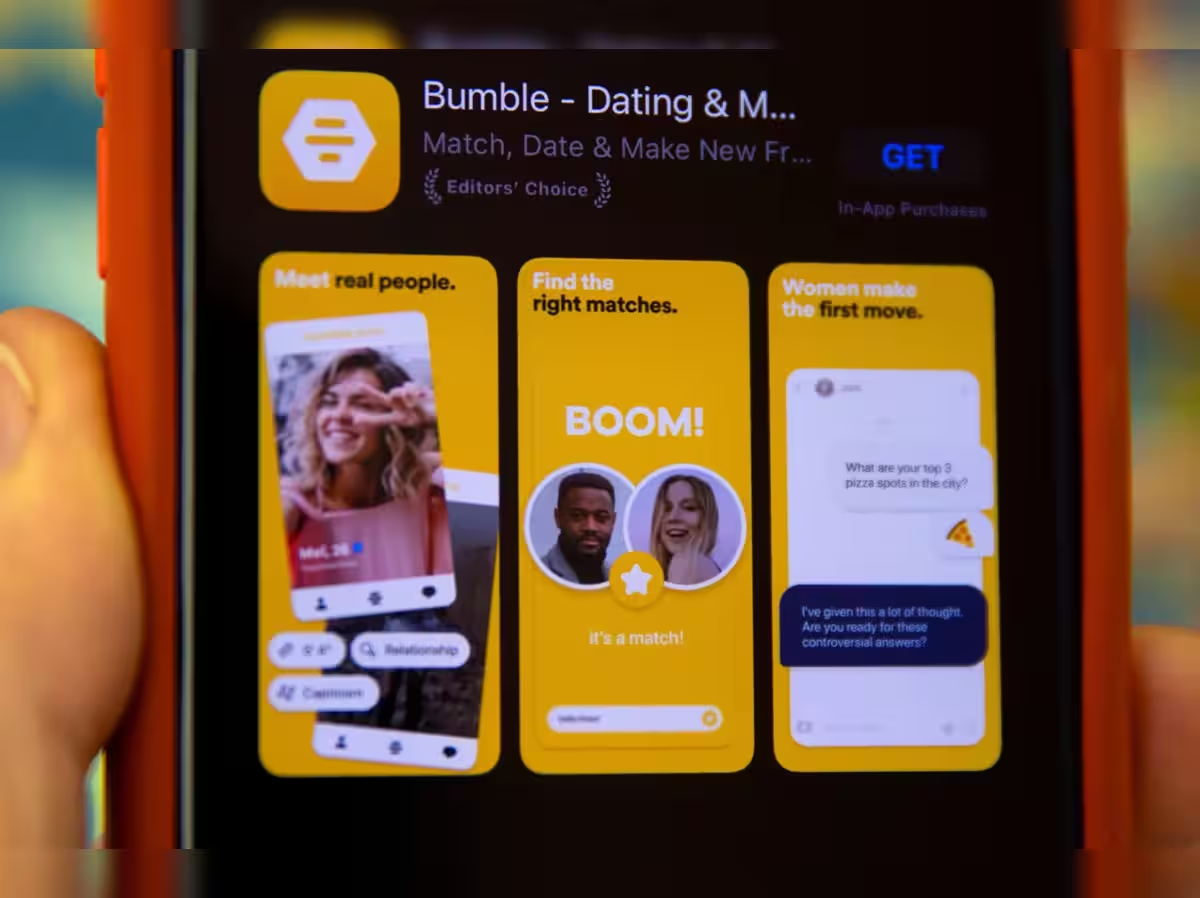
Two of the biggest names in American online dating are rethinking the product that built their businesses.
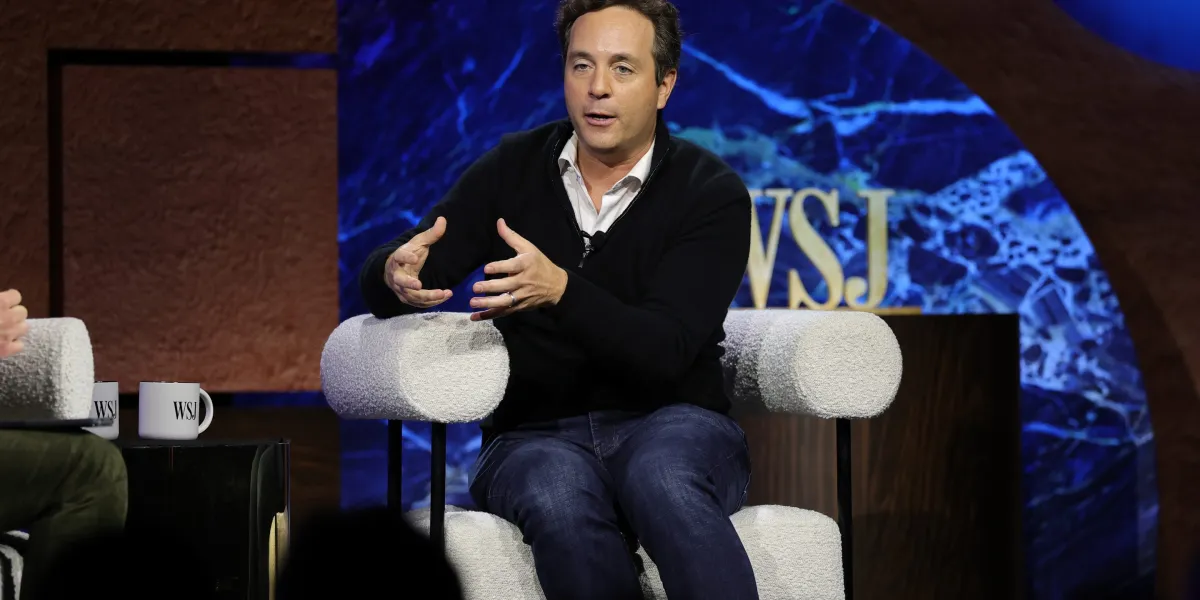
Bumble founder and CEO Whitney Wolfe Herd summed up the shift on an Aug. 5 earnings call, saying the company is moving away from “optimizing for swipe speed and velocity” toward “something more intentional, fewer, better, and more considered signals.” A day earlier, Match Group CEO Spencer Rascoff said Tinder’s Events tab, an in-app feature that shows users local activities they can attend together, had expanded to 10 U.S. and European cities since March, with plans to reach 75 by year’s end.
The rethink comes as the industry’s core numbers soften. Match Group, which owns Tinder and Hinge, ended the second quarter with 13.3 million paying users, down 6% from a year earlier, while Tinder’s monthly active users fell 7%. Bumble’s paying users dropped 16.4% to 3.2 million. Both companies are charging more per subscriber to offset the shrinking base. Global dating app downloads have now fallen for six straight years since their 2019 peak, and category revenue slipped for the first time last year, to roughly $6.07 billion, according to Business of Apps.
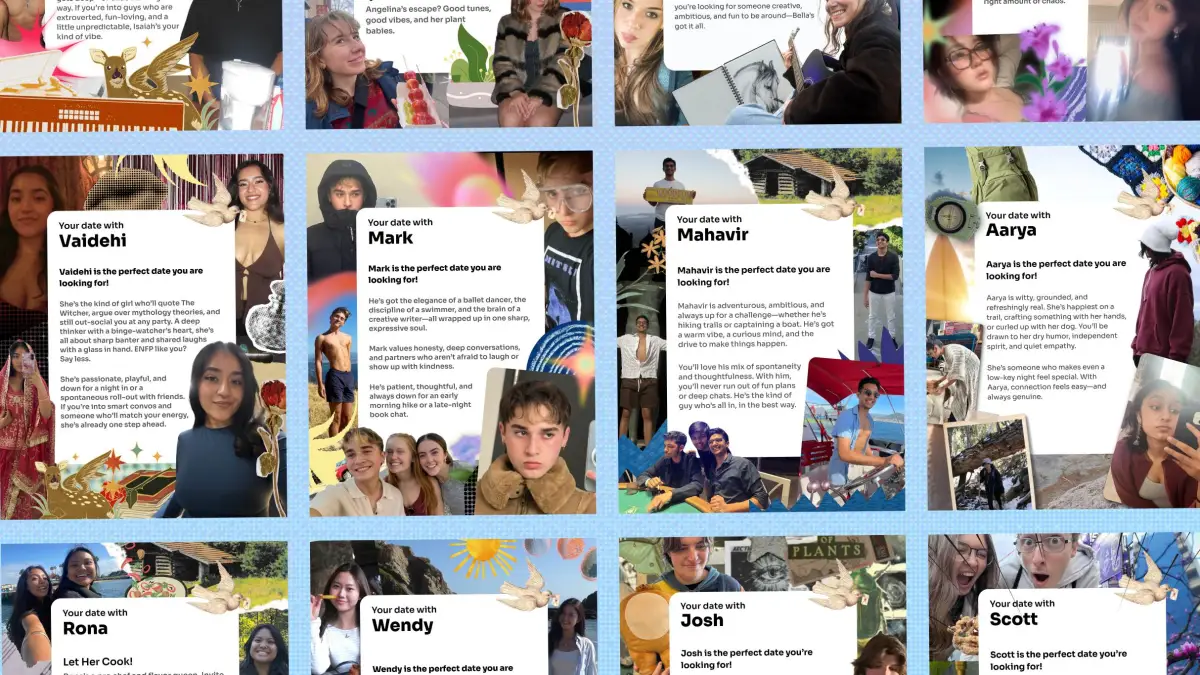
The moves point to a reversal in online dating. For more than a decade, dating apps focused on volume: more profiles, more matches, and more messages, all based on the theory that scale eventually produces a date. Now, some of the industry’s biggest players are betting the next era will be about showing users fewer profiles and getting them offline faster.