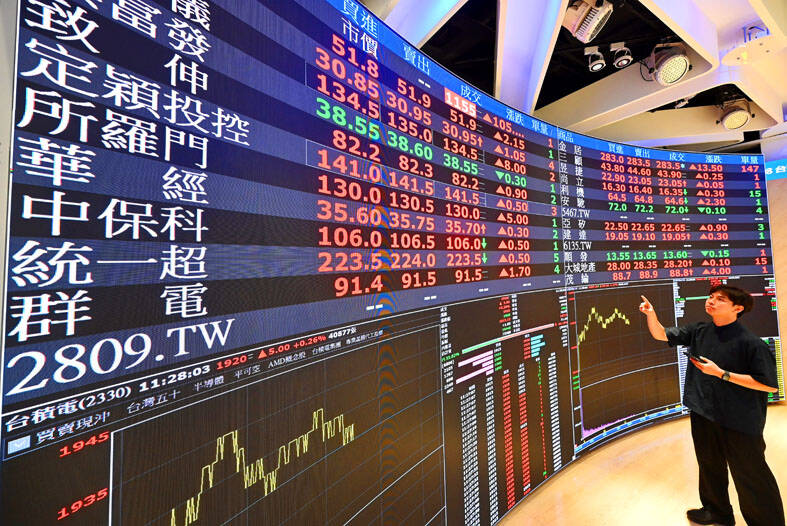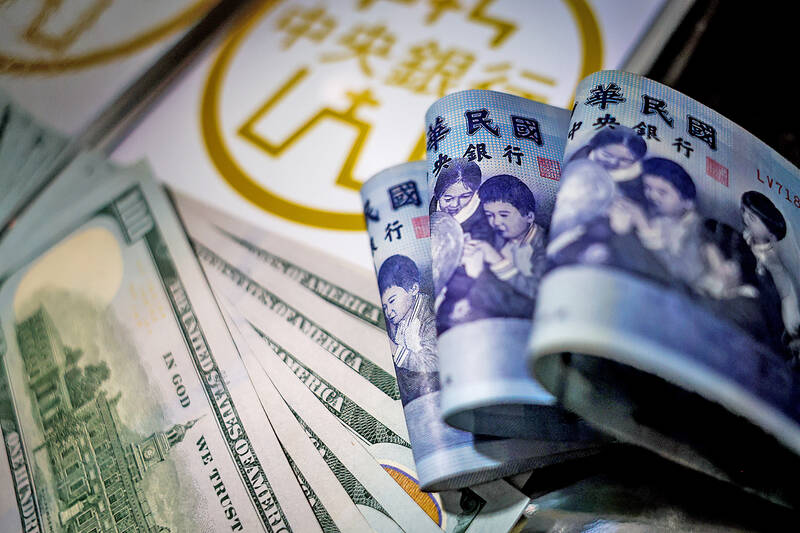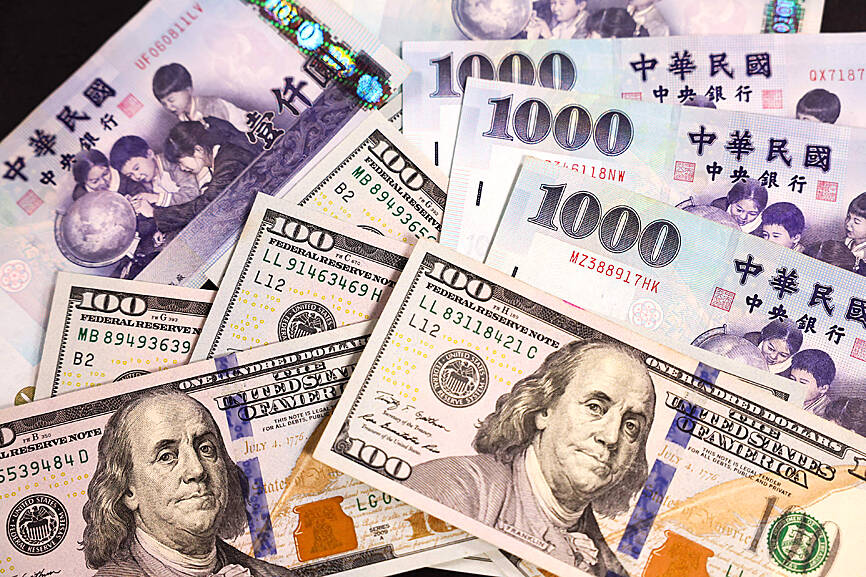
The Taiwan dollar strengthened sharply on Friday, posting its biggest one-day gain in four months and reaching its strongest level in more than a month, as foreign investors increased flows into Taiwanese equities, as per a Reuters report.The currency gained 0.5%, its largest daily rise since April 8, touching 31.991 per U.S. dollar. That was its strongest level since July 8.According to the report, foreign investors were the main source of the currency inflows as Taiwan's stock market rallied. Currency traders said the central bank appeared to allow the Taiwan dollar to strengthen without significant intervention.The move comes amid growing speculation that the U.S. Treasury could adopt a more proactive approach towards exchange rates it considers misaligned. Taiwan is among 10 economies on the U.S. Treasury Department's currency monitoring list, alongside China, Japan, South Korea, Thailand, Singapore, Vietnam, Germany, Ireland and Switzerland.Market attention has also increased following coordinated intervention by U.S. and Japanese authorities to support the yen last month. Reuters reported that analysts at BNY believe the move signals a potentially more active approach by the U.S. Treasury toward currency misalignments, with Japan unlikely to be the only case.The Taiwan dollar's latest advance reflects both strong equity-market inflows and heightened sensitivity among investors to possible changes in U.S. currency policy. The central bank's decision to allow the currency to move higher could further reinforce expectations of greater flexibility in the exchange rate, Reuters reported.The currency's rise comes as investors closely monitor Taiwan's external balances, capital flows and the potential implications of U.S. scrutiny of exchange-rate policies. Any shift toward a stronger Taiwan dollar could also influence the competitiveness of the island's export-heavy economy.
Global Market: Taiwan dollar surges to one-month high as foreign flows boost currency
Taiwandollar surged 0.5% to a one-month high as foreign investors poured funds intolocal equities. The move reflects stronger capital inflows, limited centralbank intervention and growing speculation over tougher U.S. scrutiny ofcurrency policies, raising questions about Taiwans exchange-rate flexibilityand the competitiveness of its export-driven economy.
274 words~1 min read