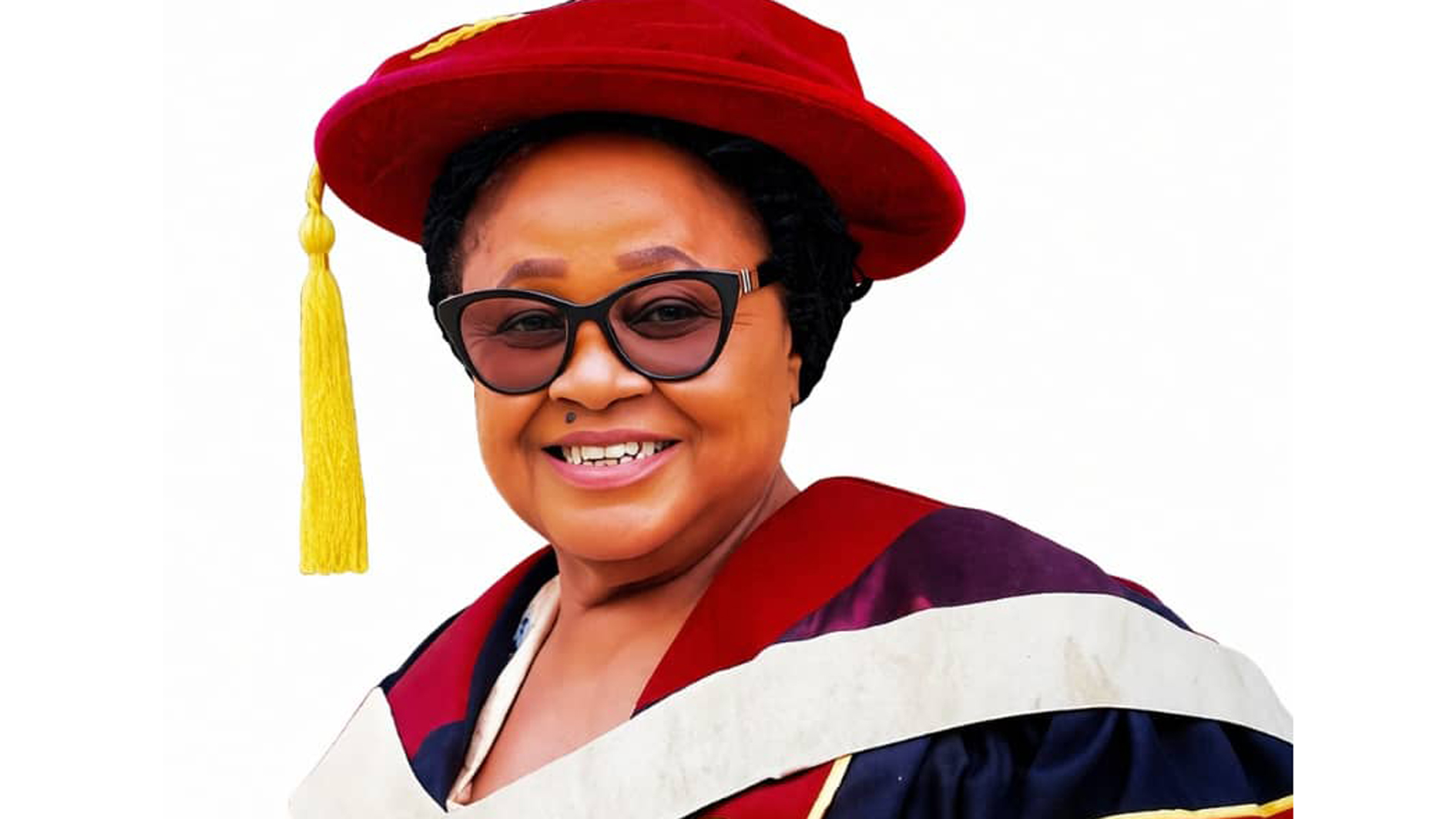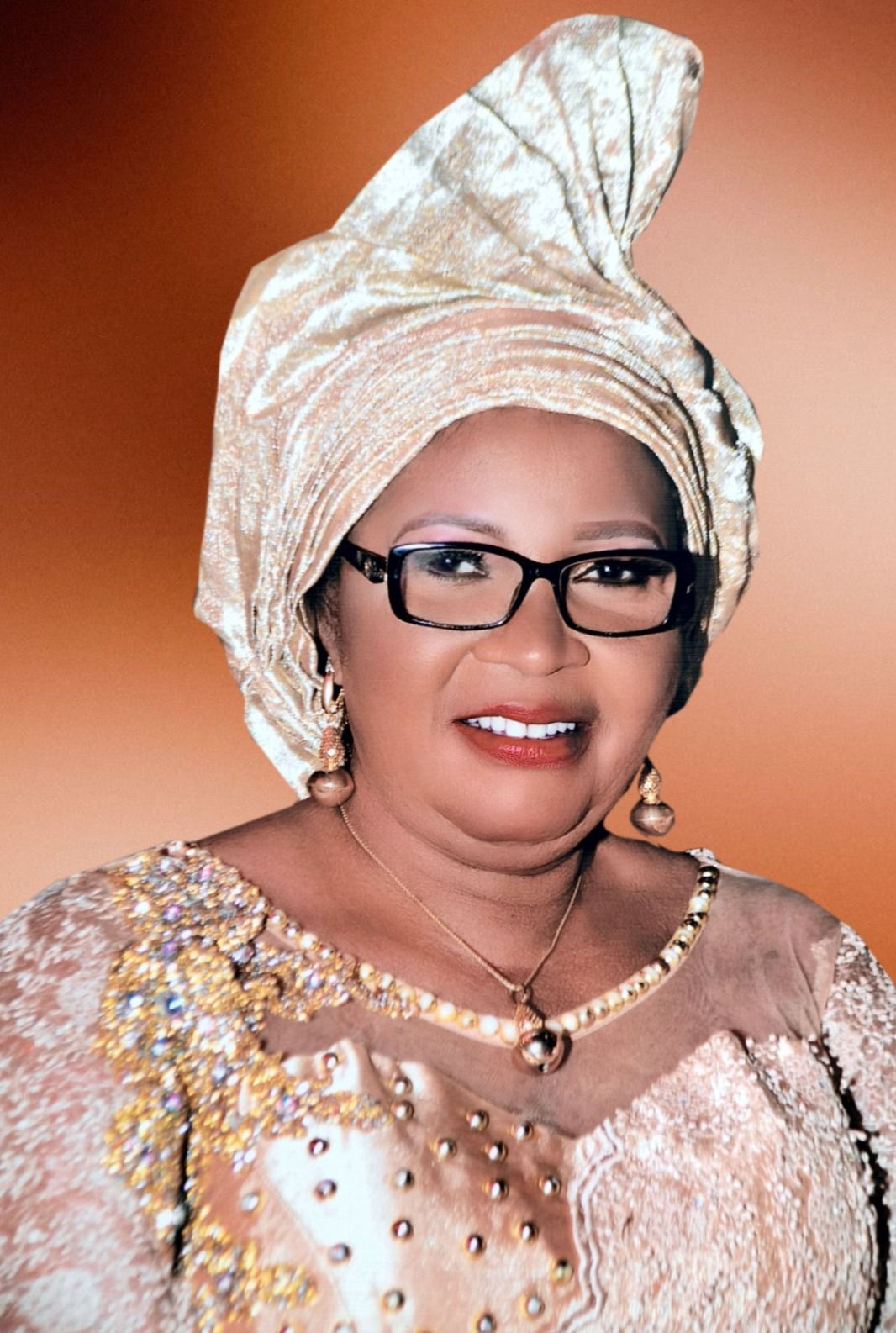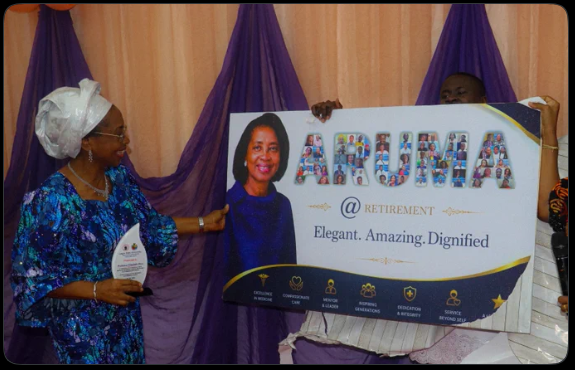
Dr Efunbo Dosekun is before an eager crowd in an auditorium in Ikeja today, Wednesday, 5th August 2026, to deliver a valedictory lecture for her friend, Elizabeth Disu, a professor of paediatrics, who is retiring from academics at the milestone age of 70 years.
The lecturer is inching close to 70 herself and approaching the prospect with some disquiet. There is still much to be done. Outreach Neolife, Kano, her 100-bed specialist children’s hospital designed primarily for salvaging critically ill newborns, full-term or pre-term, and the latest member of her Outreach Hospitals group, which had started in FESTAC and expanded across Lagos, has been literally swamped with work. In the past one month, the survival rate has risen to 95% from an initial 82% in the first three months, and the numbers to more than 1500.
Today is not about her, she knows, but about her friend and colleague. They had been residents together at the Lagos University Teaching Hospital, Idi Araba. She, Efunbo, had spent a year abroad in Newcastle and had returned to be Senior Registrar over a dynamic team that included other friends such as Ngozi Onyia.
The decision to go to Kano under a partnership with the National Health Insurance Agency (NHIA) that guarantees free treatment for critically ill babies seen in her facility has a grim logic to it. 59 out of every 1000 babies born in Kano die in their first month of life, far worse even than the globally infamous Nigerian national average of 41 neonatal deaths out of every 1000 live births. Kano is one of the worst places on earth for any baby to be born. That is not a fact that should be conducive to the peace of mind of anyone. The experience of saving those first 1000 babies in Kano, salutary as it is, has also been a reality check for her on the limitation of high-tech Neonatal Intensive Care Units alone as a panacea for high death and disability in the first month of life in a resource-challenged society like Nigeria.