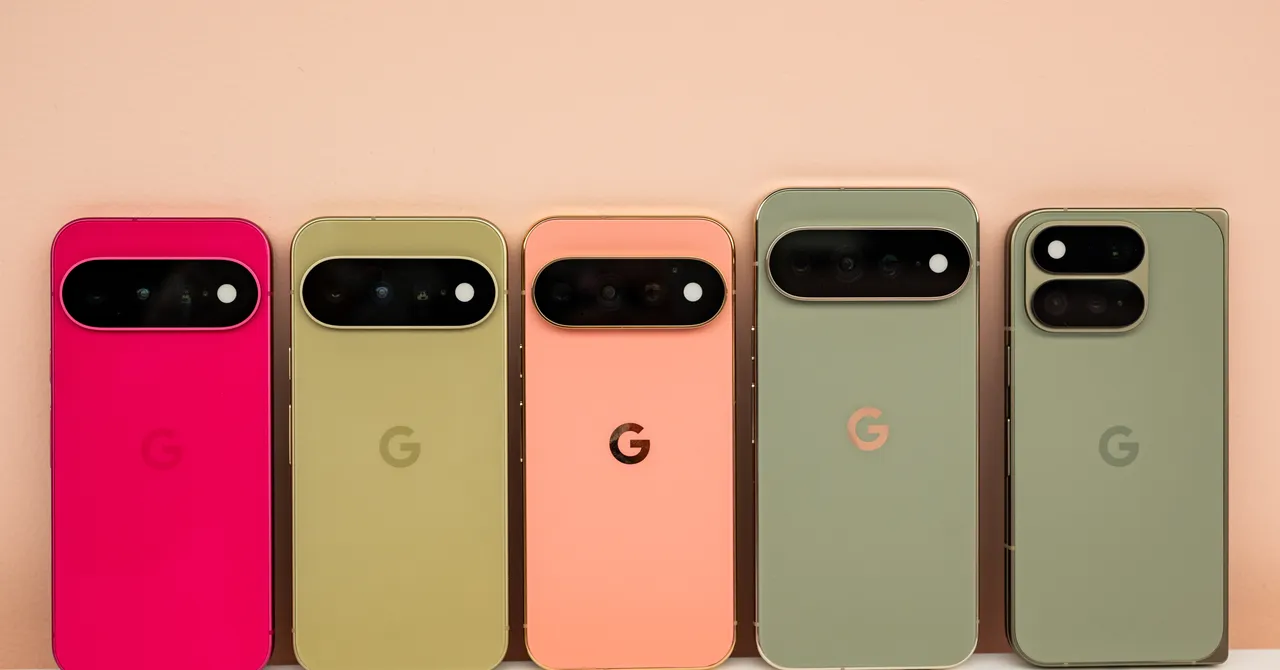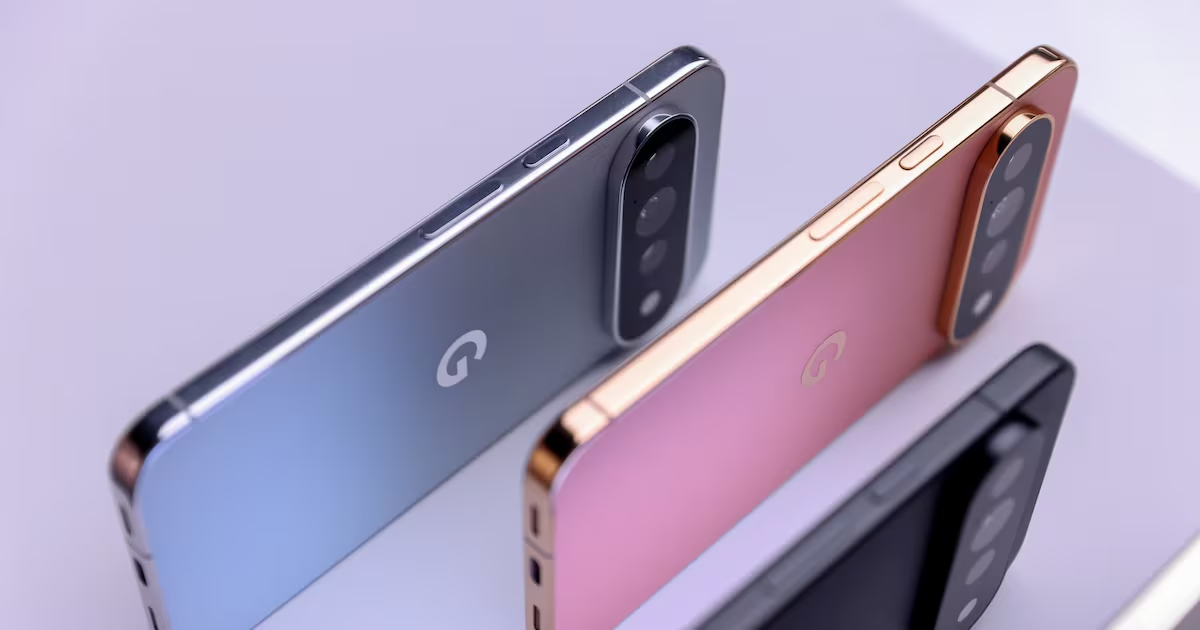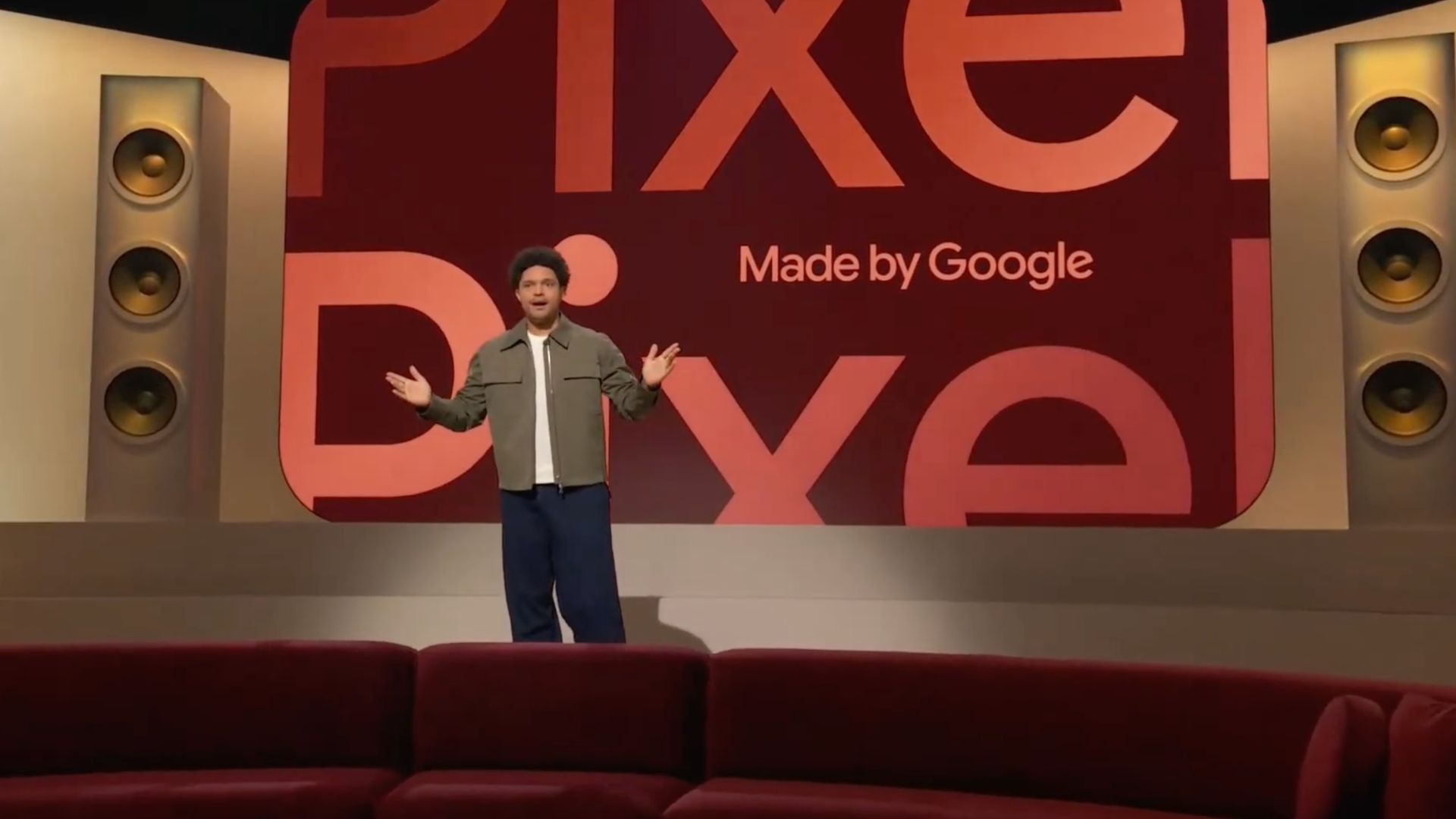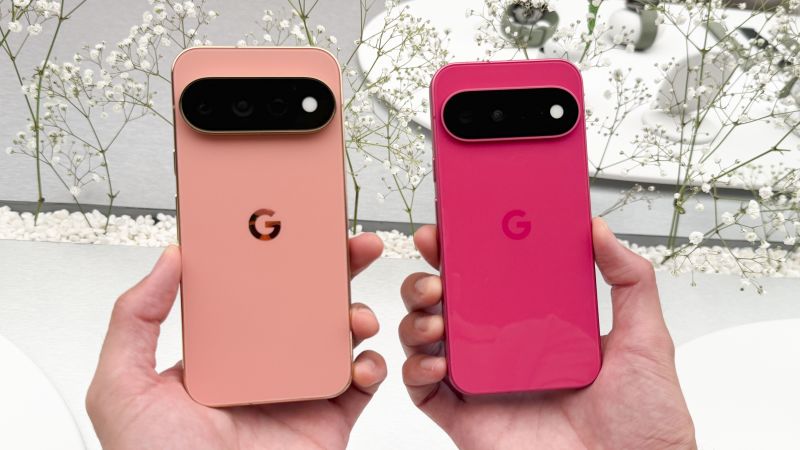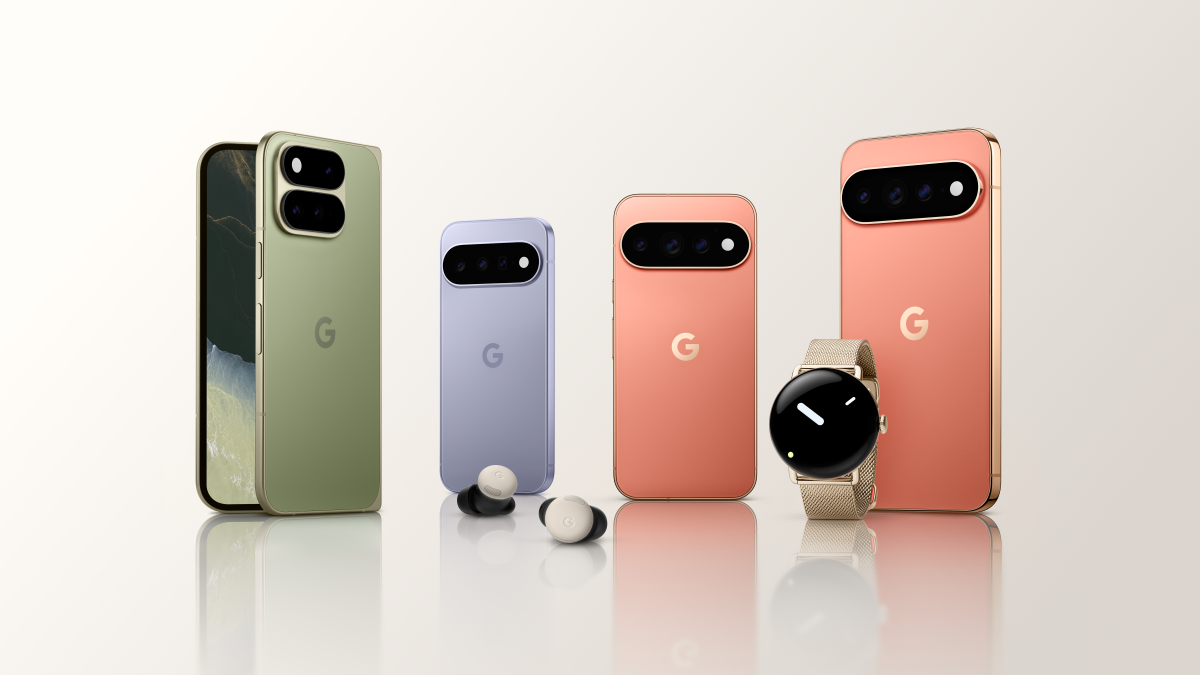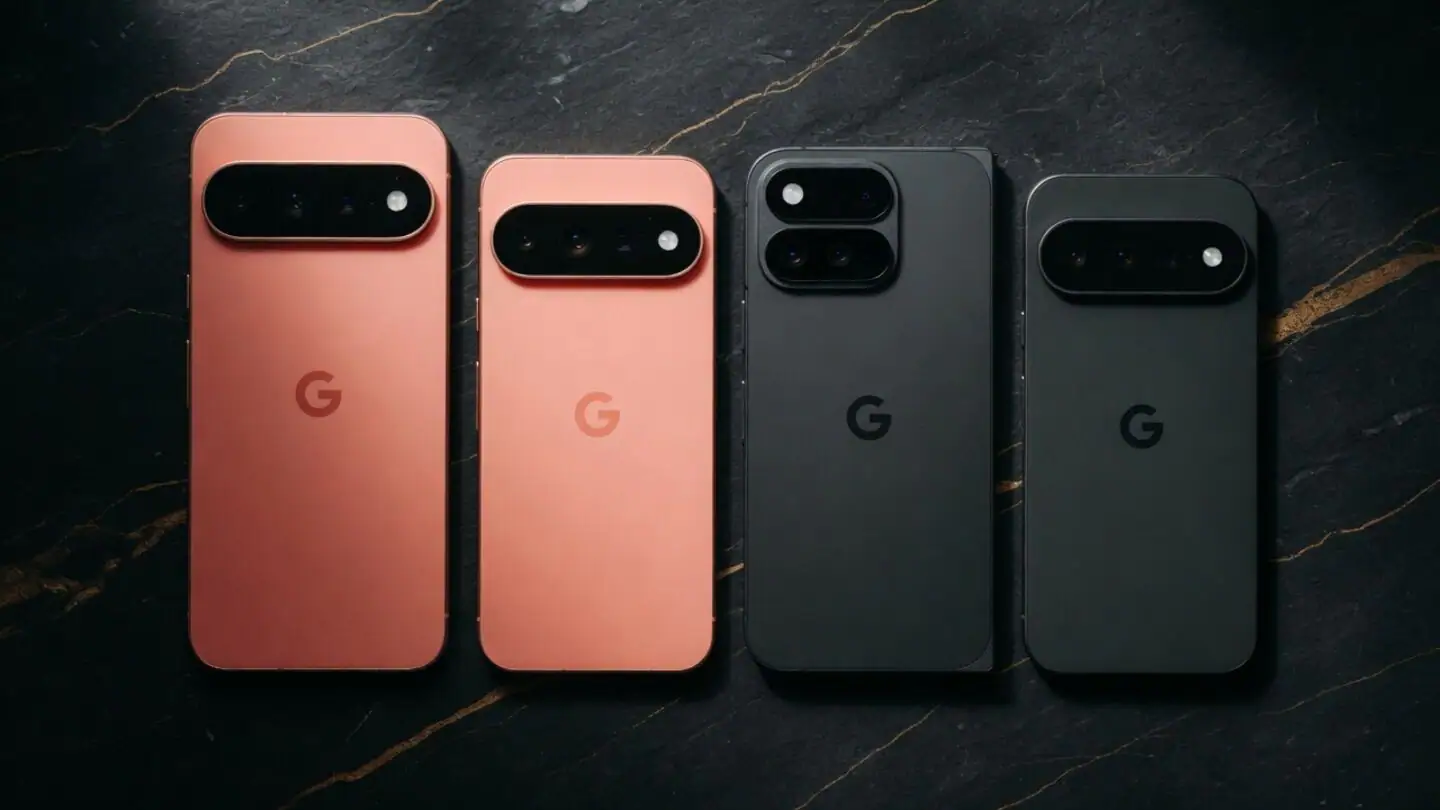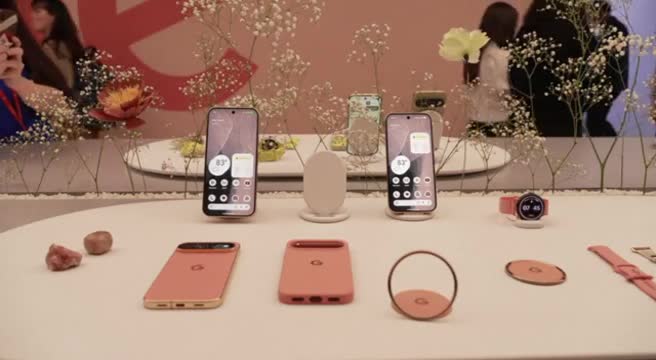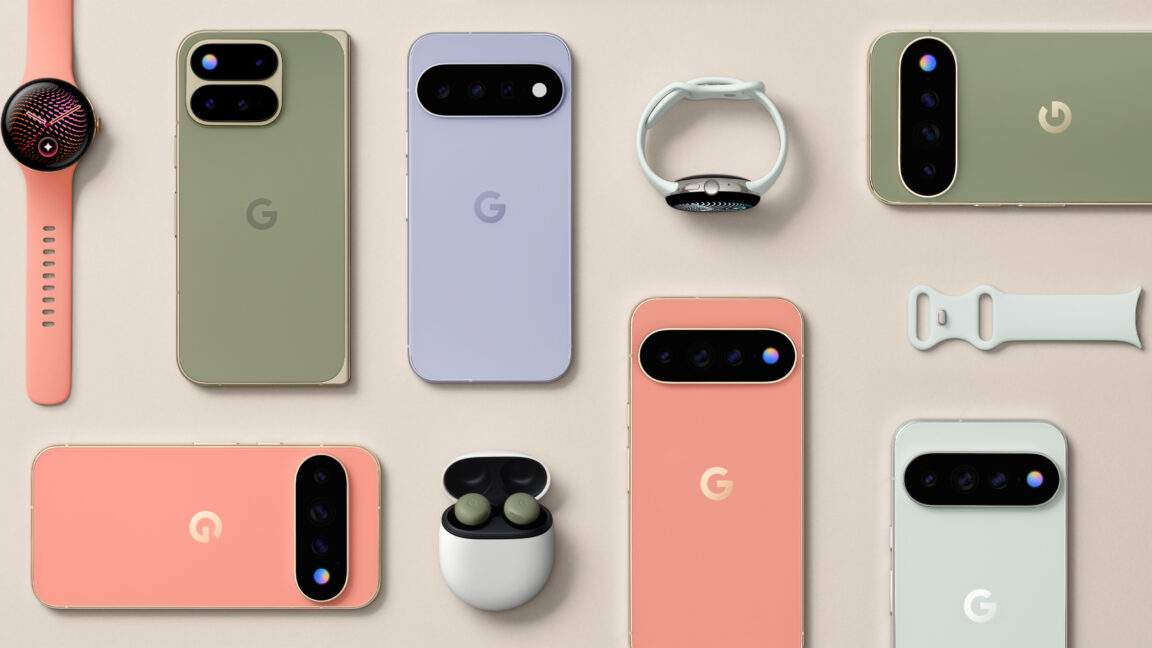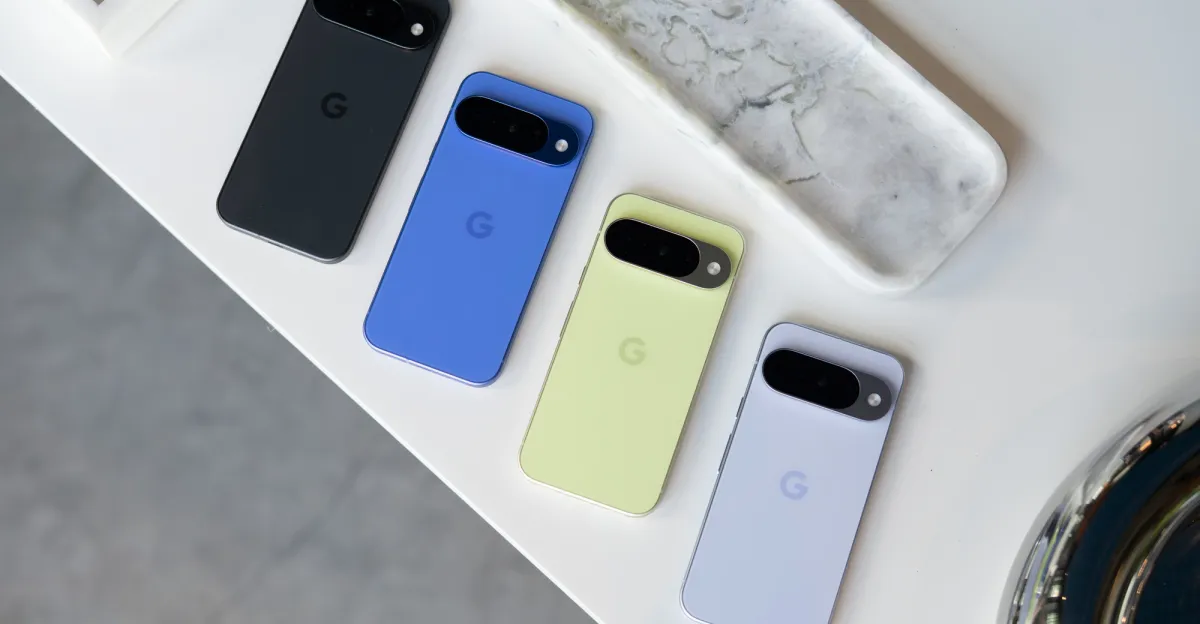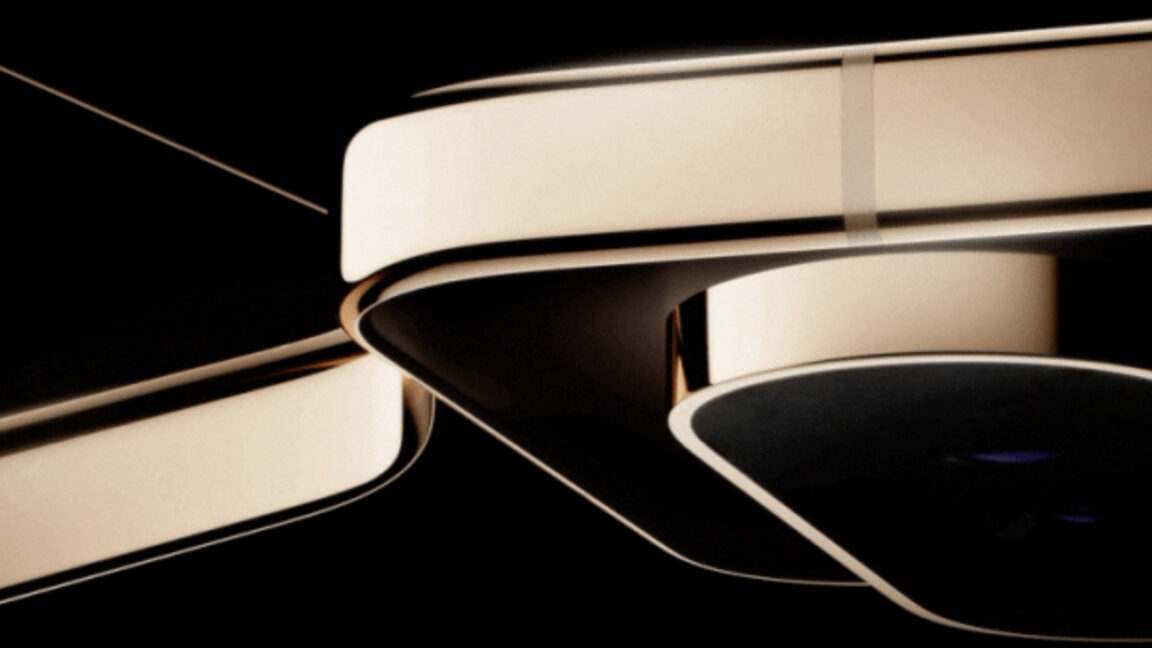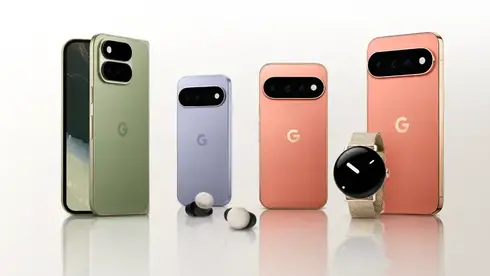
Google unveiled the Pixel 11 lineup, Pixel Watch 5 and Pixel Tag in New York, with AI at the heart of the new devices; Prices are also rising sharply, driven by soaring global memory costsIf there is one launch event that is almost always hidden from public view, it is Google's annual Made by Google event in New York. This year, too, it offered a glimpse into the technology giant's updated hardware vision and once again made clear that, for Google, its "hardware" is primarily a conduit for delivering its AI products.At the center of this year's announcements was the Pixel 11 smartphone series, alongside the Pixel Watch 5 and an expected surprise in the form of the Pixel Tag, the company's belated answer to Apple's AirTag. Alongside the technological upgrades, the focus of the global business and technology press is on the price tag, which has jumped by about $100 for each model following a global increase in memory component costs.The new device lineup includes four models: The standard Pixel 11, the Pro and Pro XL models and the foldable Pro Fold. Powering the series is the Tensor G6 processor, manufactured for the first time using an advanced 2-nanometer process at TSMC's factories.Google is not trying to break raw performance records against Qualcomm's Snapdragon processors or Apple's A-series chips. Instead, the new chip focuses on improved thermal efficiency and running Gemini Nano AI models locally on the device.GalleryPixel 11 series (Photo: Google)A prominent visual addition to the Pro models is the HiLight component, an LED lighting array integrated into the rear camera bar. The lighting displays customized-color notifications when the phone is placed face down and flashes in Gemini colors when the voice assistant is activated. The concept is reminiscent of the Glyph interface introduced by British company Nothing, but Google gives it a functional context directly connected to caller identification and silent modes.In photography, the base model features a 48-megapixel main sensor with improved light sensitivity and up to 30x digital zoom, while the Pro models offer up to 120x magnification. Google continues to rely on advanced computational photography to compete with the camera performance of the iPhone and Galaxy S series, as well as Chinese manufacturers.Pixel 11 Pro Fold (Photo: Google)The foldable Pixel 11 Pro Fold features a redesigned hinge and is about 10.1 millimeters thick when folded, in an effort to narrow the gap with Chinese manufacturers such as Xiaomi and Honor, which are pushing the limits of thinness in foldable devices. Structurally, however, Google has made few changes compared with last year.In the accessories category, Google introduced the Pixel Tag, a tracking tag based on UWB and Bluetooth Channel Sounding technology. While Apple dominates this market with the AirTag and Samsung offers the Galaxy SmartTag, Google is relying on its extensive Find My network while requiring modern devices to take full advantage of its precise navigation capabilities.At the same time, Google launched the Pixel Watch 5, which retains its round design but adds advanced health-monitoring features, including emergency detection of low blood oxygen levels when a user is unresponsive, alongside monitoring of blood pressure and insulin resistance. The watch also has increased memory capacity designed to run Gemini models directly on the wrist, positioning it as a direct competitor to the Apple Watch and Samsung's Galaxy Watch series.Google introduced the Pixel Tag (Photo: Google)But if there is one thing that will probably be remembered from the event more than anything else, it is the global rise in memory prices. This has led to a sharp across-the-board increase: The Pixel 11 starts at $899, the Pro models start at $1,099 and the foldable model will sell for $1,899.Google does not officially import Pixel phones into Israel. Instead, they are sold through parallel importers and the company's devices have gained considerable popularity among many high-tech workers.In any case, for the Israeli market, the new pricing is expected to push the devices into a higher premium price range that will also test consumer loyalty, particularly given that alternatives such as the Galaxy and iPhone are not far behind in terms of cost.
Google’s Pixel 11 is more than a phone: AI moves deeper into everyday life
Google unveiled the Pixel 11 lineup, Pixel Watch 5 and Pixel Tag in New York, with AI at the heart of the new devices; Prices are also rising sharply, driven by soaring global memory costs
TL;DRAI
Google's Pixel 11 runs Gemini Nano locally via Tensor G6 (2nm); $100 price increase reflects memory costs. For tech leaders, on-device AI becomes competitive differentiator against Apple and Snapdragon, reducing cloud latency and dependency.
684 words~3 min read