Academia
Millions of people continuously generate the raw material on which AI is trained, yet almost none shares in the wealth it creates.
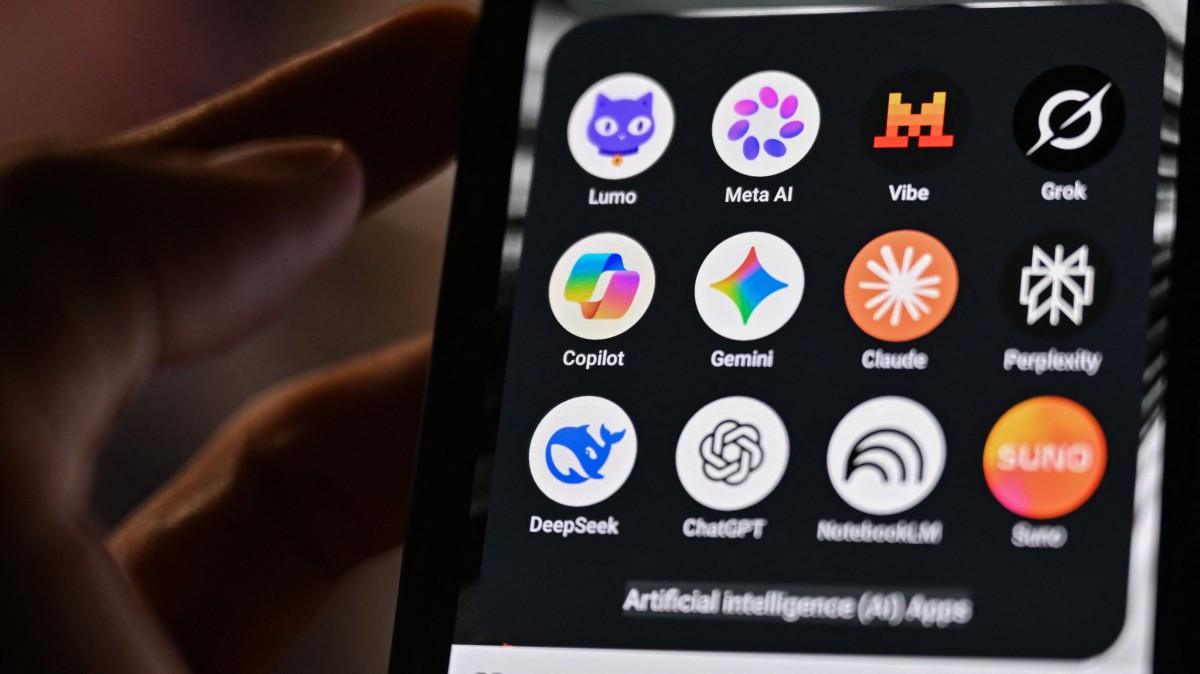
A man holds a handheld smartphone on July 15, 2026, displaying the icons of some of the major artificial intelligence LLMs, chatbots and generative AI apps, in Paris, France. (AFP/Martin Lelievre)
For more than two decades, digital platforms have monetized our attention and social interactions. But today’s AI models extract value from another source: our collective knowledge. Every article, photograph, code, video and online comment can be turned into training data, trillions of so-called tokens and ultimately into value.I call this new phase of digital capitalism the “token economy”. The attention economy extracted value by capturing attention; the token economy extracts value by transforming human knowledge and creativity into data for training AI models.
Because the token economy is built on content produced by millions of internet users, the rules governing AI training data cannot be left to a handful of tech firms. If collective human knowledge has become one of AI’s indispensable sources of value, it should be governed as a digital common. New institutions are needed to negotiate collective access to that resource and ensure that the value it creates is shared more fairly.