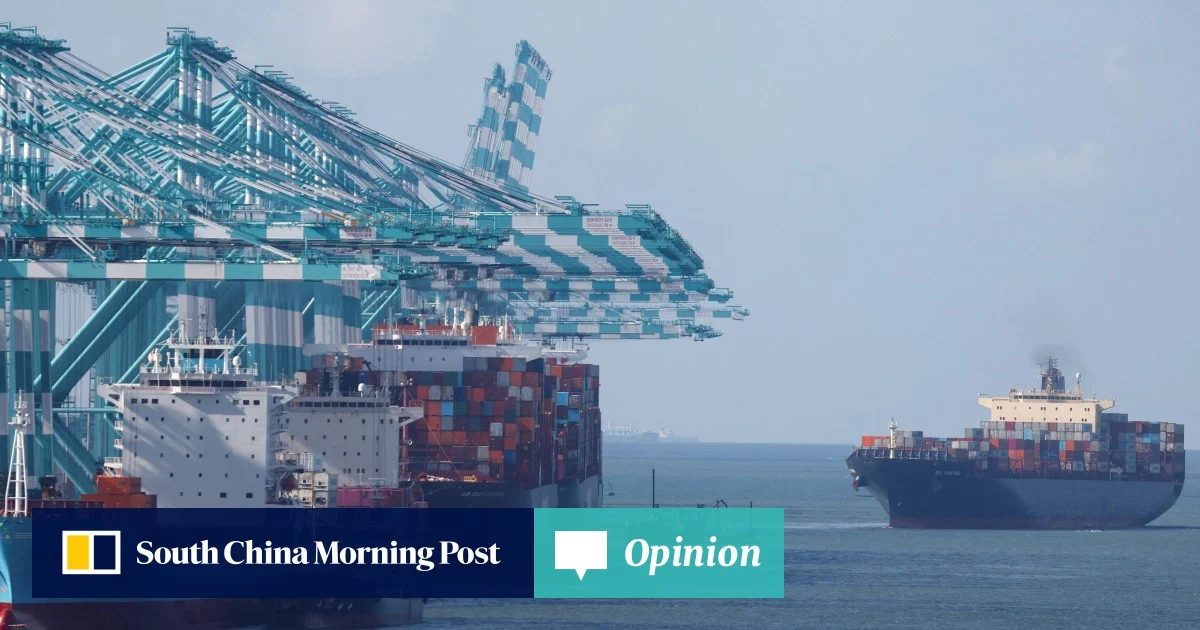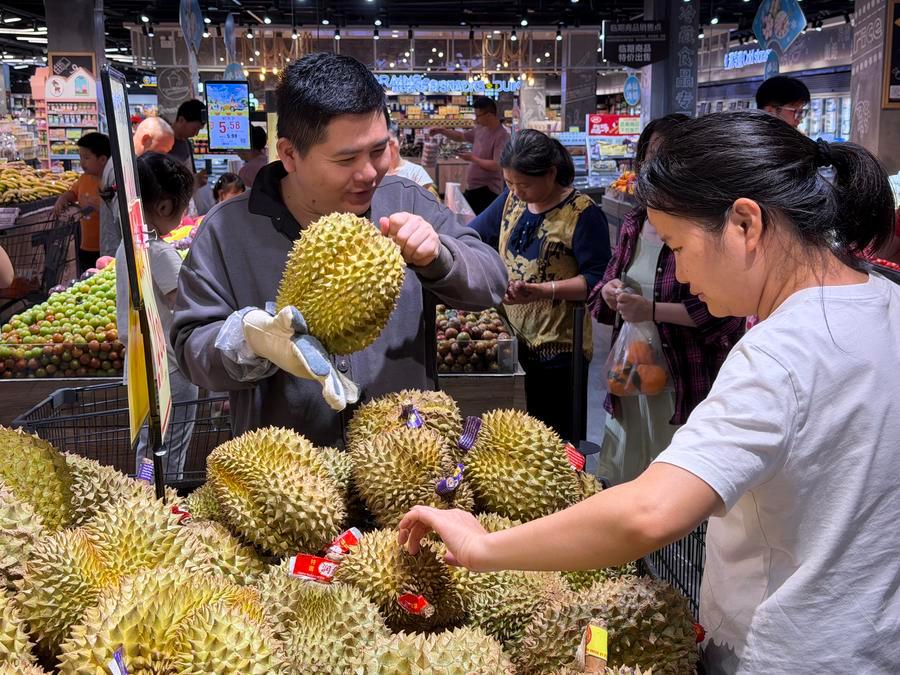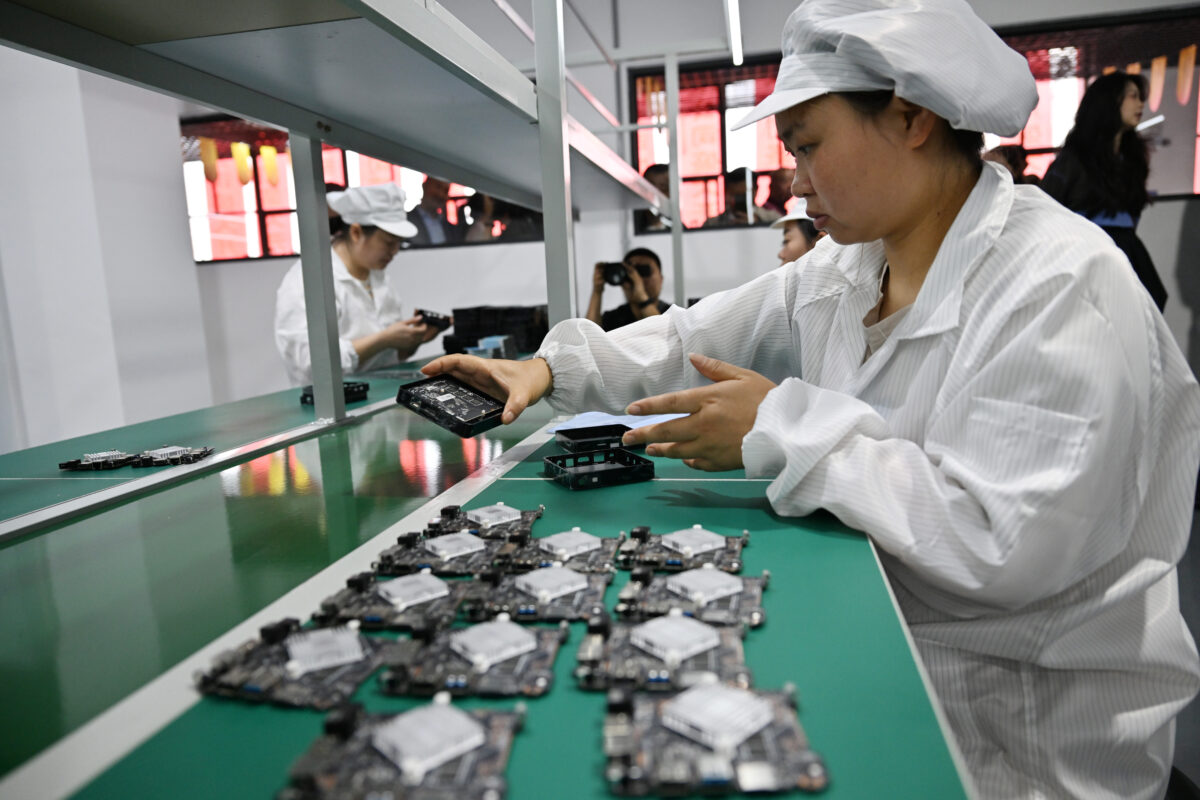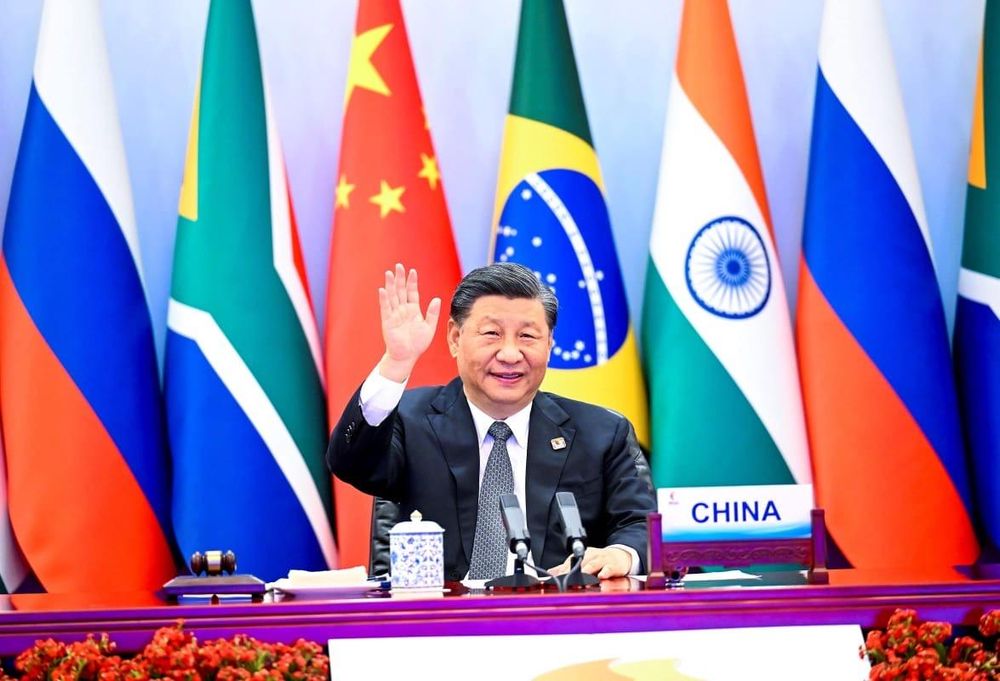
Southeast Asia is entering a more complex phase of development. For years, the region’s development was often associated with faster growth, more trade and new infrastructure. While these remain important, today’s development blueprint for ASEAN also includes building stronger institutions, narrowing development gaps, improving resilience and ensuring that the fruits of regional integration are shared among its people and communities more evenly.Against this backdrop, China’s Global Development Initiative (GDI) has clear relevance for Southeast Asia. The GDI’s priorities, poverty reduction, food security, public health, development financing, climate action, industrialization, connectivity and the digital economy, overlap with many of the region’s needs. China offers not just financial might but also infrastructure capabilities, technological strengths and development experience.
However, the true value of the GDI in Southeast Asia will depend not only on what China can finance or build, but also on how well China’s capabilities align with ASEAN’s priorities. Its most impactful contribution may not be creating a separate development path, but helping ASEAN implement its existing commitments and integration plans.