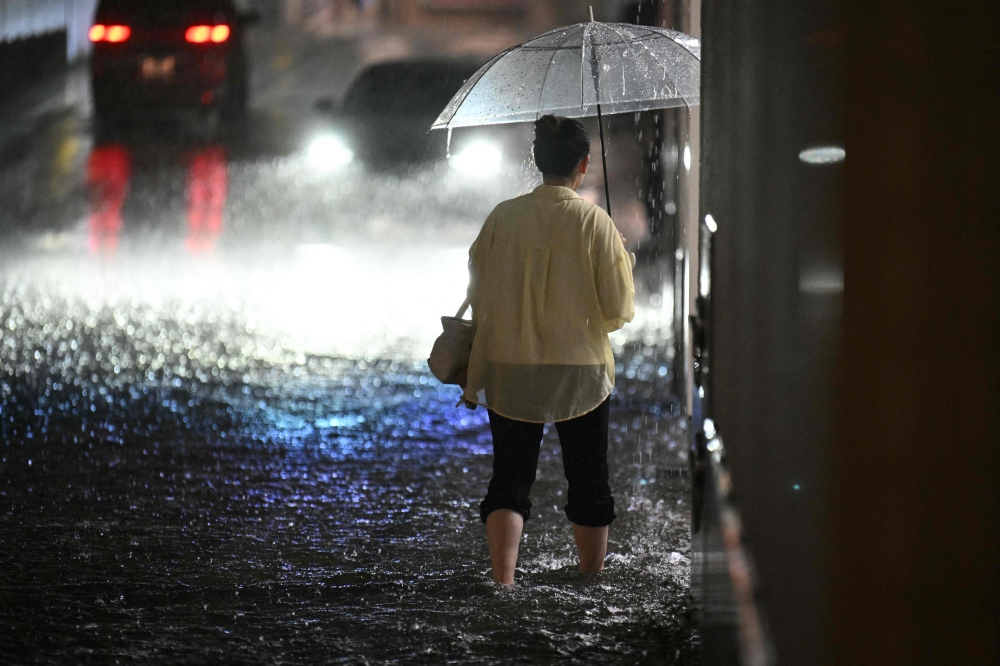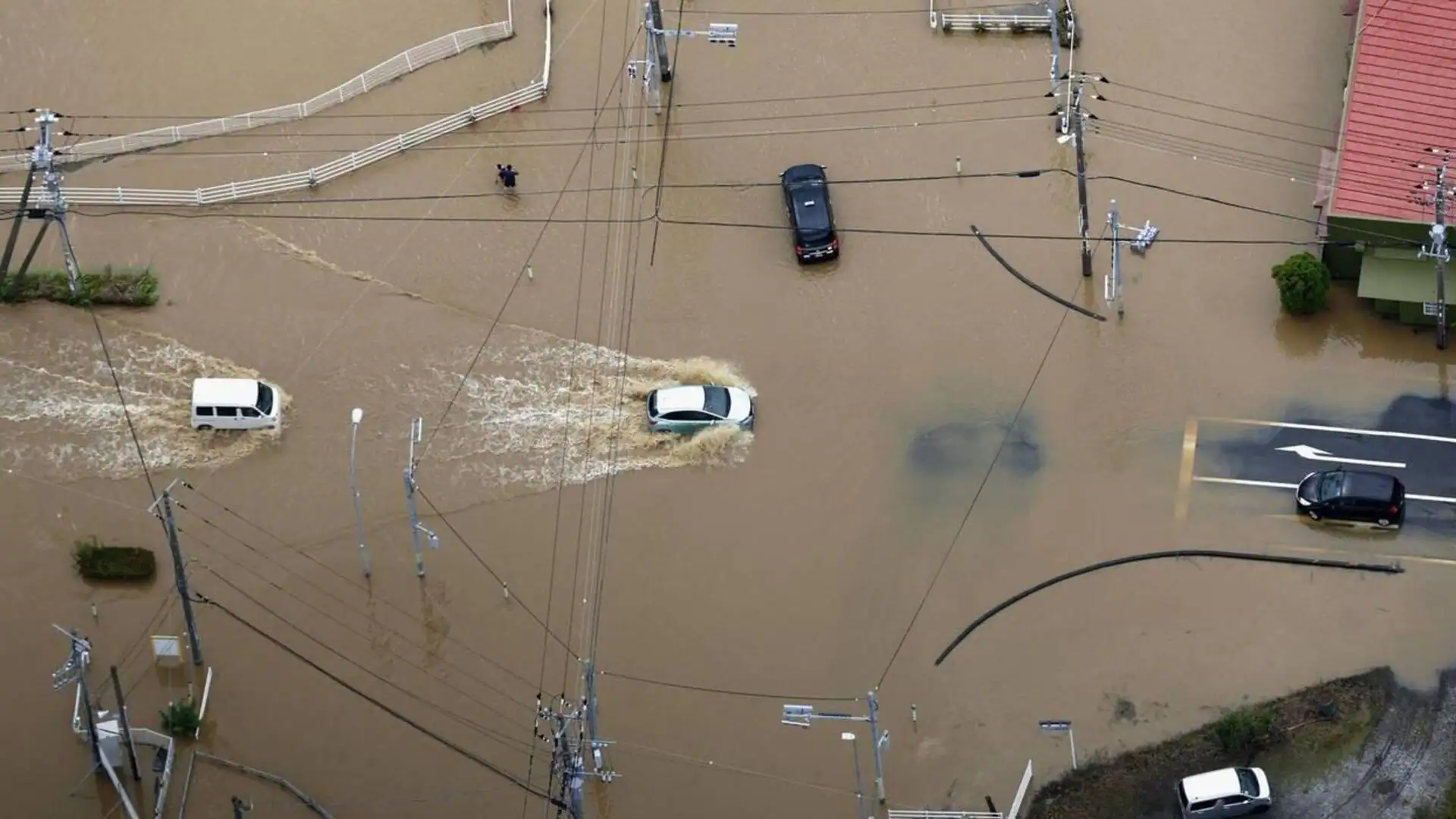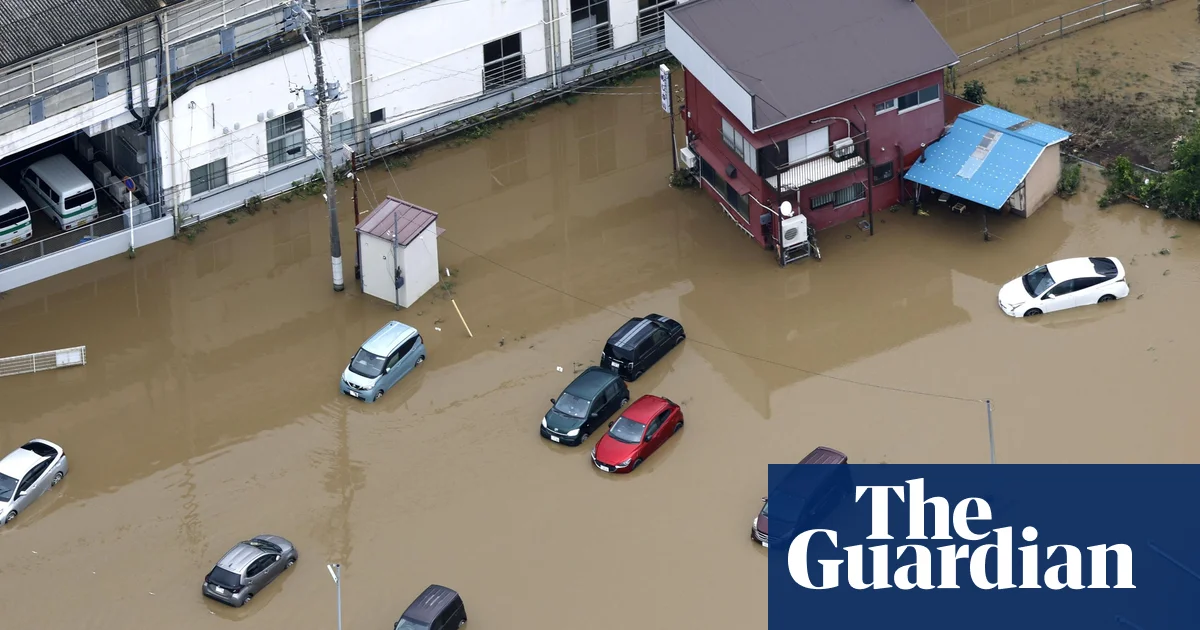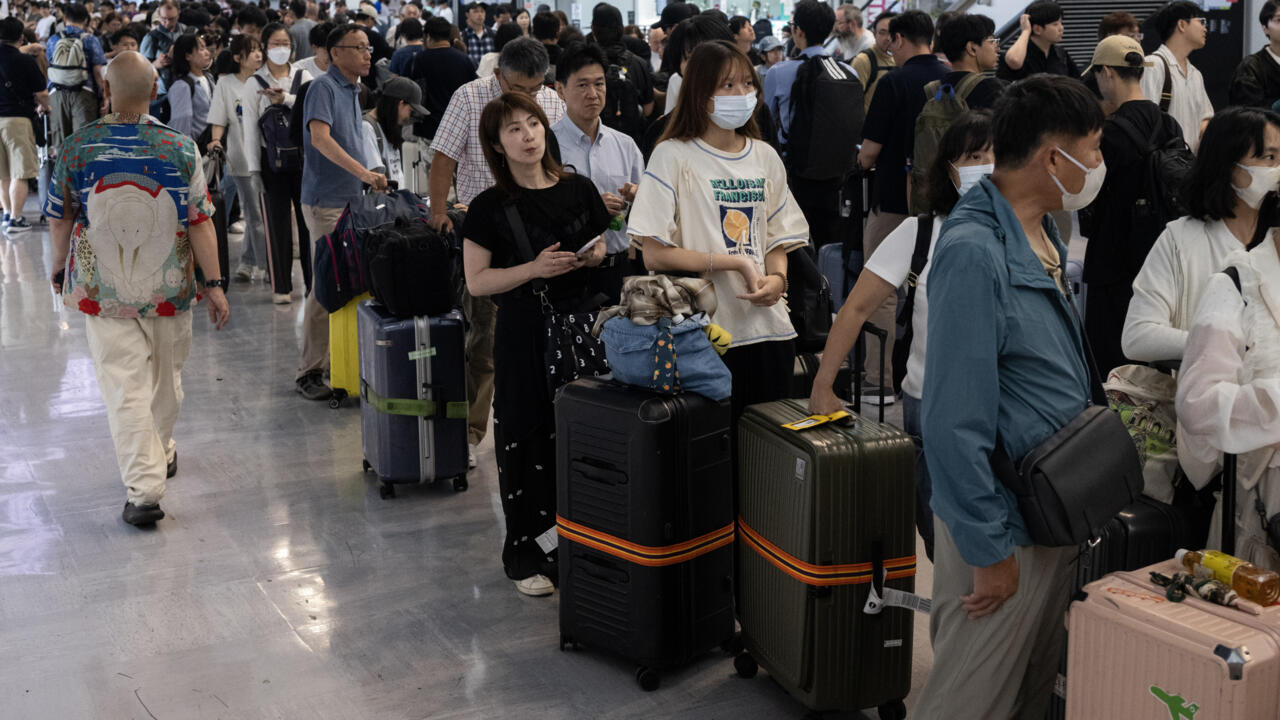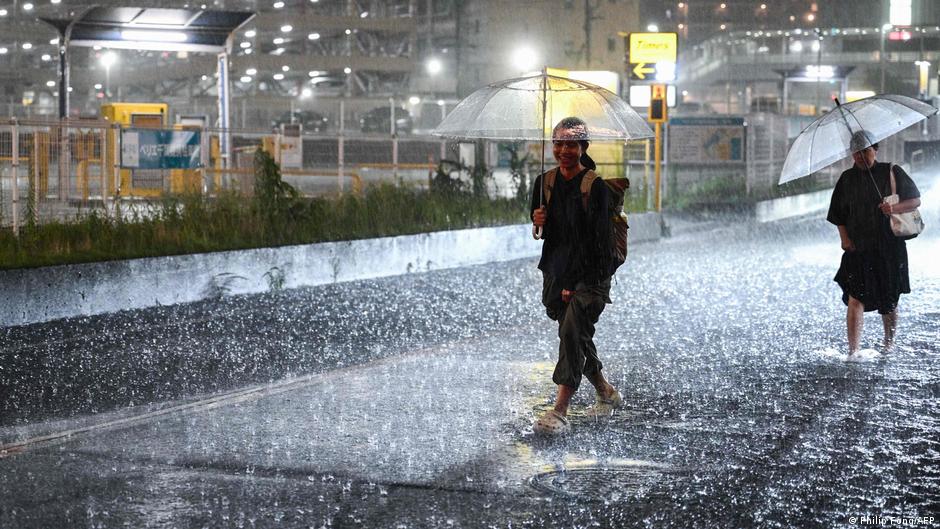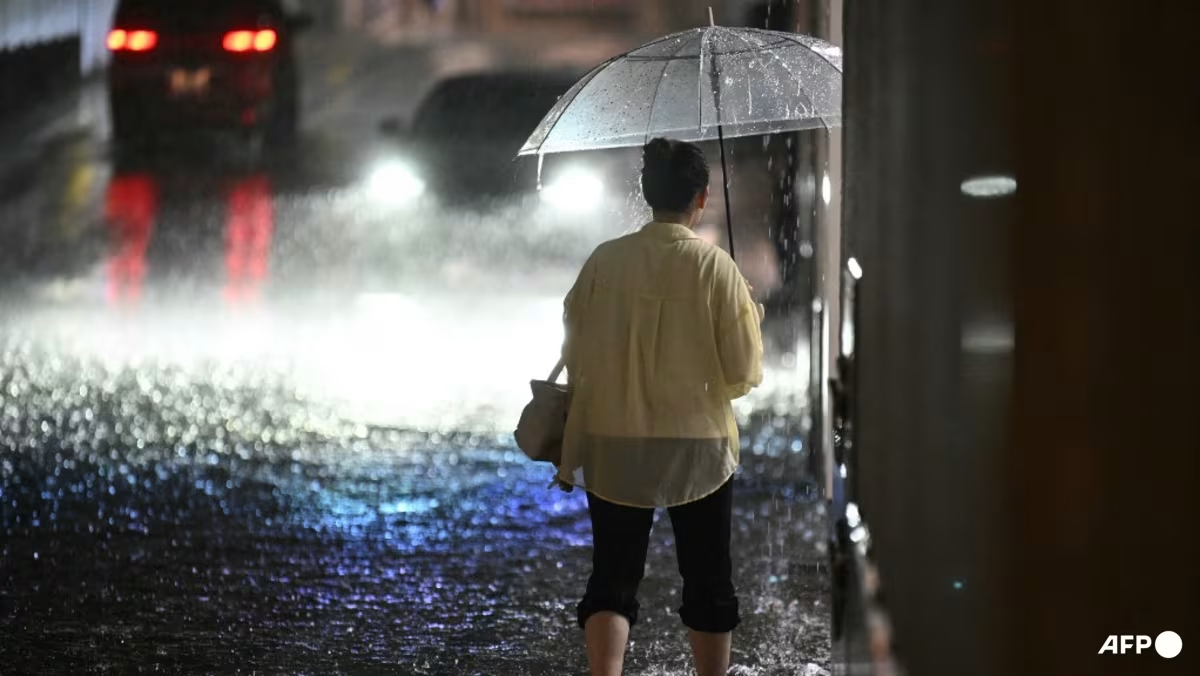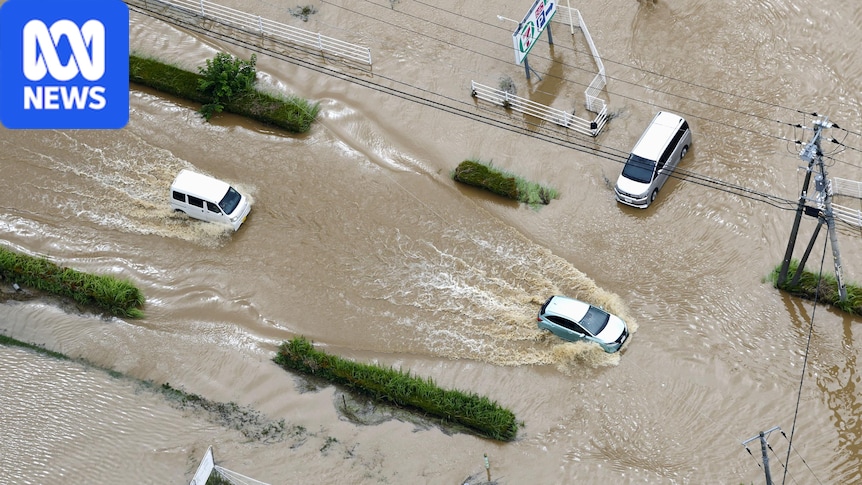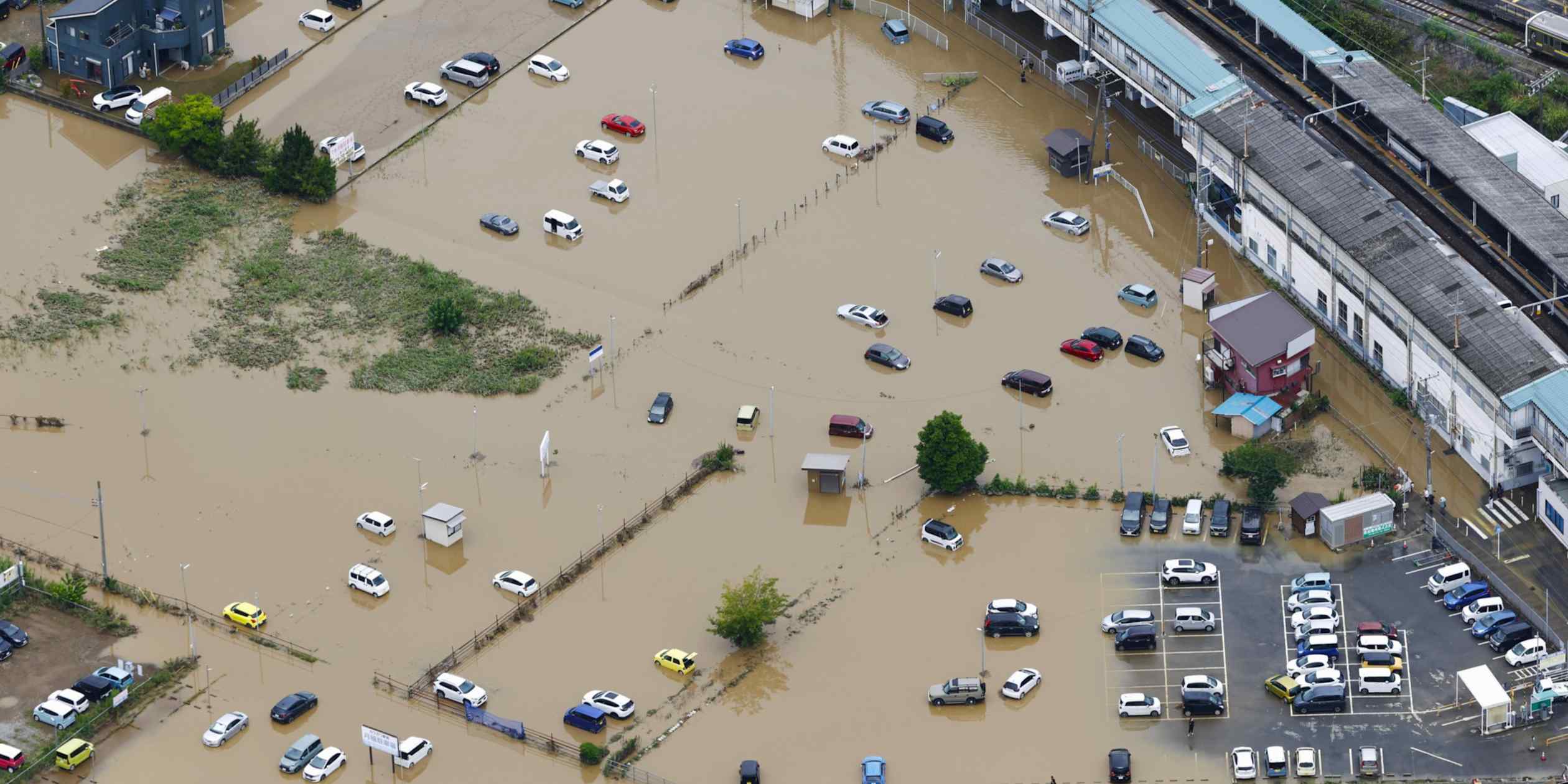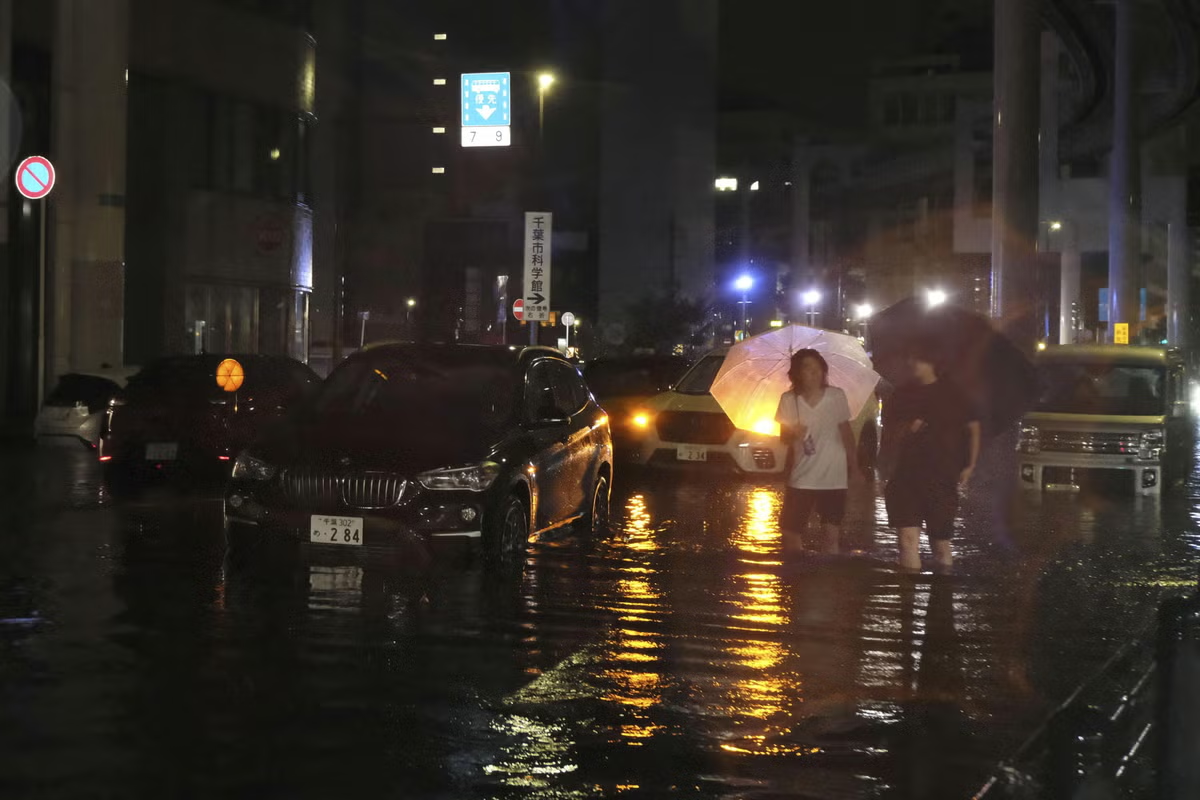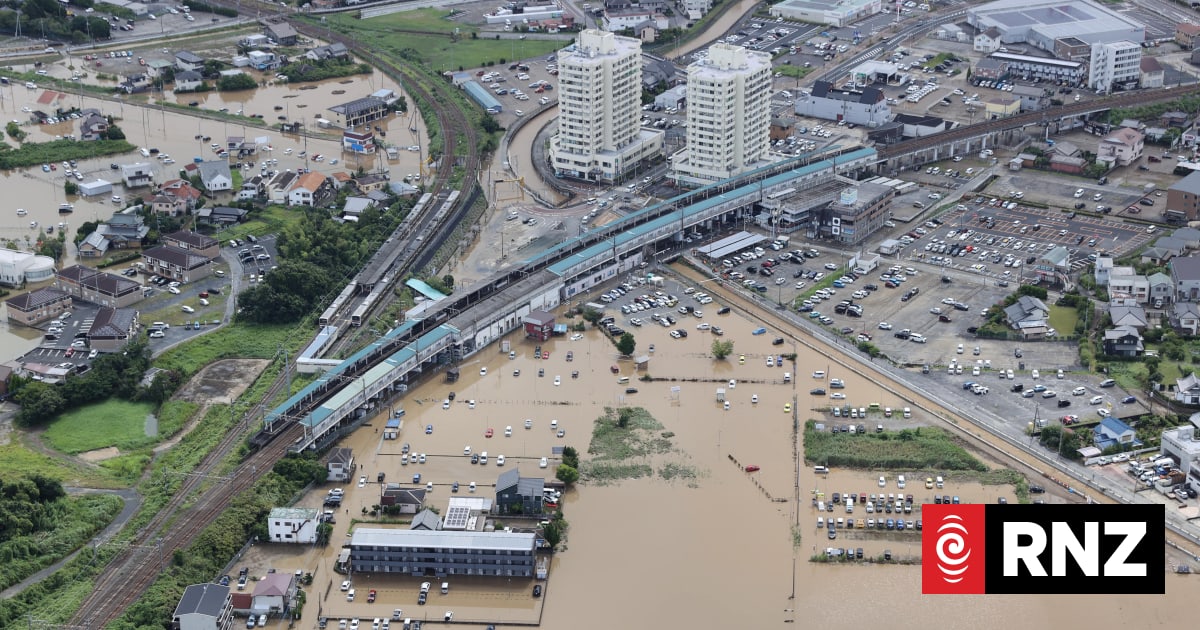
‘Unprecedented’ downpour kills 4 in Japan (AP image)At least four people have died in eastern Japan after what authorities described as “unprecedented” heavy rain triggered widespread disruption, leaving thousands stranded overnight at Narita airport and snarling road and rail services, officials said Friday.Those killed included a man believed to be in his 60s or 70s who was found floating on a flooded road, and a 66-year-old woman who was trapped in her submerged car, the Chiba Prefecture Disaster Management Office said.A third victim, a man whose age was not immediately known, was found collapsed on a street, while the identity and age of the fourth victim remained unclear. A fifth person was feared dead, while another was reported missing.Torrential rain late Thursday triggered landslide warnings and widespread power outages across Chiba, prompting the Japan Meteorological Agency (JMA) to issue its highest-level heavy rain warning for the region for the first time.A JMA official had warned at a news conference on Thursday that the rainfall was "shaping up to be an unprecedented level of heavy rain."As of Friday morning, nearly 26,000 households across Chiba Prefecture were without electricity, according to the disaster management office. Floodwaters entered 45 homes in cities including Ichikawa, Kashiwa and Sakura, while another 39 houses reported water seeping in below the floorboards.The downpour also caused major disruption at Narita Airport, one of the two main airports serving Tokyo, where around 7,000 people were stranded overnight.Major highways across Chiba, including key routes connecting Narita Airport, one of Japan’s main international transport hubs, with central Tokyo, remained closed on Friday, forcing motorists to take alternate routes and causing severe traffic congestion, highway operator NEXCO East said.Several rail services also remained suspended on Friday morning, adding to widespread travel disruption across the region.The level-5 warnings of heavy rain were all downgraded to level-4 as of Friday morning.Scientists say human-driven climate change is making extreme weather more frequent, prolonged and intense.
4 dead as ‘unprecedented’ rain floods Eastern Japan, strands thousands at Narita Airport
At least four people have died in eastern Japan after what authorities described as “unprecedented” heavy rain triggered widespread disruption, leaving thousands stranded overnight at Narita airport and snarling road and rail services, officials said Friday.
320 words~1 min read