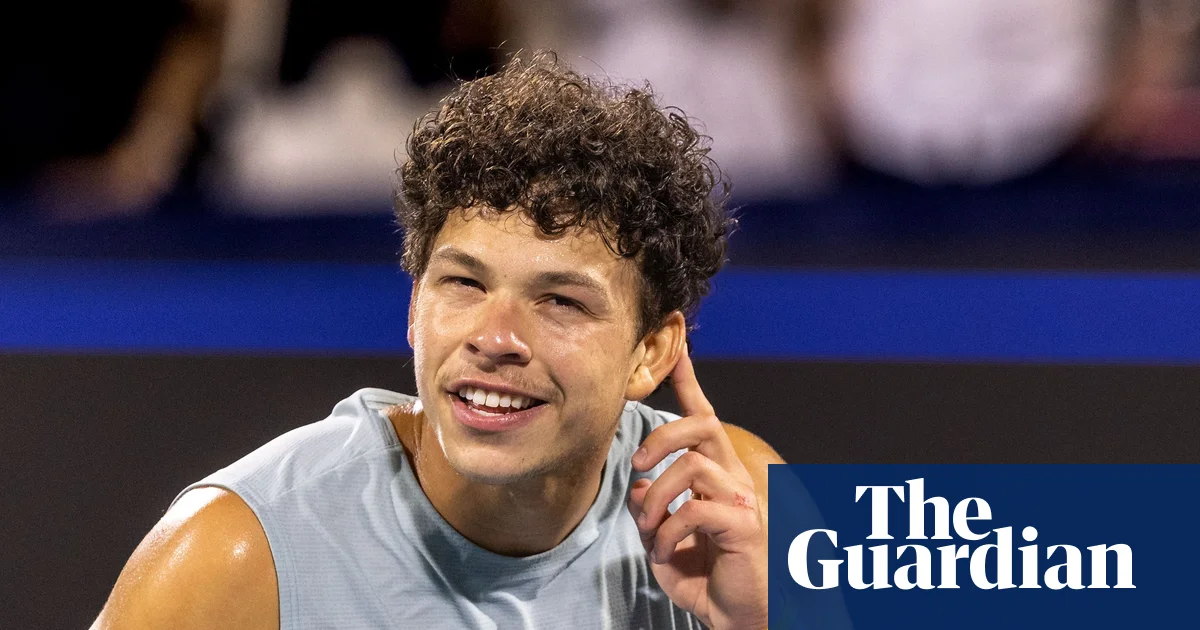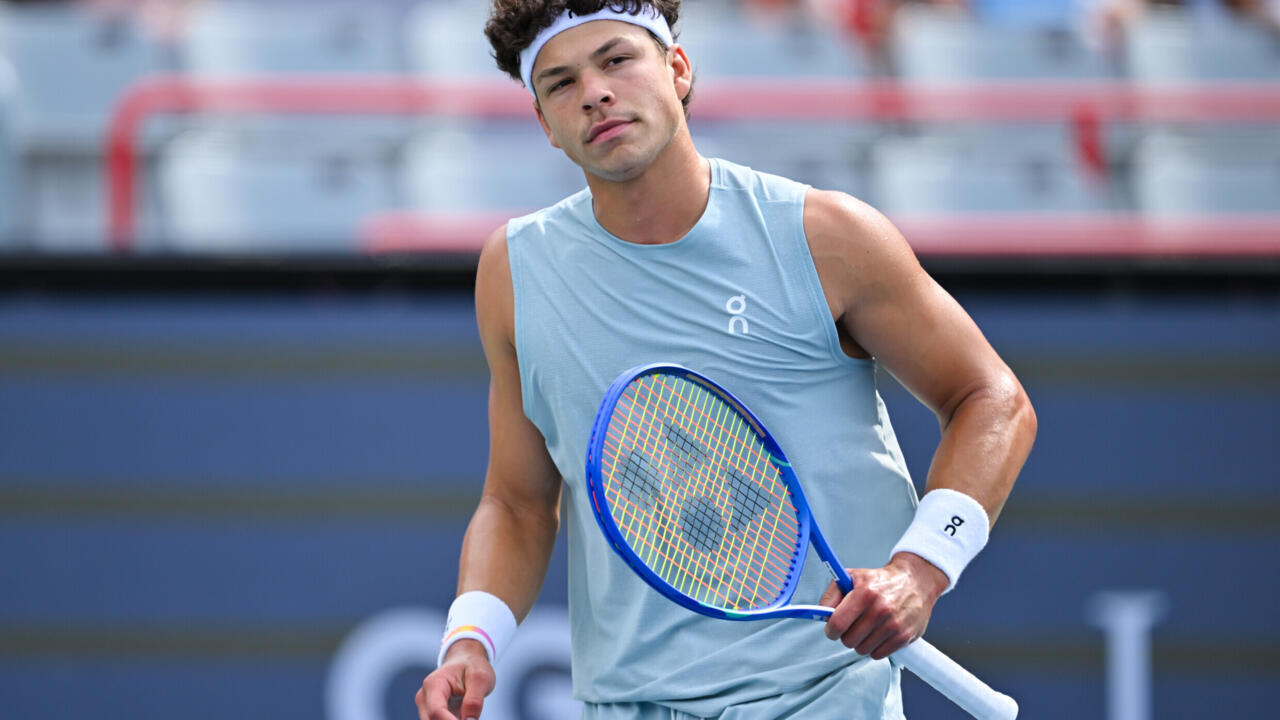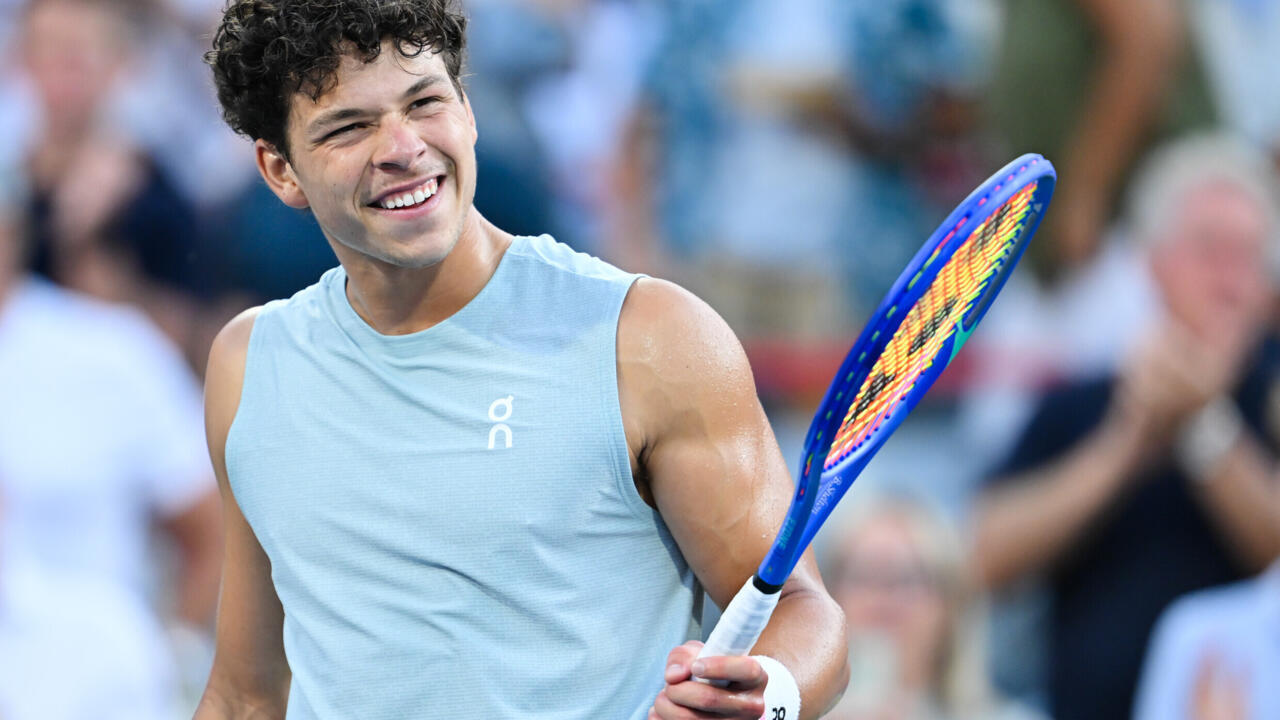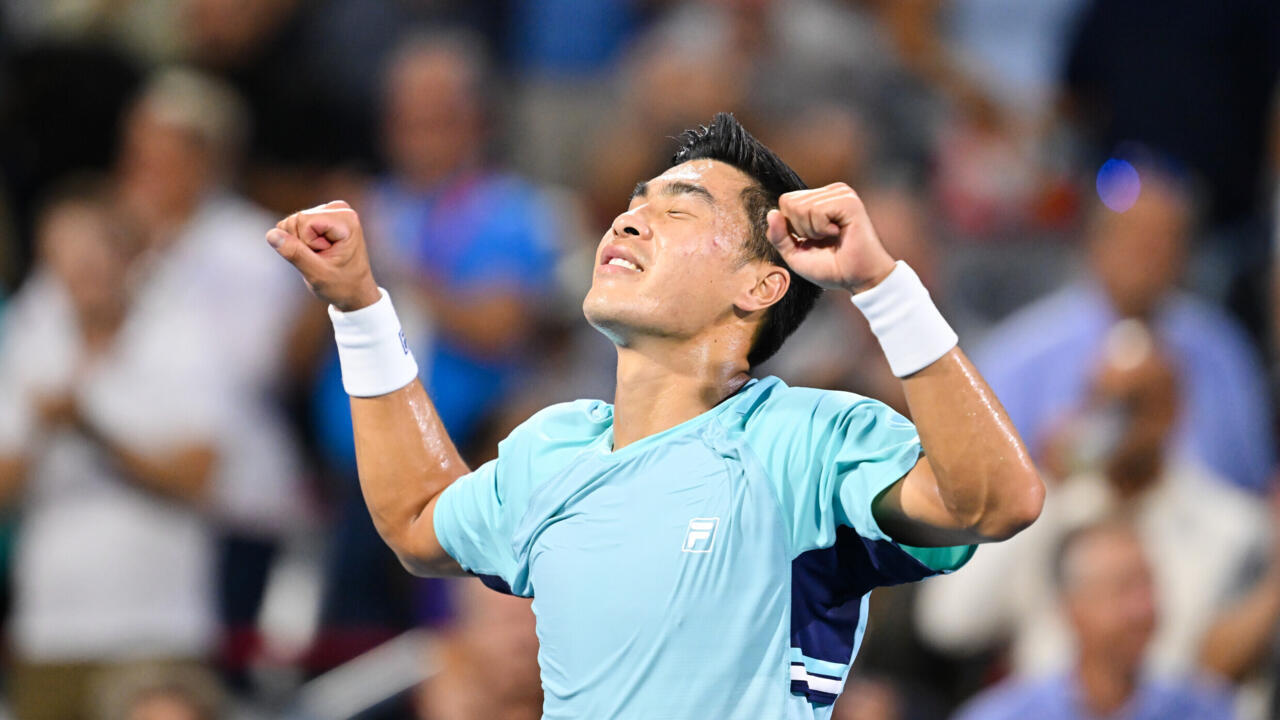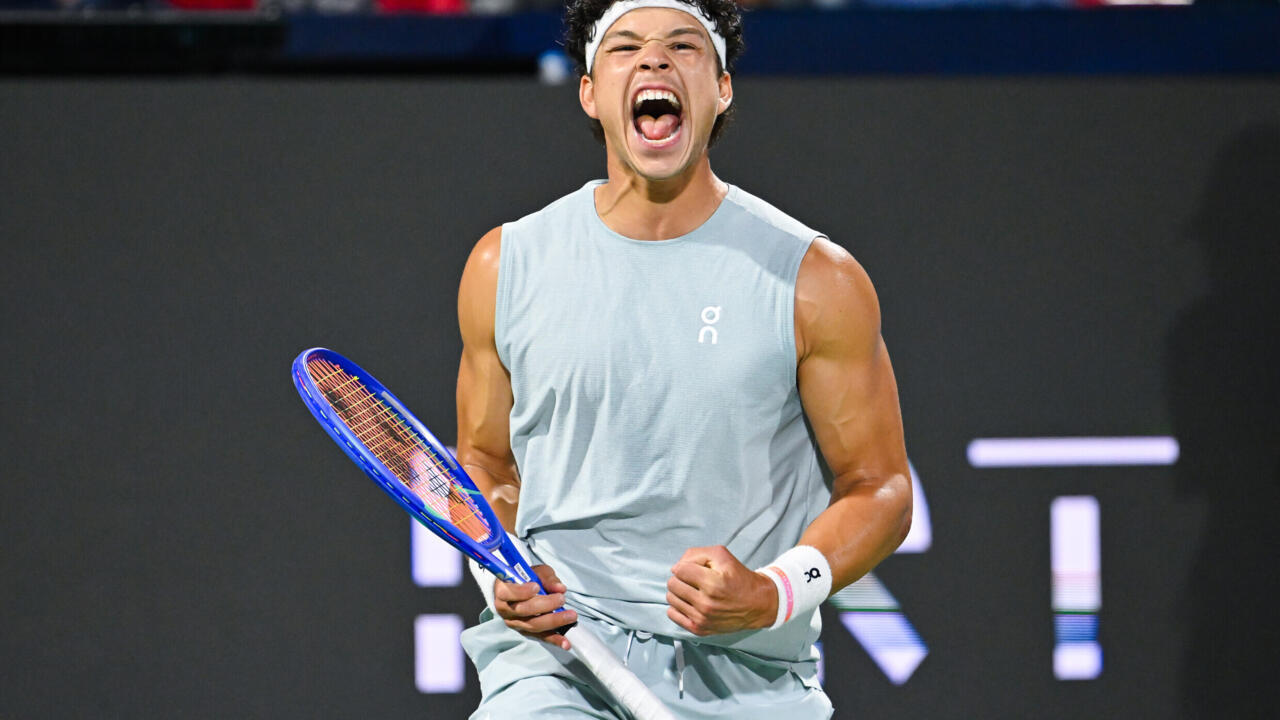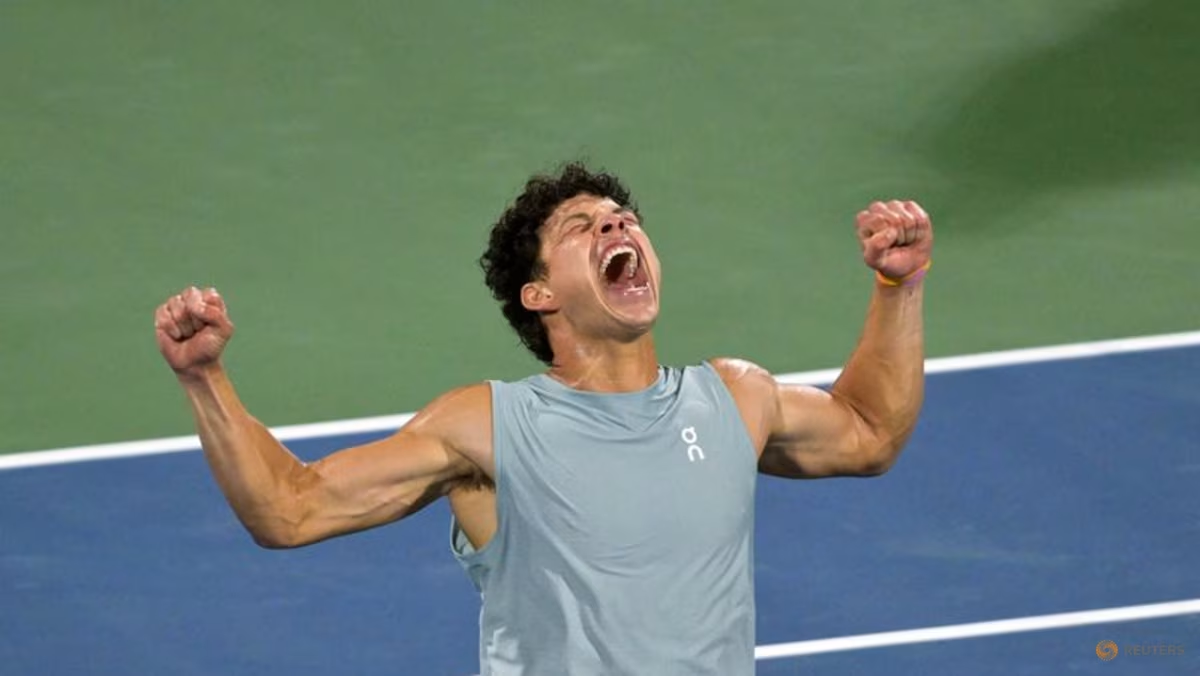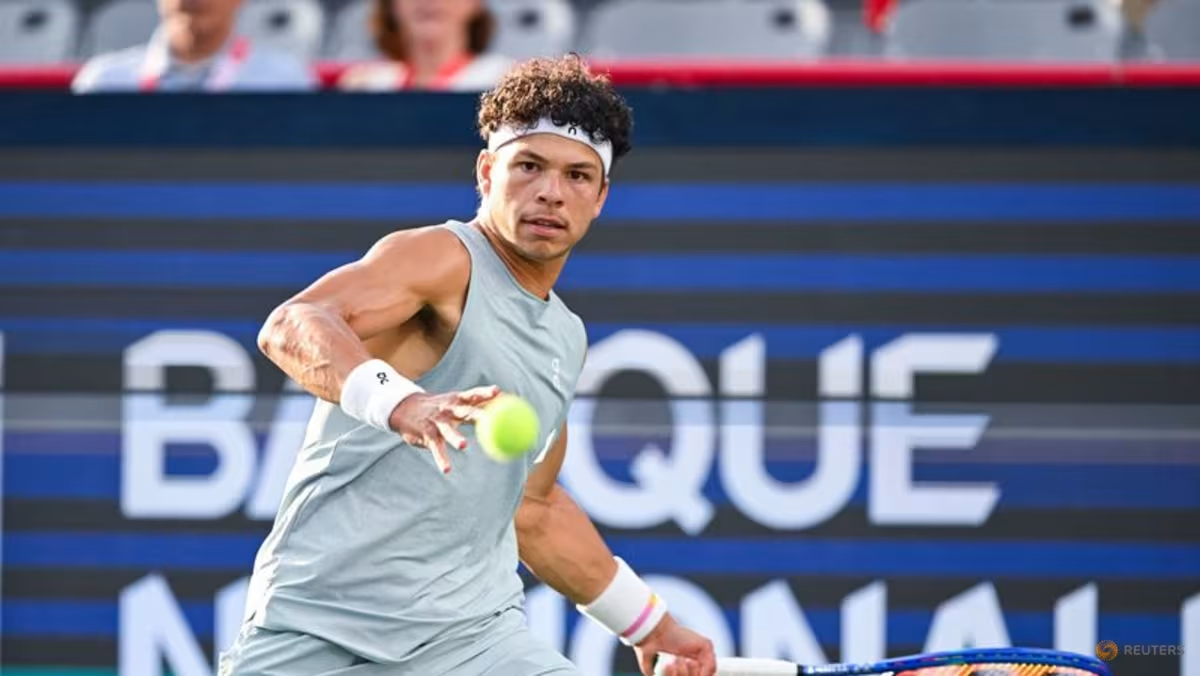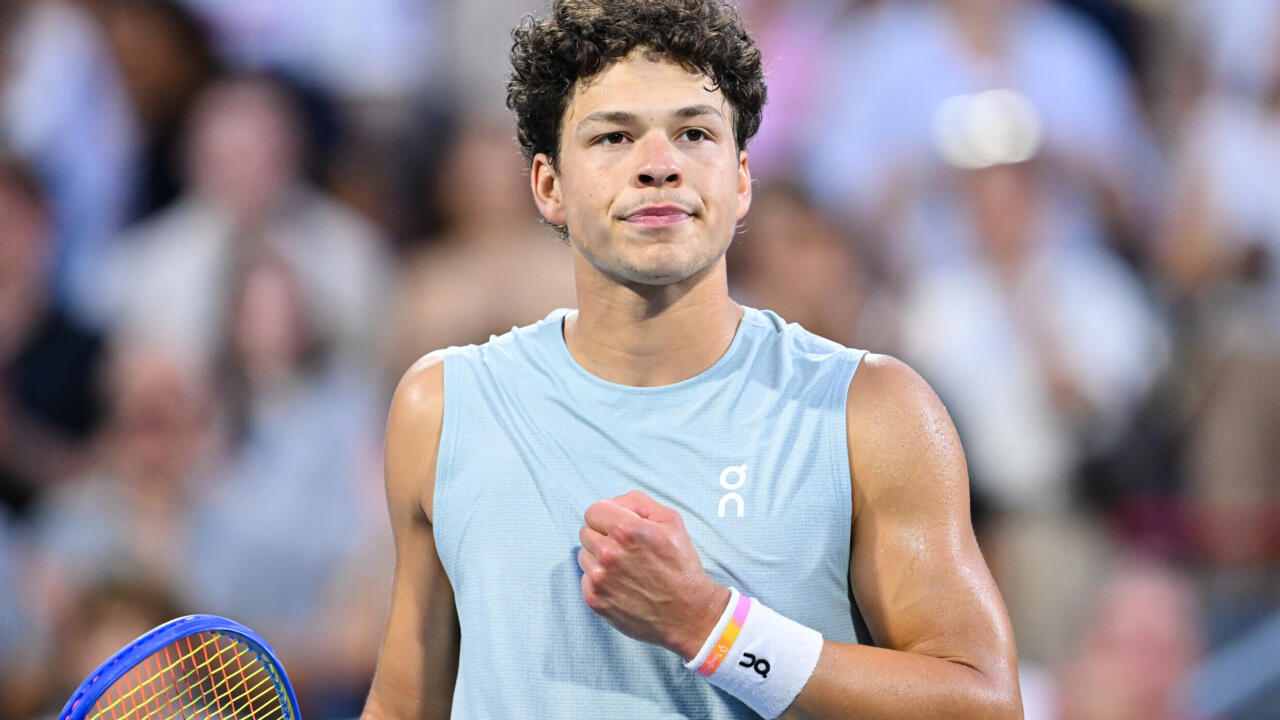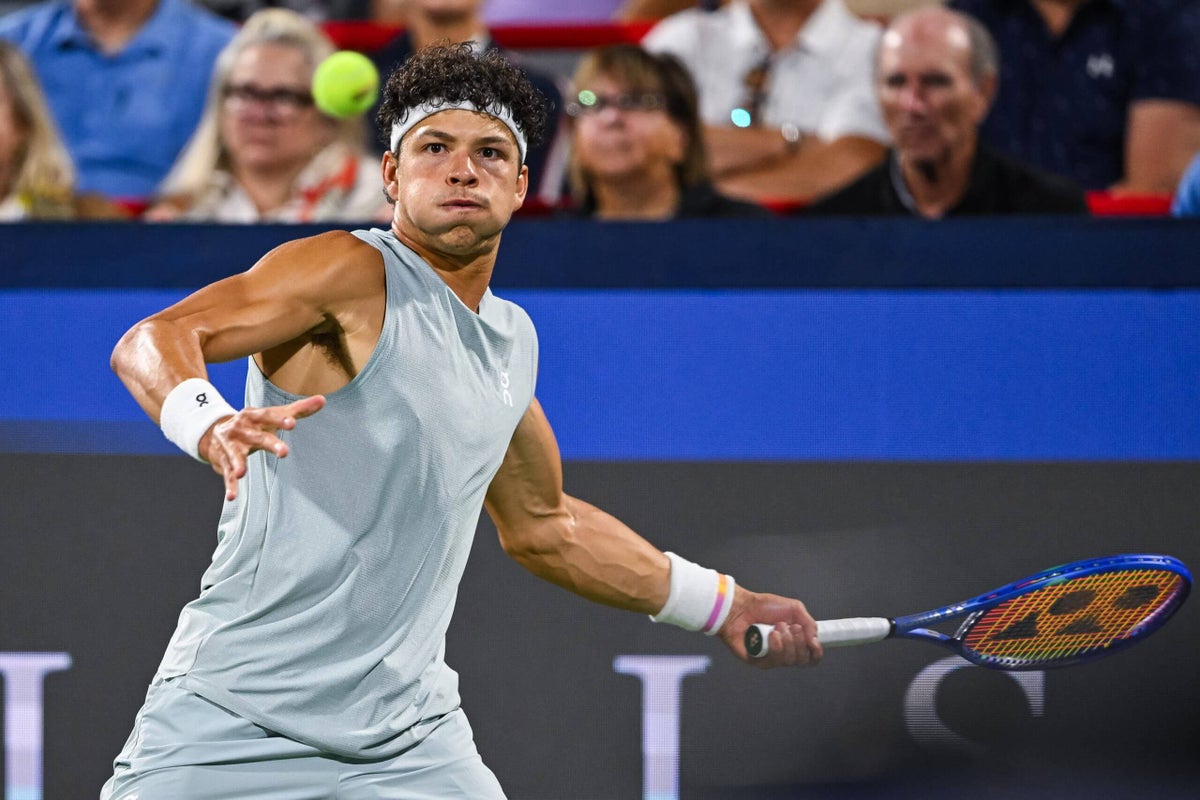
Once the veteran players and most of the top seeds vanished from the Canadian Open, succumbing to injury and upset, the stakes of the tournament in Montreal took on a new edge.This was the first ATP Masters 1000 event, played at the level just below a Grand Slam, in which all eight quarterfinalists were born in the 2000s. That changed the tenor of the tournament, where suddenly most players weren’t just competing for a prestigious title, but they were also jostling to prove they could lead the pack of the rising generation in men’s tennis — or in Ben Shelton’s case, reiterate the fact he’s already separated himself from his peers.Shelton’s 6-3, 7-6(4) win over Brandon Nakashima in Thursday’s all-American final fortified Shelton’s spot as far and away the leader of the youth movement in men’s tennis — and showed that the world No. 10 might be righting a topsy-turvy season just in time for the U.S. Open.It also put him in some fine company. He won his fourth title of the season, and seventh of his career, to join Jannik Sinner and Carlos Alcaraz as the third man born in the 2000s to win multiple Masters 1000 titles. He’s the fourth back-to-back Canadian Open champion this century, joining Andy Murray, Novak Djokovic and Rafael Nadal as repeat winners.In the first all-American final at a Masters 1000 since 2003, he became the third American man this century to win multiple titles at this level alongside Roddick and Andre Agassi.That’s the type of consistency Shelton has been searching for this season.
Ben Shelton successfully defends Canadian Open title in all-American clash
Shelton's cracking serve was ultra-effective in Montreal, and with many of the other top seeds falling early, the draw opened up for him.
782 words~4 min read