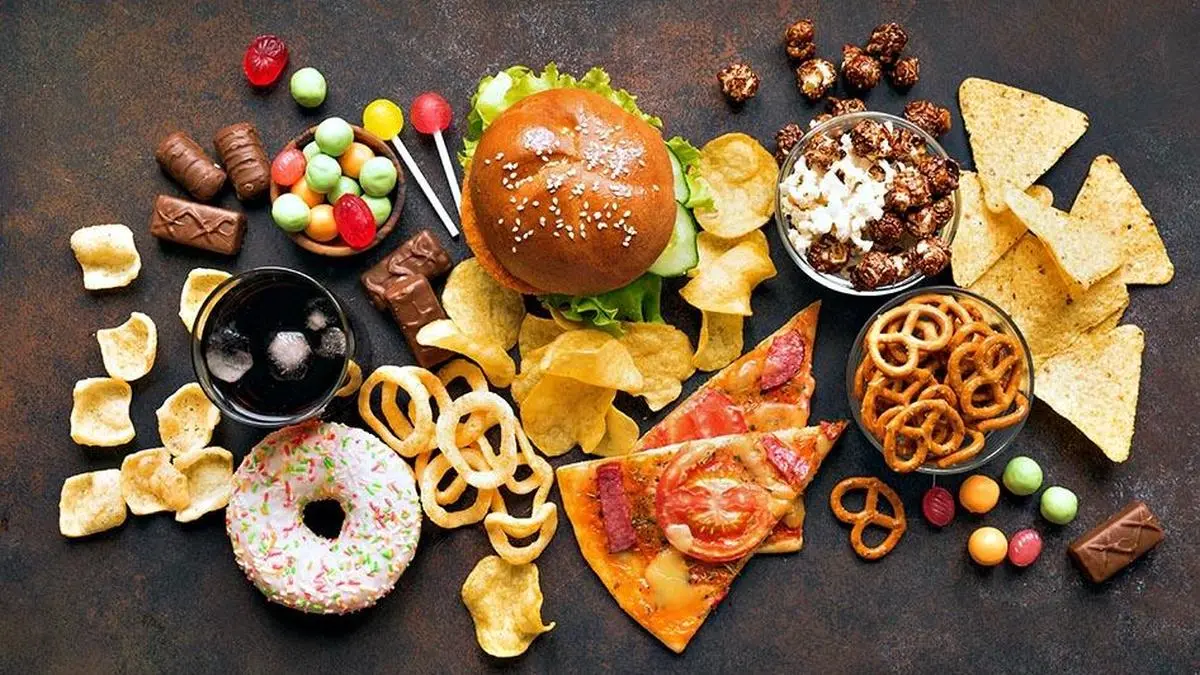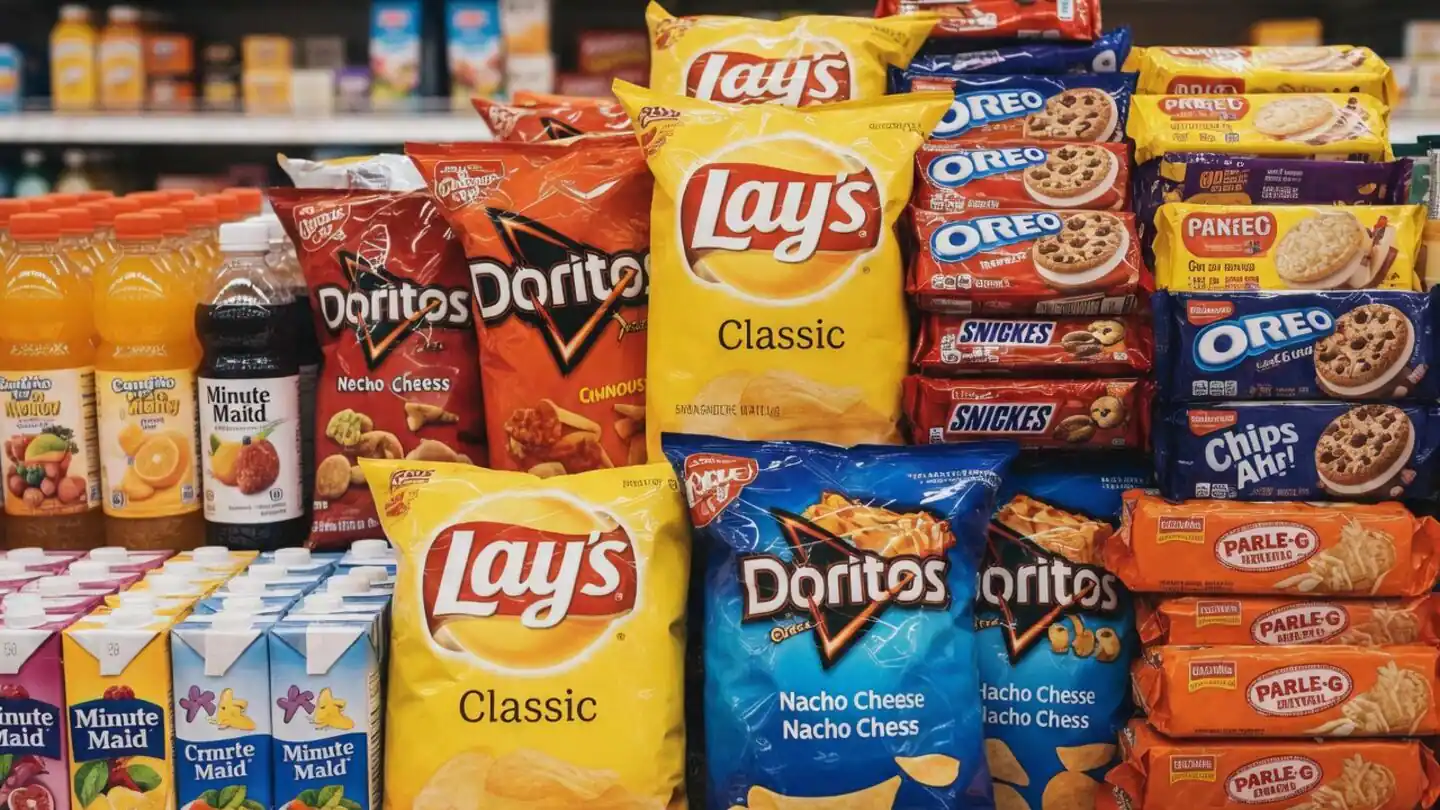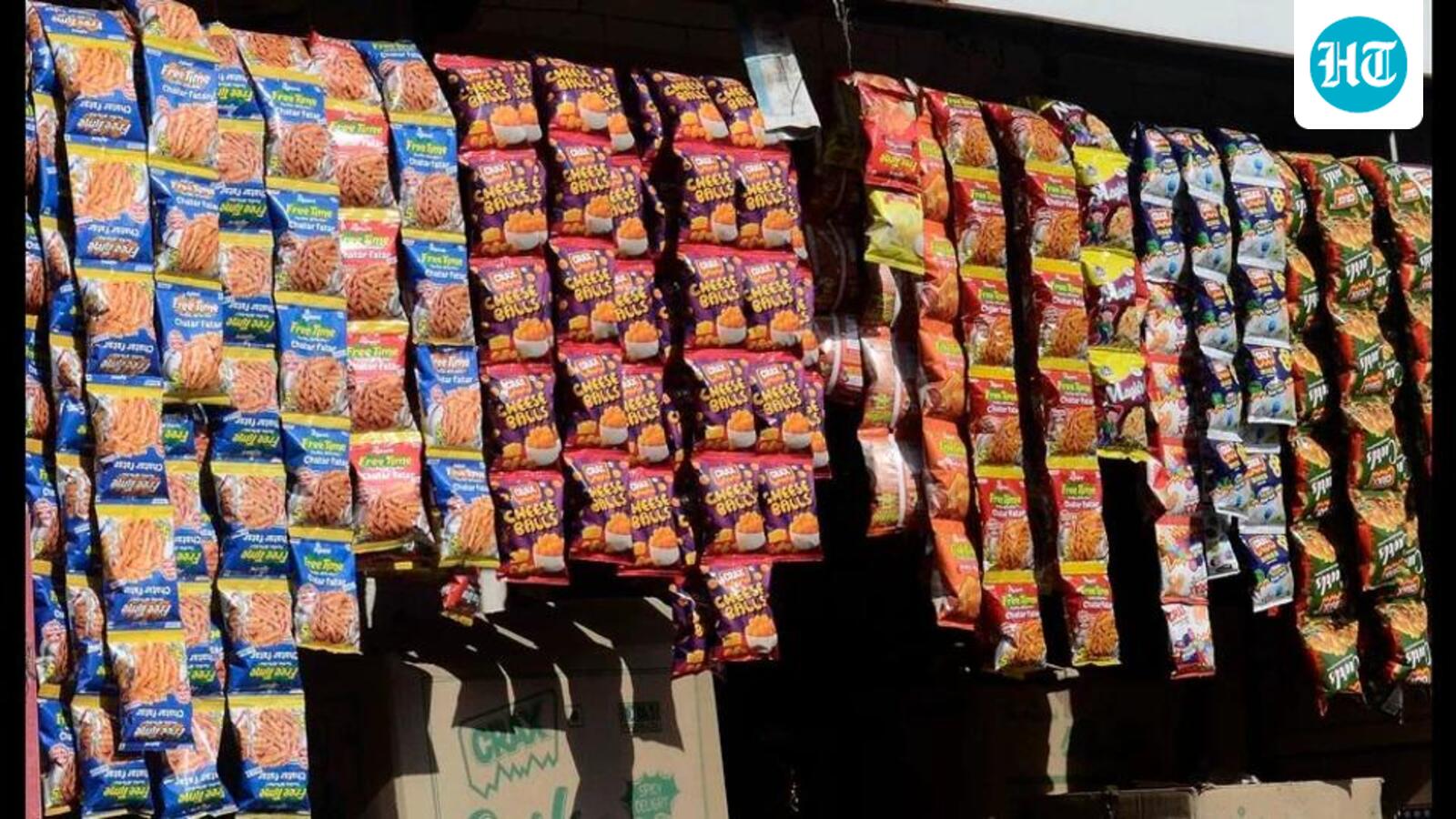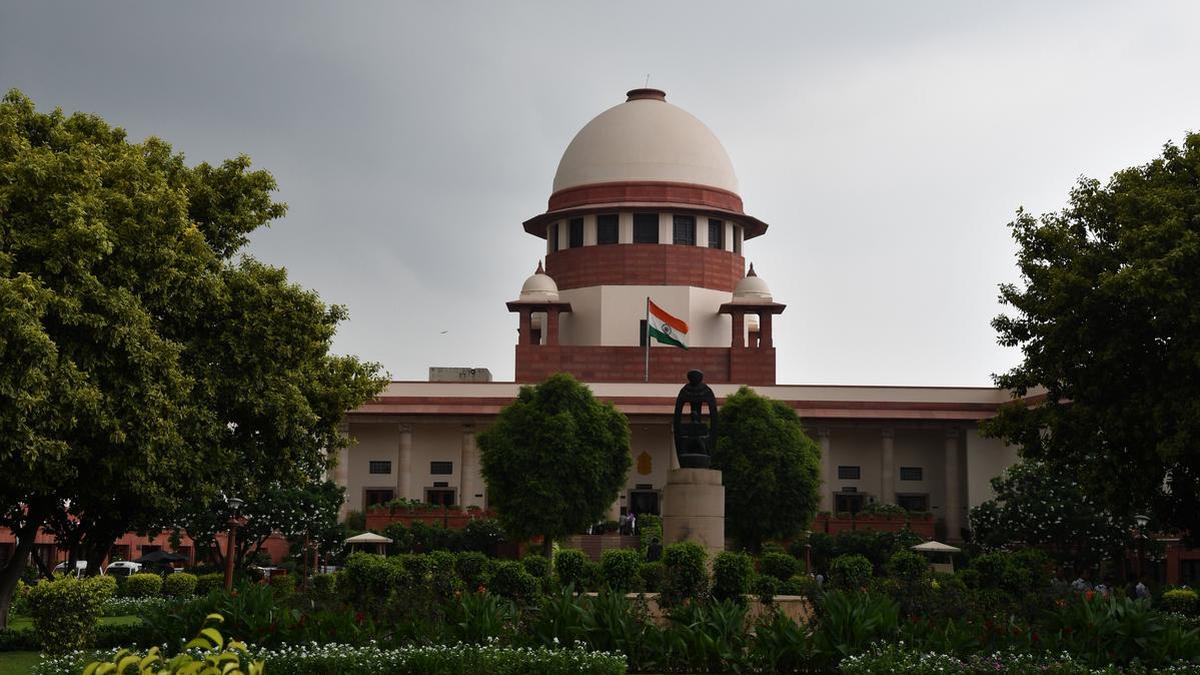
New Delhi: The Supreme Court Thursday asked the food safety regulator whether corporate 'pressures' were preventing it from forcing companies to print warning labels on packaged items high in salt, sugar or saturated fat content, giving the Centre two weeks to decide whether the court would need to step in to enforce this public interest consumer awareness programme."There is immense pressure at the end of all these corporate houses on you. And you are succumbing to that pressure! We are doing this in public interest," a bench of Justice J.B. Pardiwala and Justice K. Vinod Chandran said, referring to the apparent 'reluctance' of the Food Safety and Standards Authority of India (FSSAI) to implement the mandatory labelling programme.Consumer awareness mandate"We are not doing it for ourselves. Why are you not abiding by our order (to mandate interpretive front-of-pack warning labels)? What have you done so far?" asked the judges, saying that consumers, especially children, need to know what they are eating.The bench also reached out to the Centre, saying that it needs to know whether New Delhi would implement this on its own, or whether judicial intervention would be necessary."You don't want the people of this country to remain healthy? More particularly, growing children?" Should India remain as an undeveloped country? That's the question we are putting forward for the Union to consider," the bench said.FSSAI had in 2024 approved new labelling guidelines that called for key nutritional information like sugar, salt and saturated fat to be displayed more prominently by manufacturers. One wrong or missing label could lead to fines and product recalls. This kind of labelling is being followed in many other countries, but in India it's been long overdue.The judges also rejected additional solicitor general Brijender Chahar's reasoning that India should not necessarily seek to match international standards on food labelling."We do not approve the stance of the Union when it says that it's not possible to match the international standards, more particularly developed countries. Should India remain an undeveloped country? The world should know that India is concerned about the health of its citizens and, more particularly, children," said the apex court.The court said the country must not compromise on public health or settle for lower standards merely because Indian foods may differ from those consumed in developed countries.Additional solicitor general Brijender Chahar, appearing for the Centre and FSSAI, said that traditional Indian foods tend to contain more salt, sugar and fat than what he described as "bland" food in developed countries."The difficulty is that each of our traditional foods will have the red symbol on it. Whether it is namkeen etc warning that it is very harmful," Chahar argued, adding that even items such as eggs could cross the proposed thresholds for fat.The permissible limit for fat is 10 grams a day, he said, adding that two eggs have 11 grams of fat and they will have a red symbol. In developed countries, food is bland, with less sugar, and less fat, and that those yardsticks should not be applicable to Indian traditional food.Labelling could also adversely affect micro, small and medium enterprises (MSME), with about a third of MSME revenue coming from traditional foods, Chahar saidUnconvinced by the FSSAI's submissions, the top court said that "even without a red label, everybody knows there is sugar, fat, carbs etc. no? This is to create public awareness."The court went on to say that the purpose of the warnings was to inform consumers rather than prevent them from buying a particular product.Stressing the need to protect children who are increasingly consuming such products, the top court said that the government must be concerned about the health of young children who are addicted to fats, sugars and carbohydrates.Consumer 'discretion'"Manufacturers may not like this because it may affect their business. Even after these warnings, it's the discretion of the person who purchases it. He may still purchase it or he may not purchase it. Why are you reluctant to do this?" asked the court.On a manufacturer's argument that salted cashew and chips, both will be branded under the same category, the court said: "In this country, how many people can afford dry fruits? And how many children buy Kurkure? That makes all the difference. We are not against any particular product. We only want the person purchasing it to know what he is consuming."The court, responding to the FSSAI affidavit last week, said the regulator was shifting away from interpretive front-of-pack warning labels. Instead, the food safety regulator had proposed a nutrition table for packaged foods which simply presents the numbers, leaving consumers to compare them with the recommended daily limits.The affidavit proposed displaying the government's recommended daily limits for added sugar, saturated fat and salt alongside the nutrient content of a product per 100 gm and its serving size, instead of using warning symbols to identify foods high in these additives.The top court's observations came while hearing a public interest litigation (PIL) filed by nonprofit 3S and Our Health, which sought warning labels on packaged foods to indicate high levels of salt, sugar and saturated fats.
Supreme Court raps FSSAI over warning labels on high-salt, sugar and fat packaged foods
The Supreme Court on Thursday questioned FSSAI over its reluctance to mandate warning labels on packaged foods high in salt, sugar and saturated fats, alleging corporate pressure and stressing consumer awareness. The Centre has two weeks to decide whether it will implement interpretive front-of-pack labels or require judicial intervention.
848 words~4 min read