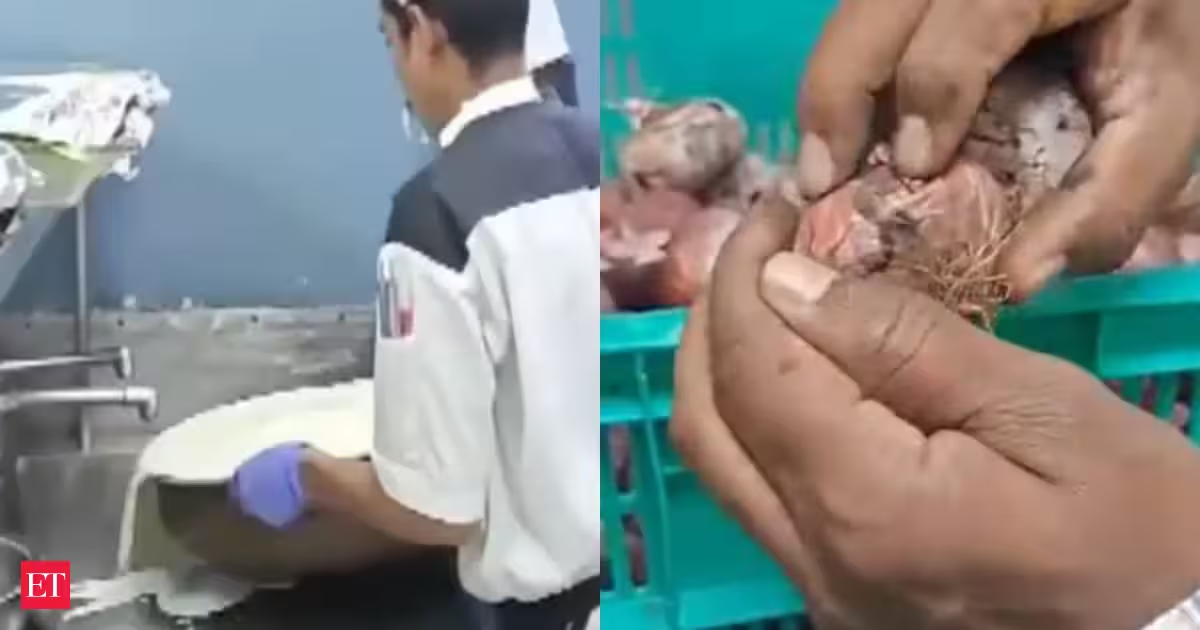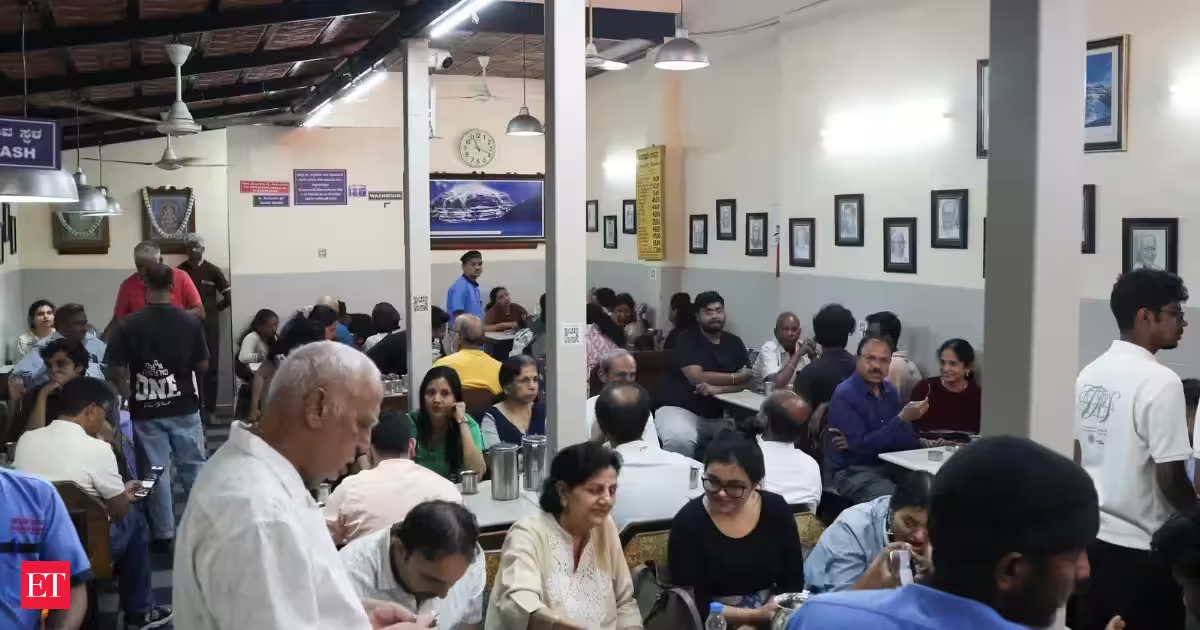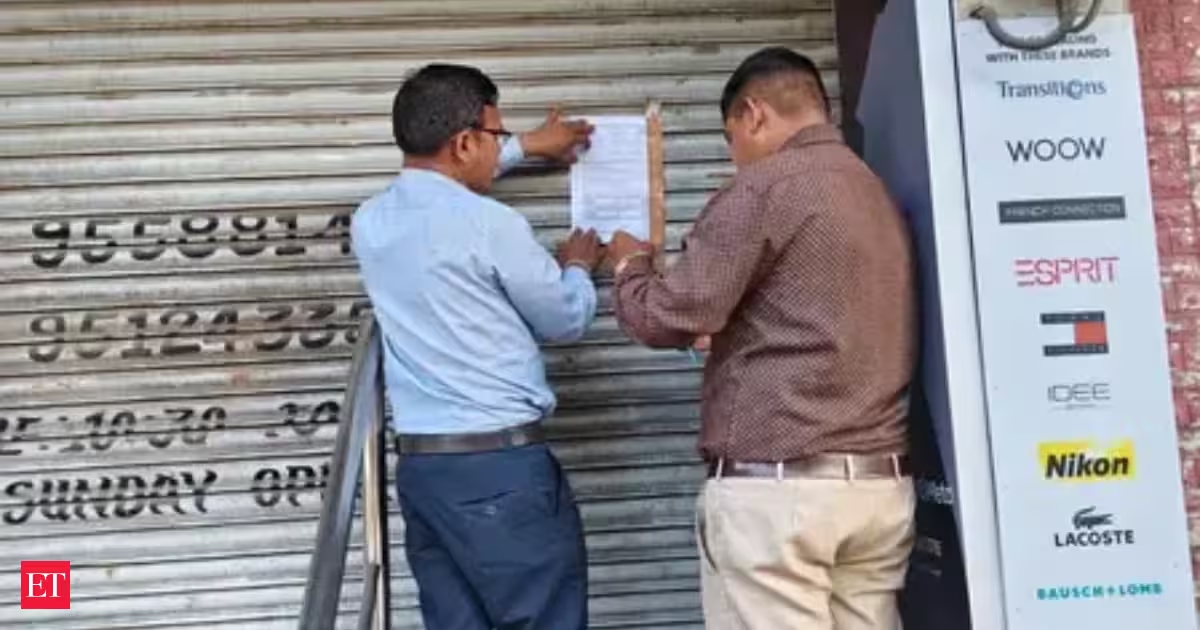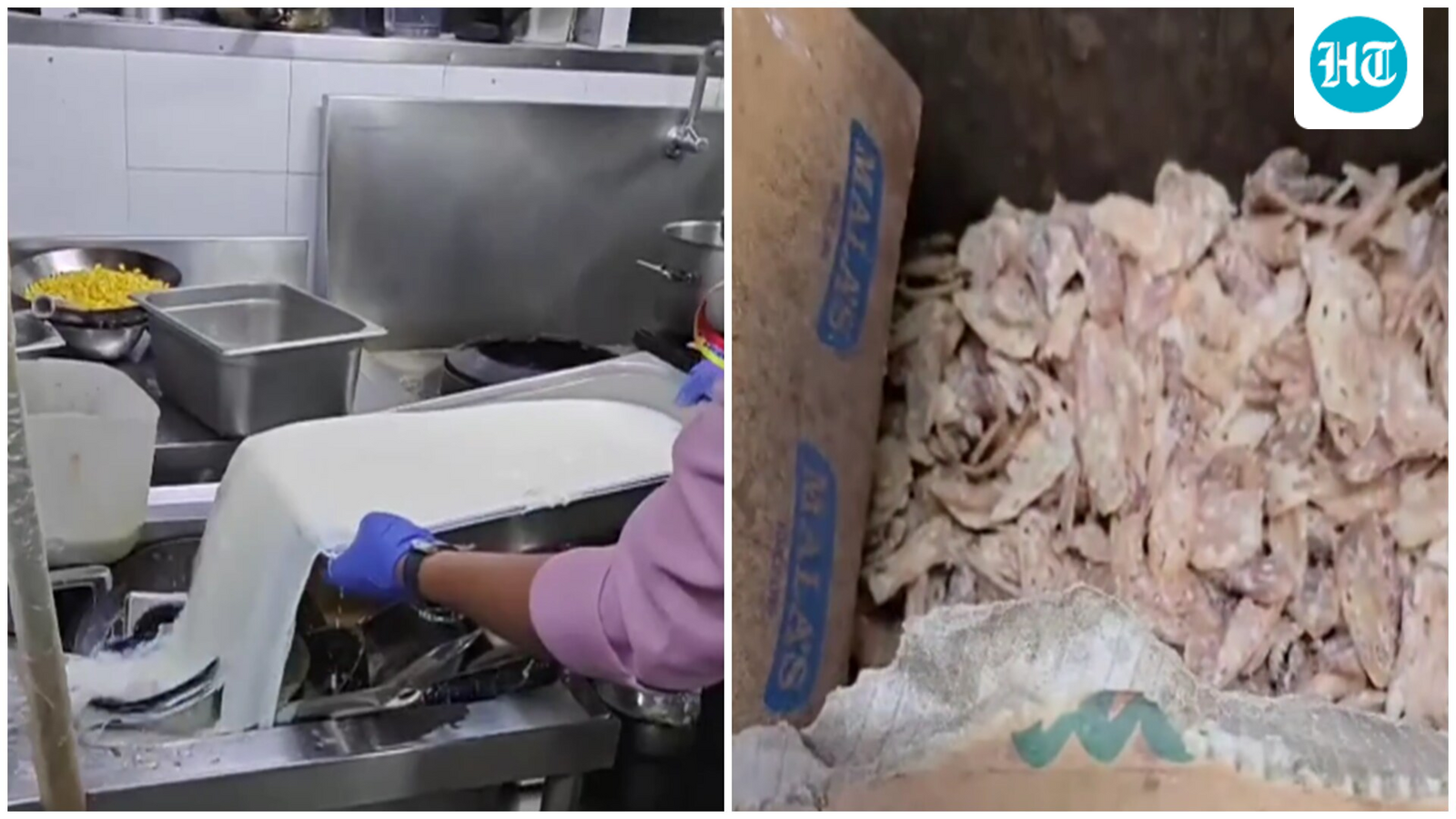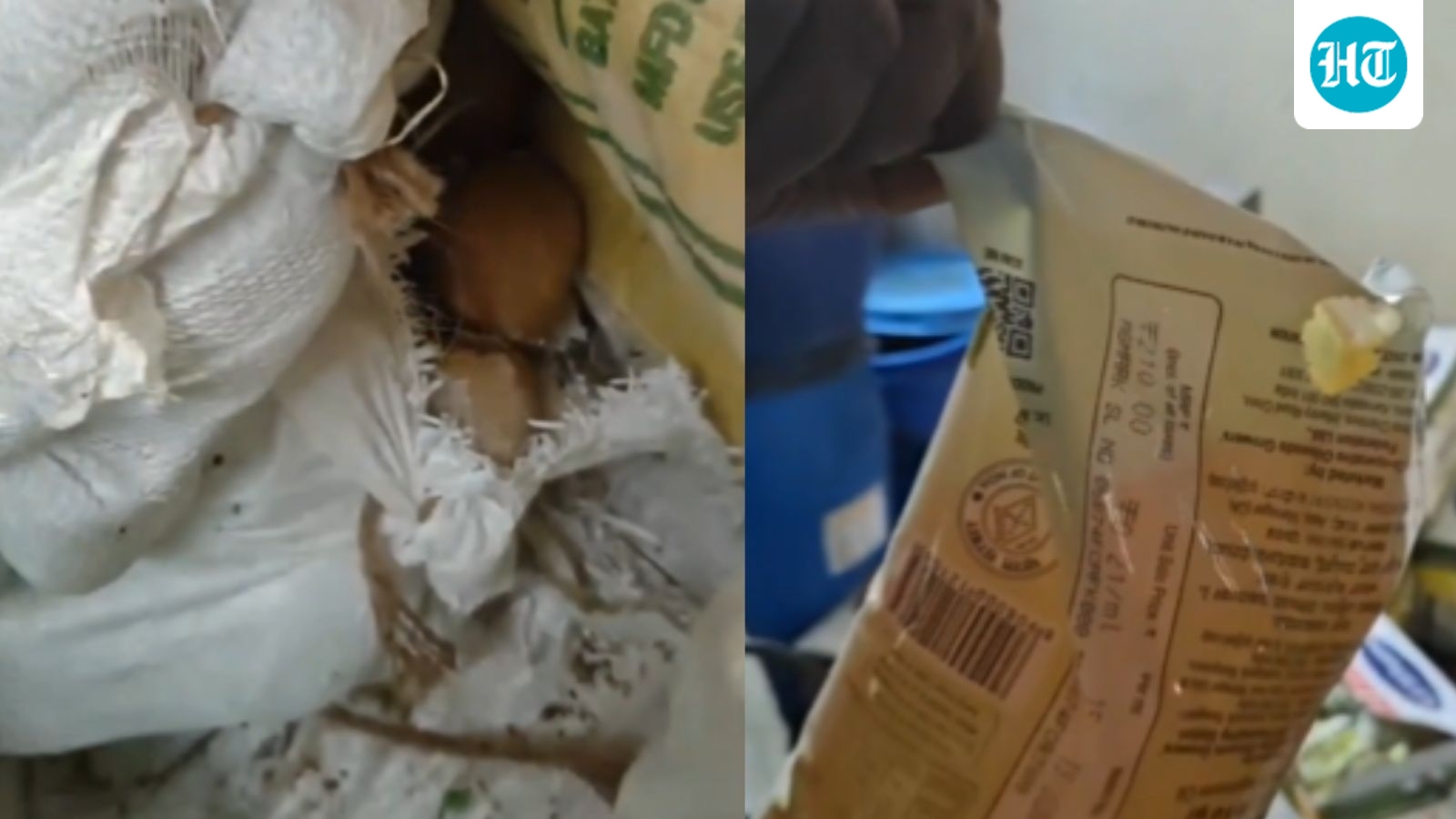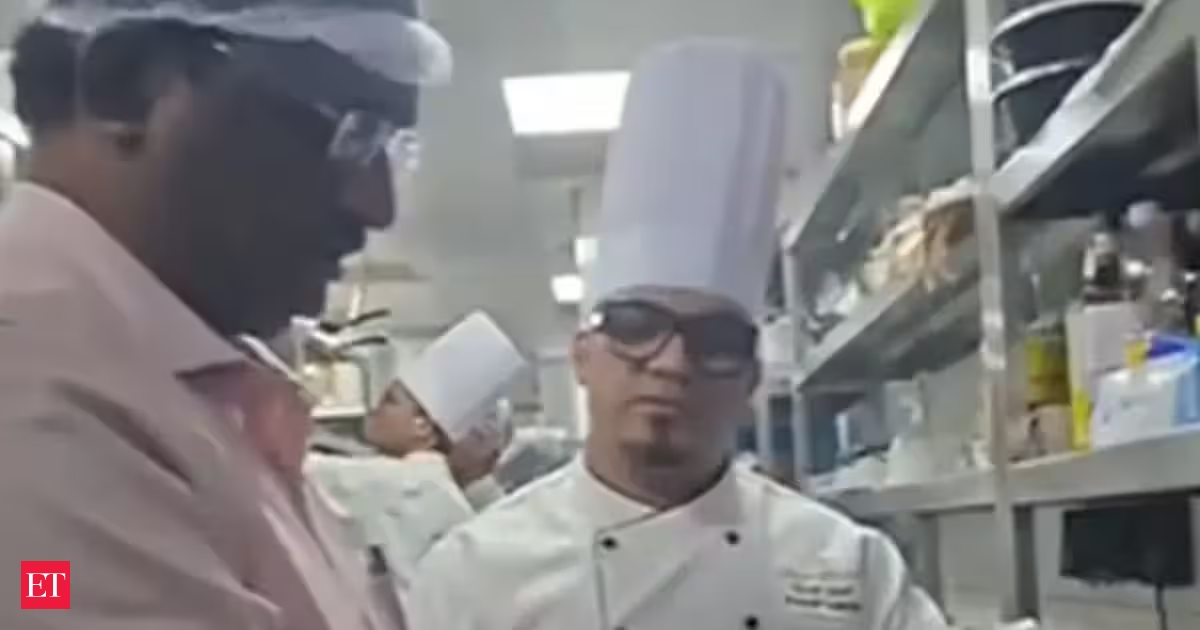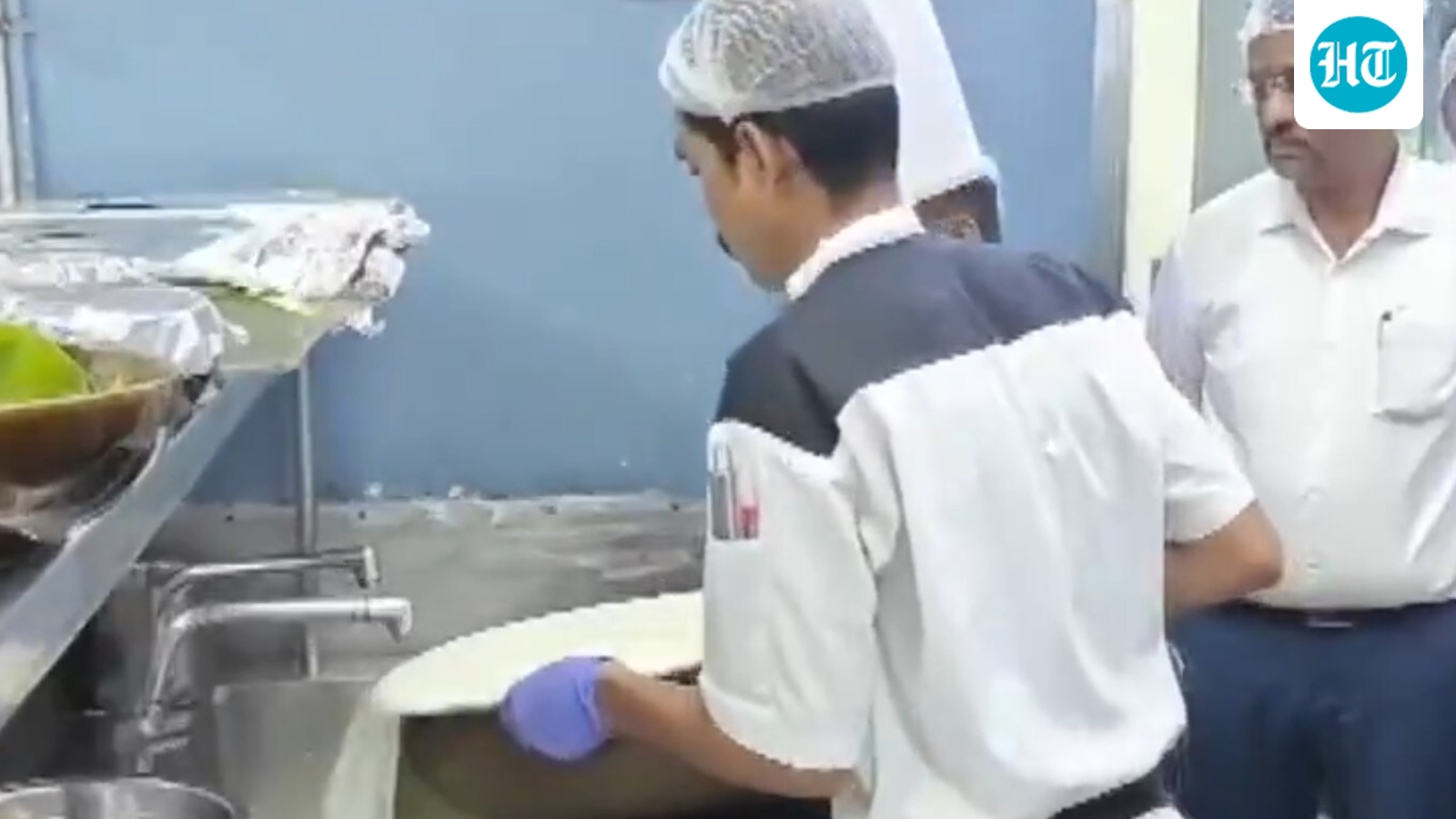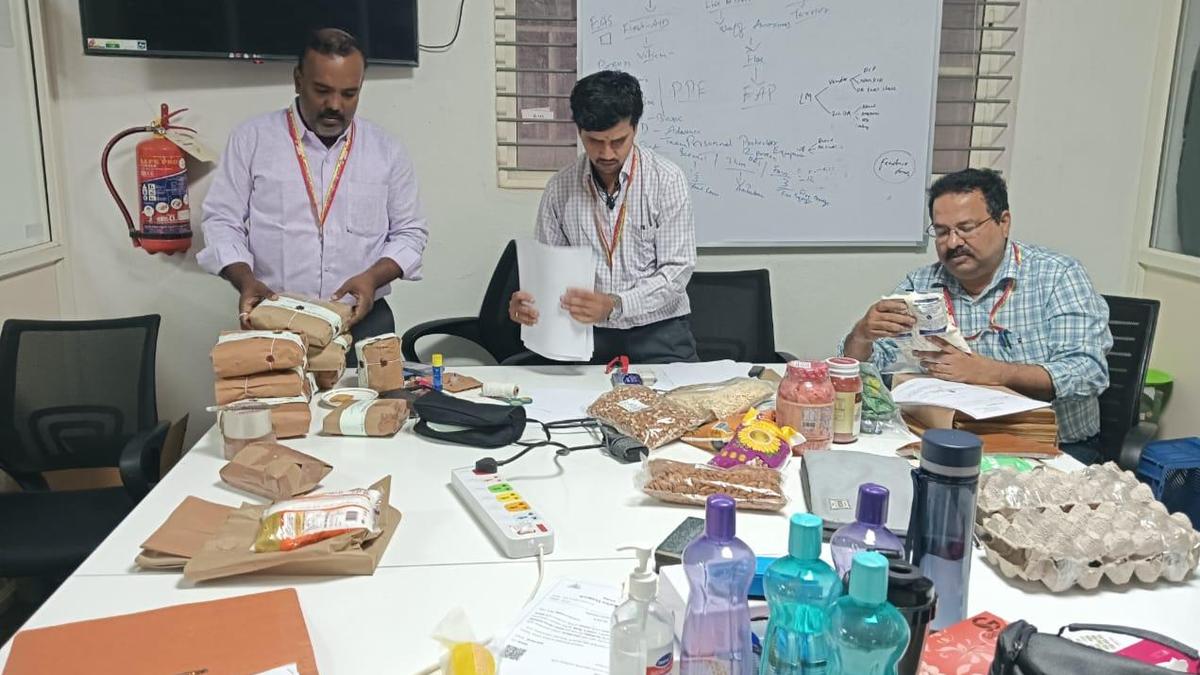
For Bengalureans, food safety inspections over the past few days have challenged an assumption that often goes unquestioned: that a higher-priced meal, a well-known hotel or a familiar brand necessarily comes with better food safety standards.The Karnataka Food Safety and Drug Administration (FSDA) conducted raids, casting its net wide to include roadside eateries, smaller food businesses, three- and five-star hotels, international fast-food chains, government canteens, Indira Canteens and warehouses supplying quick-commerce platforms. The inspections have brought to light expired food, rotten meat and vegetables, mislabelling, poor storage and hygiene practices, and concerns over used cooking oil.The ongoing drive that began on August 7 covered over 60 three-star and five-star hotels in Bengaluru Urban and the Greater Bengaluru area till August 9. Thirty teams collected 77 food samples for laboratory analysis. Officials seized 640 kg of mutton, chicken and fish, 276 kg of rotten or mould-affected vegetables, 45 litres of expired milk and curd, 12 kg of expired bakery products and 67 kg of mislabelled or expired cereals and other food products in three days. Nearly 49 litres of used or non-compliant cooking oil were also seized.The findings have been unsettling for consumers precisely because the inspections were not confined to establishments where poor hygiene is assumed.For Prashanti Naidu, who never hesitated to eat at fine-dining restaurants, the findings came as a shock. “When you eat at a five-star hotel or a fine-dining restaurant, you assume that the standards are automatically higher. You are paying a premium and you expect the ingredients, kitchen and storage to meet that standard. You never imagine that something as basic as expired food could be present in a professional kitchen,” the software professional said.What troubled her was the part of a restaurant that customers never see. “The dining area can be spotless and the food can be beautifully presented. But you cannot see the refrigerator, the storage room or how the raw materials are handled. That is where the real food safety question lies,” she said.What the inspections foundThe hotel inspections revealed expired food products, non-compliant labelling, misbranding, improper storage of meat, fish and poultry, fungal growth in vegetables and inadequate segregation of vegetarian and non-vegetarian food.Officials also found products carrying shelf-life declarations that exceeded the applicable period. In some cases, products with a declared shelf life of one year were found carrying declarations extending to two years. Some imported products had subsequently been repacked.The department has issued notices and recommended cases before the respective adjudicating officers. Kitchens at high-end pubs and restaurants in malls were seized or closed for enforcement action. The food articles found unsafe or unfit for consumption were subsequently disposed of in accordance with the prescribed procedure.
Safety not on the platter: Bengaluru’s food safety checks expose gaps, from star hotels to quick-commerce warehouses
Bengaluru's recent food safety inspections reveal significant lapses in hygiene and standards across various dining establishments, challenging consumer assumptions.
2,257 words~10 min read