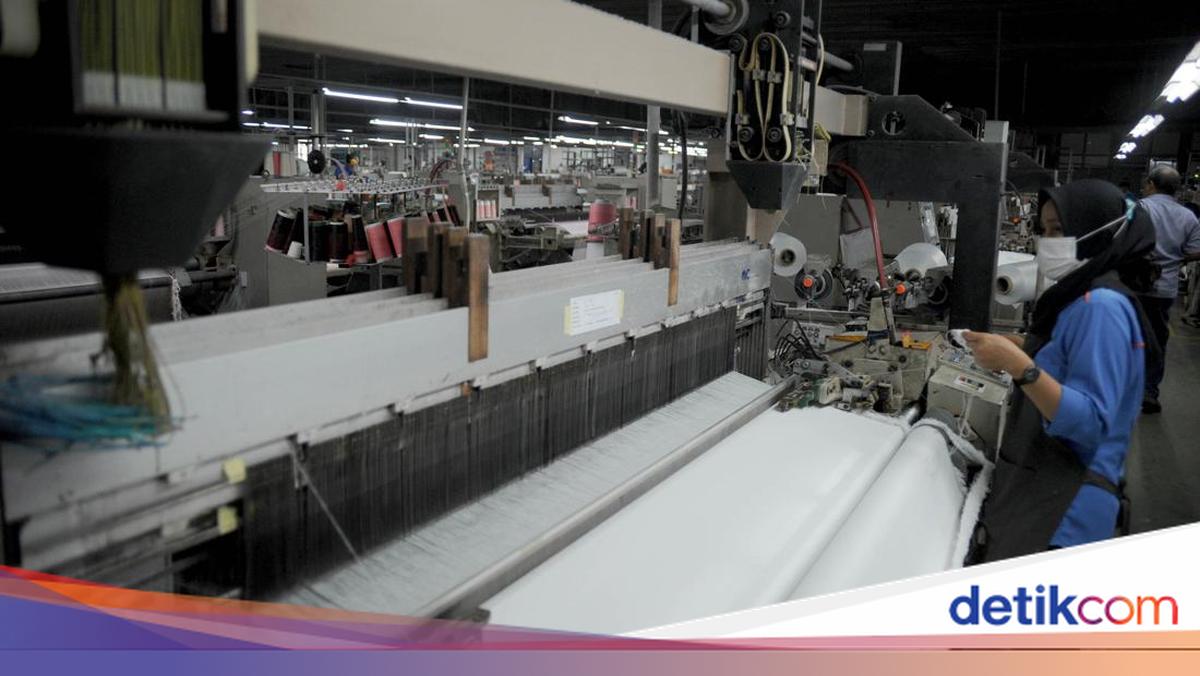
Indonesia’s textile exports are expected to grow by up to 4 percent in 2027, but weak supply-chain integration and outdated machinery are keeping the the industry from reaching its full potential.
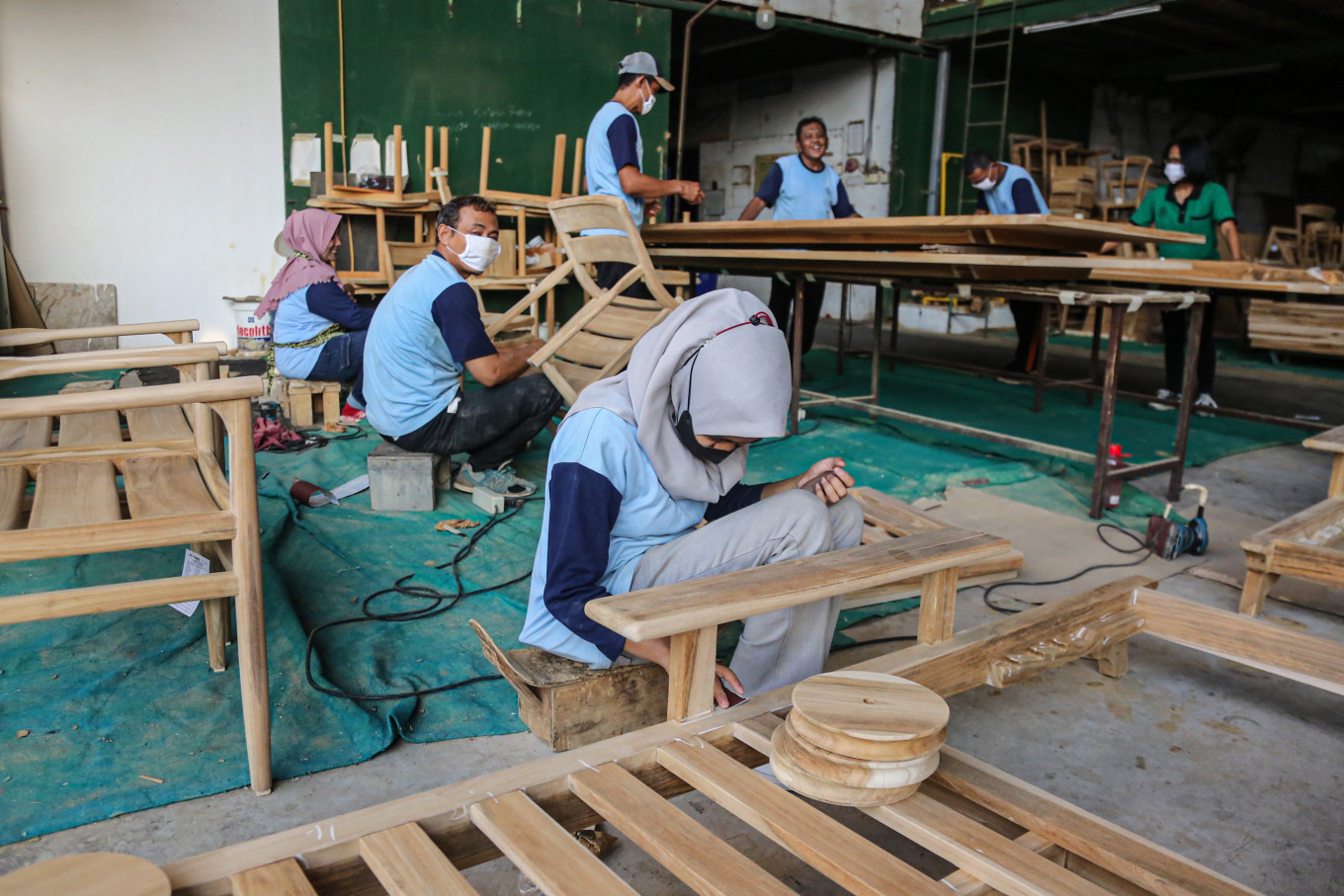
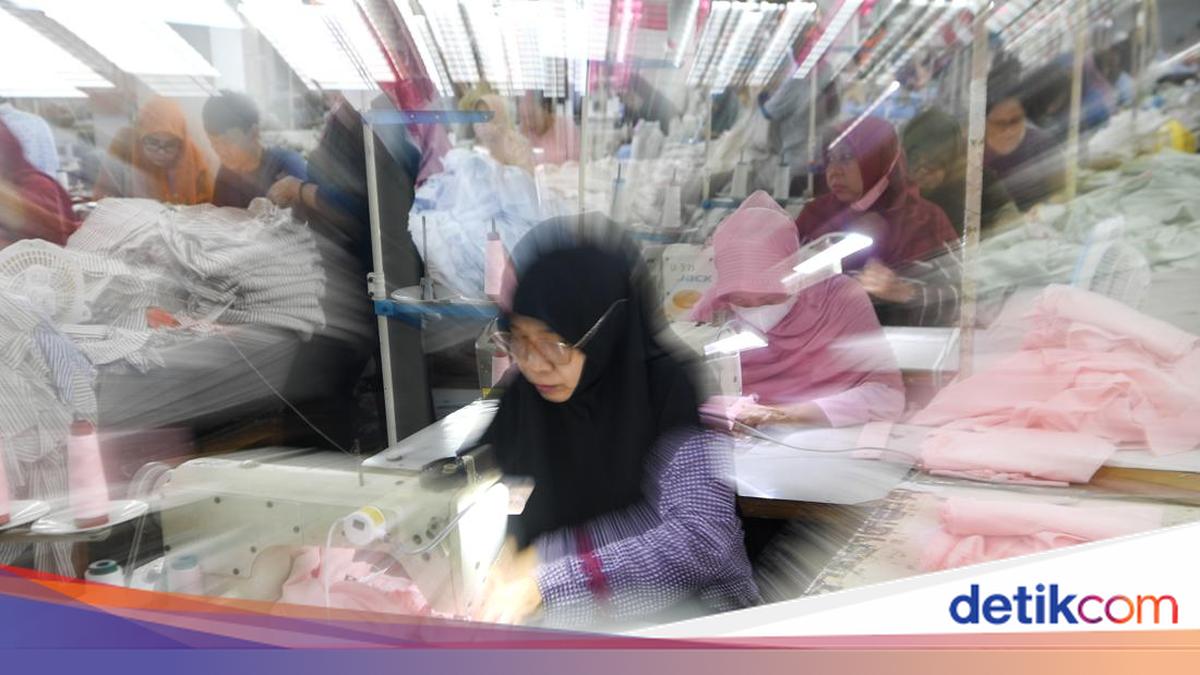
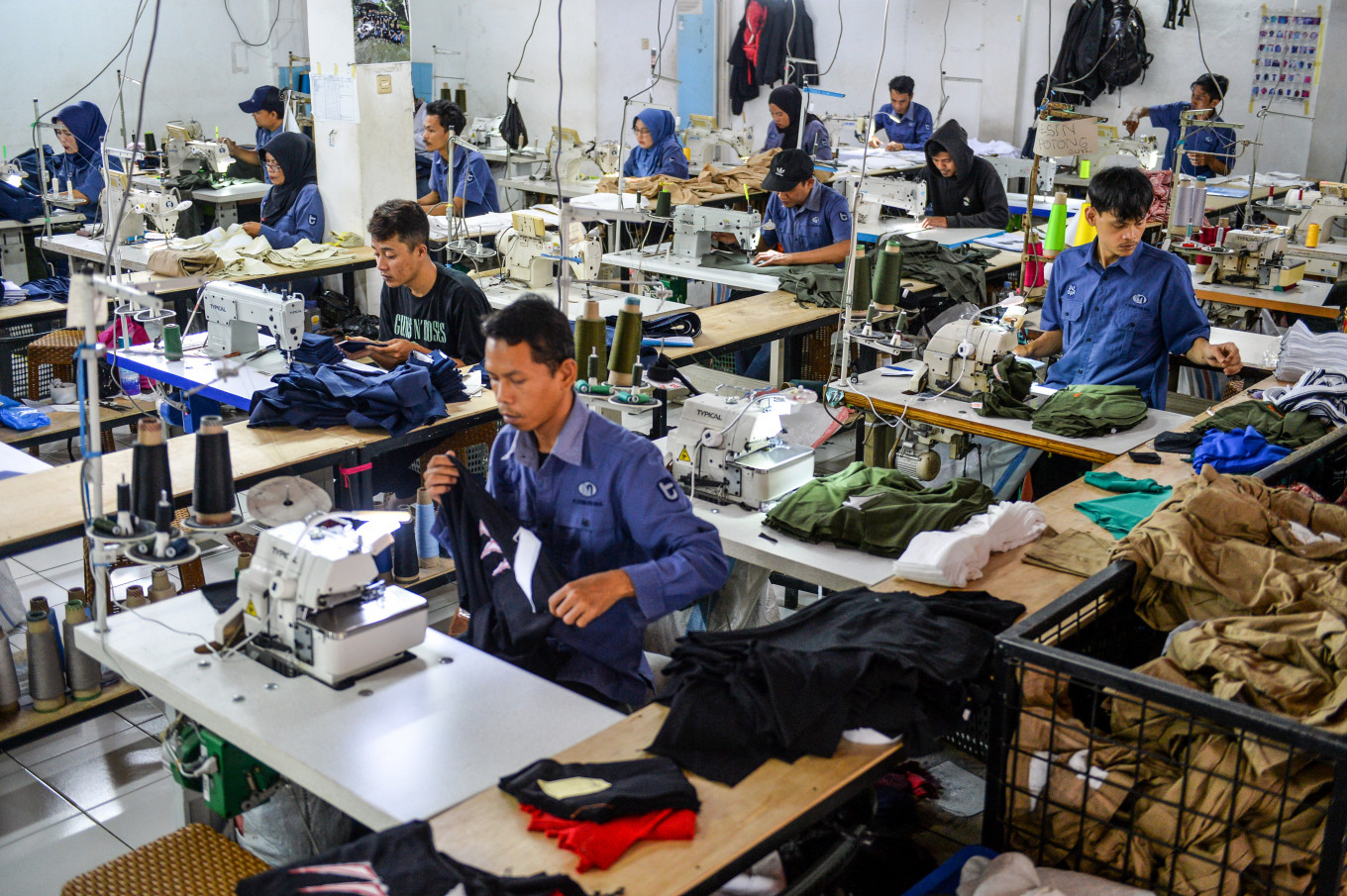
Workers produce clothes on Oct. 29, 2025, at the Tectona textile factory in Pameungpeuk, Bandung Regency, West Java. (Antara/Raisan Al Farisi)
The Indonesian Export Financing Institution (LPEI) projects a 2 to 3.2 percent increase in textile exports this year and 3.5 percent to 4 percent in 2027 as global demand recovers, but manufacturers need modernized machinery and greater efficiency to capitalize on the improving market.Finished fabric products account for around 74 percent of the country’s total textile and textile products (TPT) exports, according to the LPEI, which says sustaining the export performance will depend on strengthening supply chains as global buyers increasingly demand quality, timely delivery, traceability, compliance with international standards and sustainable materials.
“The projection for textile export growth in 2026 and 2027 is based on a gradual recovery in demand, particularly for textile and apparel products that have added value, consistent quality and sustained orders,” LPEI executive director Sukatmo Padmosukarso told The Jakarta Post on Aug. 7.