All stakeholders must do more to protect our women
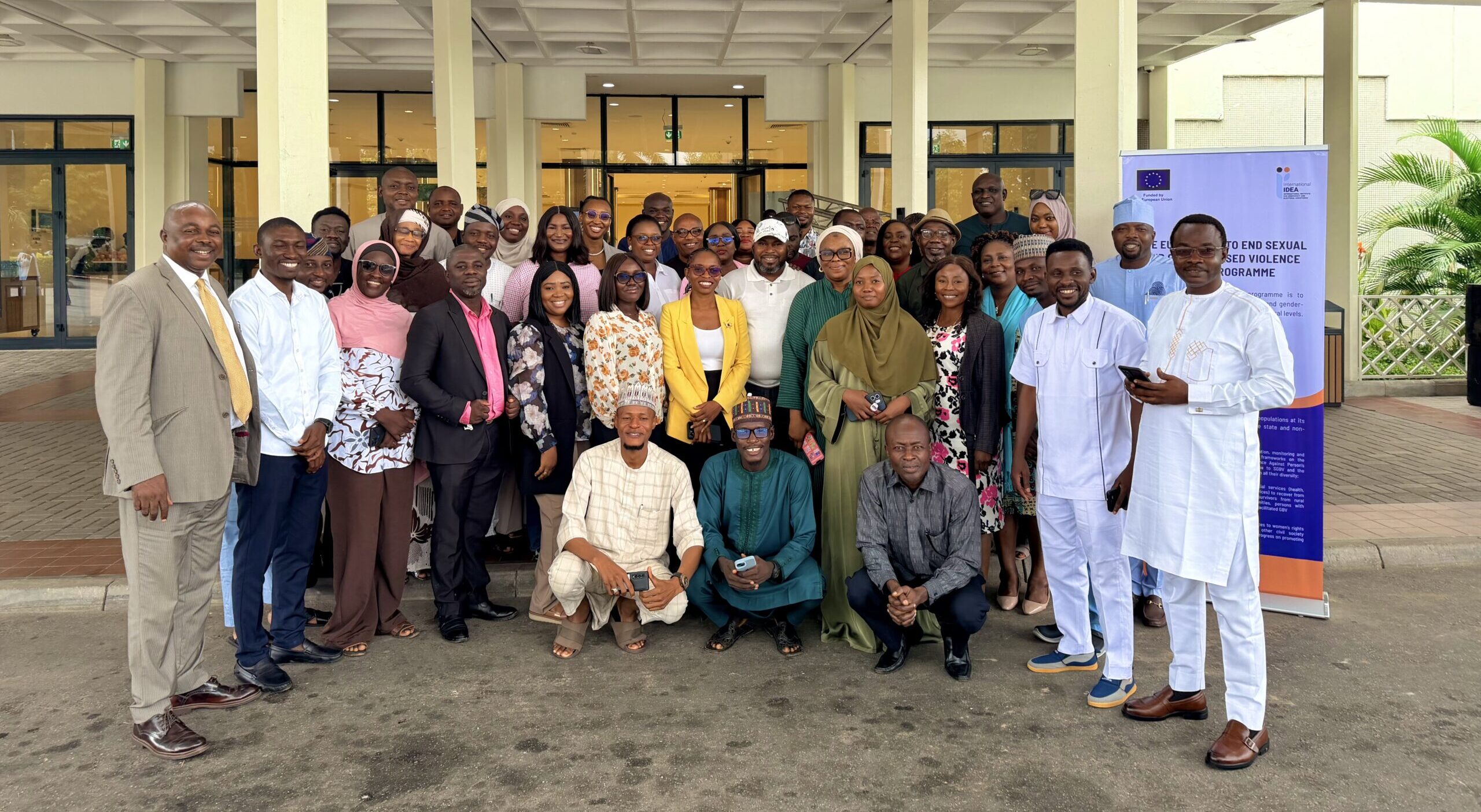
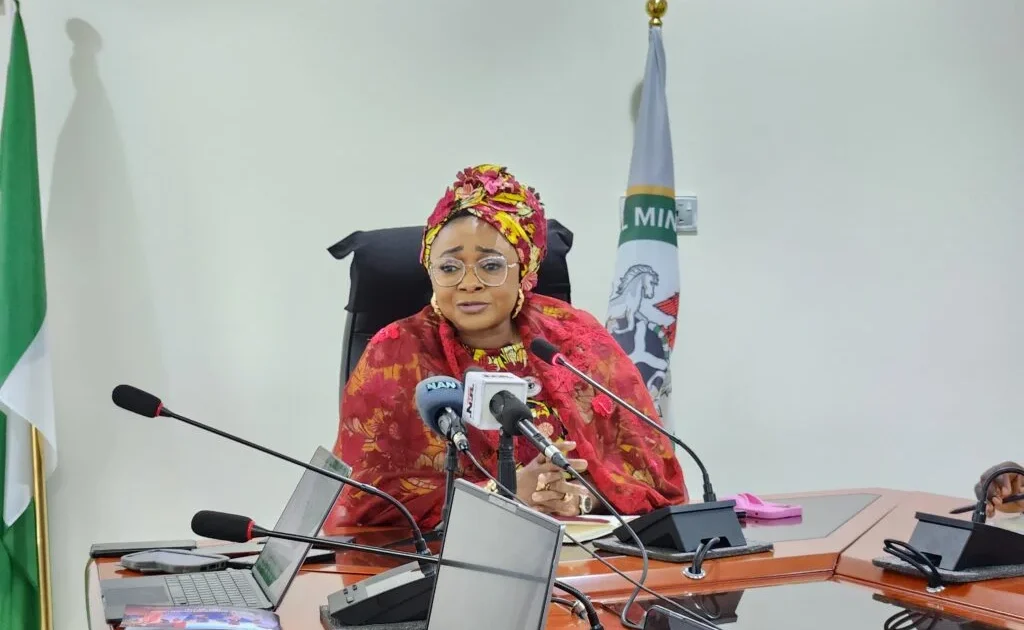
That violence continues to manifest itself in new forms and trends against women and girls in Nigeria is no longer a matter of conjecture. One in every five Nigerian women aged 15 to 49 has experienced physical or sexual violence, according to the latest statistics from the National Agency for the Prohibition of Trafficking in Persons (NAPTIP). The report emerged last Tuesday during their collaboration with the European Union (EU) and International Institute for Democracy and Electoral Assistance (International IDEA) on how the media could be used to challenge institutional failures and break the culture of silence surrounding sexual and gender-based violence (SGBV) in the country.
Despite the stringent provisions in the Violence Against Persons Prohibition (VAPP) Act 2015, there is hardly a day without a report of a man visiting violence either on his spouse or girlfriend. The law prohibits, among others, abandonment of spouse, children and other dependents without sustenance, battery, and harmful traditional practices. It provides a legislative and legal framework for the prevention of all forms of violence against vulnerable persons, especially women and girls, and prohibits economic abuse, forced isolation and separation from family and friends.