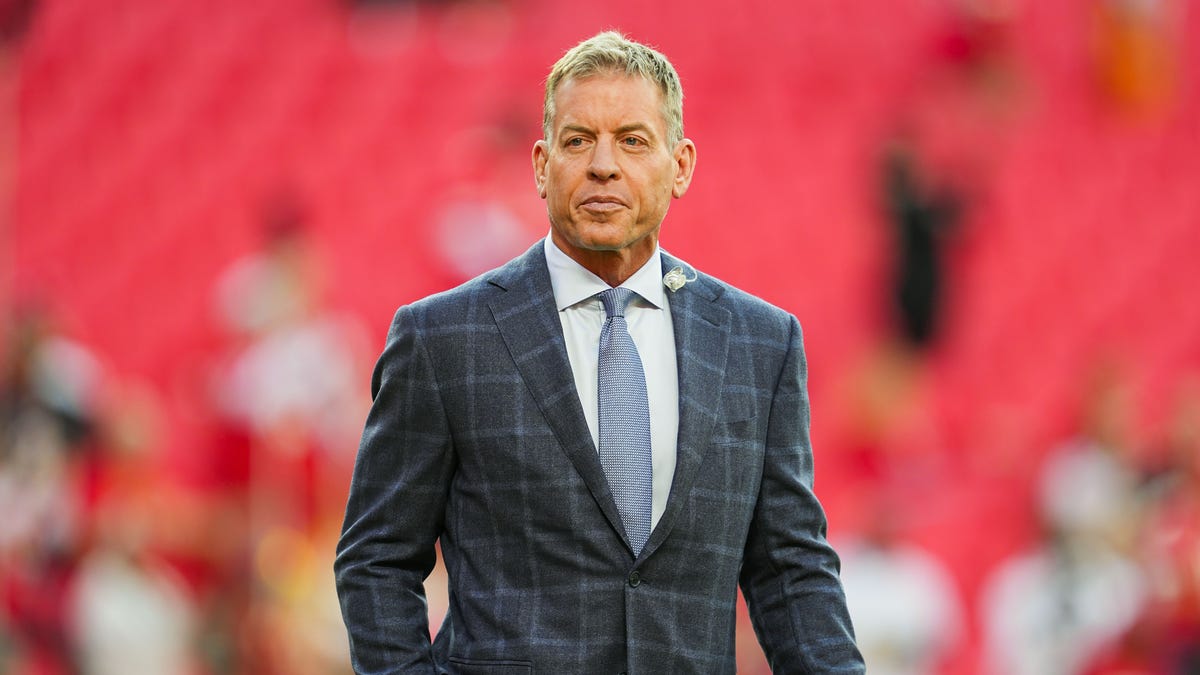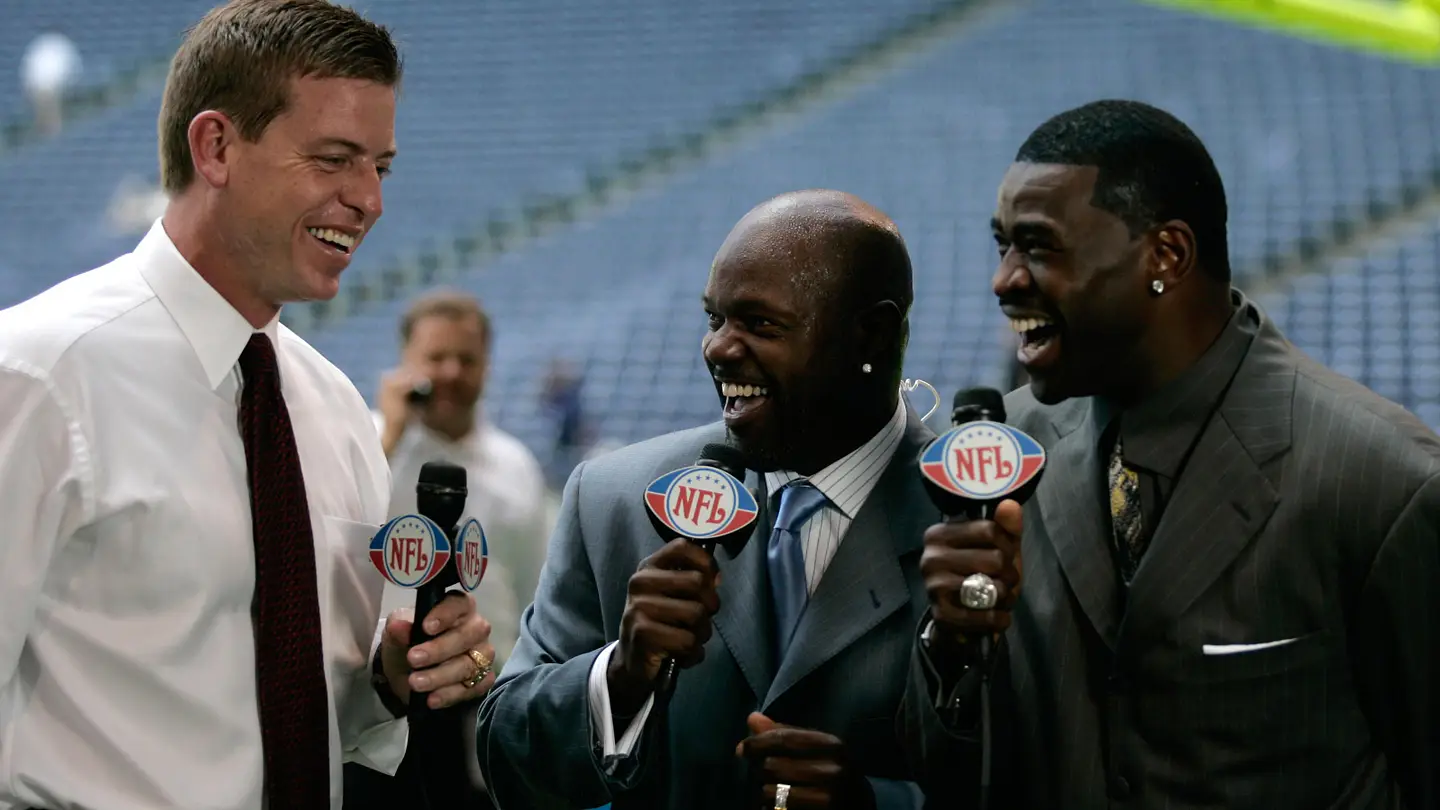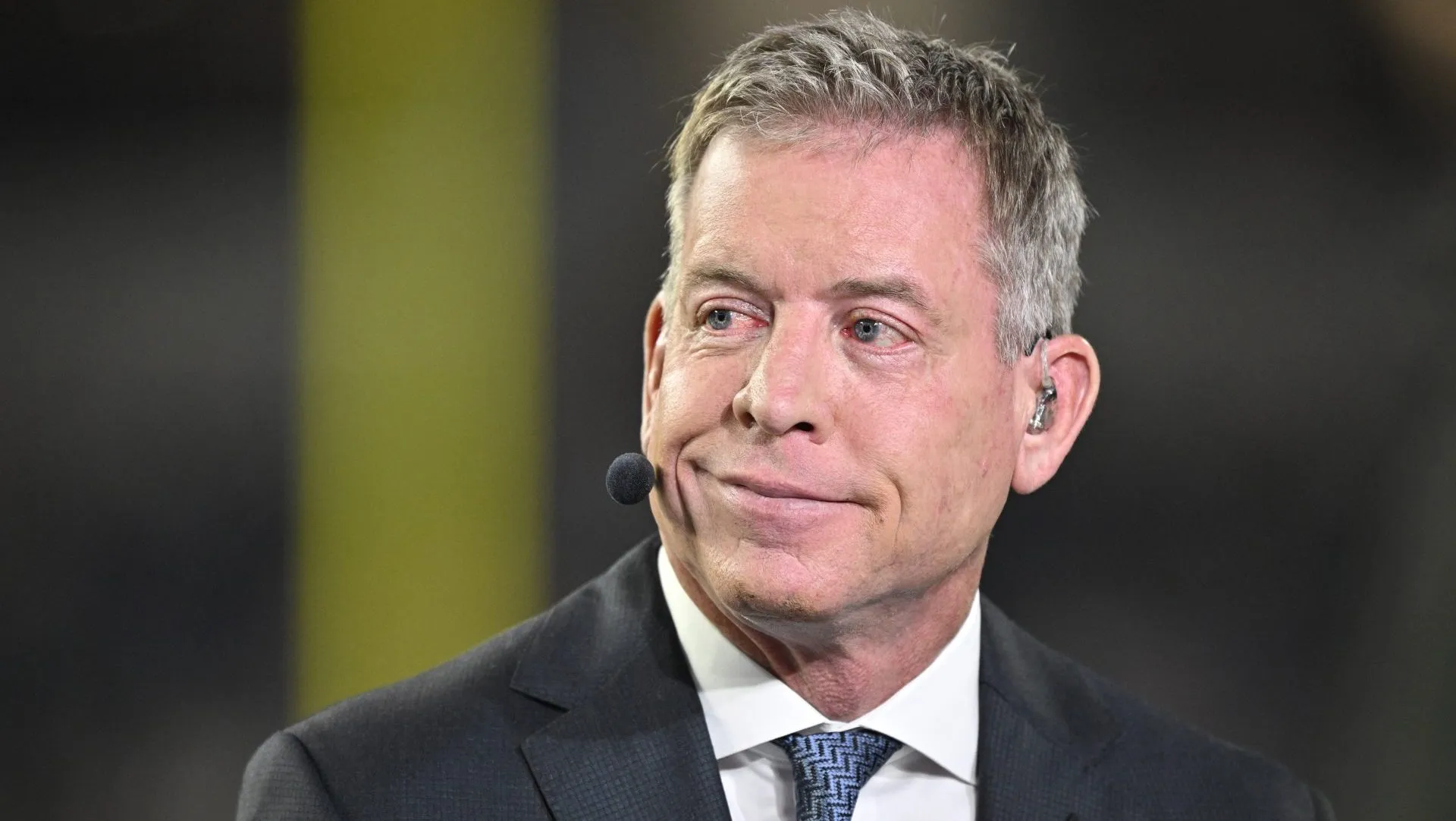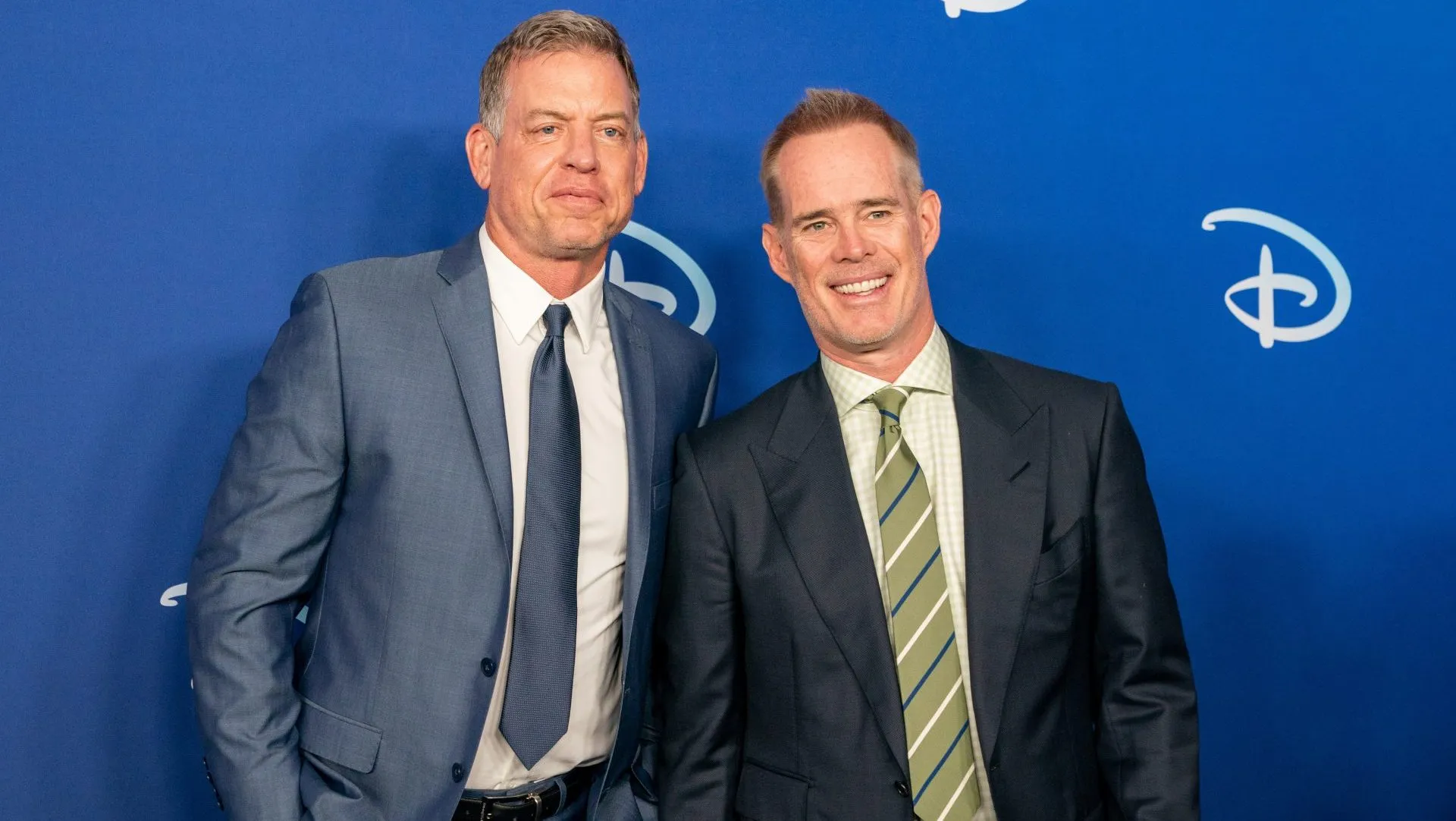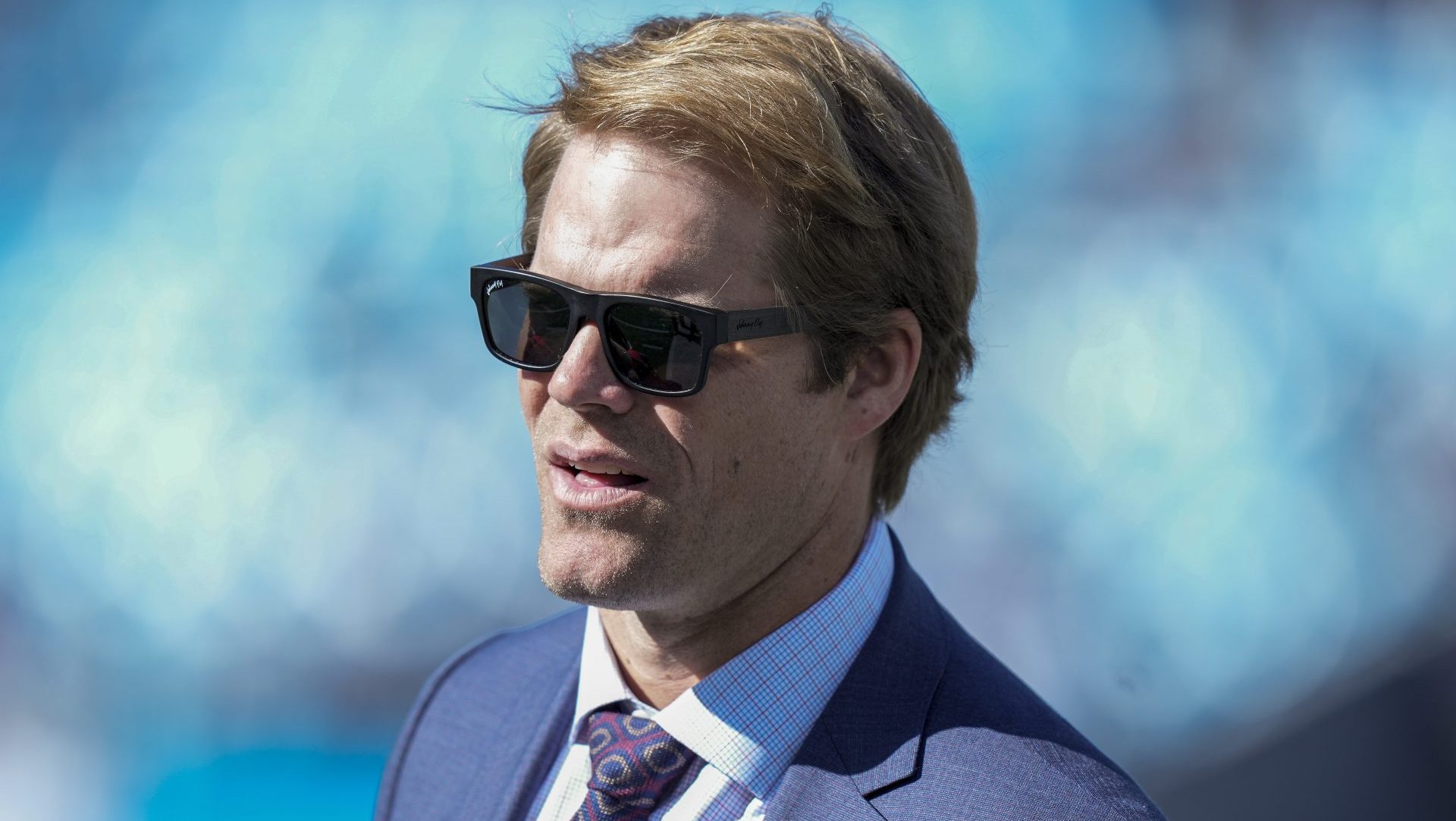
Earlier this year, Hall of Fame quarterback and ESPN’s lead color commentator Troy Aikman added another role to his list of responsibilities. The Miami Dolphins hired Aikman as a consultant to aid in their search for a new general manager.After Aikman influenced the team’s hiring of Jon-Eric Sullivan as general manager and Jeff Hafley as head coach, the Dolphins decided to keep Aikman in the mix with the organization’s front office.In an appearance on the “Dallas Dialogue with Dale” with retired Dallas-area broadcaster Dale Hansen, Aikman was asked about the conversation surrounding his involvement with the Dolphins being a possible conflict of interest with his job as a broadcaster.“I get it, and I’ve talked to the commissioner,” Aikman said. “He’s fine with what I’m doing and my role. But I think that anyone that’s behind a mic that’s calling a game, there’s a conflict of interest because you have relationships in this business. I’ve been doing it for 25 years, and I have friendships every week that I call a game, whether it’s a head coach or an offensive coordinator or a player, or whoever it is. I would argue that every broadcaster has a conflict when they’re calling a game.“How that plays in — and I’ll just be very transparent. I mean, I don’t know if I’ll come out right away and say, ‘Hey, I’ve been involved in doing this,’ because it’ll be a year from now, but I think as long as you’re up front with the viewer and let them know the deal, then they can take away from that whether or not you’re biased in your analysis.”What if Drew Brees signed with the Dolphins?Larry Holder and Jeshua KiddBefore Aikman took on the role with the Dolphins, questions swirled about Tom Brady, who accepted a role as Fox’s lead color analyst and later became a minority owner of the Las Vegas Raiders. In 2024, during Brady’s rookie season as an analyst, the league implemented the “Brady Rules” as guardrails between his roles as a minority owner and broadcaster, which included a ban on attending production meetings with coaches leading up to calling a game. The rules were initially suspended when Brady was on the call for the Super Bowl, wrapping up his first season in the booth. By the time his second season began last year, the “Brady Rules” had been eliminated.Brady addressed the conflict-of-interest discussion in an early-season edition of his weekly newsletter last season, in which he blamed “paranoia and distrust” for why people took issue with him juggling the two roles in the league.“I love football. At its core it is a game of principles,” Brady wrote. “And with all the success it has given me, I feel I have a moral and ethical duty to the sport; which is why the point where my roles in it intersect is not actually a point of conflict, despite what the paranoid and distrustful might believe.”The conflict-of-interest element has multiple sides. There is the side of the dialogue that Aikman addressed, about whether it would or wouldn’t influence how he did his job as a broadcaster. If there was any question whether Aikman’s role with the Dolphins would prevent him from being critical of the team, his comments explaining why that won’t be the case offered a dose of objectivity.“The Dolphins are not expected to be very good this year,” Aikman said. “They’re getting out of cap hell, so there’s no Monday Night (Football) game with the Dolphins this year.”The other side of the coin is how Aikman’s role as a broadcaster, and all the tools and resources that come with it, could give the Dolphins an advantage that other teams may not have. That part of it was not addressed by Aikman, but it’s a perspective that has followed Brady, too, such as Brady being on the call for multiple Seattle Seahawks postseason games last season before hiring their offensive coordinator, Klint Kubiak, to be the new head coach of the Raiders.In the interview with Hansen, Aikman shared how his role with the Dolphins originated. He said he received a call in December from Daniel Sillman, the son-in-law of Dolphins owner Stephen Ross.“(The Dolphins) were in need of a general manager,” Aikman said. “I guess (Sillman) reached out to a number of people and asked who they felt could help them in their search. My name kept coming up, so he reached out and asked if I’d be willing to help. I told them that I would, and the reason I did is because I’ve been asked a lot over the years if I had any interest in being a general manager.“I always thought that’s what I would do when I retired, quite honestly. I thought I’d get involved in a front office, and then things didn’t happen, for various reasons. But this provided me an opportunity to kind of get involved.”Aikman said he was initially concerned that he wouldn’t be able to give the Dolphins what they wanted from him as a consultant. After a few days of thinking it over and asking others whether he could do what was required, Aikman decided to give it a shot. He spoke highly of the Dolphins’ decision to hire Sullivan as general manager and Hafley as head coach, as well as of Ross as a team owner.Aikman also said that, despite enjoying the new role in a part-time capacity, he has no immediate plans to leave the booth.“Going forward, I have no plans to leave ESPN,” Aikman said. “I’m enjoying my broadcasting career as much as I ever have, so it doesn’t afford me the time that I think it would require if I were to give the Dolphins more than what I’ve given them up to this point. But I am a resource for them. No official title.“Who knows, maybe that might change at some point when I decide to walk away from broadcasting and if I still want to get involved and stay involved with an NFL team. But I’ve really enjoyed it.”
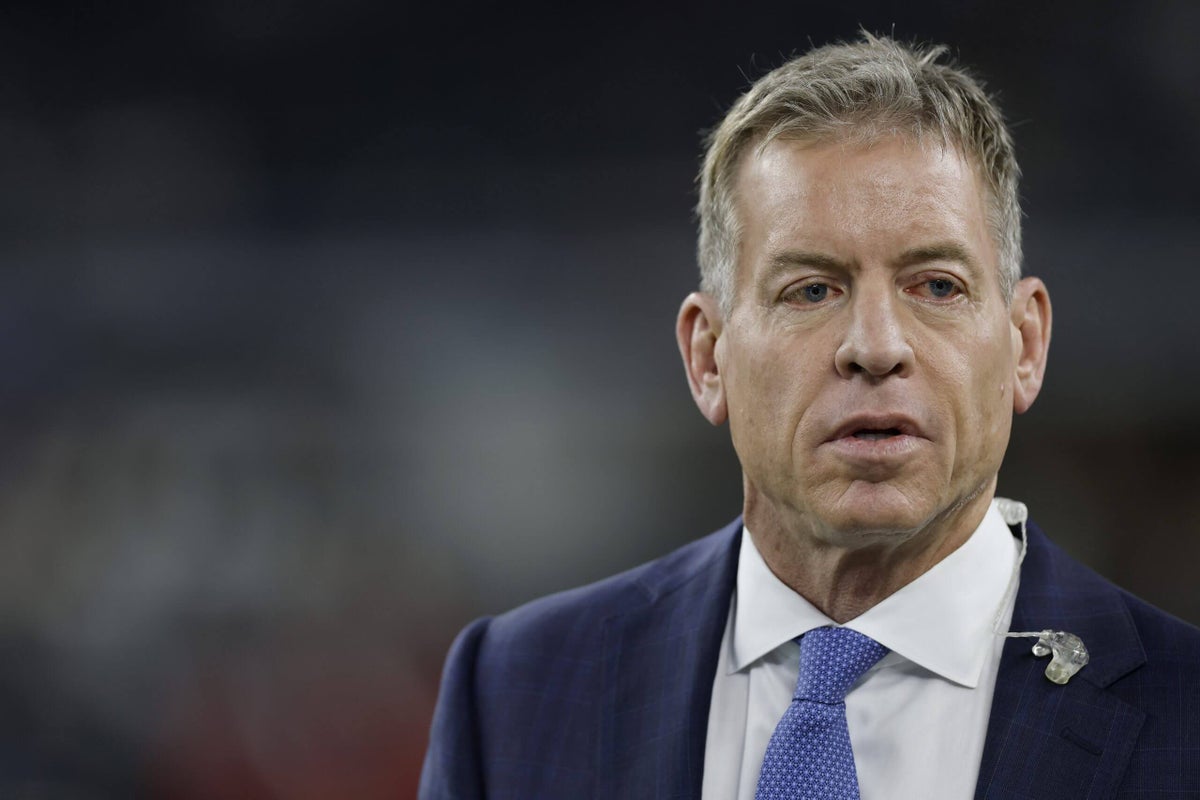
Troy Aikman addresses conflict-of-interest concerns as analyst and Dolphins consultant
In an appearance on the "Dallas Dialogue with Dale" podcast, Aikman discussed balancing being a broadcaster with his role with the Dolphins.
1,025 words~5 min read