Show Caption
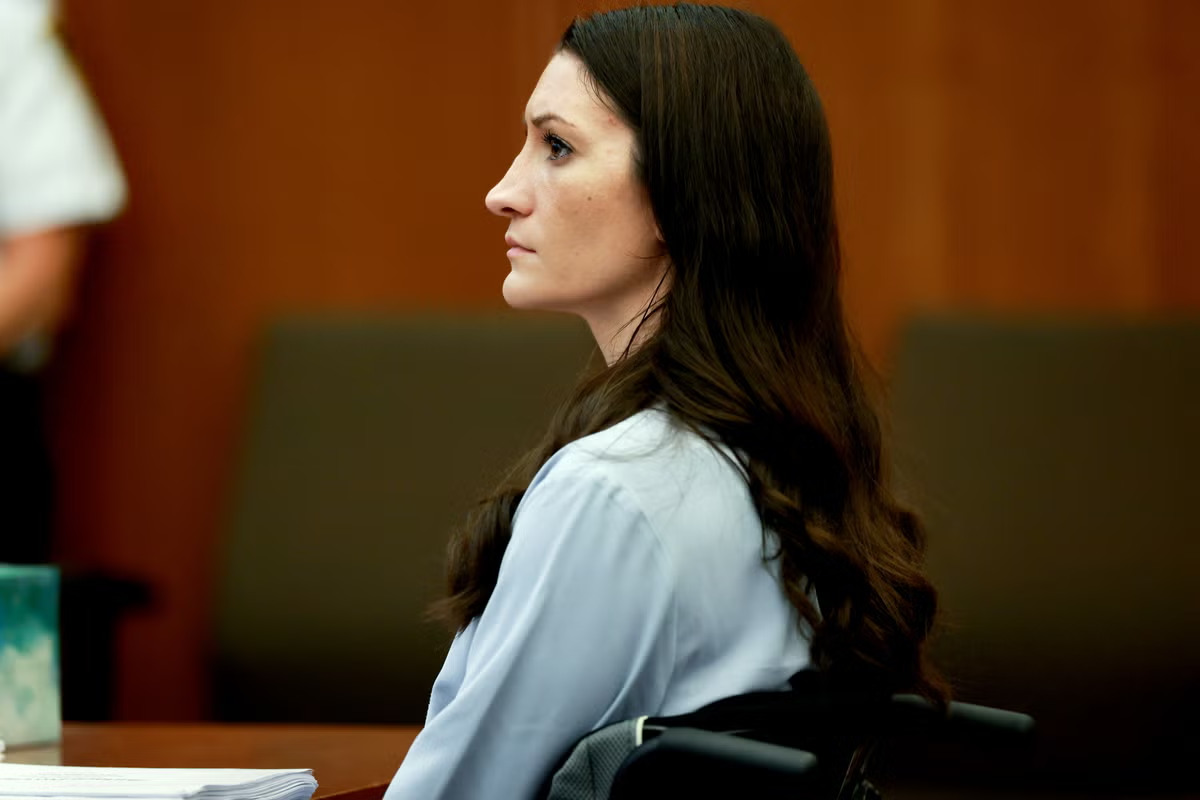
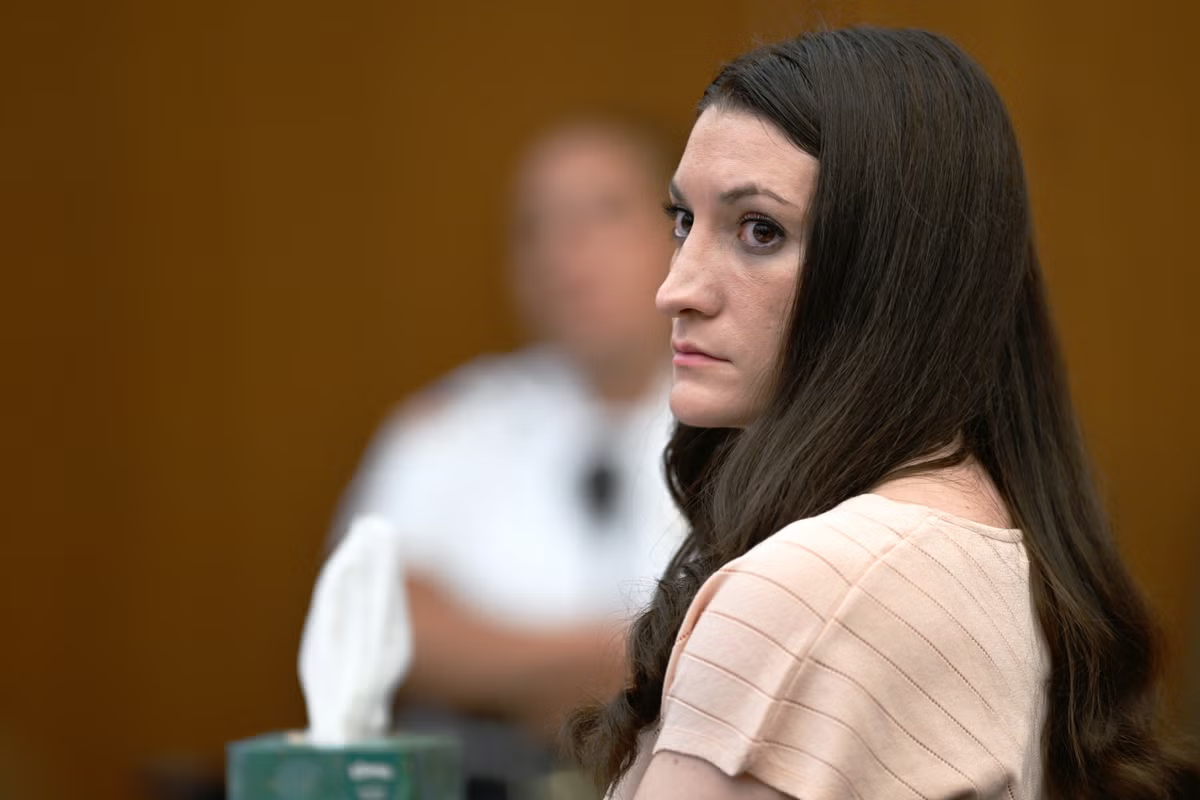
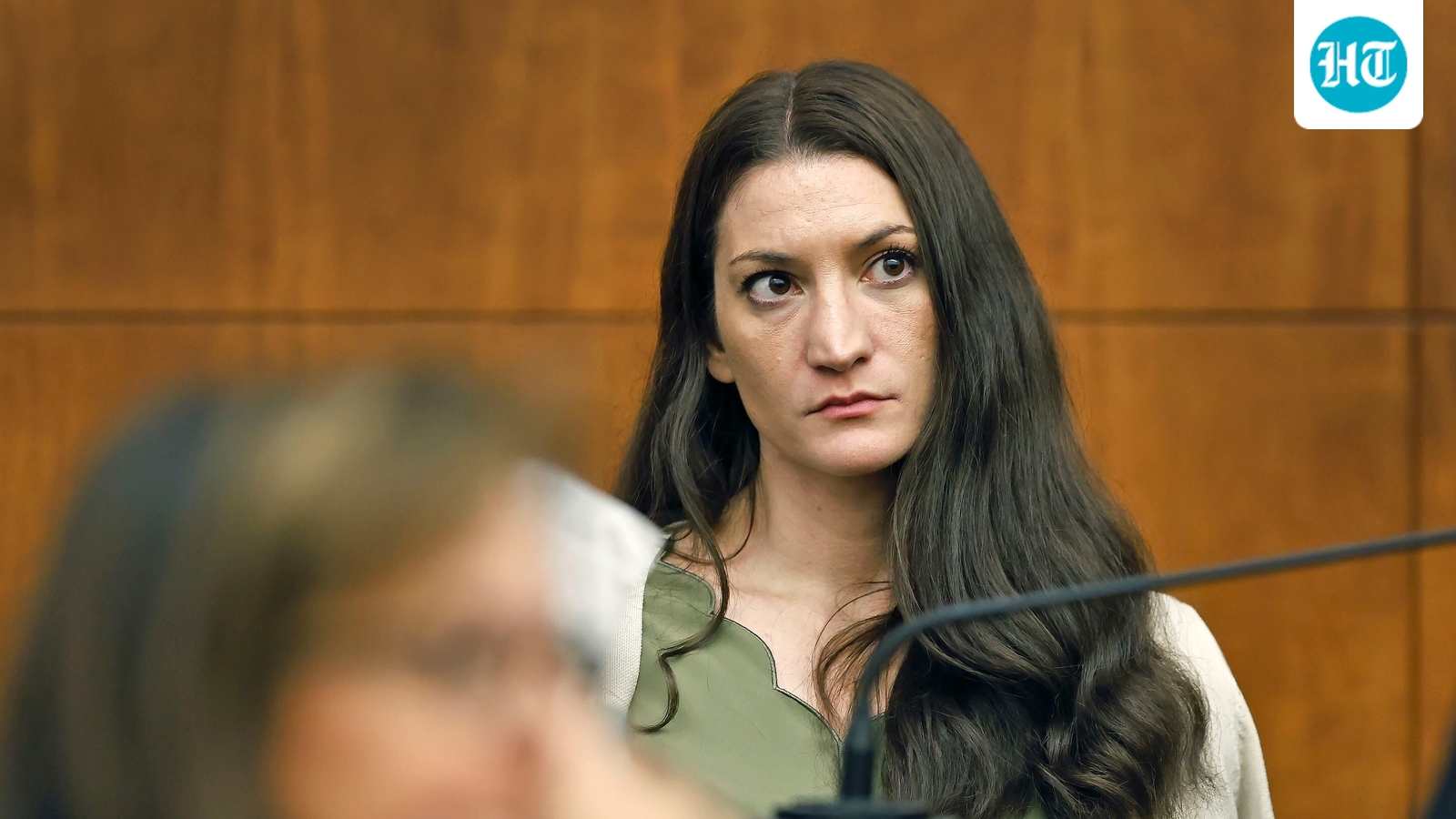
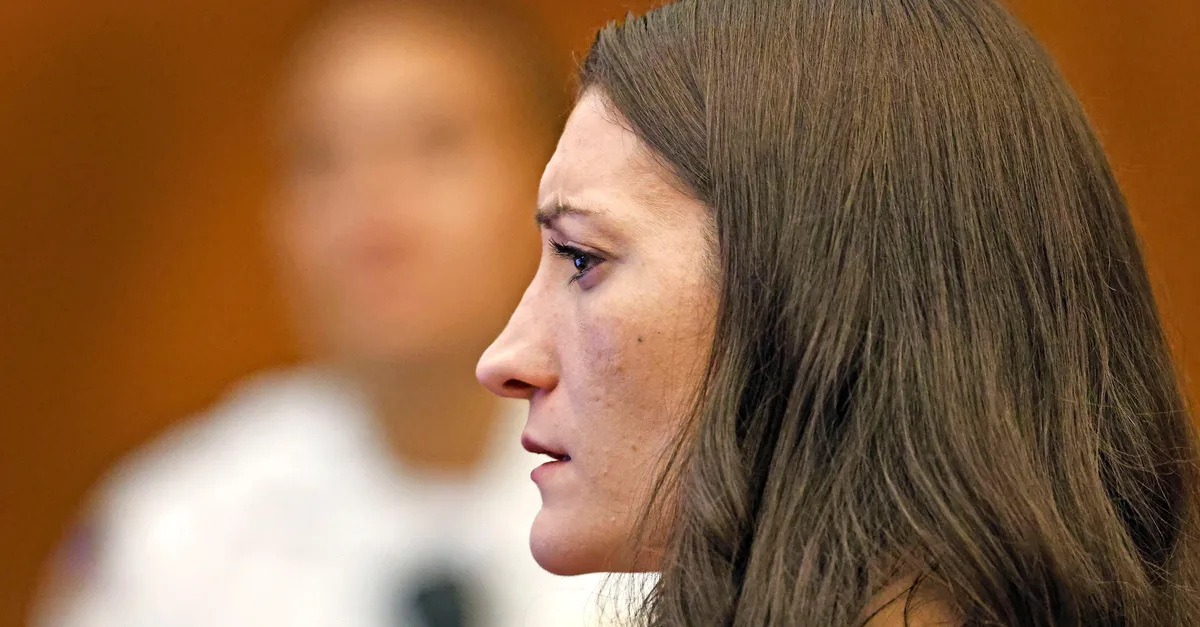
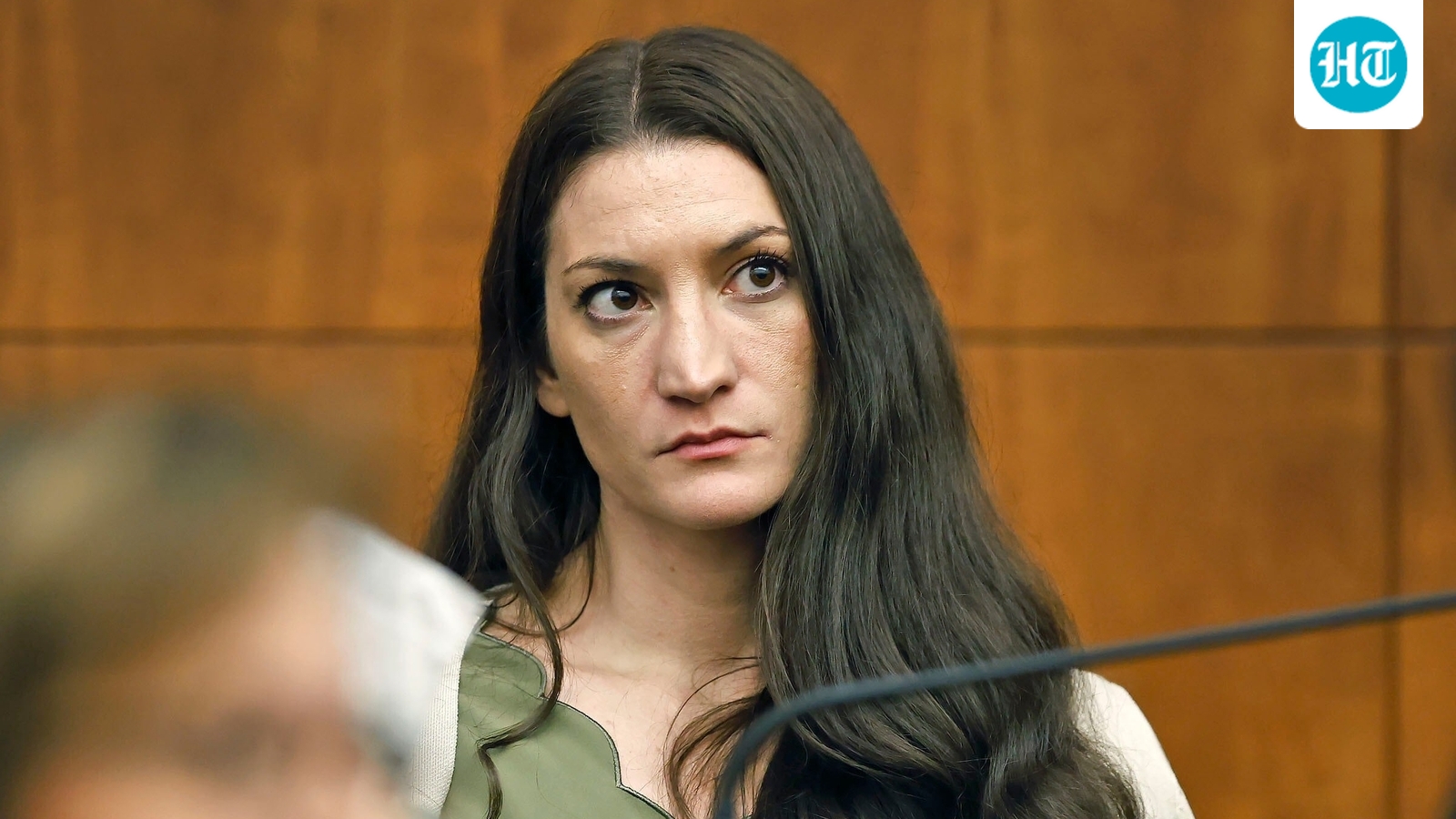
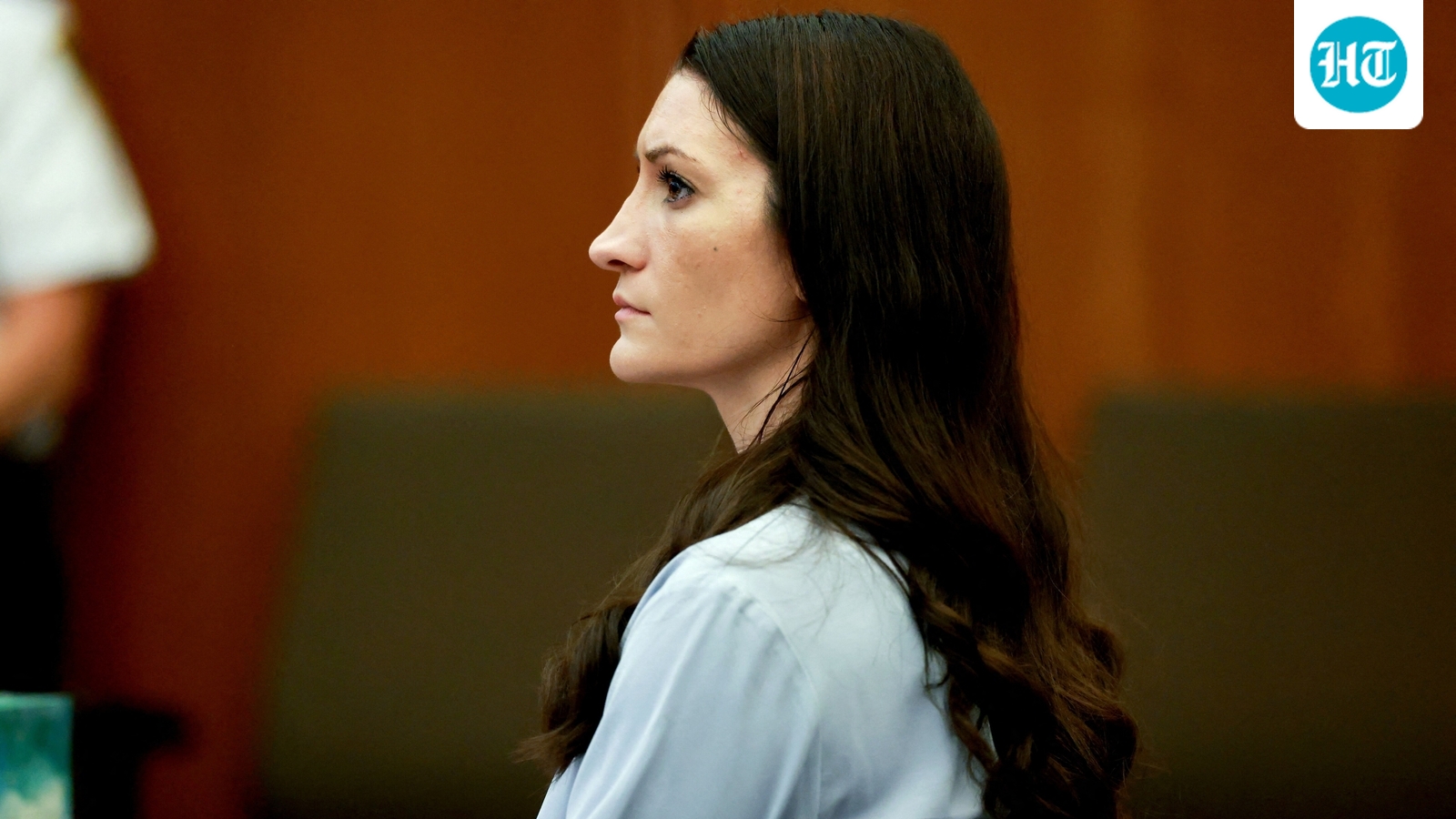
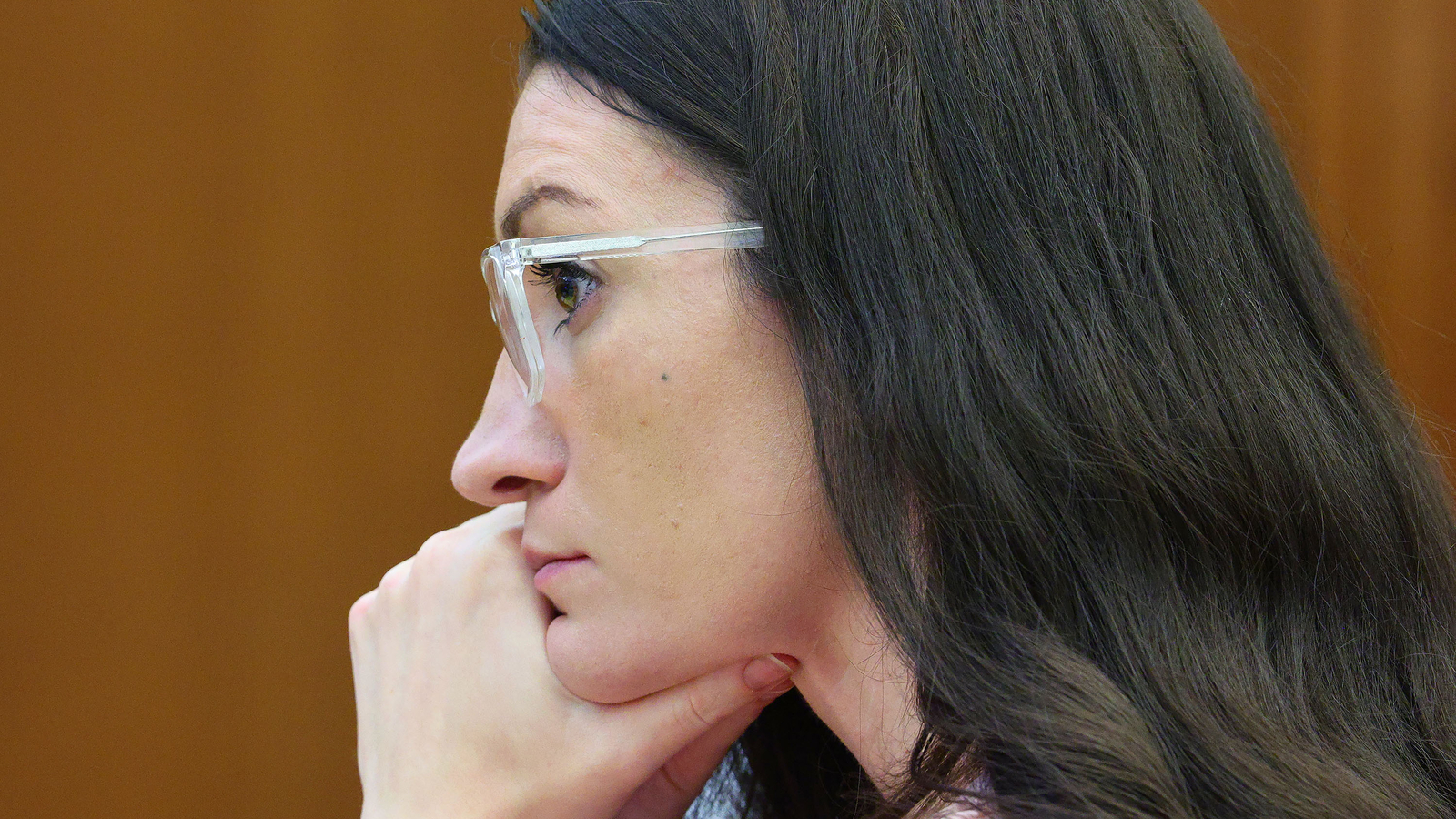
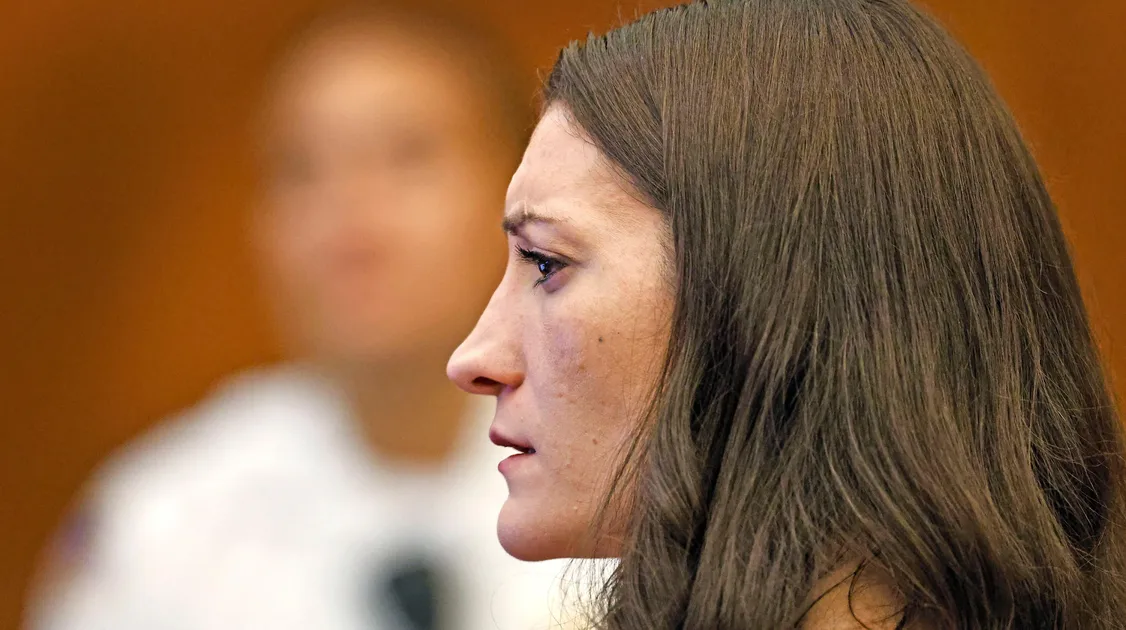
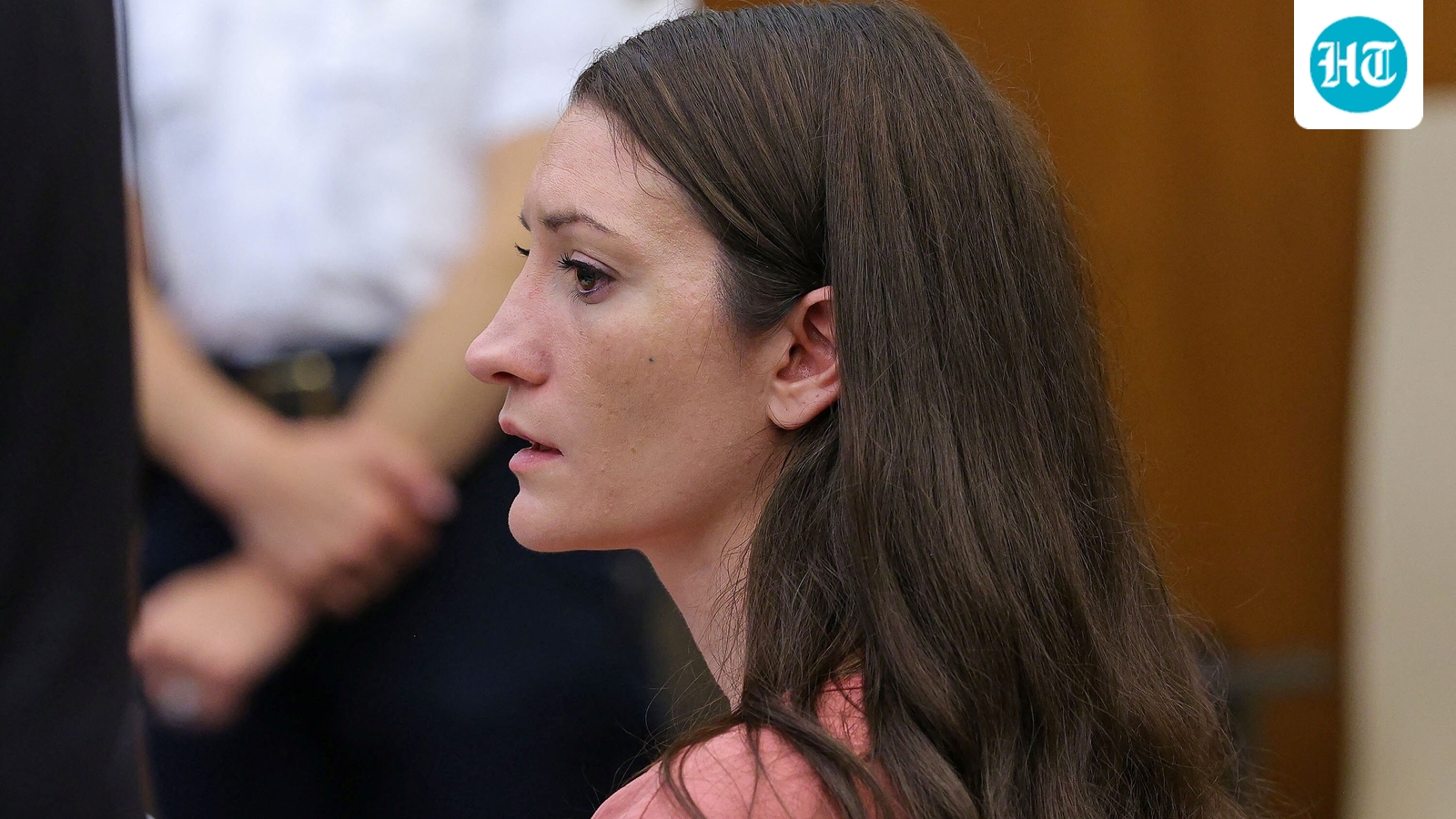
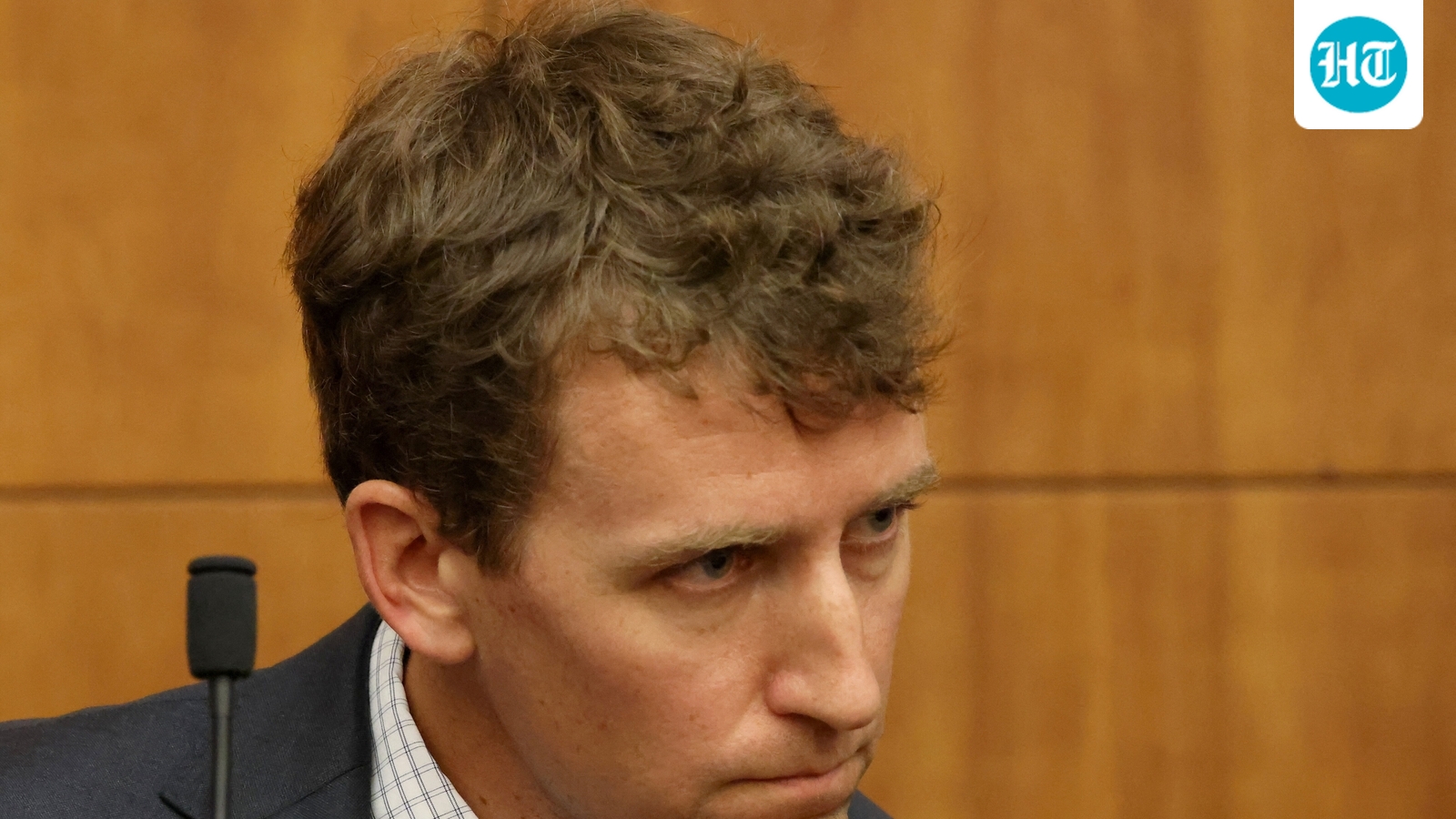
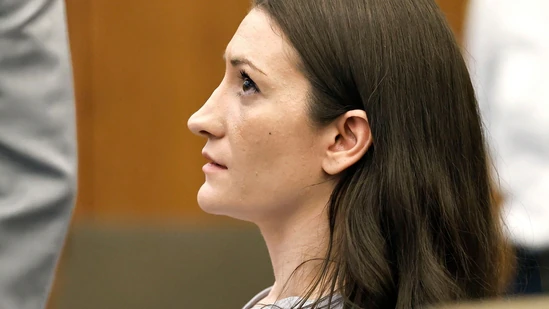
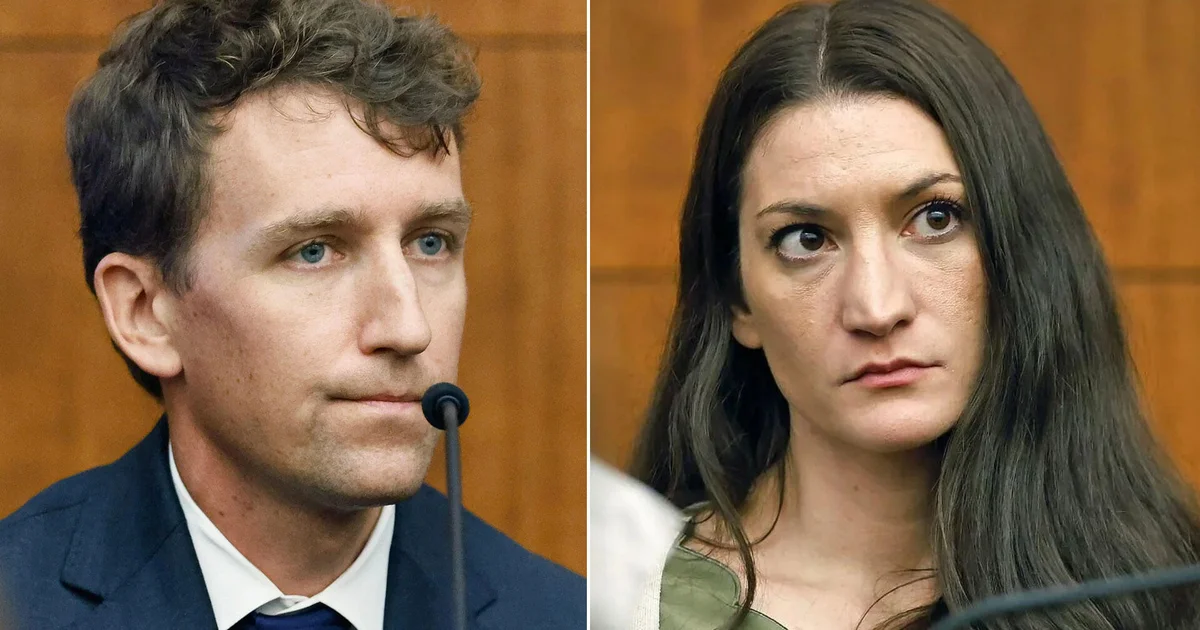
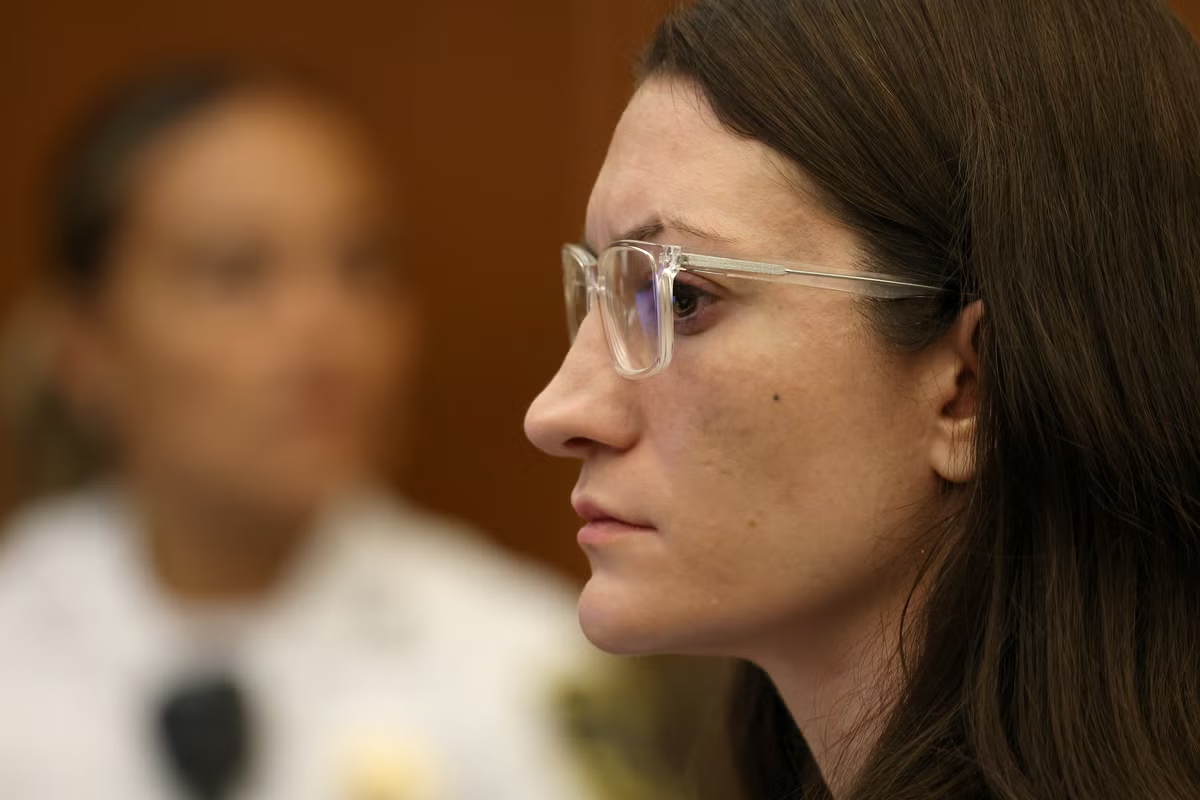
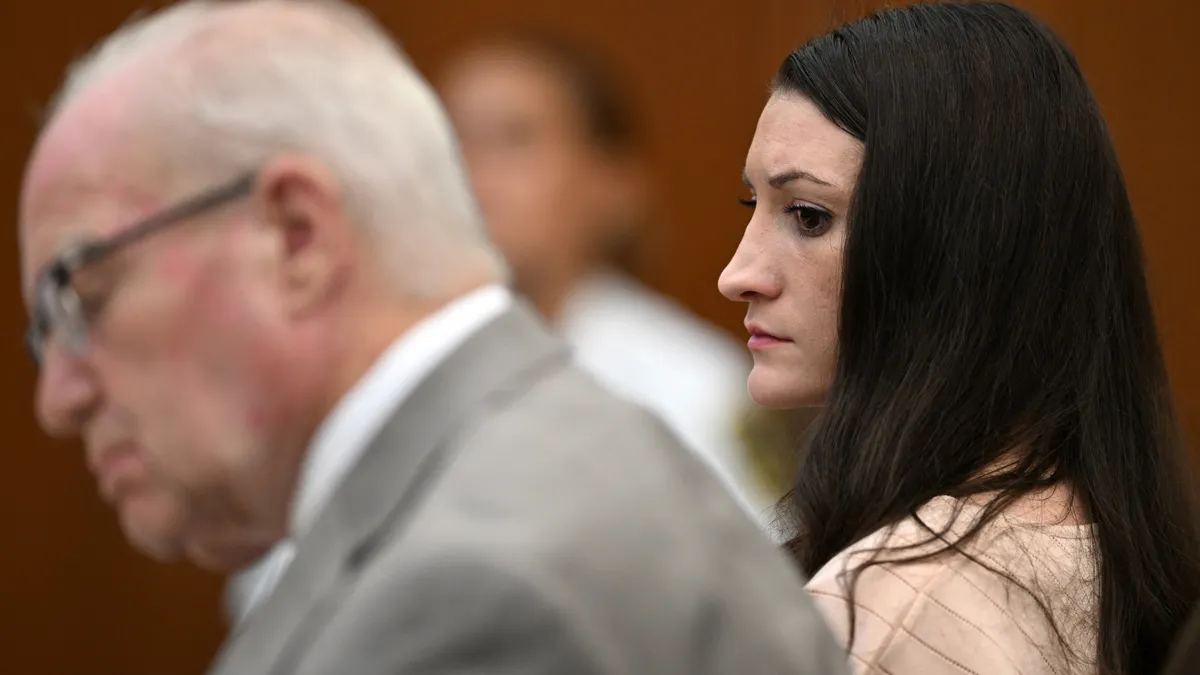
Many on TikTok have already reached their verdict in the Lindsay Clancy case.In the ongoing trial that has been dominating headlines in recent weeks, Clancy is charged with murdering her three children in Duxbury, Mass., in 2023. Prosecutors say that she plotted to get her husband out of the house beforehand, while the defense acknowledges she committed the acts but argue she is not criminally responsible because she was experiencing postpartum psychosis – and had a deadly, out-of-character break.Followers of the case on TikTok and other social media platforms are convinced her actions were so out of the ordinaryshe actually must have been framed by her then-husband, Patrick Clancy (who testified that he was at CVS at the time). Many are closely watching the livestream for clues and creating videos to back up their theories, a conspiratorial fascination in line with current cultural obsession with true crime.When Clancy was first charged, mothers sympathetically shared their own stories of postpartum struggles and even acute psychotic episodes. But after the trial began on July 20, social media commentary turned, with users sharing clips from the courtroom livestream, spinning conspiracy theories, analyzing a "hot mic" controversy and even posting thirst trap edits of defense attorney Kevin Reddington.On Aug. 11, Reddington even argued in court to allow TikToker Emily Thorndike to testify. He discovered Thorndike through a viral video she shared about working at McLean Hospital, a psychiatric facility where Lindsay Clancy admitted herself on New Year's Eve. Thorndike was critical of the hospital in her video, which Reddington argued countered the prosecutor's portrayal of it as "some kind of a five-star institution.""I hardly know what TikTok is," Reddington said.Plymouth Superior Court Judge William Sullivan did not allow Thorndike to testify, siding with Prosecutor Jennifer Sprague, who argued in court, "This isn't someone who's proposed to be an expert … She's been following the trial.""I’d bet $1000 Reddington has a Gen Z legal aide with a burner TikTok account combing through edits and comment sections," reads a comment with over 15,000 likes under @glennbostontv's video updating TikTok with the development.USA TODAY has reached out to reps from both Reddington and Sprague's legal teams for comment.Matty Addison, a TikToker who shared a viral video about Patrick Clancy this week, told USA TODAY he'd forgotten about the case entirely until recently, when a friend who was experiencing postpartum side effects reminded him of it.Addison said he's not really a true crime fan, but he became invested in the Lindsay Clancy trial because he saw "injustice" in it and pieced together a theory to argue she could not have been responsible. He felt the need to post his video on social media for a "sense of community" and his admitted predisposition for solving puzzles.“I have been up for the past three nights ’til 2 am, trying to put this together like a puzzle because of my ADHD; and I can’t, like, not solve a puzzle," he said at the start of his video.Katy Coduto, an assistant professor of media science at Boston University, described this phenomenon to USA TODAY as forensic fandom: "It refers to this idea that not only are you invested in a story, but you think you can solve it."In 2025, Coduto conducted research on true crime followers' online engagement and found many had compulsive posting behaviors, parasocial relationships and negative feelings surrounding the stories they followed."There's something compulsive in their thought process where they're like, even if they're trying to think about something else, it comes back to this," she said. "And I think that's because true crimes, especially ongoing ones, people put them into a narrative format, even if they aren't really a coherent narrative."The September 2021 disappearance of Gabby Petito is one example. The "van life" influencer was traveling with her fiancé Brian Laundrie, but was reported missing when he returned to his family's home without her. Internet users then scoured Petito's social media, looking for signs of abuse, largely sparked by body cam footage from before the couple disappeared. He then fled, a manhunt ensued and his remains were found a month later with a notebook containing his confession.Many writers opined at the time that engaging with Petito's case to try to solve the crime ended up being therapeutic and educational, and opened up a discussion about relationship violence.The Clancy trial has shed light on postpartum psychosis, which affects between 1 and 2 per 1,000 women, according to one study. Reddington, the defense attorney, has called Clancy’s psychiatrists to testify, and they said that she had experienced suicidal thoughts and exhibited symptoms of depression and anxiety since her third child was born. Clancy’s former nanny also testified, echoing the claims and adding that Clancy was a “loving mother” before she began experiencing symptoms.But this discussion seems separate from the wilder theories about Patrick Clancy, who has been cleared by police and is not on trial. Online sleuths think his alibi that he was at CVS picking up medications is too perfect; they've gone so far as to say that a body double walked into the pharmacy that night. Others have tried to paint a motive by baselessly drawing conclusions from his later remarriage and move to New York City.In an interview with The New Yorker in 2024, Patrick Clancy said he does not believe Lindsay Clancy was a monster; she was sick. The profile paints a grieving man who had to distance himself from his painful Massachusetts past and the woman who murdered his children.Occasionally, Redditors do crack cold cases, but the hit rate of these online sleuths is questionable."I don't want to rule out that there could be a benefit [to true crime sleuthing]. I just think it could be very rare," Coduto said. "When you look at the amount of true crime sleuths who are out there compared to their actual successes, I think you see where the imbalance is." But she stops short of saying people should follow these cases less. "There are certain cases that should have public attention that will have ramifications for other cases, for laws in our country, things like that."