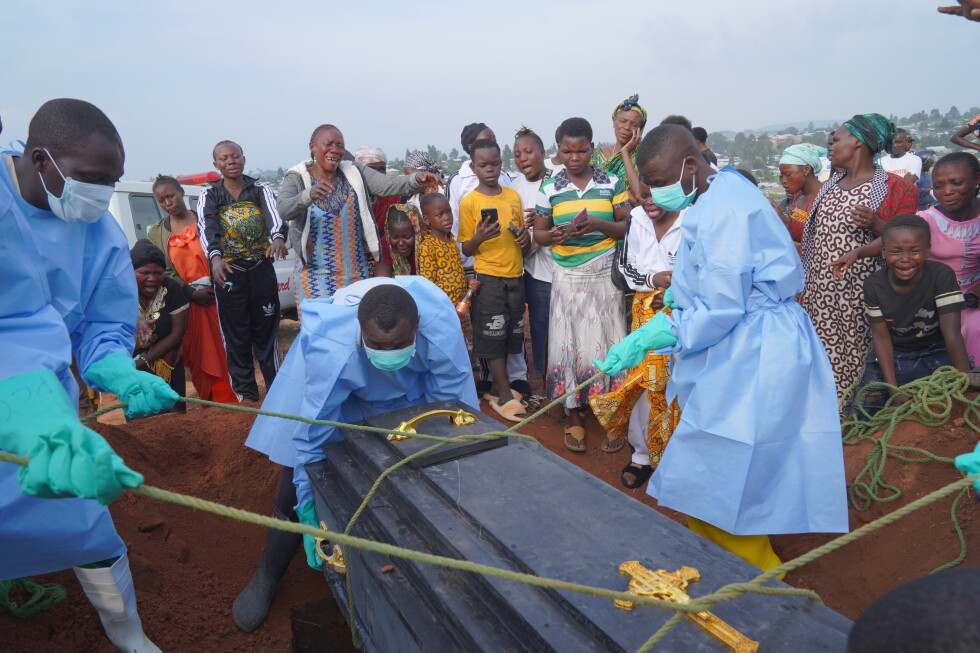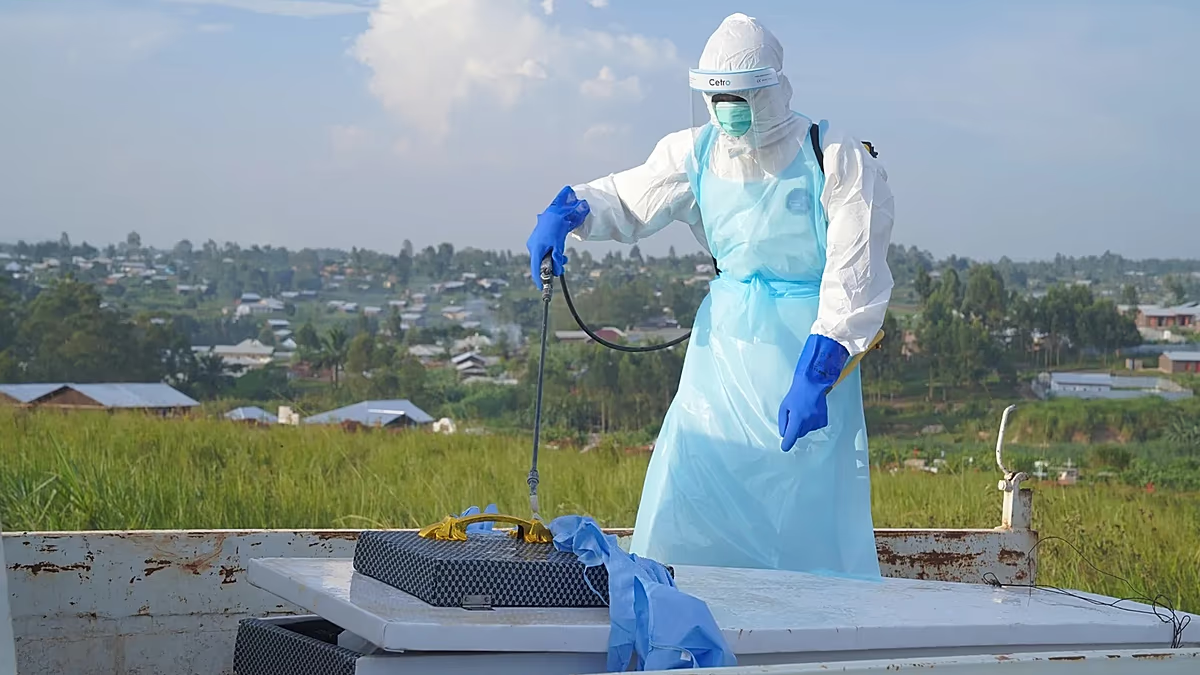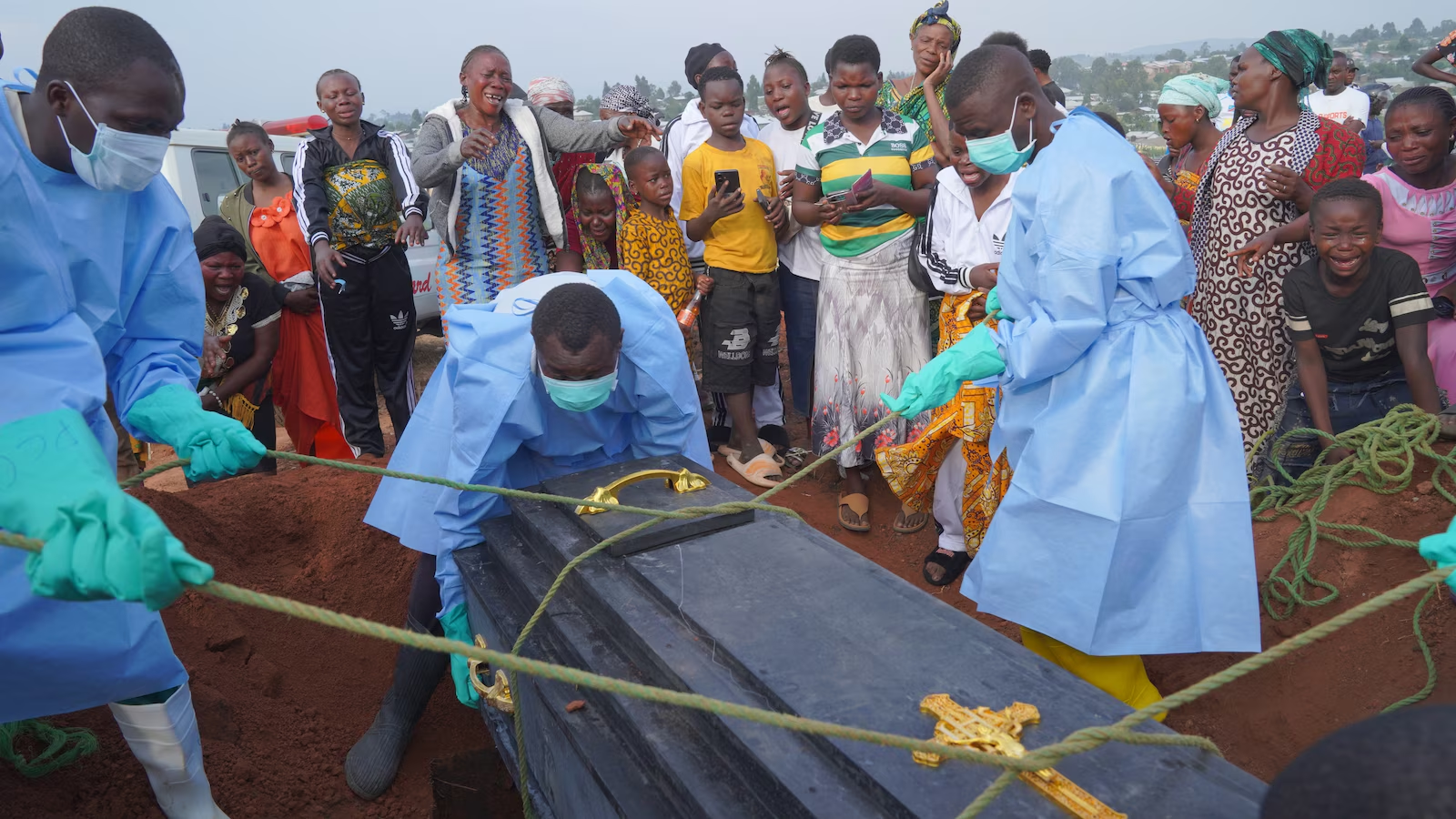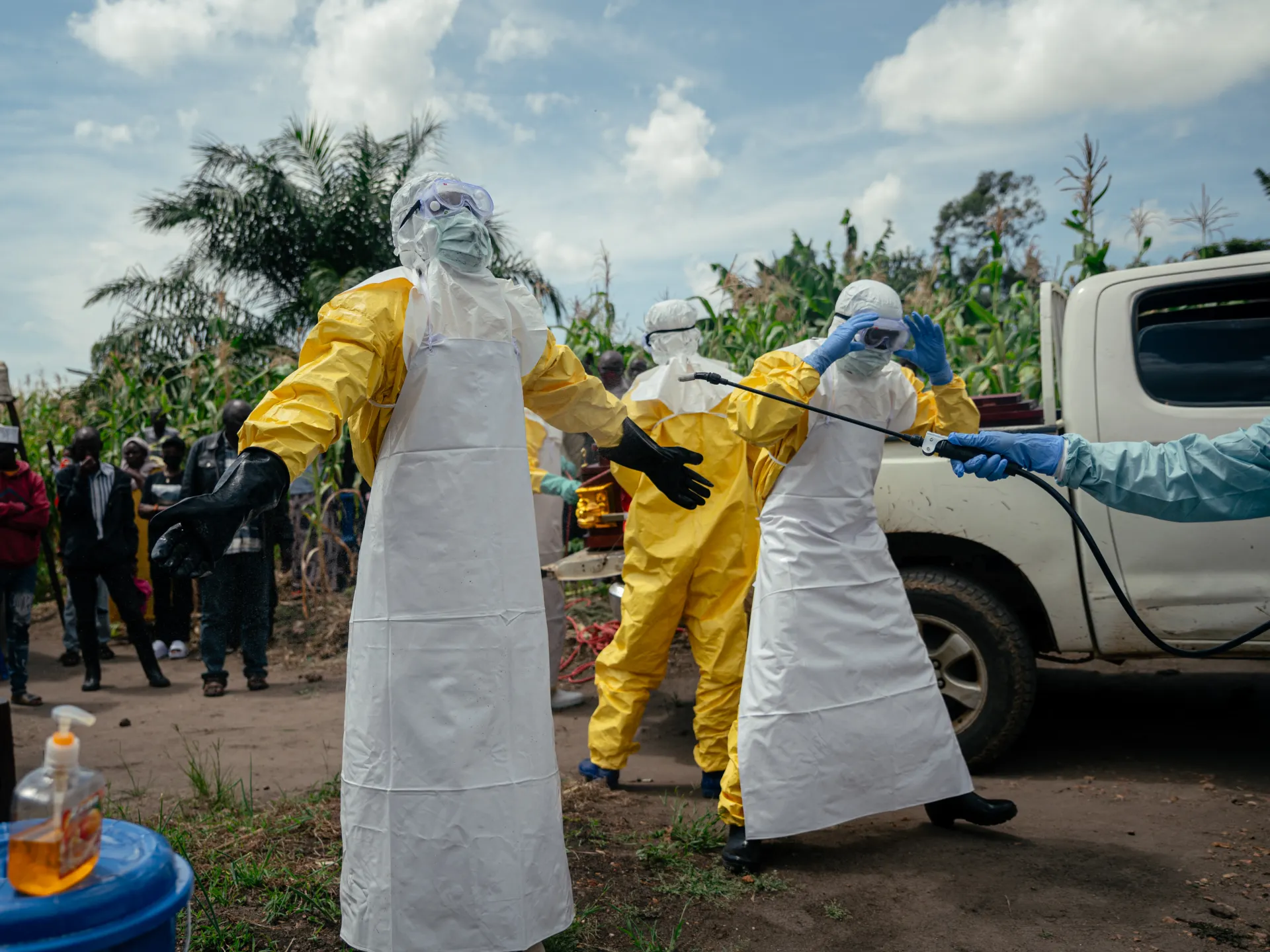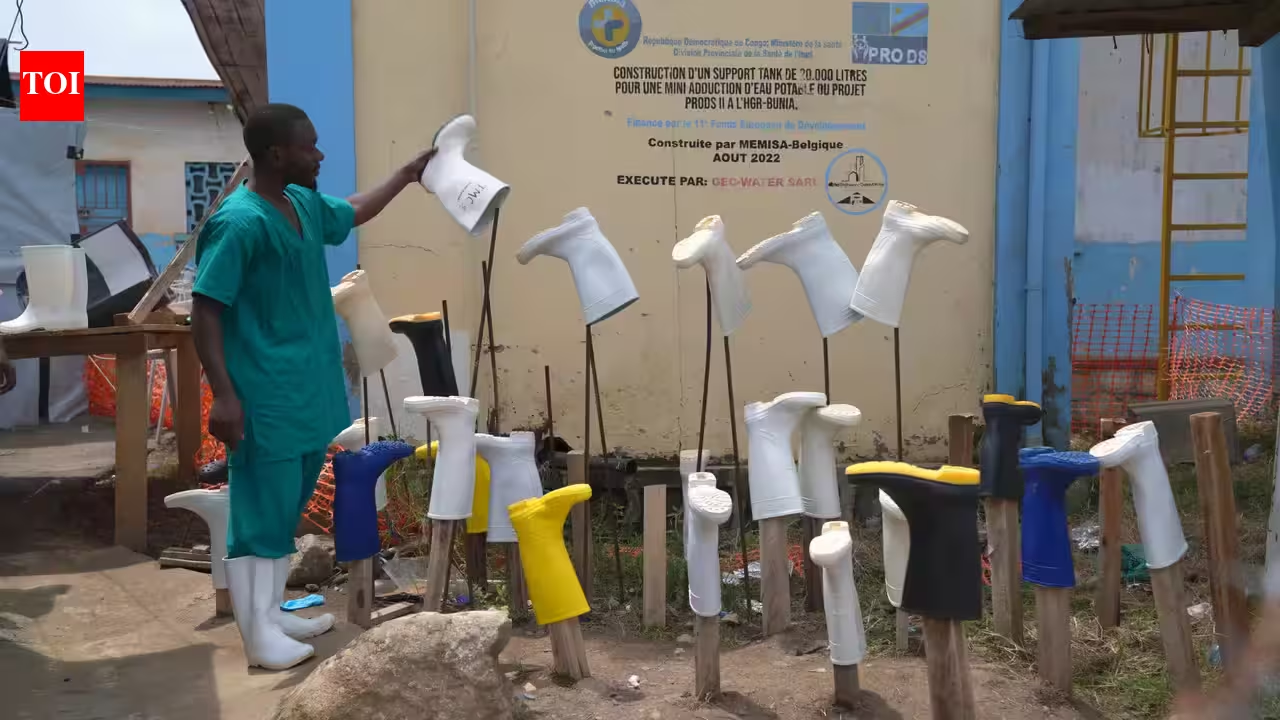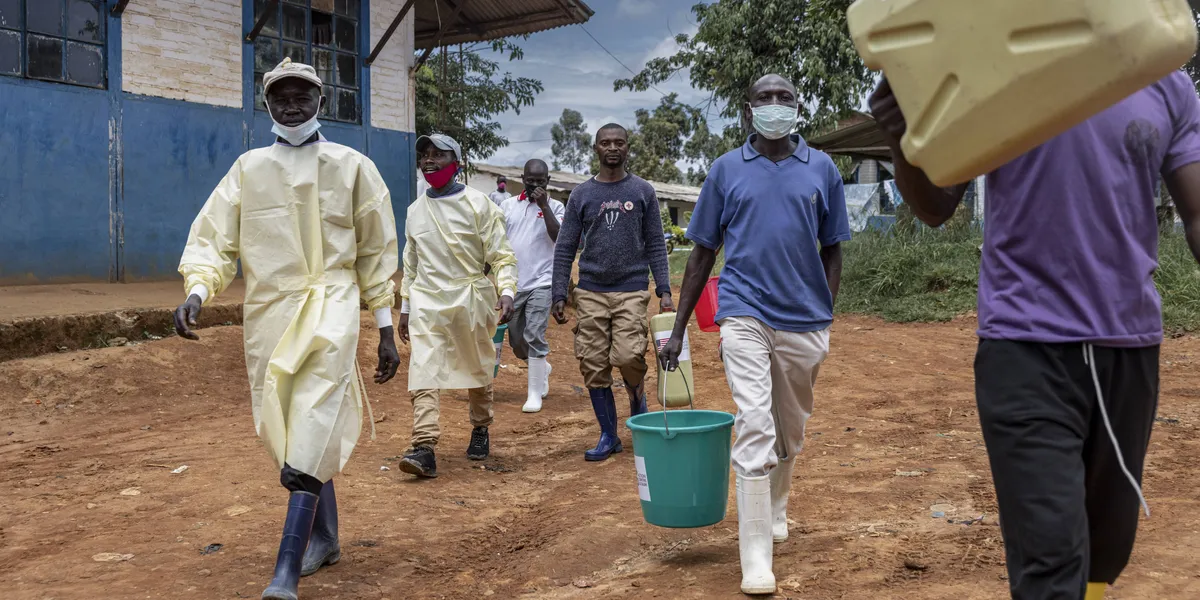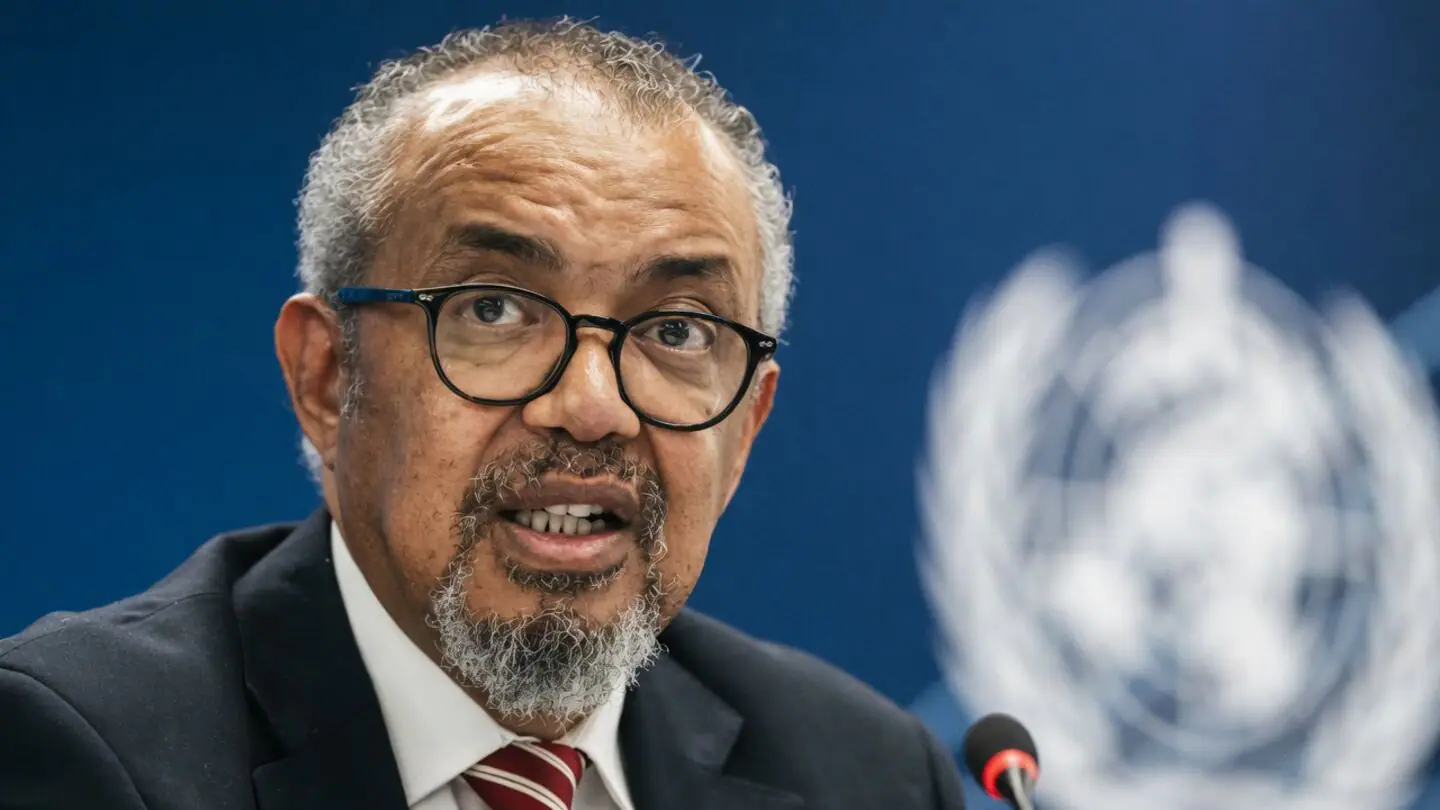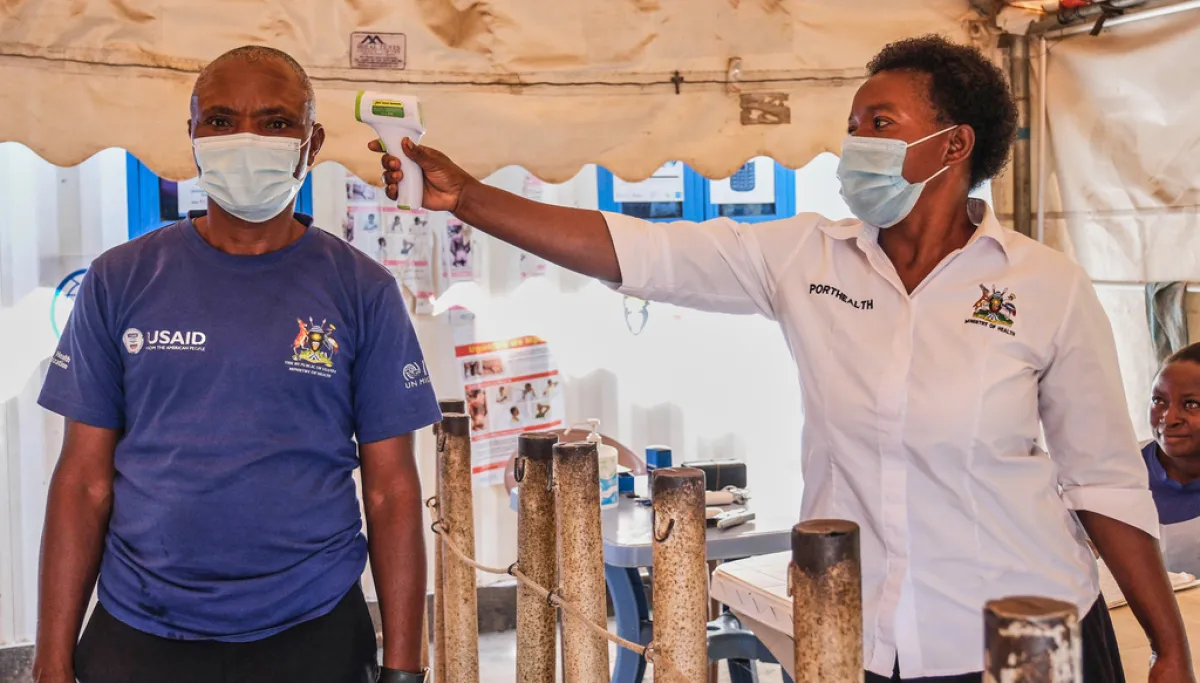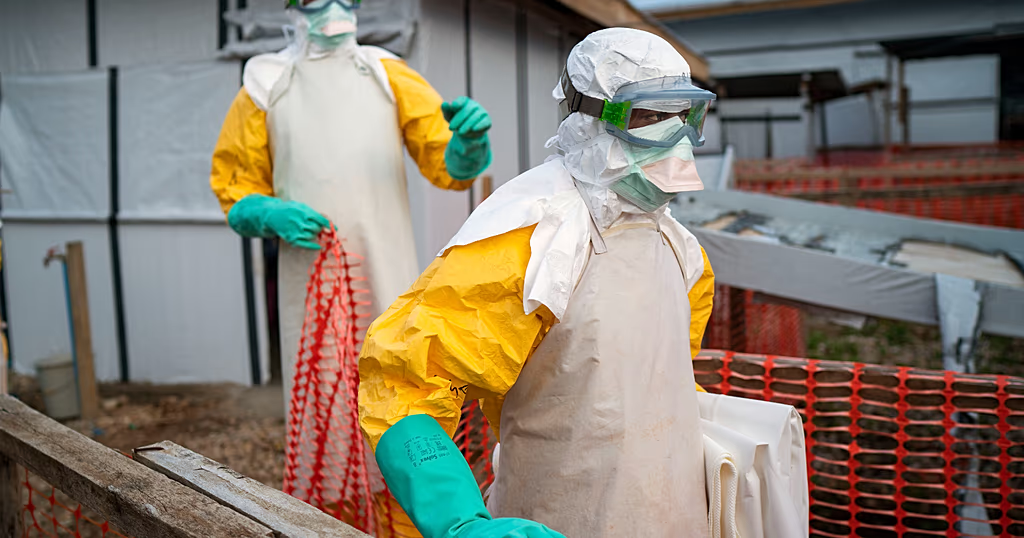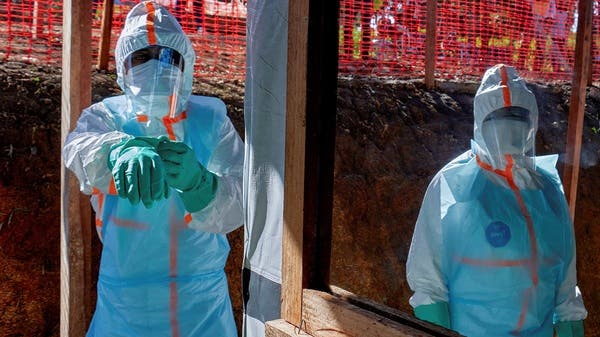
The ongoing Ebola outbreak in eastern DR Congo is on track to surpass the deadliest one in history, the head of the World Health Organization said on Wednesday. For all the latest headlines, follow our Google News channel online or via the app.“At its current pace, it’s on track to eclipse the West African Ebola outbreak of 2014 to 2016,” Tedros Adhanom Ghebreyesus told reporters.Ebola, which spreads through contact with bodily fluids, has killed 15,000 people across Africa in the last 50 years, according to the BBC. The current outbreak, officially declared in May, has killed over 2,000 people out of more than 4,300 cases. Health authorities now say sequencing showed it began months earlier, in February. This outbreak “had a big head start and [is] still way ahead of us,” Tedros said.The outbreak adds to an existing humanitarian crisis amid a civil war, having spread to North and South Kivu provinces, areas largely controlled by the Rwandan-backed M23 armed group. "The convergence of insecurity, population displacement and mobility, and cross-border movements complicate response operations and increase the risk of further geographical spread,” the WHO said earlier this month. Meanwhile, health workers on the frontlines have also been striking over unpaid wages, although the government says the situation is “being resolved”. This is in addition to growing fear and anger that doctors are struggling to contain.One matter driving that anger is local customs such as burial rites causing clashes with health workers. The dangerous work of burying suspected victims is managed wherever possible by authorities, but this can be met by protests from victims’ families and friends. In May an Ebola treatment center was burnt down by local youths who were prevented from retrieving the body of a friend.The currentstrain is unlike recent Ebola outbreaks because the rare Bundibugyo virus has no approved vaccines or treatments, although vaccines are currently being developed in the UK and Singapore, according to Reuters. Clinical trials of two possible treatments also began last month in Ituri, the epicenter of the outbreak. The WHO also plans to test whether an existing Ebola vaccine could protect people against the virus after studies in animals showed promising results.Treatment studies also began last month. Researchers are testing if two drugs could improve survival. One is Gilead Sciences’ remdesivir, a broad-acting antiviral approved to treat COVID-19 that has shown some hints in lab tests that it may help fight the currently spreading virus. The other is Mapp Biopharmaceutical’s experimental MBP134, antibodies engineered to target Ebola viruses including Bundibugyo.However, it could take months and possibly as many as 1,000 study participants to tell if either drug works according to the Associated Press.A study published in Nature Medicine on Monday added evidence that the outbreak began when the virus jumped from an infected animal to a person, rather than stemming from earlier outbreaks. Researchers found the virus is genetically different from versions seen in Bundibugyo Ebola outbreaks in 2007 and 2012.With agencies
Congo’s Ebola outbreak on track to surpass deadliest one in history: WHO chief
The ongoing Ebola outbreak in eastern DR Congo is on track to surpass the deadliest one in history, the head of the World Health Organization said on
491 words~2 min read