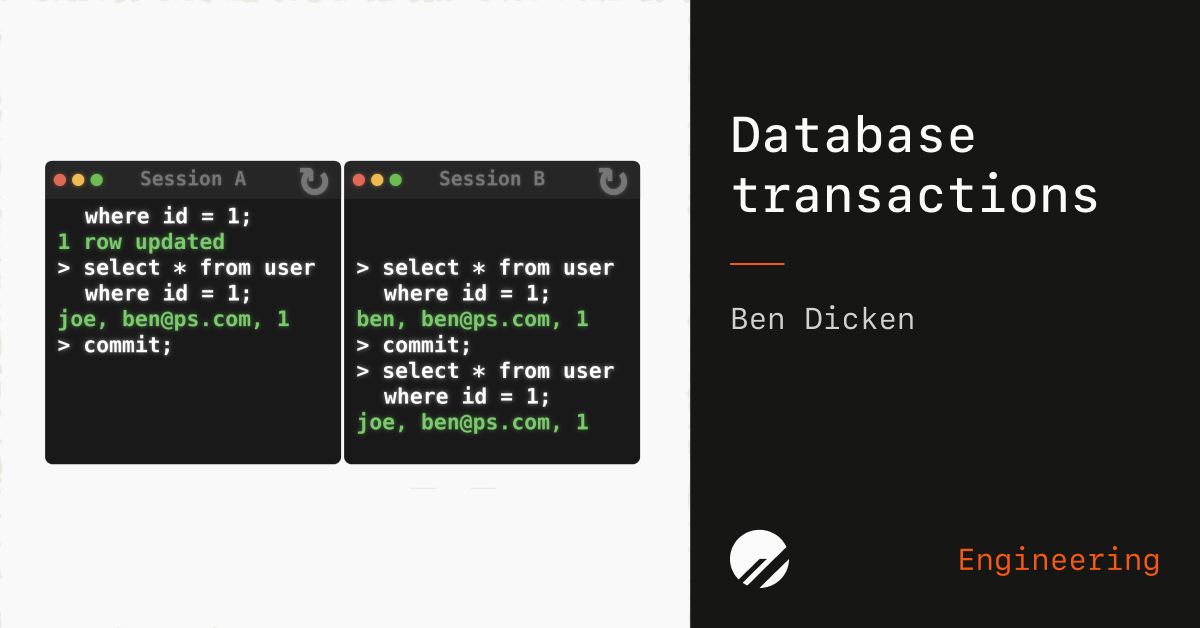
Databases are messy places. In the real world, thousands of users are reading, writing, updating, and deleting data at the exact same millisecond. Because databases are multi-user systems, letting transactions run completely unchecked creates total chaos.
When concurrent transactions access and modify the same data at the same time, anomalies emerge. To keep things under control, databases give us Isolation Levels, which are essentially tuning knobs that let you control which anomalies you are willing to permit in exchange for faster performance.
To understand how to turn these knobs, we first need to understand the dark world of database anomalies. Let's dive deep.
Part 1: Read Phenomena (The Anomalies)
An anomaly (or read phenomenon) occurs when a transaction reads data in a state that breaks logical consistency. Here are the 6 primary anomalies you must know.