Sometime in the early 1970s, a young Rick Rieder sat in his elementary school cafeteria, not eating. Instead, he stared at his lunch money—a quarter—and weighed the probability of an Oakland Raiders victory. He would obsess over microdata, like how the football team played on turf versus grass, searching for a marginal edge that would turn his 25 cents into fifty. Then, he’d bet. When he lost, he went hungry, he told podcaster and author William Green.
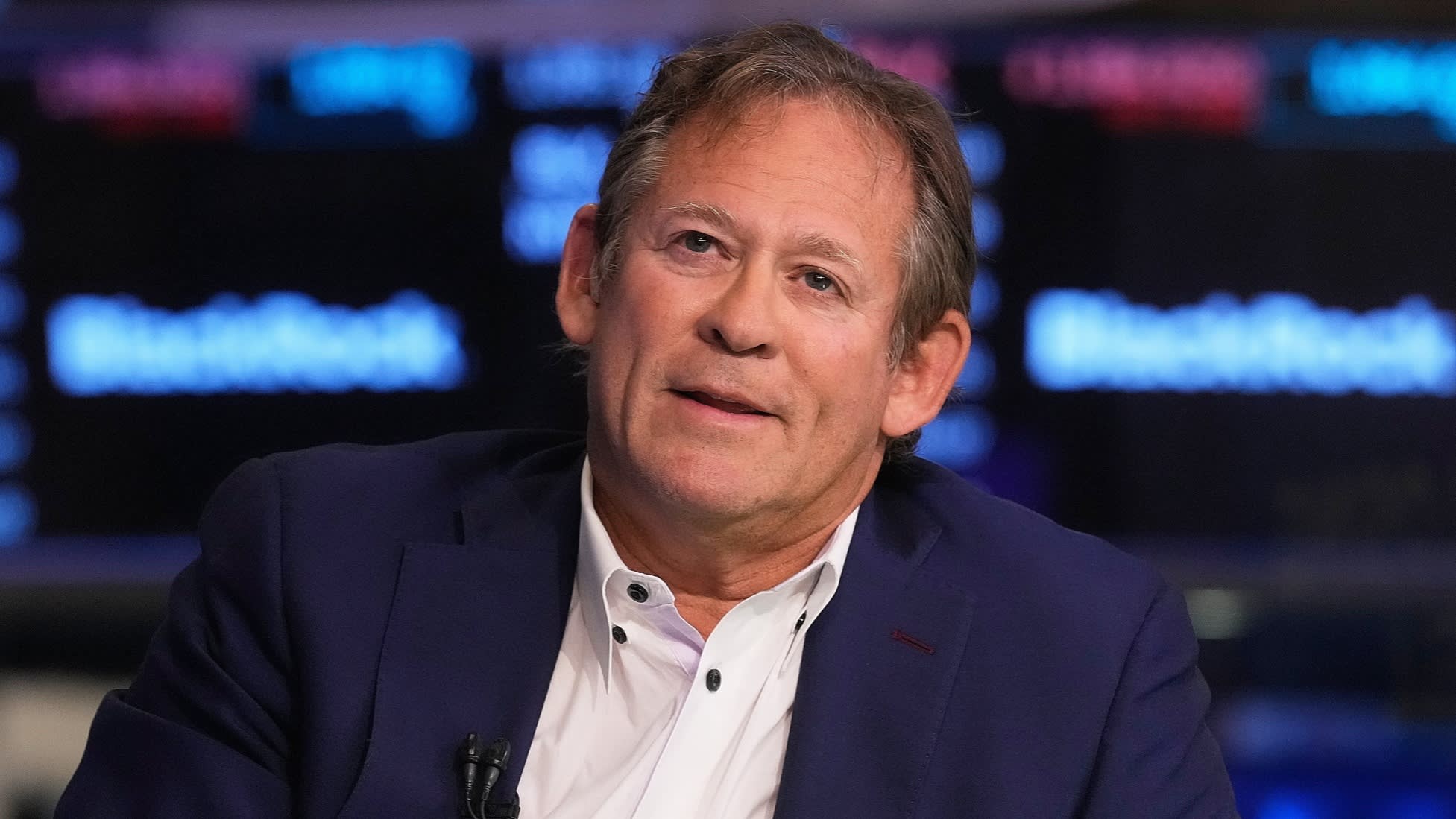
That hunger never really went away. He told Green he “gets grumpy during bull markets,” and prefers when the market loses its nerve. Now chief investment officer of global fixed income at BlackRock, Rieder has what he admits is a “maniacal” obsession with data that helps him to pick through the wreckage, find the arbitrage, or get out early. “The whole gig,” he said, is managing risk well enough to know when it is time to leave.
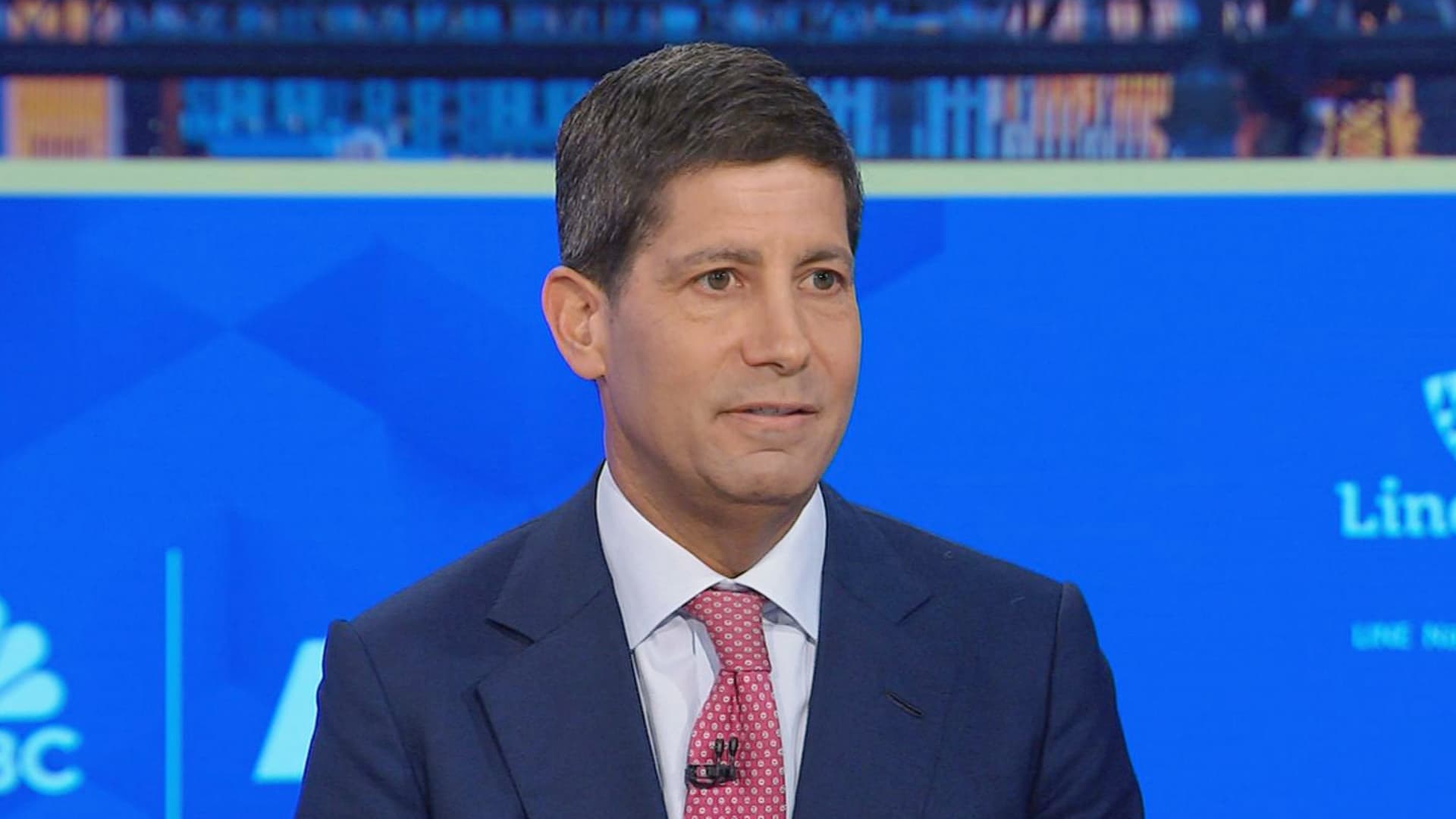
In the past week, Rieder has surged on prediction markets like Kalshi and Polymarket, overtaking institutional favorites like the “Two Kevins” (Hassett and Warsh) to become a leading contender to replace Jerome Powell as the next chair of the U.S. Federal Reserve.
His career has been a master class in institutional survival. In July 1987, a 25-year-old Rieder joined former brokerage E.F. Hutton just months before “Black Monday” sent the markets plunging 22% in a single day, forcing the 80-year-old firm into a fire-sale merger with Lehman Brothers. He survived the transition—by his own telling, owing to a “lucky” sudden opening—and spent nearly two decades at Lehman.