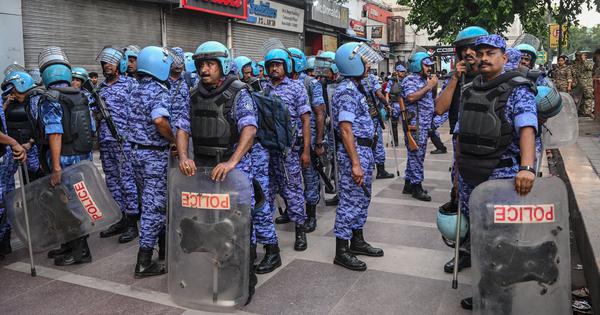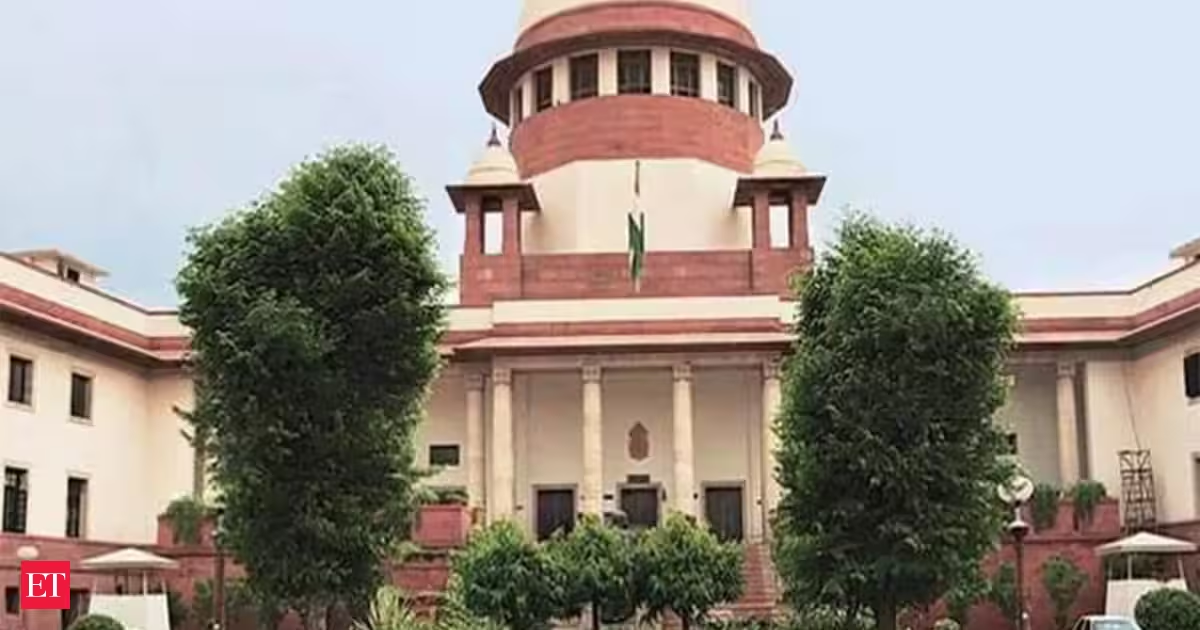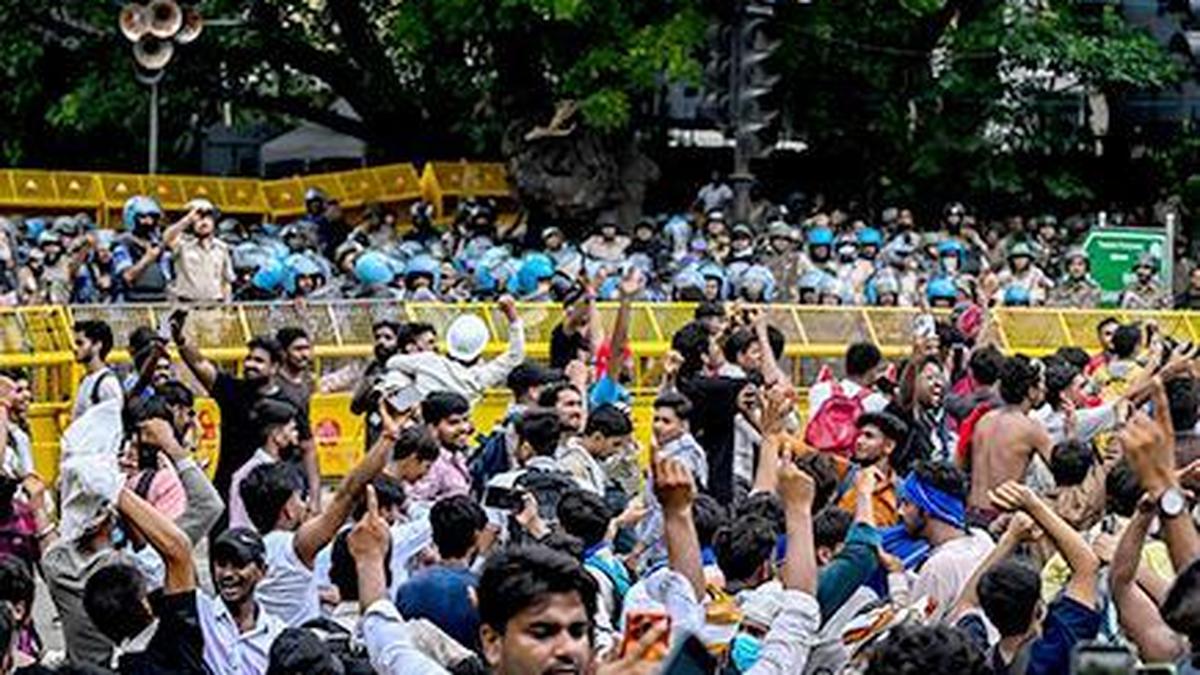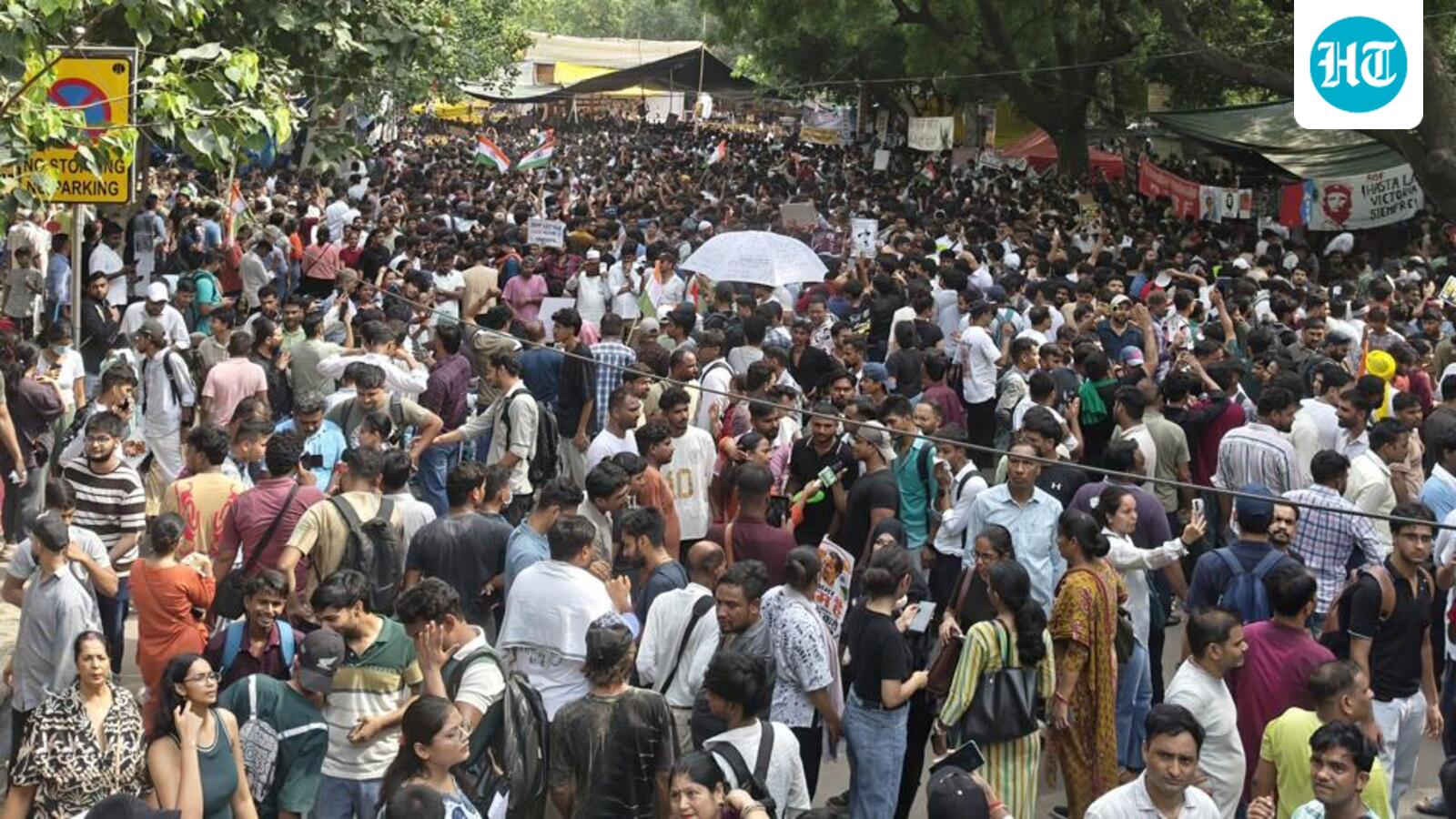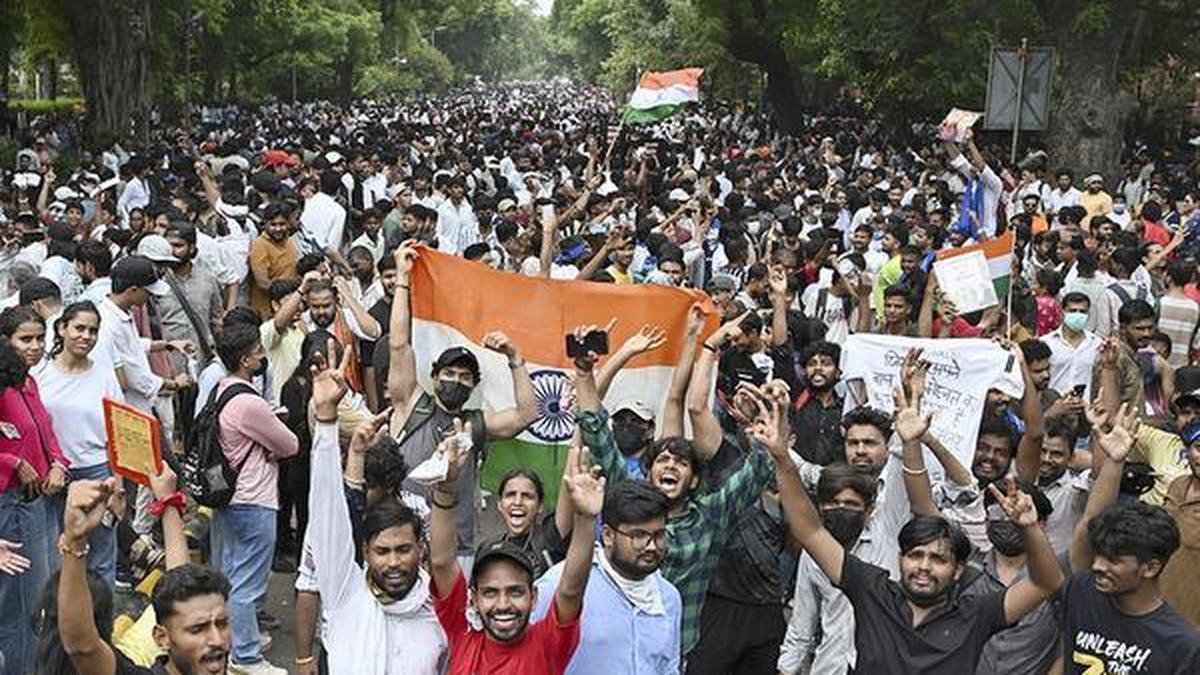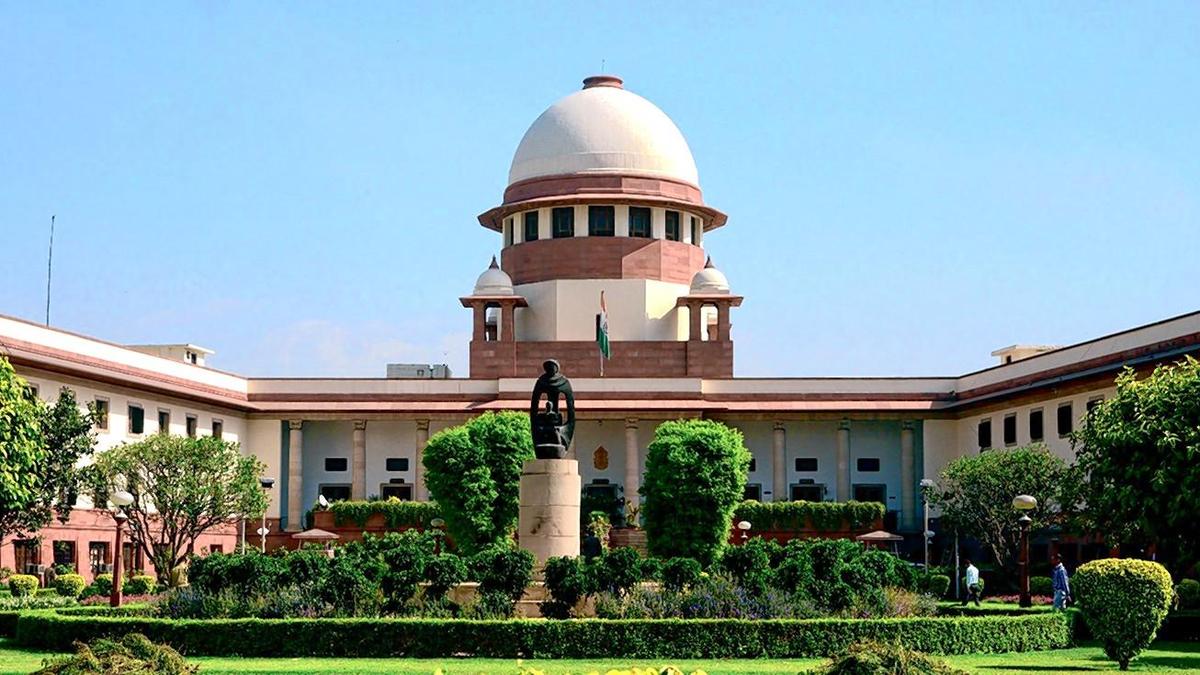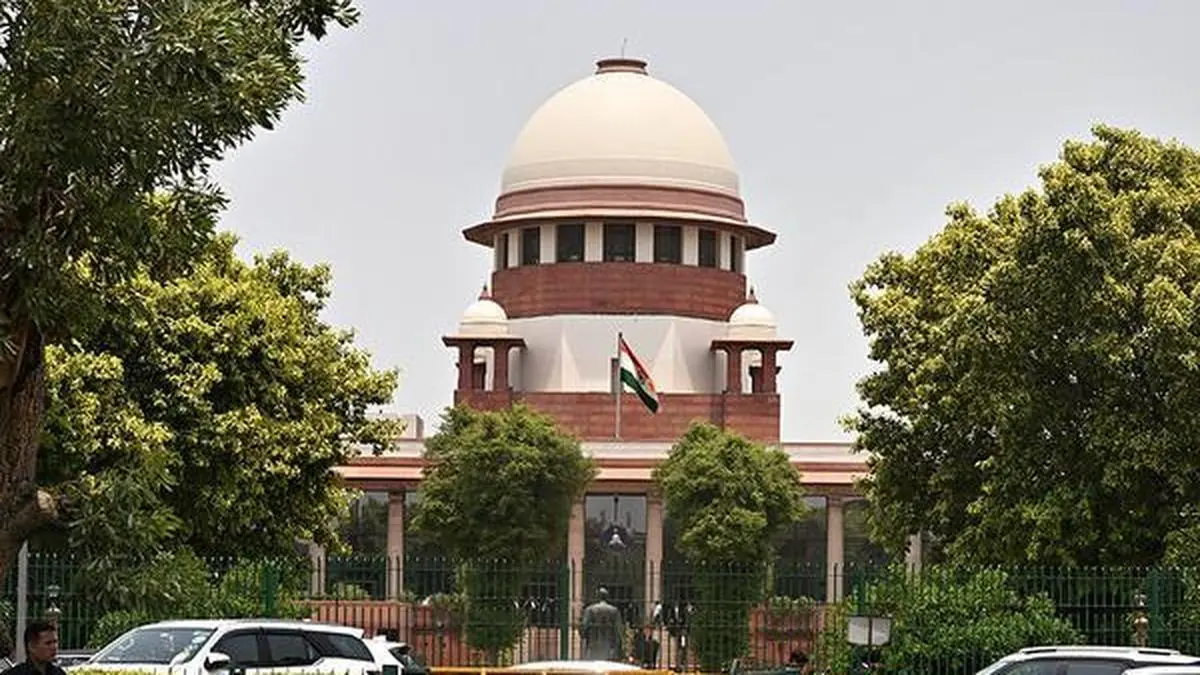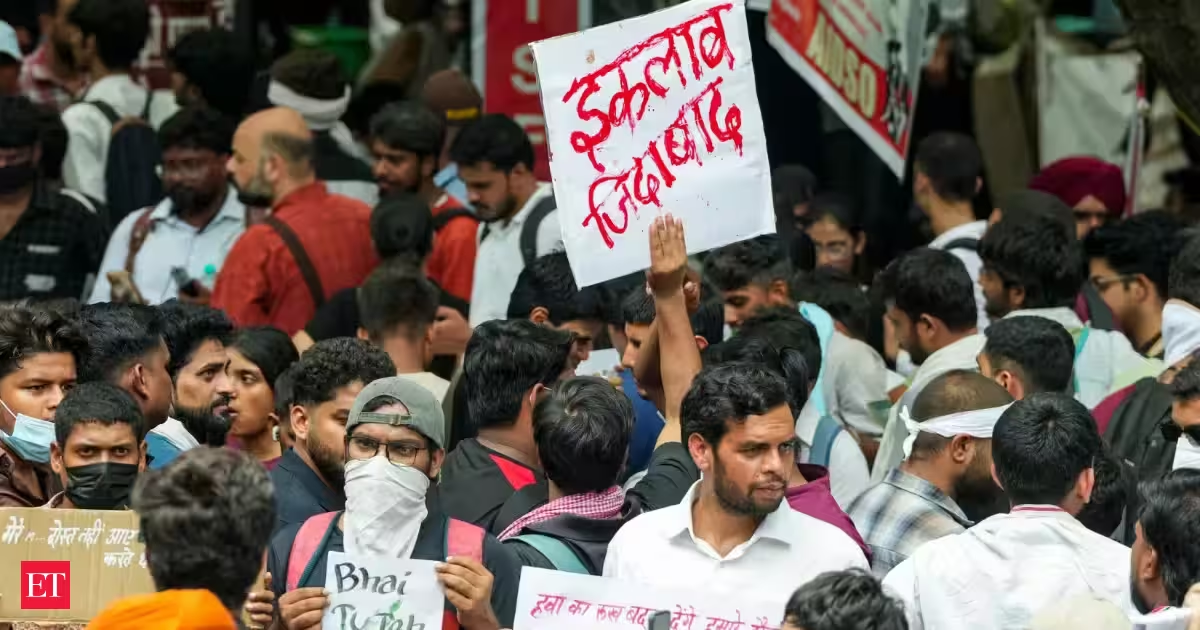
New Delhi: The Supreme Court on Thursday agreed to hear a plea filed by Rajya Sabha CPI(M) MP AA Rahim against the deployment of facial recognition technology (FRT) and allied biometric-surveillance measures by police at protest sites.A three-member bench headed by Chief Justice of India (CJI) Surya Kant tagged the plea with other pending petitions concerning the recent student protests organised by the Cockroach Janta Party.Appearing on behalf of the petitioner, senior advocate Dr Menaka Guruswamy contended that the plea was filed in the context of the Delhi Police using digital tools to surveil protesters at Jantar Mantar. She added the services of two private entities, Aditya Infotech Ltd and Dimension NXG Pvt Ltd, were being used, and that the data was processed and stored in violation of the Digital Personal Data Protection Act, 2023.She further submitted that the data had been collected without permission. "These private entities host the data in violation of the DPDP Act," she argued. The bench agreed to consider the plea.Rahim has approached the top court seeking a declaration that the use of indiscriminate biometric surveillance at peaceful public assemblies is unconstitutional and should be restrained until Parliament enacts a law specifically authorising and regulating such measures.The plea alleged that Delhi Police conducted biometric surveillance in a "complete legal vacuum". It said neither the Delhi Police Standing Orders governing protests nor the Criminal Procedure (Identification) Act, 2022, authorises biometric surveillance of persons participating in civilian assemblies.According to the plea, Delhi Police carried out automated extraction and matching of protesters' biometric identifiers and allegedly linked the data with permanent national criminal databases.
SC to hear MP's plea on facial recognition tech at protest sites
The Supreme Court will hear a plea against police facial recognition technology deployment. This plea challenges biometric surveillance measures used at protest sites by police. The court agreed to consider the petition filed by CPI(M) MP AA Rahim. The petitioner argues this surveillance violates data protection laws and is unconstitutional. Data collection occurred without permission and in a legal vacuum, the plea states.
266 words~1 min read