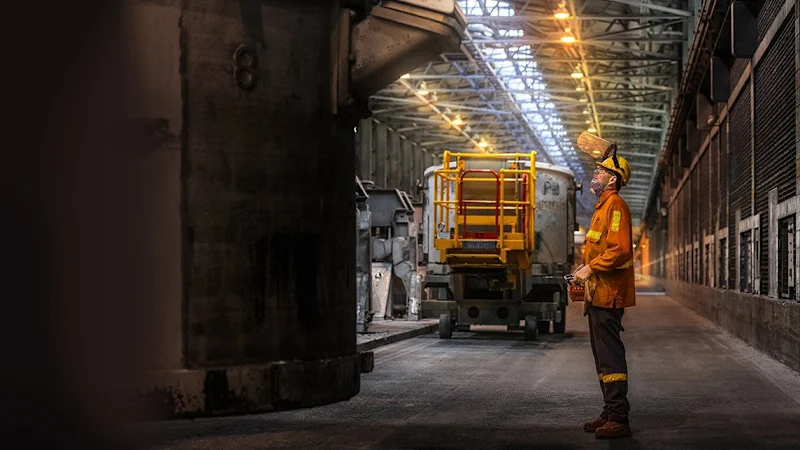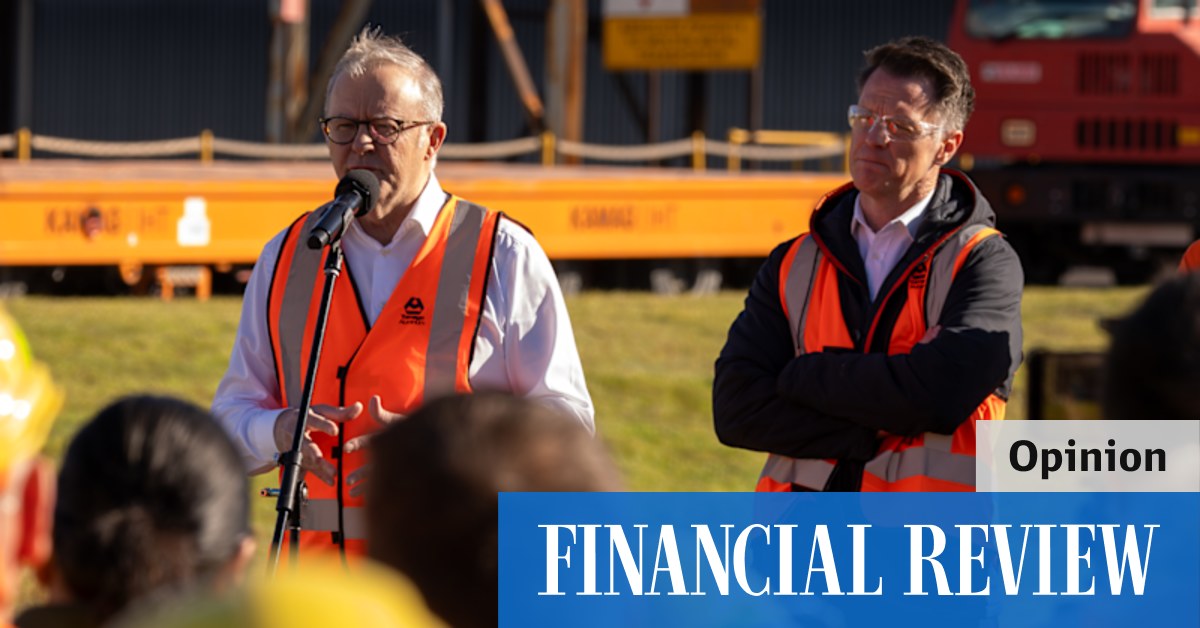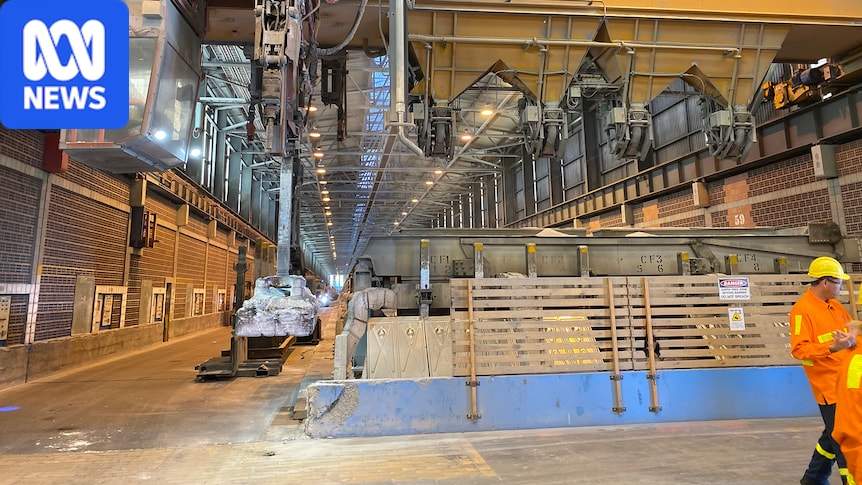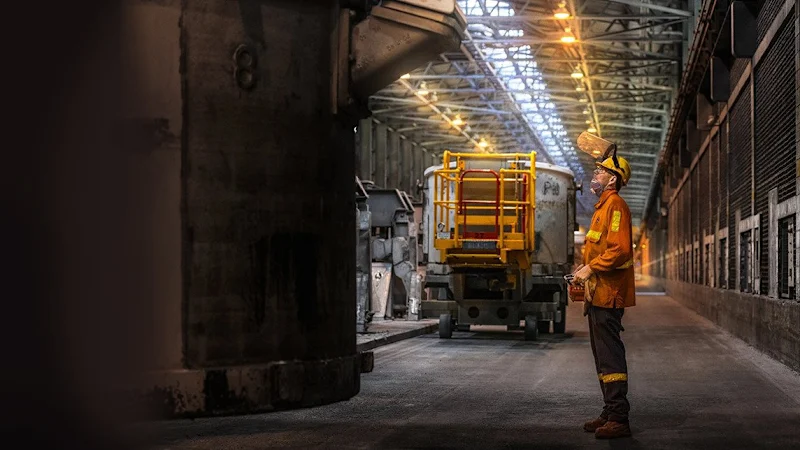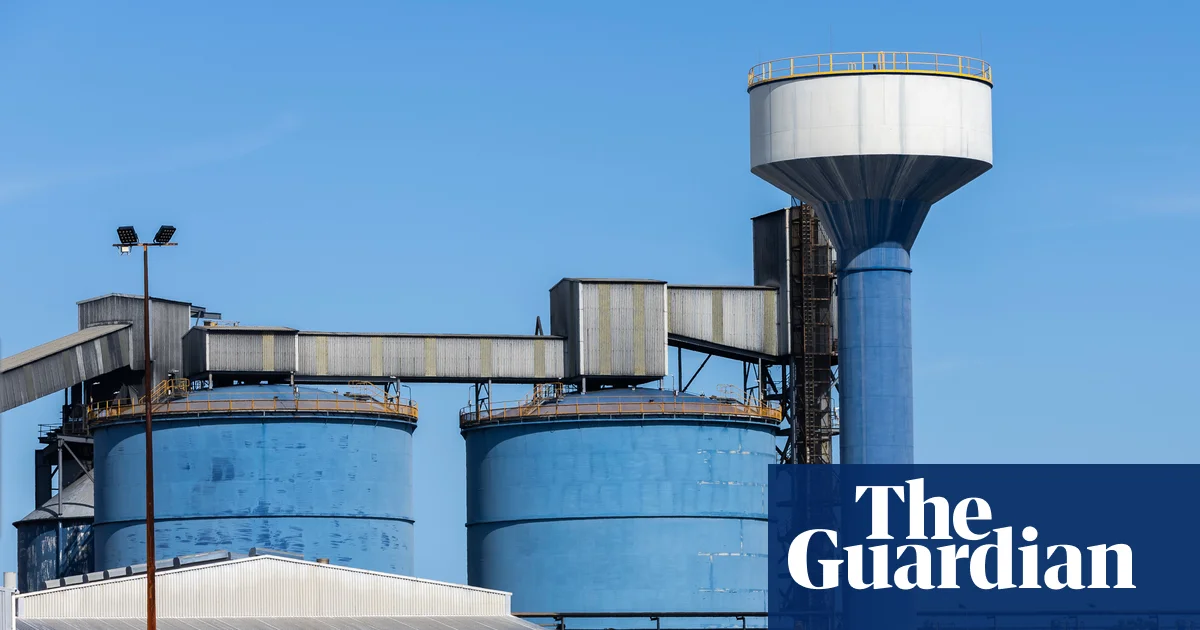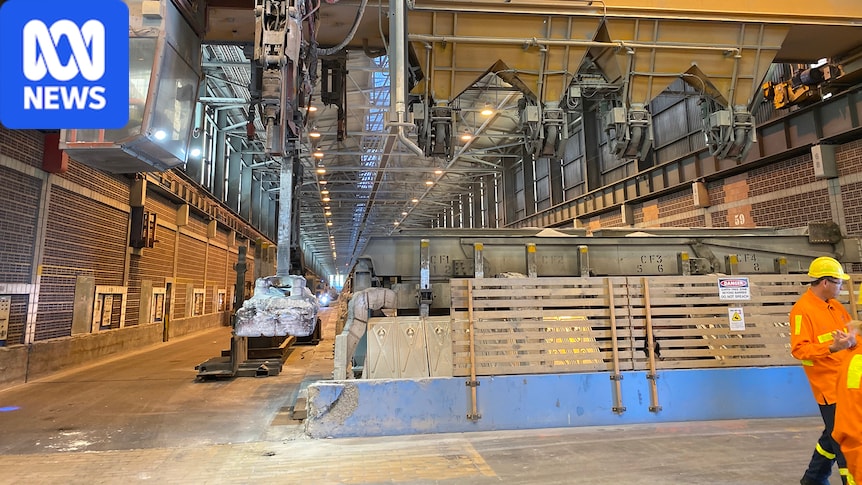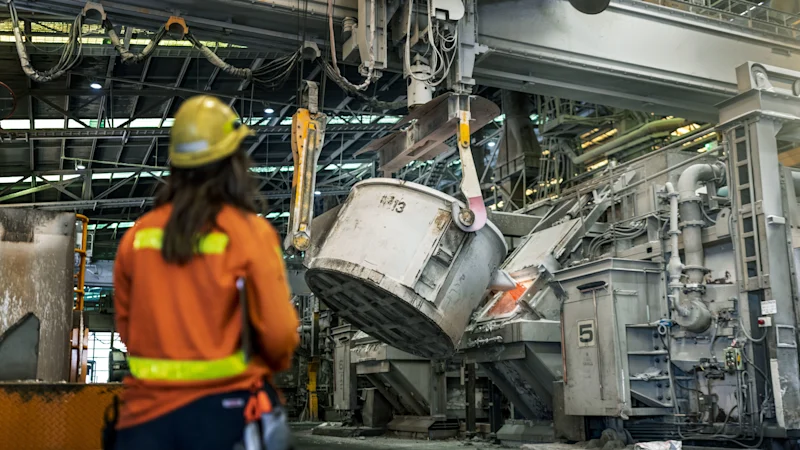
August 14, 2026 — 5:00amThe $2.5 billion taxpayer rescue of Australia’s largest aluminium smelter has reignited questions over whether public funds are backing uncompetitive manufacturers without first undergoing enough scrutiny, even as the deal gained extensive praise as a vital nation-building investment.Following months of intense negotiations, the Commonwealth and NSW governments on Thursday agreed to jointly fund a renewables-led energy solution for the Tomago aluminium smelter near Newcastle, securing the plant’s operations beyond 2028 and saving more than 1000 direct jobs.A worker at Tomago Aluminium in NSW.AFRTomago Aluminium, majority-owned by mining giant Rio Tinto, had been consulting its workers about the risk of the site having to close after 2028, when its existing electricity contract expired and its energy costs were set to double. Now, it will enter into a government-backed power agreement until 2038 and has agreed to commit at least $1.1 billion to upgrade the facility, including technology aimed at accelerating lower-emissions production.The rescue deal won swift backing from leaders of the aluminium sector, union movement and energy industry, who said transitioning one of the nation’s largest energy users to green power would drive confidence in renewables’ ability to power the next generation of manufacturing.“This is exactly the kind of nation building Australia needs,” said Rob Wheals, chief executive of renewable developer Squadron Energy.Defending the intervention, Prime Minister Anthony Albanese argued that abandoning the facility would have inflicted damage on the national economy, and said the investment would produce a return for Australia. “The idea that we would sit back and watch this facility just disappear is not in Australia’s national interest,” he said.However, the agreement has renewed concerns from experts, including from the Grattan Institute, who question whether the Tomago package and a series of government rescue deals over the past two years had received sufficient independent scrutiny to protect taxpayers from underwriting an uncompetitive commercial enterprise. The Albanese government has previously contributed to bailouts worth $2.4 billion for the collapsed Whyalla steelworks in South Australia, $600 million for Glencore’s copper smelter and refinery in Mt Isa, and $240 million for Nyrstar’s smelters in Port Pirie and Hobart.While proponents argue that preserving Tomago today will enable it to thrive in the future when customers are willing to pay more for low-emissions aluminium, market volatility and future electricity prices could undermine those projects, Grattan Institute senior fellow Tony Wood said.“What if aluminium prices go the wrong way, and what if the green premium isn’t enough?” he said.“Is there a business case that says Tomago could be viable in a low-emissions world? Because if not, we shouldn’t be doing it. When governments start taking risks in markets, they have got to be sure.”Aluminium industry representatives, however, argue that domestic aluminium producers have been operating on an uneven global playing field, increasingly disadvantaged by heavy state subsidies handed out to international competitors in China, Indonesia and the Middle East.“Today’s announcement will help shape Australia’s economic strength, industrial capability and prosperity for decades to come,” Australian Aluminium Council chief Marghanita Johnson said.Rio Tinto owns 51 per cent of the Tomago Aluminium joint venture with the remainder owned by Gove Aluminium Finance and Norsk Hydro.Rio Tinto is Australia’s second-largest mining company, and the world’s biggest producer of iron ore, with a market value of more than $240 billion. Chinese steelmaker Chinalco is Rio Tinto’s single biggest shareholder, with roughly an 11 per cent stake, and other major shareholders include investment giants BlackRock, Vanguard and State Street.Australian metals processors have been under mounting financial pressure as their owners face the dual challenges of intensifying foreign competition and rising energy costs. The Tomago smelter is the single largest user of electricity in NSW. It consumes more than 10 per cent of the state’s power supply. However, its owners had indicated that the plant’s energy costs were set to double from 2028 once its contract with AGL expired.Under the 10-year deal announced on Thursday, three gigawatts of wind and solar power, backed up by storage and gas generation, would be added to the grid to power the smelter following the expiry of its AGL contract. The share of renewables supplying the plant would ramp up to 100 per cent by 2033, Tomago Aluminium said.Tony Dragicevich, chief executive of downstream manufacturer Capral Aluminium, which transforms large aluminium billets into smaller custom-shaped products, said there was “plenty of merit” in government support for a major smelting asset such as Tomago, which required competitive energy prices to survive.He said Tomago would not require ongoing support in the future if the government’s vision of delivering a low-cost renewable energy grid becomes a reality. “Tomago won’t need government support if it can source energy at an internationally competitive price,” he said.Oliver Yates, a former chief executive of the federal government’s Clean Energy Finance Corporation, said Australia’s aluminium industry was not built by passive market forces, but by deliberate post-war nation-building policy and cooperation between state and federal governments. “It is encouraging to see governments taking a similarly active approach to securing this Australian remaining industrial base today,” he said.“OECD data highlights that global competitors have benefited from up to $US70 billion in state support, largely delivered via energy subsidies and concessional finance. If we want to be competitive, we need to recognise and see what China, Quebec, and the Middle East are doing to actively back their industrial bases.The Market Recap newsletter is a wrap of the day’s trading. Get it each weekday afternoon.Nick Toscano is a business reporter for The Age and Sydney Morning Herald.Connect via X or email.From our partners
Tomago’s $2.5 billion rescue reignites debate over taxpayer bailouts
The $2.5 billion taxpayer rescue of Australia’s largest aluminium smelter has raised questions over whether public funds are backing uncompetitive manufacturers.
922 words~4 min read