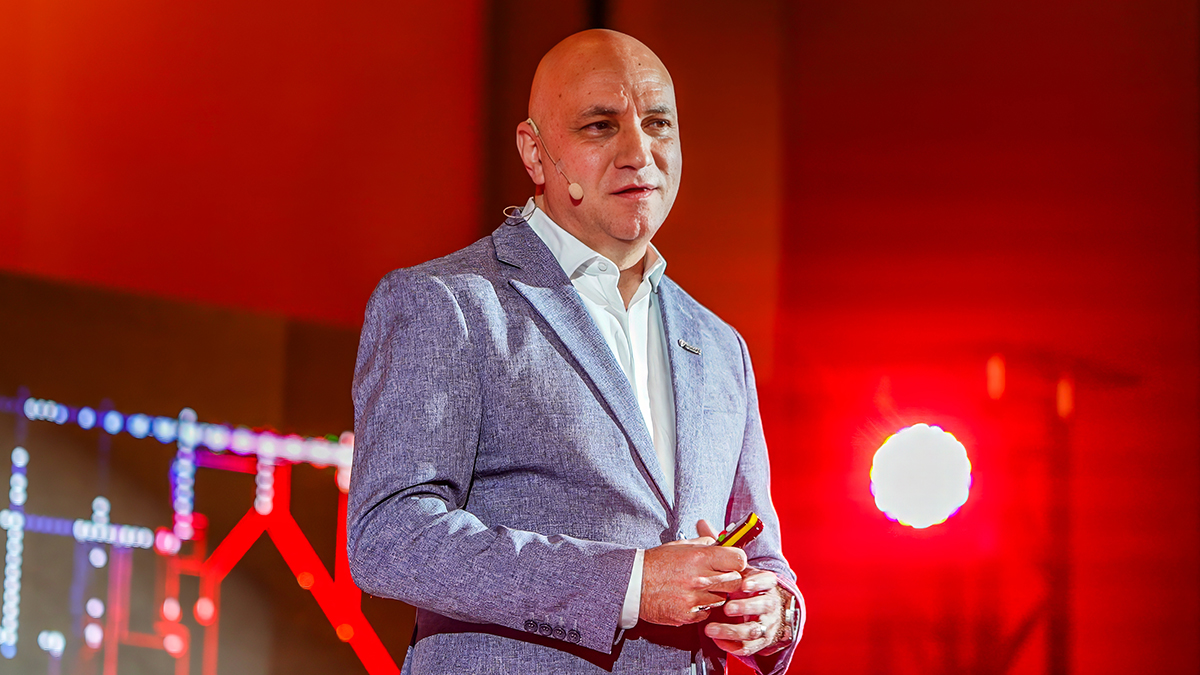
Artificial intelligence is making cyberattacks faster, more convincing and harder to distinguish from legitimate activity, forcing companies to rethink how they defend themselves, according to Abnormal AI CEO Evan Riser.
Riser told NYSE in a video posted on X that the rise of AI-generated attacks is exposing the limitations of traditional cybersecurity tools, which have historically relied on identifying known malicious files, websites and emails.
"The cybersecurity world used to run on threat intelligence, a list of bad stuff, but now every attack is unique," Riser said. But as AI makes attacks more sophisticated and individualized, that approach is becoming less effective, he said.
"They don’t really look like attacks. They kind of look like normal behavior," Riser said. That means companies will need to shift toward understanding what normal activity looks like and identifying anomalies in real time.
AI allows attackers to operate at machine speed rather than human speed while making phishing attempts and other attacks more convincing. Some AI-generated attacks may not resemble traditional threats at all, making them difficult for conventional systems and human security teams to identify.