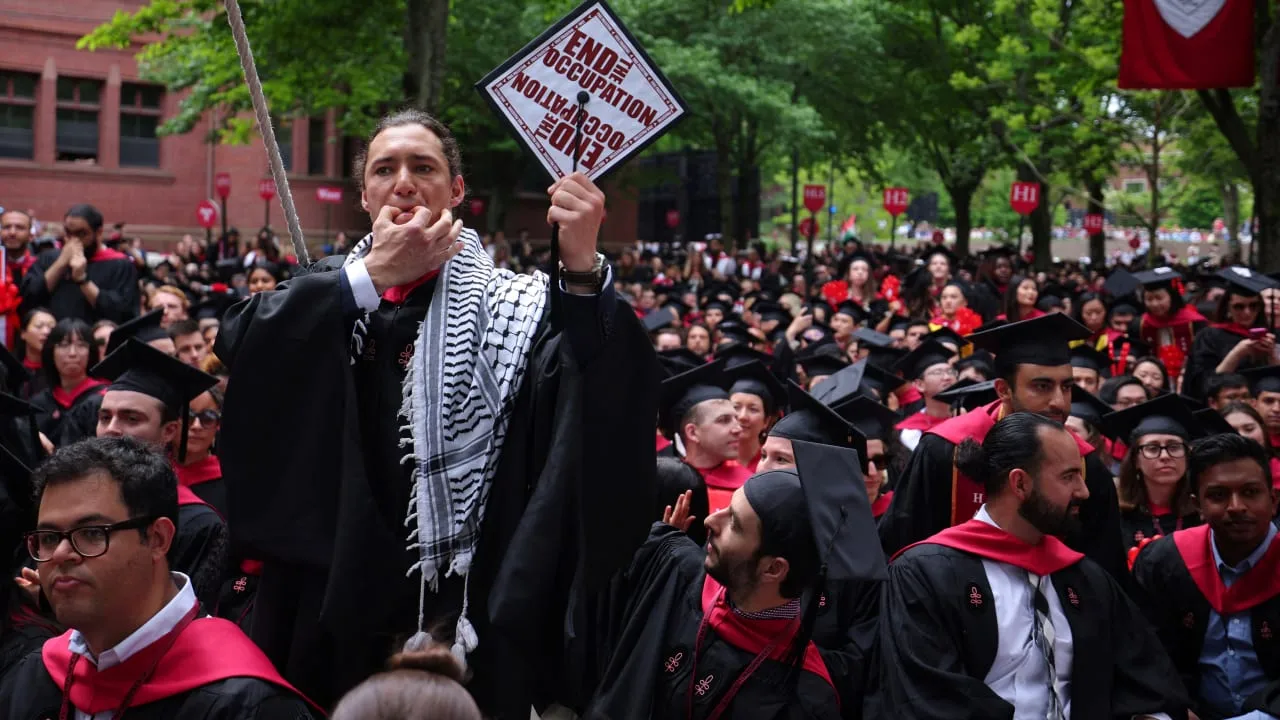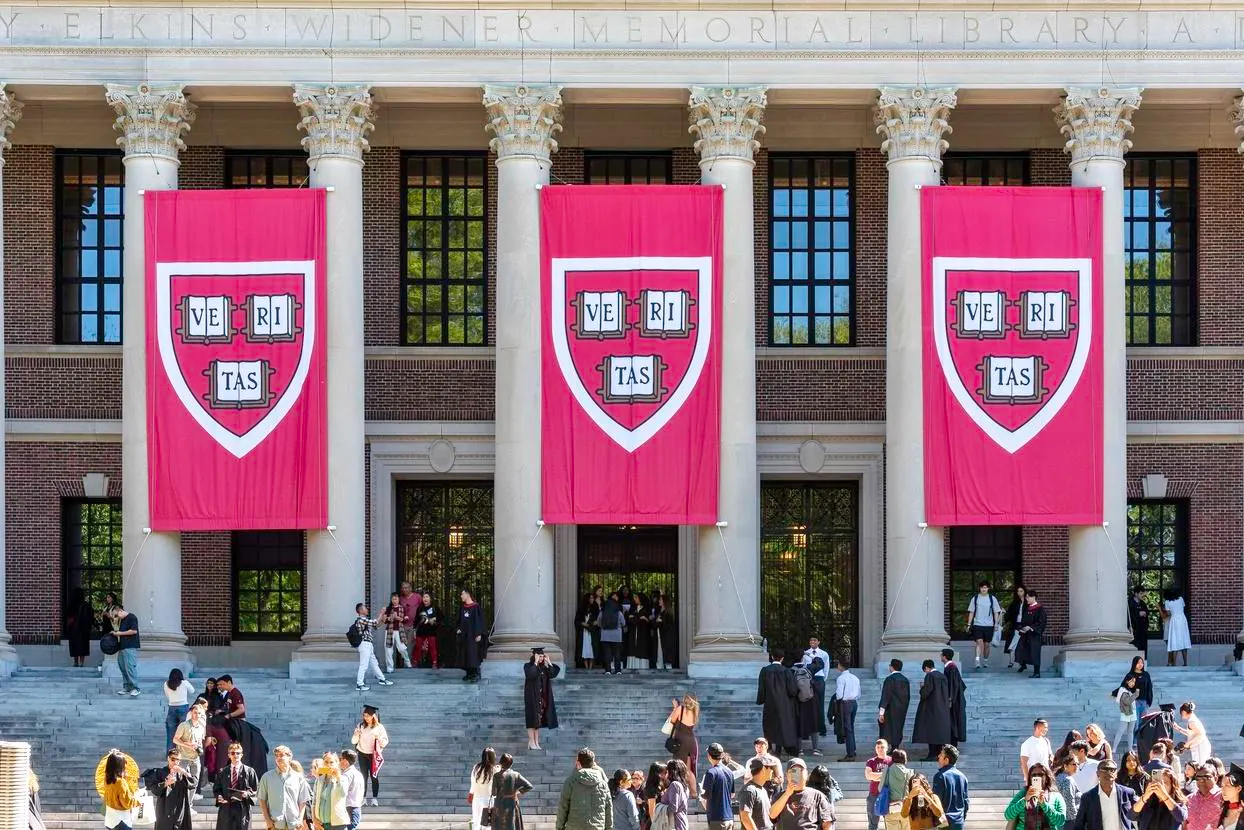
A federal Judge has dismissed the government's antisemitism lawsuit against Harvard, a major court victory for the university.gettyA federal judge dismissed the Trump administration’s antisemitism lawsuit against Harvard today, ruling that the incidents pointed to by the government were “too isolated and episodic” to show that the University had remained in violation of federal civil rights law. The decision represents a major legal victory for the university in its ongoing conflict with an administration that has threatened it with all kinds of lawsuits, sanctions and penalties. U.S. District Court Judge Richard G. Stearns wrote that the government’s amended complaint against Harvard focused almost entirely on incidents that had taken place during the 2023-2024 school year, but could point to only three other incidents of supposed discrimination since then, all of which took place in March 2025.'Without diminishing any concern arising from these occurrences, the court finds them, singly and collectively, to be too isolated and episodic to support a plausible inference that any institutionalized noncompliance with Title VI persists at Harvard to this day," wrote Stearns in his ruling.The administration’s suit against Harvard, filed in March by the U.S. Justice Department, alleged that the university had done too little to rectify antisemitism and discrimination against Jewish and Israeli students, arguing that the university had allowed anti-Israel protesters to violate school rules after the war in Gaza began in 2023. In fact, the government argued that Harvard’s responses to those events were so inadequate that they constituted “deliberate indifference.” “Instead of arresting the students or even timely stopping the occupation in violation of university policy, Harvard fed them,” according to the lawsuit.MORE FOR YOUIn its response, Harvard had asked the judge to dismiss the lawsuit on several grounds, arguing that the administration’s claims were outdated, failed to allege a continuing violation of civil rights law, and represented an attempt to illegally retaliate against the university. In his four-page decision, Stearns confined his ruling to Harvard’s first argument, namely, that the government had notsufficiently pled an ongoing violation of Title VI. That was enough to convince him to dismiss the lawsuit.The decision represents another major setback to the government’s far-ranging and ongoing pressure campaign to force Harvard to comply with various demands and pay a financial settlement. The administration has sought to freeze Harvard’s federal grants and has sought repayment of the funds it already disbursed.The White House and Harvard have yet officially responded to the decision.Harvard’s resistance to the government’s demands has been monitored closely by higher education leaders, many of whom point to it as the kind of principled stand that more universities need to take when pressured by the government to bend to the president’s preferred policies. The university has enjoyed a recent run of court victories involving its disputes with the administration. Another federal judge has previously found that the government had unlawfully terminated over $2 billion in federal grants awarded to Harvard. And last year, a judge stopped the administration’s attempts to revoke Harvard's ability to enroll international students.
Judge Tosses OutTrump Administration’s Antisemitism Lawsuit Against Harvard
A federal judge dismissed the government’s antisemitism lawsuit against Harvard, ruling that the incidents cited were “too isolated and episodic” to be a violation.
502 words~2 min read