About 133 million Nigerians are multidimensionally poor, with the majority living in rural and hard-to-reach communities, raising concerns that development policies and innovations may continue to leave millions behind.
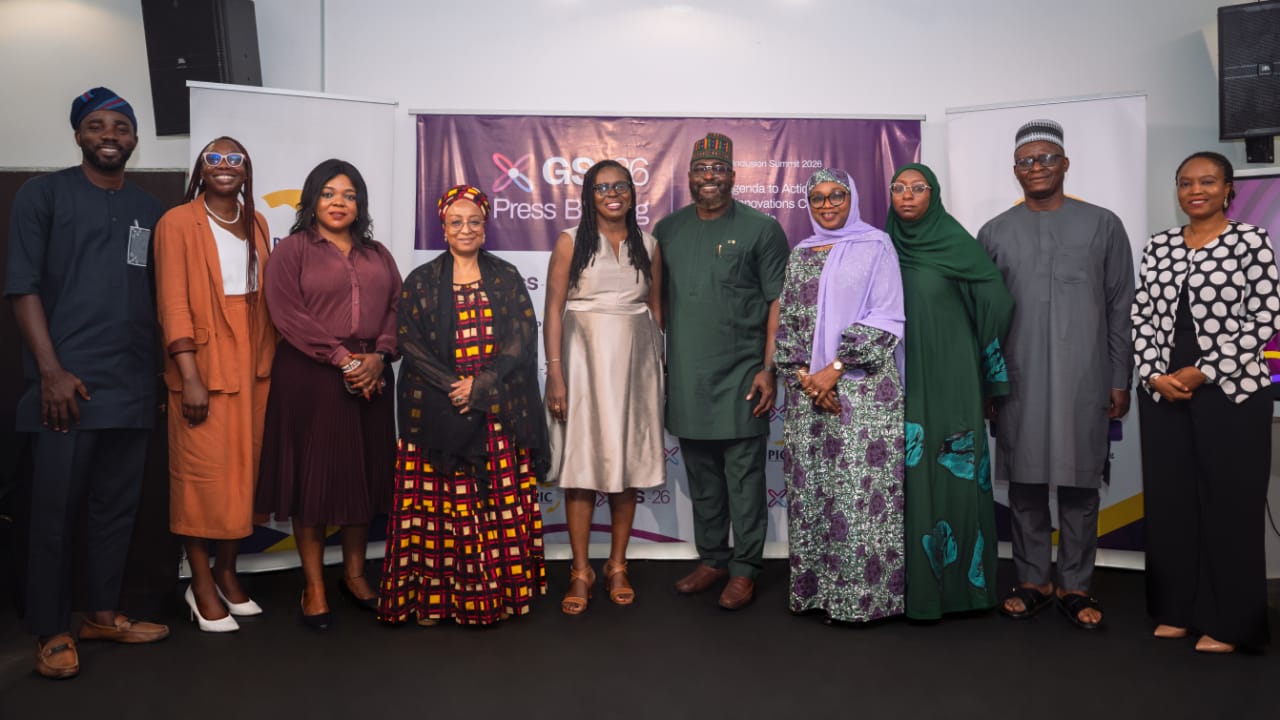
Experts raised the concern at a press briefing ahead of the 2026 Gender and Inclusion Summit (GS26) organised by the Policy Innovation Centre (PIC) in Abuja.
The summit, scheduled for September, is themed, “From Agenda to Action: Making Innovations Count for the Last Mile.”
The speakers said Nigeria’s challenge was no longer simply developing policies or creating innovative solutions, but ensuring that those solutions reached the people for whom they were intended.
Speaking at the briefing, the Executive Director of PIC, Osasuyi Dirisu, said the 2022 Multidimensional Poverty Index showed that 63 per cent of Nigerians, representing about 133 million people, were multidimensionally poor.