This audio is auto-generated. Please let us know if you have feedback.
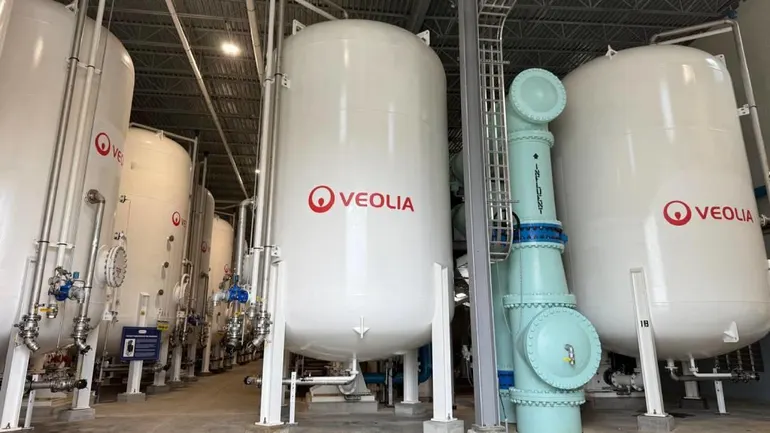
Veolia filed a lawsuit Tuesday against current or former manufacturers at six sites upstream of its drinking water plant in Wilmington, Delaware, alleging they contaminated water with per- and polyfluoroalkyl substances. The company is seeking to recover the cost to build its $35 million granular activated carbon facility last year that filters out PFAS at the Stanton Water Treatment Plant, plus ongoing maintenance costs.
The manufacturers produced a range of materials at the sites, including certain PFAS chemicals themselves. Veolia alleges current operations at all the defendants' sites continue to contribute to the PFAS load in the water that enters its Stanton plant.
The lawsuit is the latest example of a business seeking to shift liability for PFAS contamination upstream of facilities that did not actively manufacture or use the substances. PFAS, which are associated with negative health effects at small concentrations and do not fully break down in the envrionment, have been the subject of increasing regulation.
Among those regulations is the U.S. EPA's drinking water standard, which set maximum contaminant levels for six PFAS chemicals in 2024. Those limits were 4 parts per trillion for PFOS and PFOA, 10 parts per trillion for PFNA, PFHxS and HFPO-DA, the last of which are also known as “GenX Chemicals,” plus additional limits for mixtures of certain other PFAS chemicals. Delaware adopted all of those limits on Jan. 5, making Veolia subject to the limits. In May, the agency proposed rescinding the limit for chemicals covered under the 10 ppt category, though that process is ongoing.