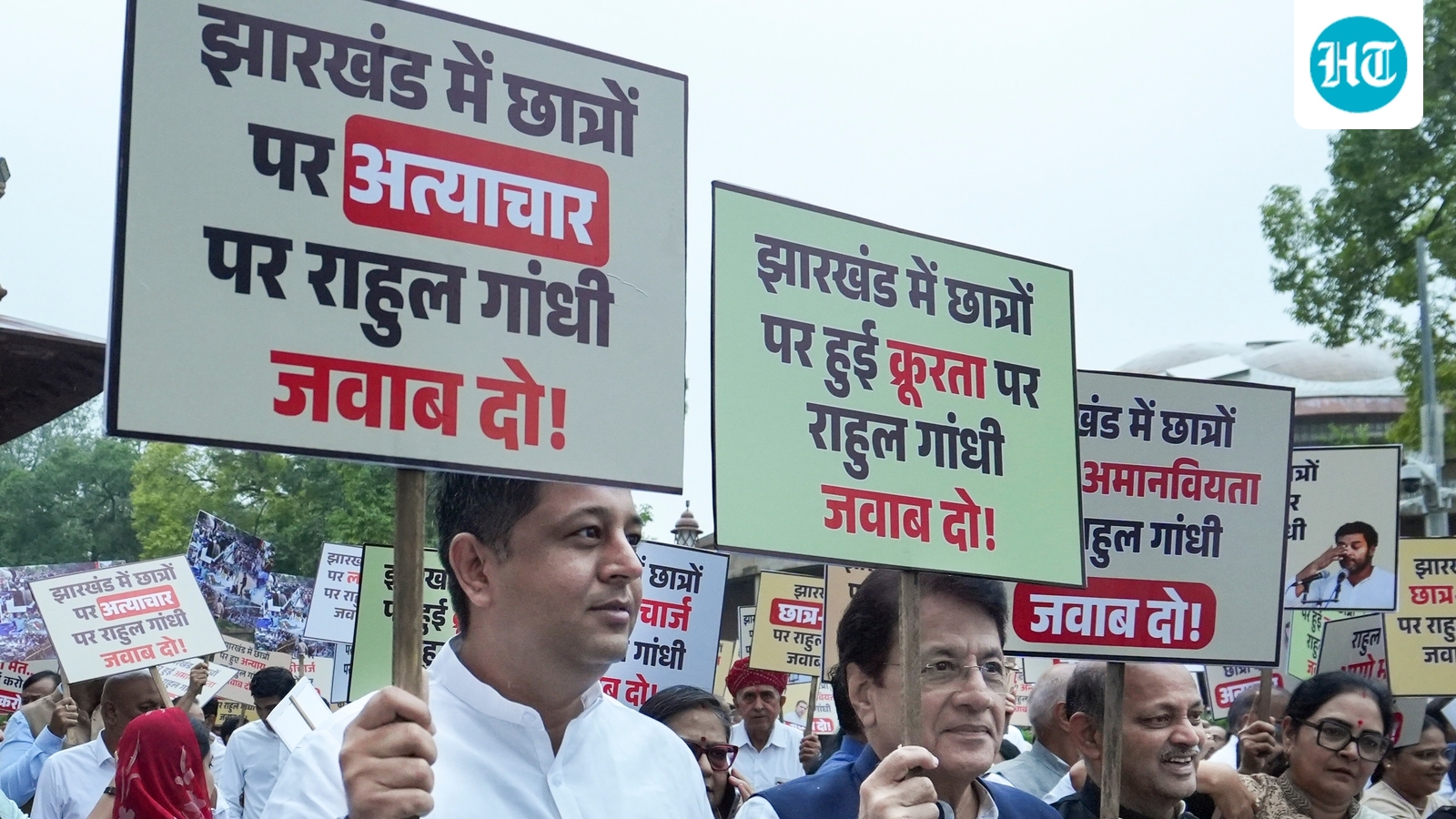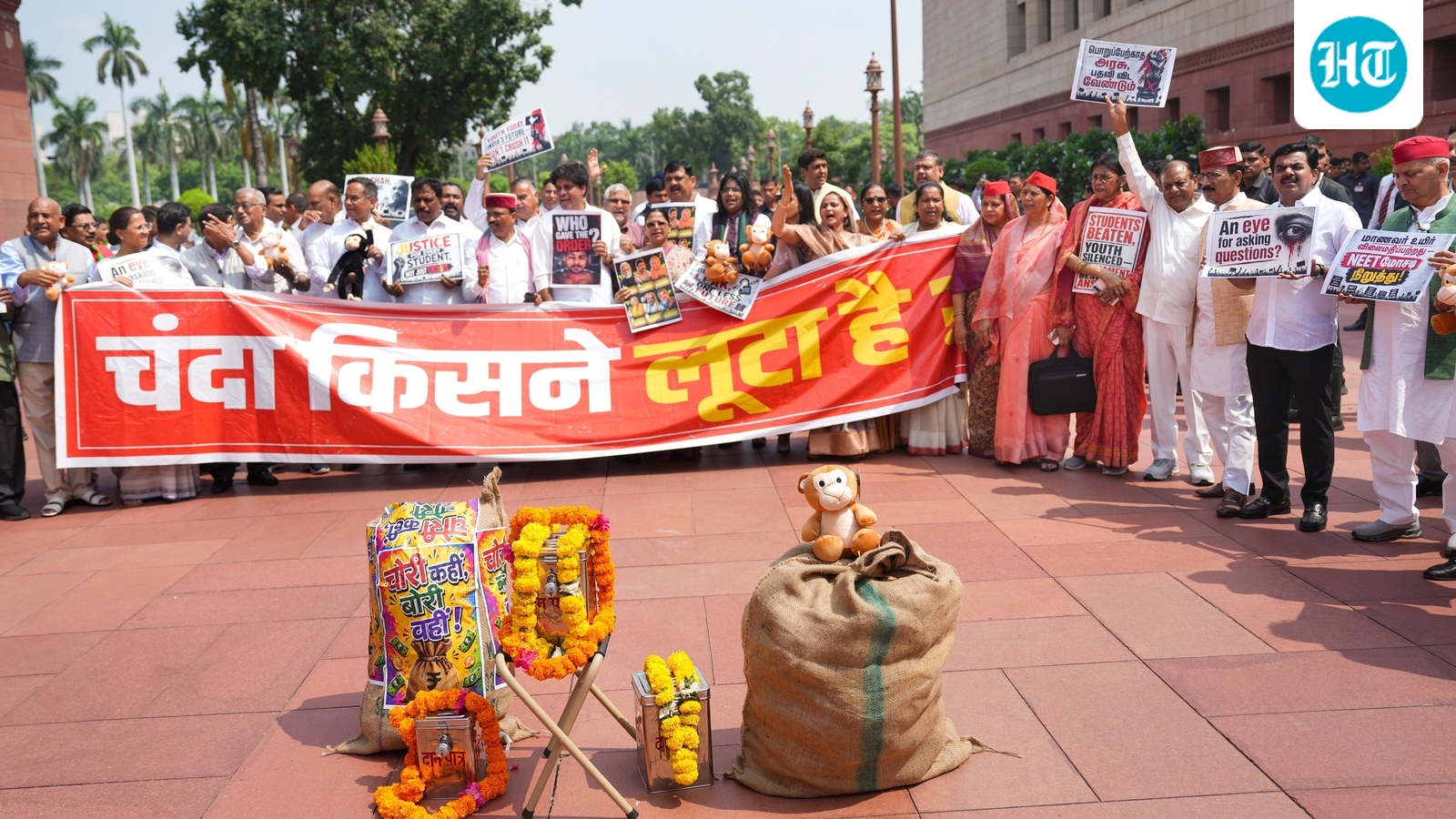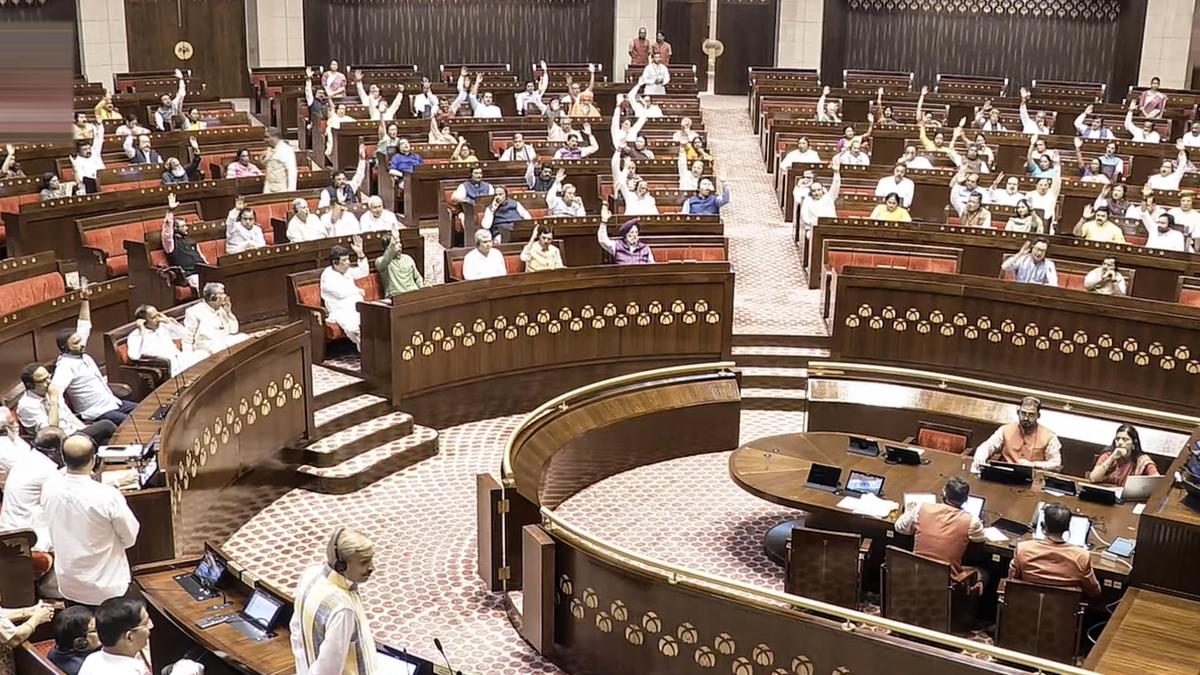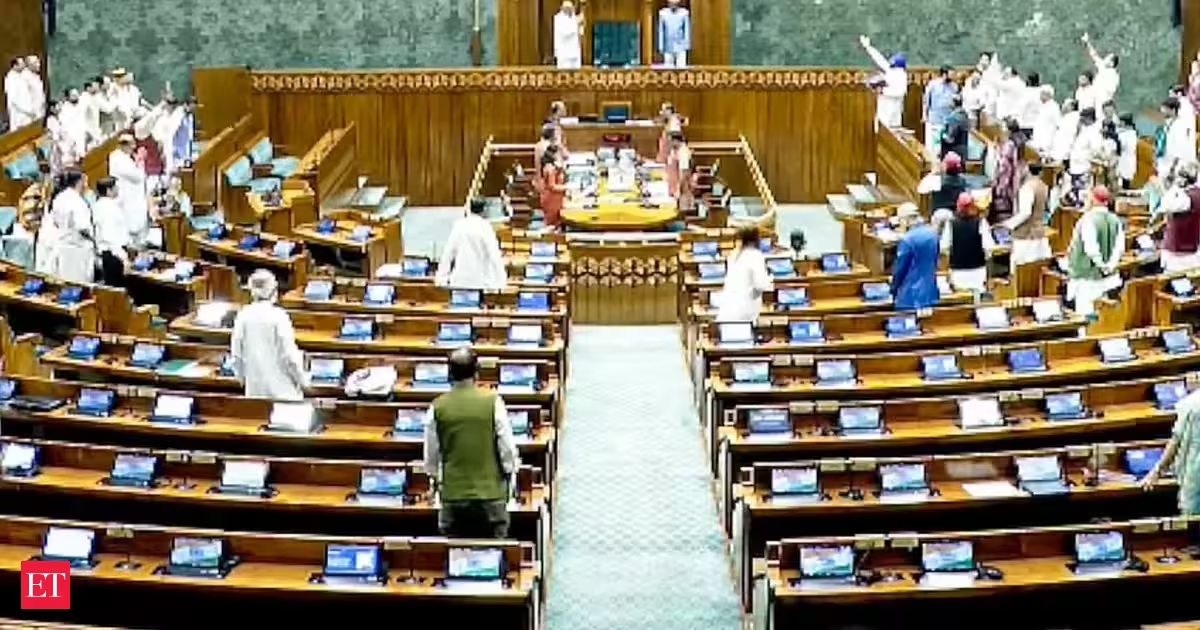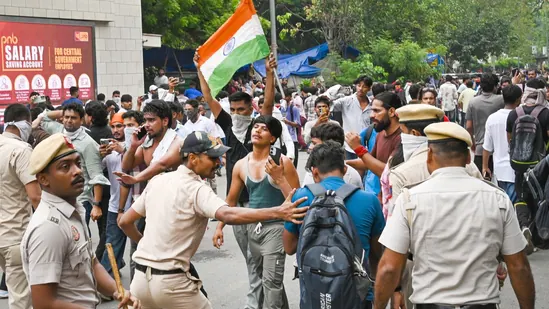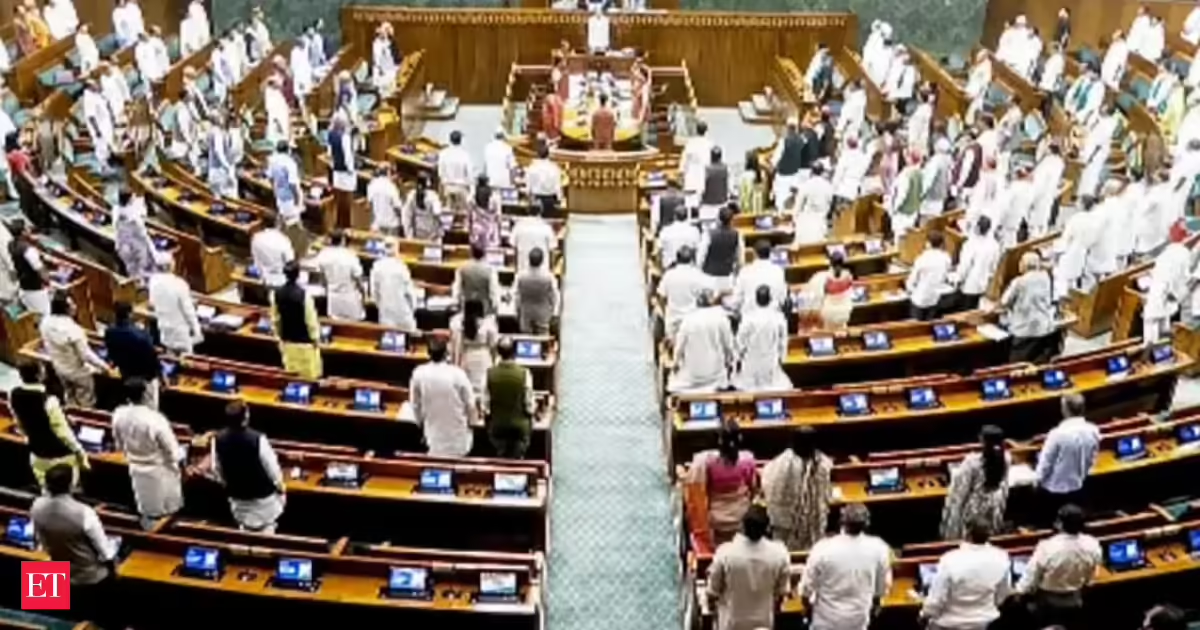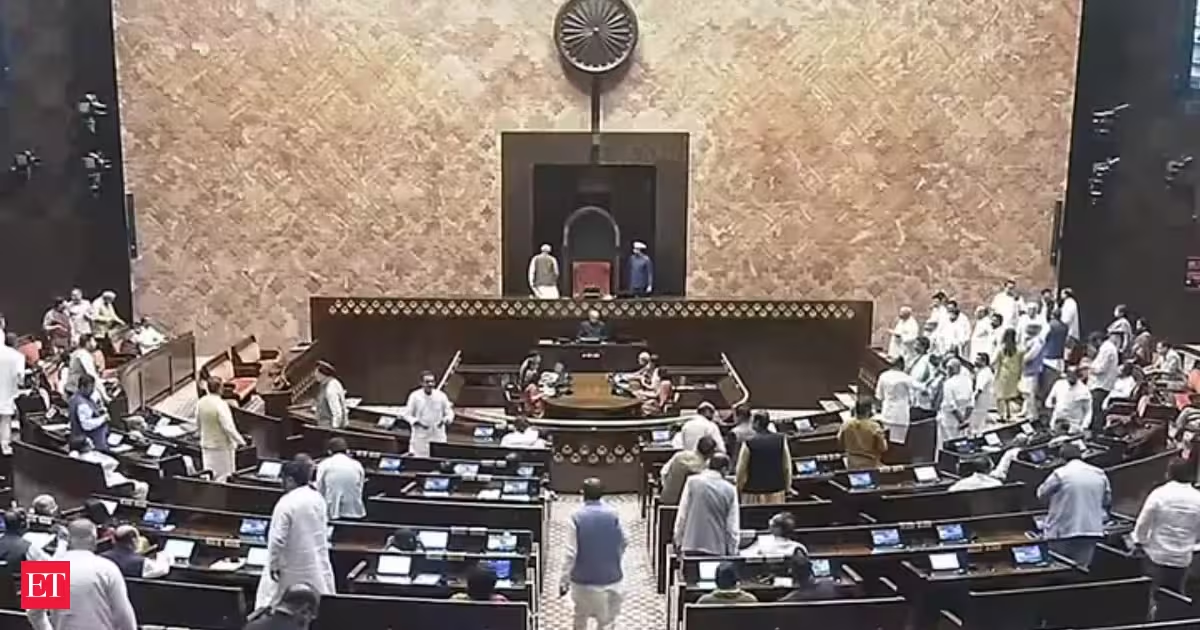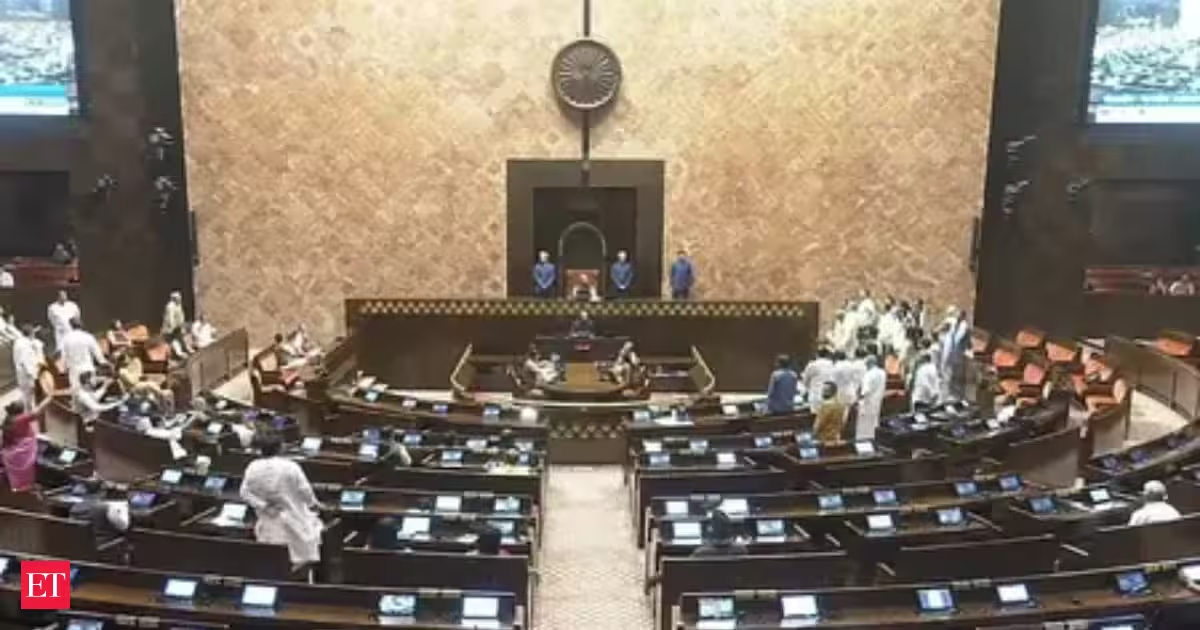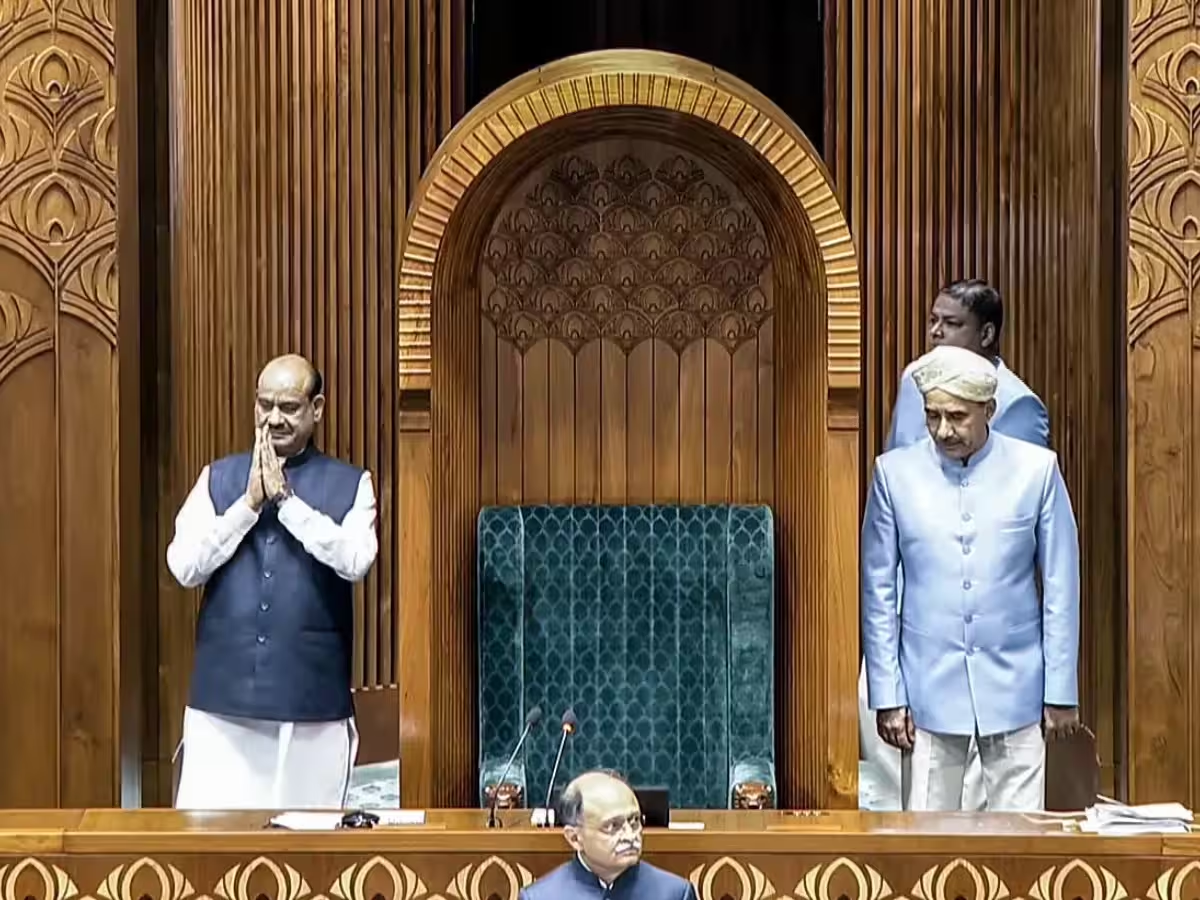
New Delhi: The tsunami caused by the Cockroach Janata Party protest at Jantar Mantar over the NEET paper leak issue washed away the monsoon session as the Opposition rode on the momentum in Parliament through disruptions and demonstrations, forcing the government to drop Bills or pass them without a discussion.Before the session began on July 20, there was speculation that the government would try to bring the Constitutional Amendment for Delimitation to increase the Lok Sabha seats and the Women’s Reservation Bill. While that was a no-show, the session ended with the government being forced to send the FCRA Bill to a Joint Parliamentary Committee for scrutiny and the resignation of a cabinet minister in between.This Parliament session would go down as the worst ever till date for the NDA government with several low points for the Narendra Modi dispensation, including the highly conspicuous absence from the two Houses of the prime minister and home minister Amit Shah on all 19 working days. The session was held in the shadow of the Cockroach Janata Party-led agitation at Jantar Mantar over the NEET paper leak issue that led to the resignation of Education Minister Dharmendra Pradhan, only the second minister in the last 12 years who was forced to quit.In an unprecedented scenario, Prime Minister Modi and Home Minister Shah visited Parliament on all days in this session and spent hours in their offices but did not come to the Lok Sabha or the Rajya Sabha. A charged Opposition put the government on the mat over the use of pellet guns against NEET paper leak Gen Z protesters and the donation theft at Ayodhya Ram temple controversy, demanding statements by the HM and PM on the two issues respectively as the condition for allowing the Houses to function.The Opposition, which was going through a low patch and hopelessness after the 2024 Lok Sabha elections due to BJP wins in Assembly polls thereafter, rode on the palpable anger of youth over high unemployment, paper leak to corner the government. Pradhan became only the second minister, after MJ Akbar, to quit in the wake of a controversy.BJP’s defeat in the Bankipur Assembly by-poll made matters worse for the ruling party as this seat is the pocket borough of new party chief Nitin Nabin. Jan Suraj Party Chief Prashant Kishor won by 19000 odd votes, weaning away BJP core voters like Brahmins, Bhumihars, Kayasthas. Muslims moved from RJD to JSP.In this monsoon session, Lok Sabha passed 11 Bills of which only two were discussed in the House while nine were passed without any MP (other than the Minister) speaking on them, according to PRS data.Rajya Sabha fared no better with Congress and TMC, among others, not taking part in discussion on any Bill. Those from BJP-led NDA and parties like DMK and BJD were given just a few minutes before the Bills were summarily passed. For example, 16 MPs spoke for only 50 minutes cumulatively on the Bill amending the Registration of Births and Deaths Act, 1969. Each MP spoke for an average of three minutes.In his valedictory address, Rajya Sabha Chairman CP Radhakrishnan said the House functioned for only 37 hours and 49 minutes, recording a dismal productivity of 39.17 per cent.Expressing deep concern over disruptions by the Opposition, Radhakrishnan said, “It is a matter of regret that the session was marked by persistent disorder and frequent disruptions, which repeatedly derailed the business of the House.”PRS data shows disruptions affected Question Hour in both Houses. While Lok Sabha functioned for only 1% (9 minutes) of its scheduled time, Rajya Sabha clocked just 12% (2 hours) of Question Hour in these 19 days. Only 2 out of 380 questions were answered orally in Lok Sabha and 16 out of 285 questions in Rajya Sabha.The NEET paper leak protest also forced the government to bring The Public Examinations (Prevention of Unfair Means) Amendment Bill, 2026. Government tried to raise the nationalist pitch by bringing The Prevention of Insults to National Honour (Amendment) Bill, 2026 on Vande Mataram.The Opposition had an upper hand in this session as it stuck to its demand that Shah make a statement on the use of excessive force against student protesters. It upped the ante later, demanding Shah’s resignation. It also demanded a clarification from the prime minister on the donation theft at the Ayodhya Ram temple, arguing he had formed the temple Trust.Government relented to the demand for Shah’s statement only a day before the session ended. Shah wrote to the Lok Sabha Speaker Om Birla stating his willingness to speak on the issue.
CJP protest tsunami washed out monsoon session, Opposition rode on the momentum - The Economic Times
The monsoon session saw repeated disruptions over the NEET paper leak protests and Ayodhya temple controversy, with Rajya Sabha recording 39.17% productivity. The government faced setbacks including Education Minister Dharmendra Pradhan’s resignation and referral of the FCRA Bill to a parliamentary panel.
764 words~3 min read