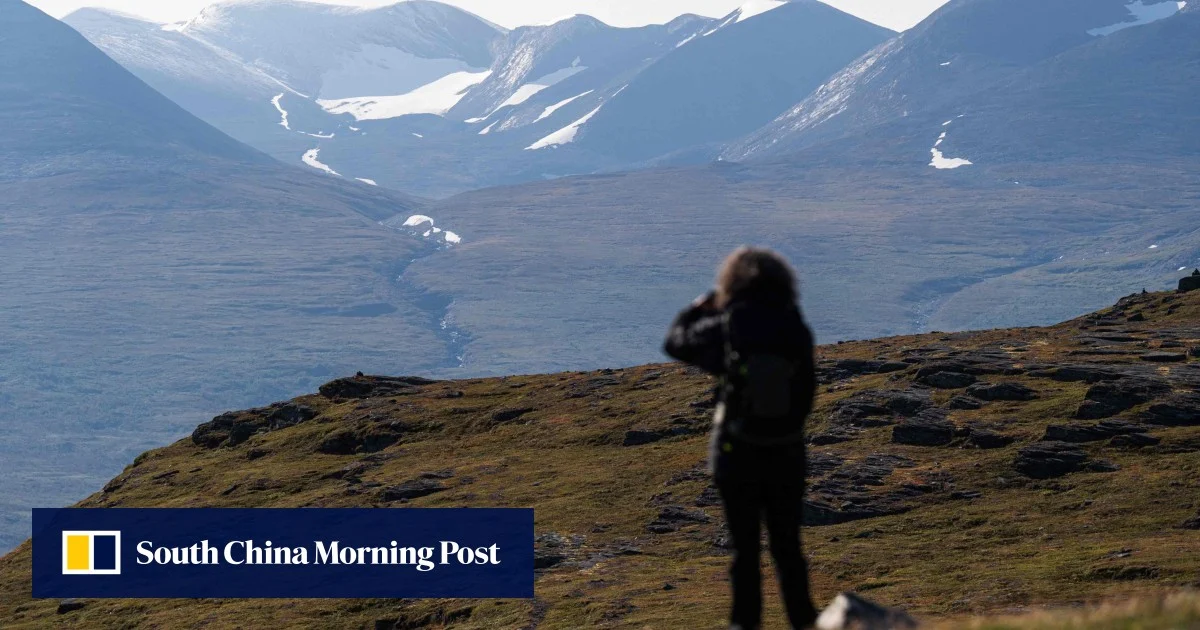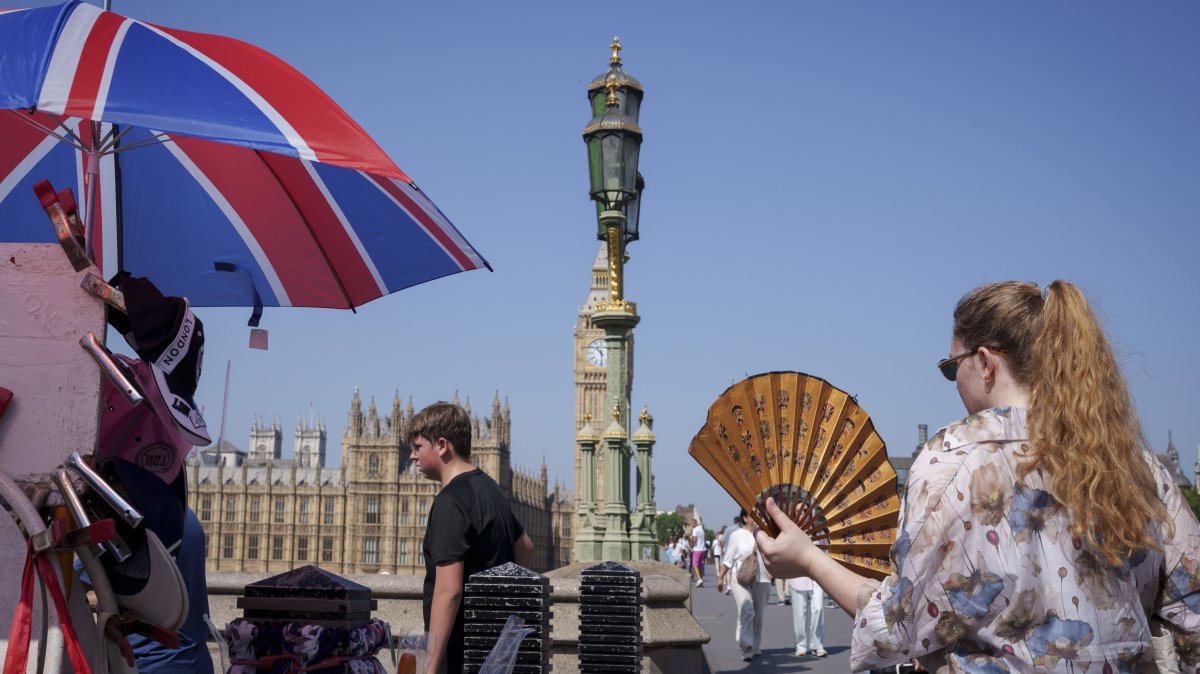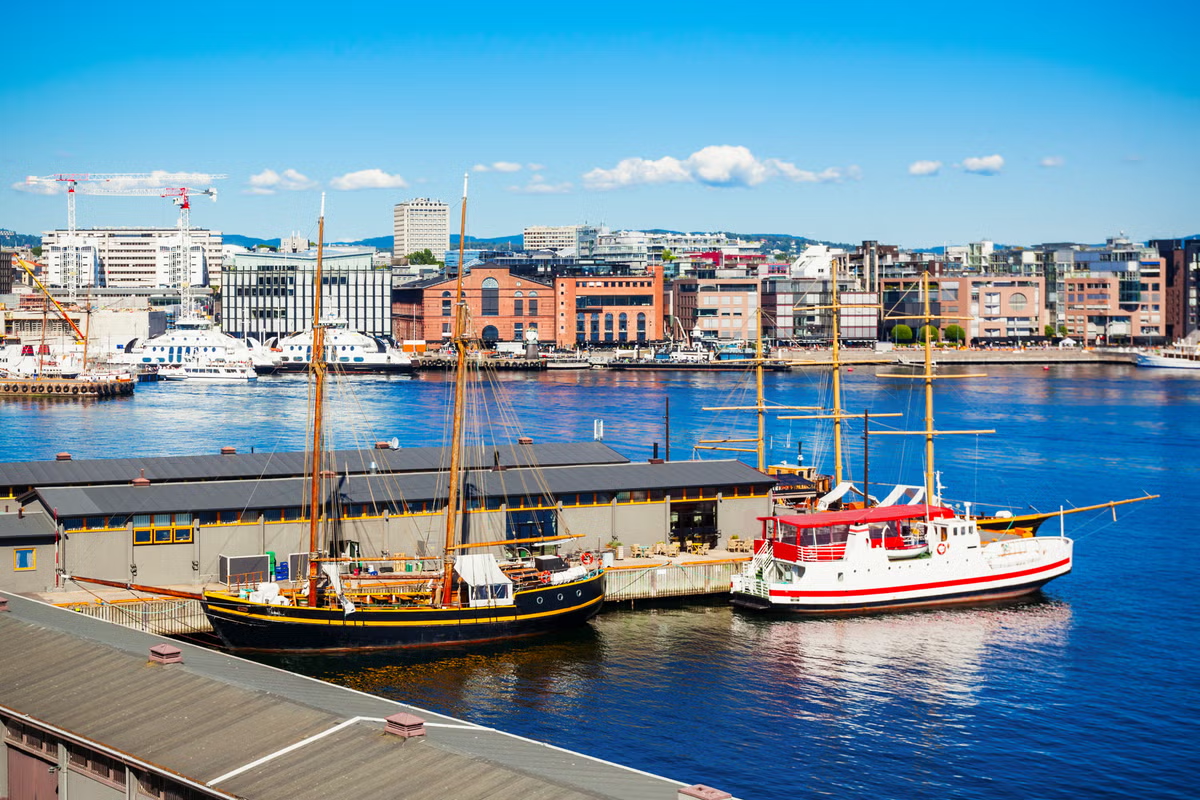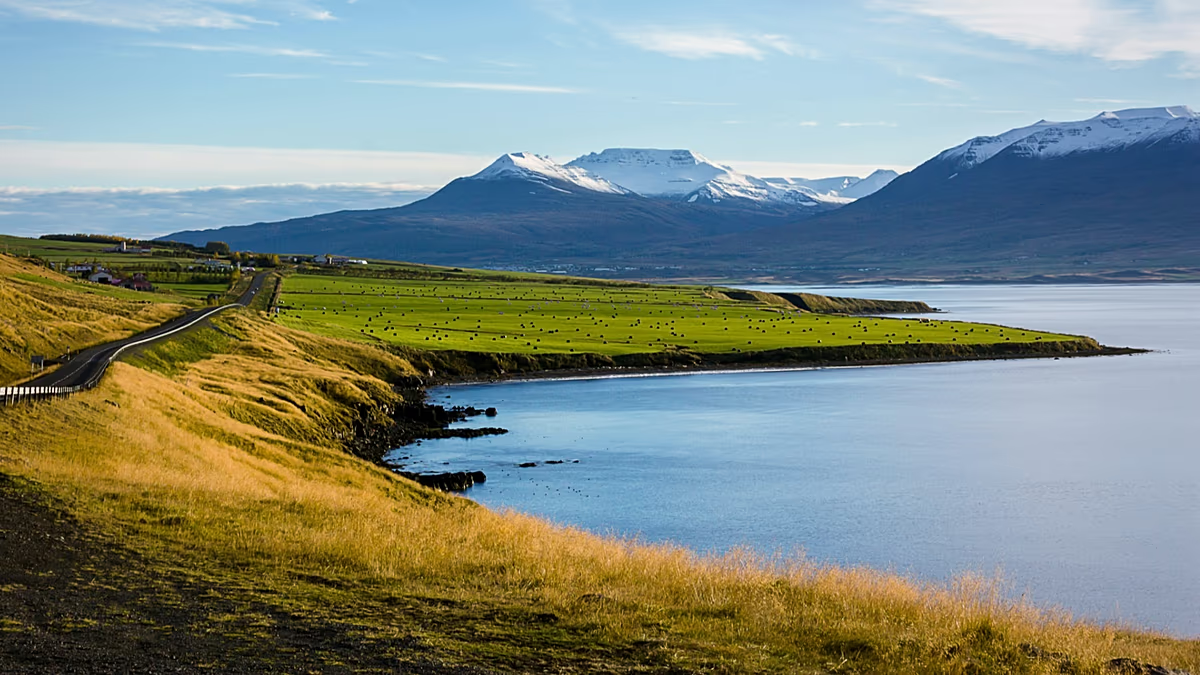
Bridge to Sommaroy under the summer midnight sun in Tromso, Norway—coolcations, taking a summer holiday in the northern hemisphere away from the hotter areas, are gaining in popularity.gettyAs climate change drives record temperatures across Europe and the U.S. this summer, travelers are beginning to rethink the traditional summer vacation. The search for a cool location is reshaping where—and when—people choose to travel, but it isn’t the only factor in play, so it may take time for behaviors to fully change.This Summer, Europe And The U.S. Have Seen The Highest Recorded Temperatures On a Tuesday in June, France recorded its highest average temperature ever—an event symptomatic of a summer that has seen some of the highest temperatures. CNN reports that July was the hottest month in the U.S. since records began in 1895.By August, after five consecutive heat waves, the EU’s climate monitoring service Copernicus announced the hottest June-to-July period on record, as reported by The New York Times. The average temperature of 21.62°C—2.79°C above average—was higher than the previous record set in 2022.This Extreme Heat Changes Our Behavior, Including Around VacationsA new poll from The Associated Press-NORC Center for Public Affairs highlights just how far extreme heat impacts many of our daily decisions and activities—sleep, exercise, energy bills and work. The poll also highlights that 42% of U.S. adults report that extreme heat has affected their travel or vacation plans over the last year, up from 26% in July 2024.Sensible Weather, a provider of weather guarantees for the travel and hospitality industry, recently surveyed 600 U.S. leisure travelers for its Weather Uncertainty & the Modern Traveler Report. The poll found that bad weather was the second-highest concern for those surveyed (ranking above safety and flight disruptions and second only to cost). These findings underscore how much weather can influence travel decisions.Going further, the expat insurance platform, Feather, ran a poll of 2,000 people across the U.K., France, Germany and Italy in late June, during the heatwaves. It found that climate is now a named reason people are considering leaving their country. The sample is small, but 21% of French people polled said that extreme weather has made them more open to living abroad, the highest of the four markets, and 16% of Britons polled said the same.People Aren’t Yet Skipping The Warmer EU Destinations This SummerThe Mediterranean beaches currently feel far from empty. The statistics show that Asian travelers have continued to visit Europe in their numbers despite soaring temperatures and forest fires across parts of the continent.CNBC reports that searches for European destinations by Asian travelers rose 57% year-on-year during the July-August travel season. And Edmund Ong, senior regional director, Southeast Asia, at Trip.com, told CNBC that there were also improved conversion rates from searches to bookings. But Interest In Coolcations Is Warming UpCoolcations are not a new phenomenon amid the climate crisis, but their popularity is rising. While France, Spain and Italy remain firm favorites, CNBC reports an increased interest in cooler destinations, such as Norway, Iceland, Finland and the Dolomites.Euronews reports supporting data that coolcations are becoming more popular. The French version of Hotels.com saw a 246% increase in searches for rooms in Copenhagen, the Danish capital, since the first French heatwave in May, and searches from France rose by 151% for Dublin.And while it seems obvious to holidaymakers looking to escape the heat that one should travel north of perennial Mediterranean favorites, Holafly, the provider of traveler eSims, has put together a top ten of places that don’t just offer colder temperatures, but it also ranked places based on climate relief, accessibility, traveler interest, visitor experience, and value, so it takes more of the entirety of the travel experience into account. The Global Cool Escape Index identifies the top destinations offering the best overall coolcation experience worldwide for summer 2026:Queenstown, New ZealandTromsø, NorwayBariloche, ArgentinaHelsinki, FinlandAnchorage, United StatesReykjavik, IcelandSan Francisco, United StatesBanff, CanadaCape Town, South AfricaZermatt, SwitzerlandThese destinations will be worth looking into for summer 2027. Alfonso Mata, Head of Strategy at Holafly, says of the index that “extreme heat is no longer just a minor inconvenience; it’s actively reshaping global travel patterns and booking decisions."Europe Is The Fastest-Warming Continent, So This Trend Will ContinueIt seems the most accurate conclusion for 2026 is that summer travel in the Northern Hemisphere may be showing early signs of diversification due to extreme heat. And that’s because temperature isn’t the only factor when booking a holiday. Price plays an important role, and the simple fact is that many places in Southern Europe are much cheaper than Northern Europe. In addition, many of these warming Mediterranean countries are better equipped than others in terms of tourist infrastructure because they’ve been welcoming so many visitors for so many years.The climate, cost and infrastructure are not the only factors at play for future summers, either. European overtourism will discourage visitors year on year, for sure. And shoulder seasons are getting longer in Mediterranean destinations—they used to be May and September, and now it’s much more agreeable in terms of crowds and temperatures in March and October in southern Europe.It remains to be seen how quickly the trend shifts, but it is clear that coolcations are more likely as southern Europe becomes increasingly uncomfortable in August.MORE FROM FORBESForbesHow To Move Or Retire To SpainBy Alex LedsomForbesWhy Bulgaria's 2026 Digital Nomad Visa Is Worth ConsideringBy Alex LedsomForbes3 Destination Dupes For Europe’s Most Crowded HotspotsBy Alex Ledsom
Extreme Heat Is—Slowly—Pushing Summer EU Travel Towards Coolcations
With record temperatures, travelers are rethinking travel but heat is not the only factor in play in our vacation decisions and it may take time for coolcations to hit.
901 words~4 min read