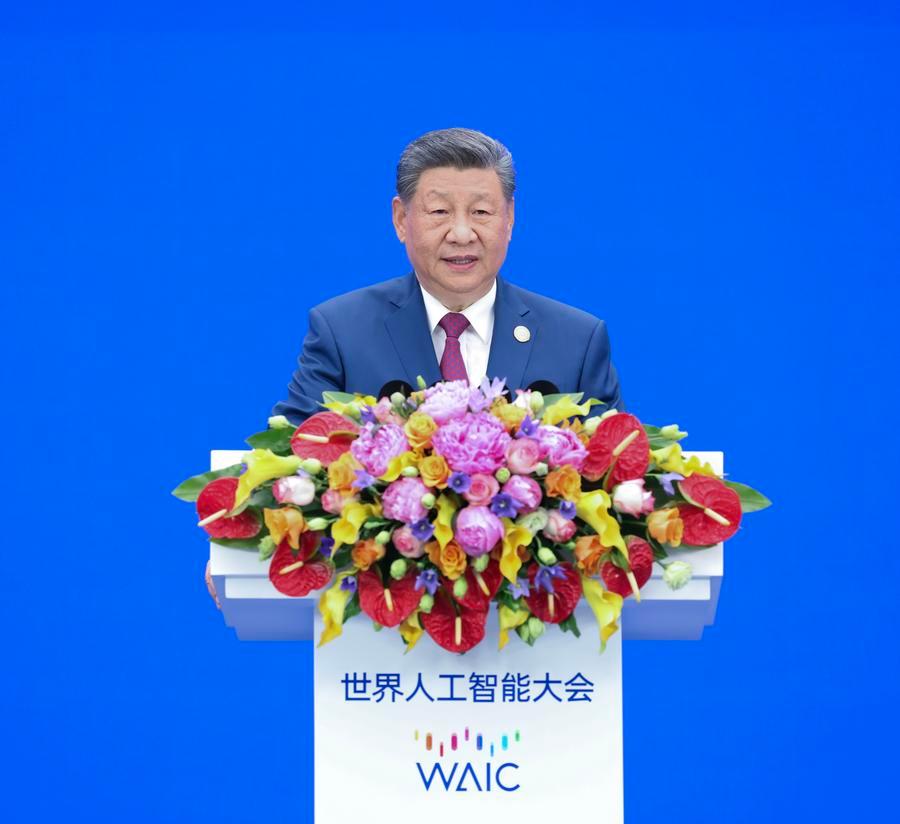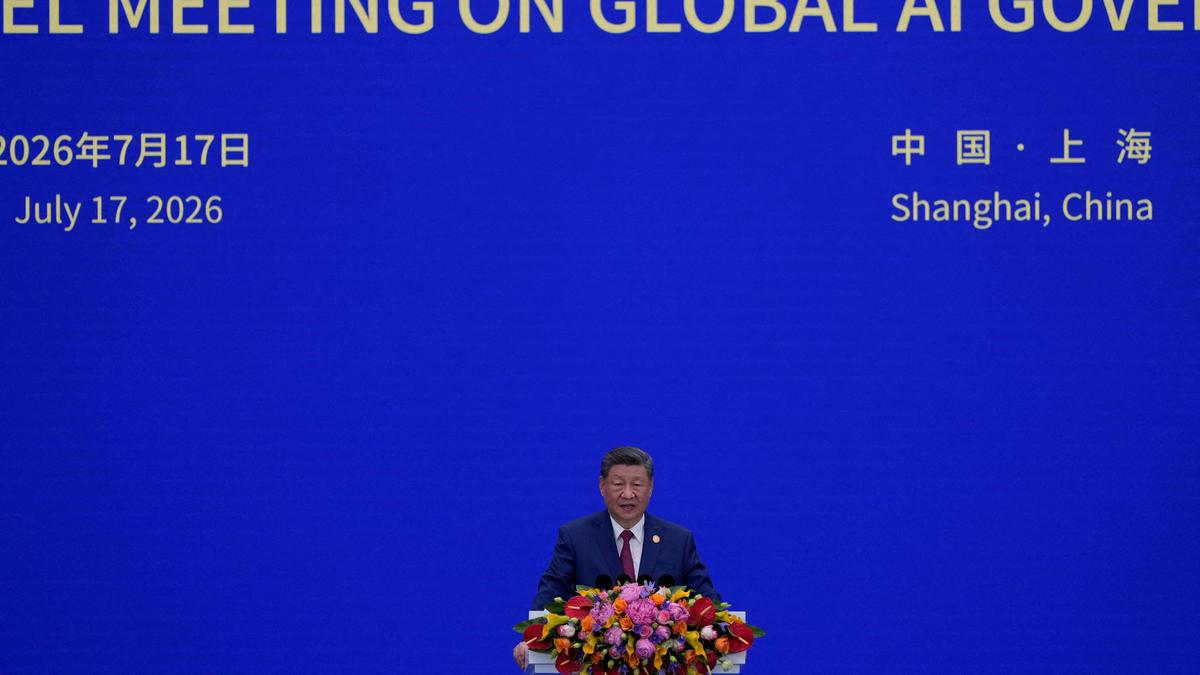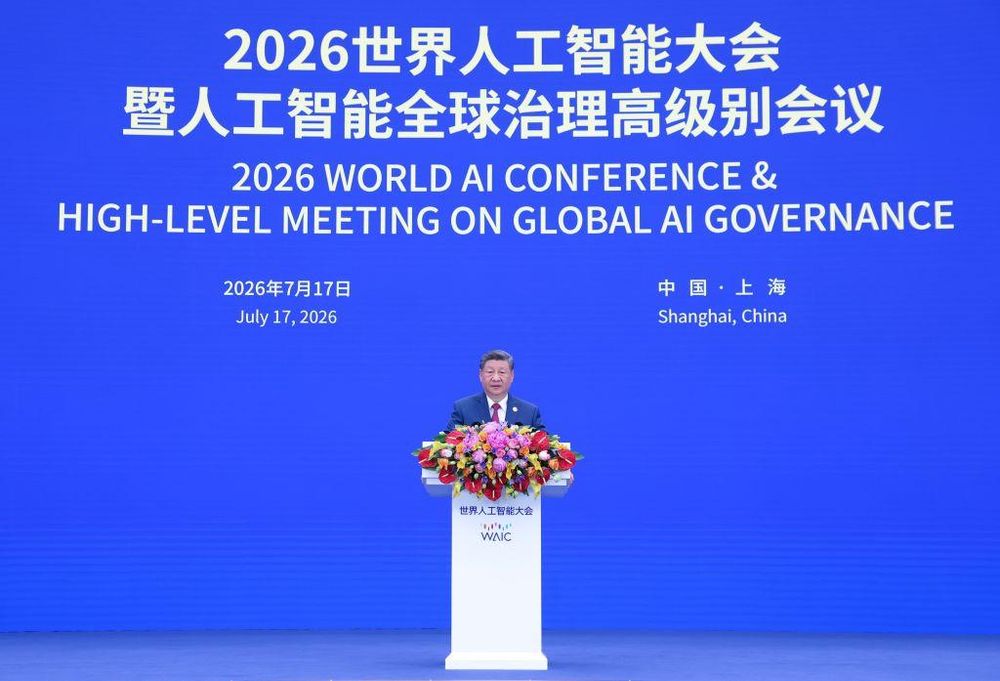
Chinese President Xi Jinping delivers a keynote speech at the opening ceremony of the 2026 World AI Conference and High-Level Meeting on Global AI Governance in Shanghai, east China, July 17, 2026.
When President Xi Jinping stood before heads of state and international delegates on the banks of the Huangpu River on July 17, 2026, he was not merely opening another technology conference. He was proposing an alternative architecture for how the world governs one of the most consequential technologies of this century.
In his keynote address at the opening of the 2026 World Artificial Intelligence Conference (WAIC) and the High-Level Meeting on Global AI Governance in Shanghai, titled "Joining Hands to Build a Just and Equitable System for Global AI Governance," he laid out a vision that fused domestic industrial ambition with a deliberate, structured appeal to the Global South. A day earlier, twenty-nine countries had already signed the agreement that established the World Artificial Intelligence Cooperation Organization (WAICO), a new Shanghai-headquartered intergovernmental body billed as the world's first dedicated exclusively to AI cooperation and governance.
Taken together, the speech and the new organisation mark a significant moment in the global contest over who writes the rules for artificial intelligence, and how.