Public health experts have been quick to condemn an executive order from President Donald Trump aimed at upending childhood vaccinations in the U.S., but the biggest obstacles may be the unprecedented financial and logistical challenges it would impose on parents, health providers, and drugmakers.
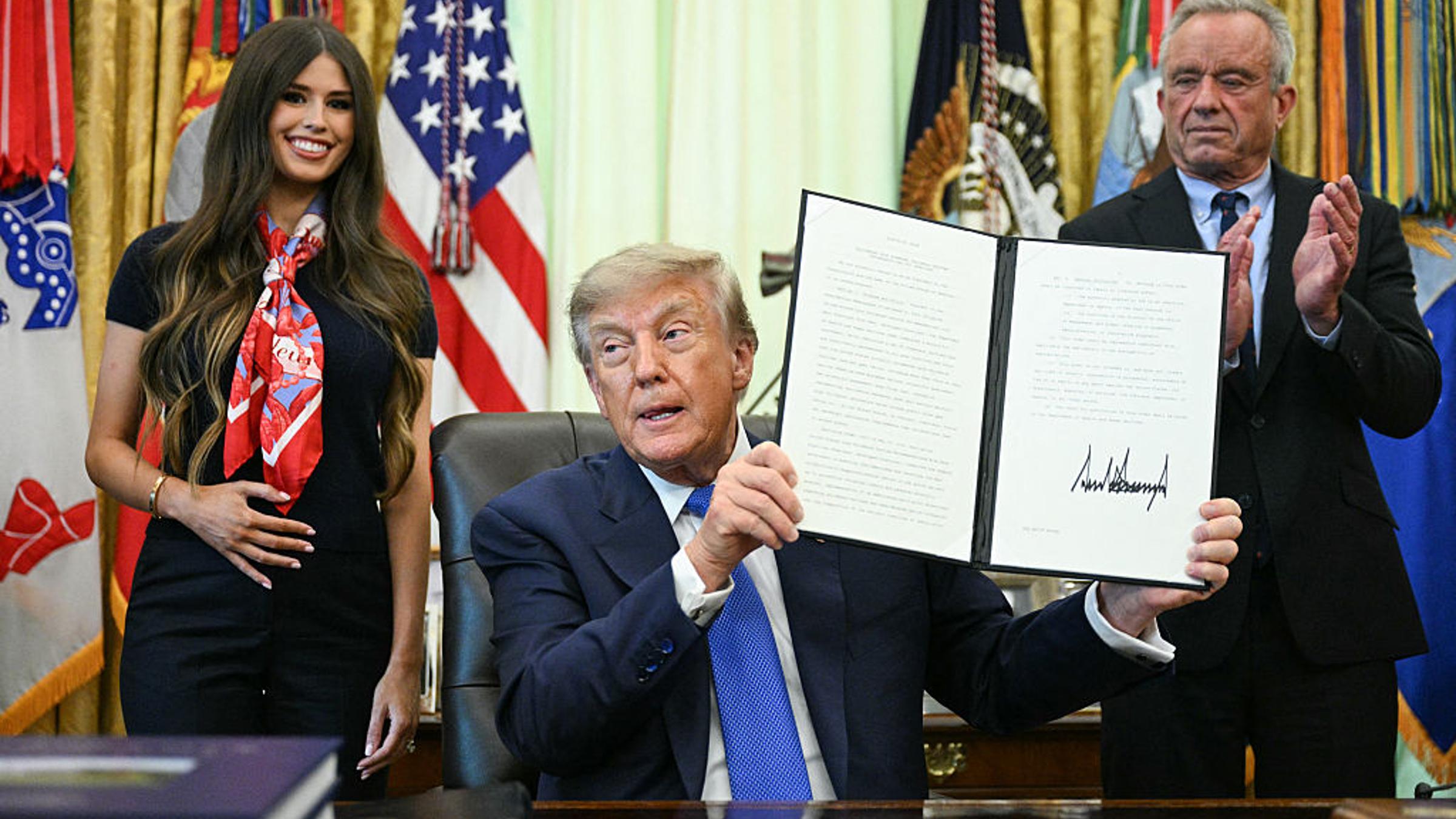
Monday's announcement by the Republican president calls for separating combination shots -- including the measles, mumps, and rubella, or MMR, vaccine -- into separate injections. Appointments for that and other vaccinations should be spaced out whenever possible, the order states.
To accomplish that, drugmakers would need to revive a slate of individual vaccines that have not been marketed separately in the U.S. for decades. They would also have to build new manufacturing plants capable of producing millions more vaccine doses than the nation currently uses.
For parents, unbundling the MMR vaccine and spacing out the shots would mean returning to the doctor's office many more times than is currently needed. Those appointments could also strain pediatricians who typically administer the shots, while driving up costs tied to syringes and other medical supplies.
Studies in the U.S. and other countries have shown that combination vaccines increase the likelihood that children will be fully protected from infectious diseases before starting school.