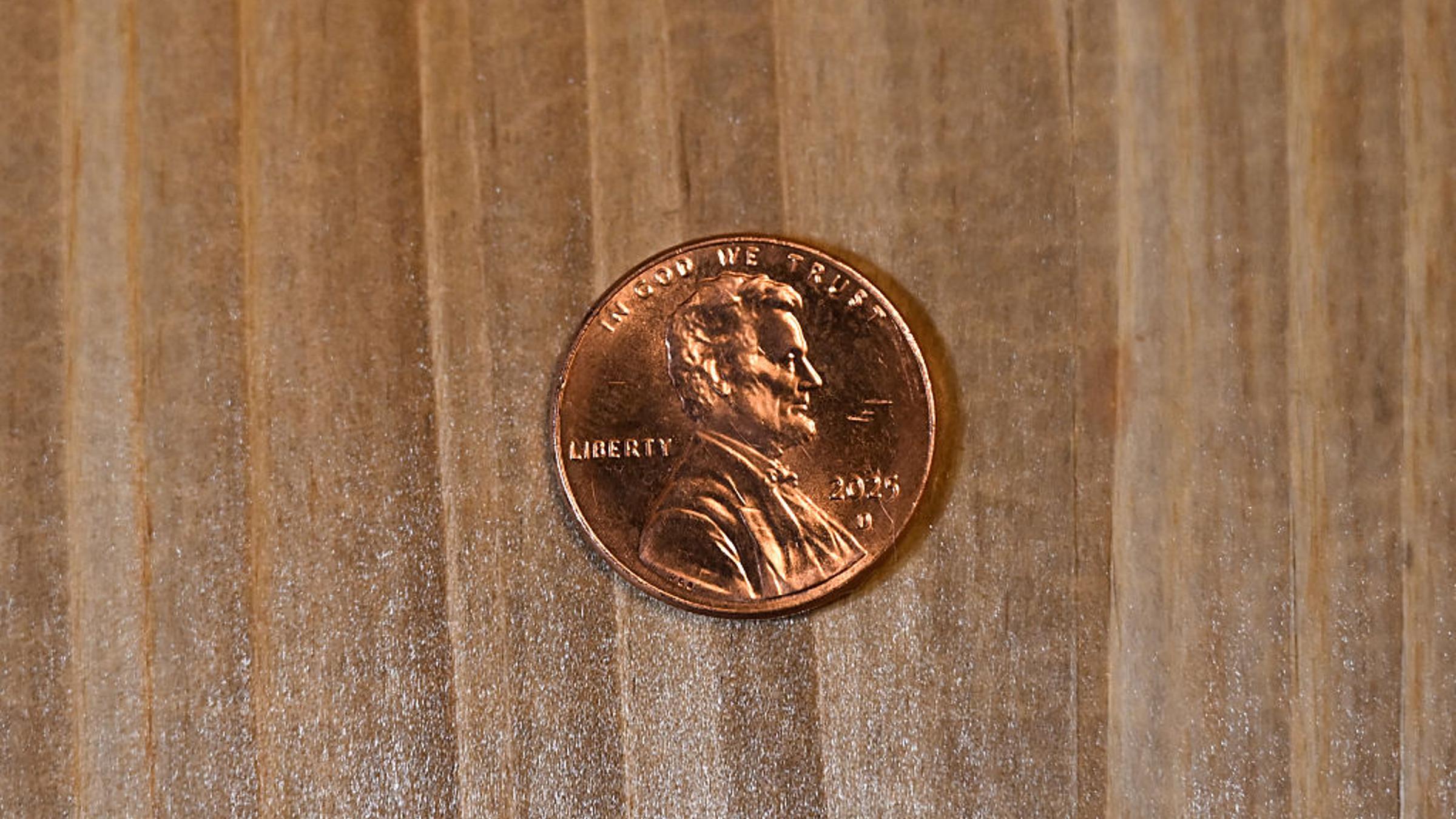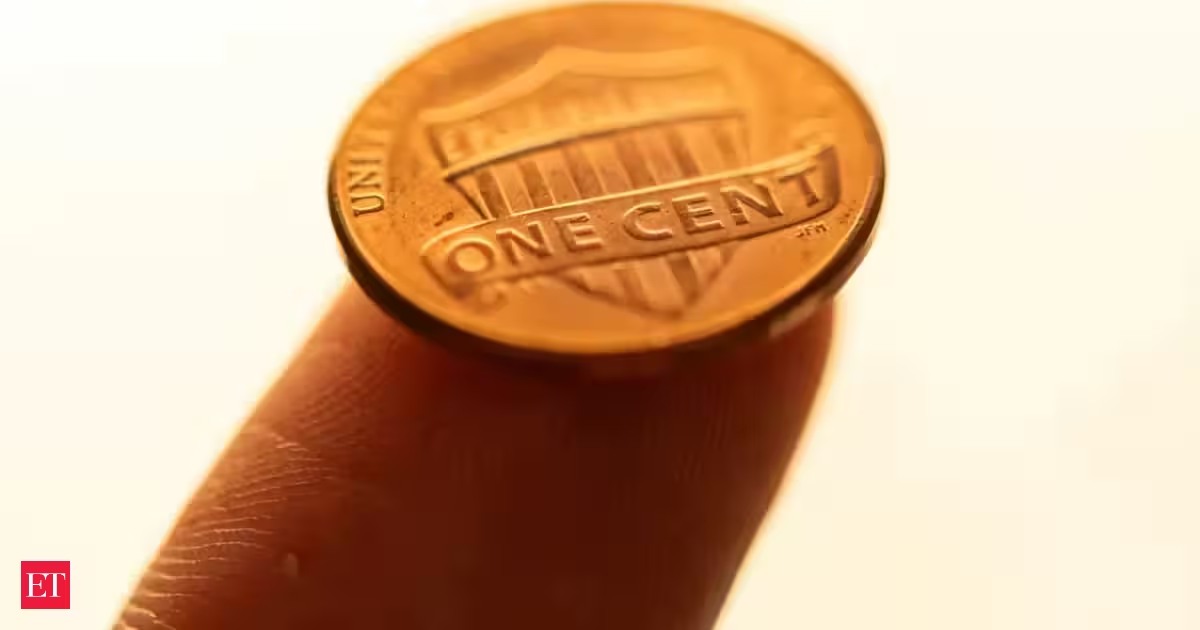
The US federal government stopped producing pennies for general circulation before Congress established a legal framework for businesses to operate without the one-cent coin. The proposed Common Cents Act aims to fill that gap and has now cleared both the House and the Senate in substantially similar forms.The House passed H.R. 3074 on July 14, 2026, while the Senate approved S. 1525 on August 7 after adopting a substitute amendment that closely aligns with the House version.If enacted, the legislation would allow retailers to round cash transactions to the nearest five cents when exact change is unavailable. Electronic and card payments, however, would continue to be charged at the exact amount, reported Forbes.Since the House and Senate passed different legislative versions, an identical bill must still be approved by both chambers before it can be sent to the president for signature.How will the Common Cents Act change cash payments?If enacted, the Common Cents Act would amend the U.S. Code to officially end the production of one-cent coins for general circulation. While penny production has already been halted, the bill's key impact lies in setting nationwide rules for rounding cash transactions.Under the proposed framework, cash totals ending in 1, 2, 6 or 7 cents would be rounded down to the nearest multiple of five cents, while totals ending in 3, 4, 8 or 9 cents would be rounded up. The legislation also allows retailers to round in favour of the customer by reducing the amount owed or increasing the change or refund to the nearest five cents.A key feature of the bill is that it uses the word "may," meaning retailers would be permitted—but not required—to round cash transactions. The provisions apply only when exact change cannot be provided and only to the final total of a cash purchase.Payments made through credit cards, debit cards, gift cards, checks and electronic transfers would continue to be processed to the exact cent, preserving the distinction between cash and non-cash transactions as retailers adapt to the penny's phaseout.
US Congress advances penny phaseout bill: What it means for you, the rounding rules, and how cash transactions could change
Congress is moving to end the production of one-cent coins for general circulation. The proposed Common Cents Act allows retailers to round cash transactions. Cash totals will be rounded to the nearest five cents when exact change is unavailable. This legislation permits retailers to round in favor of the customer. Electronic and card payments will continue to be charged at the exact amount.
334 words~2 min read