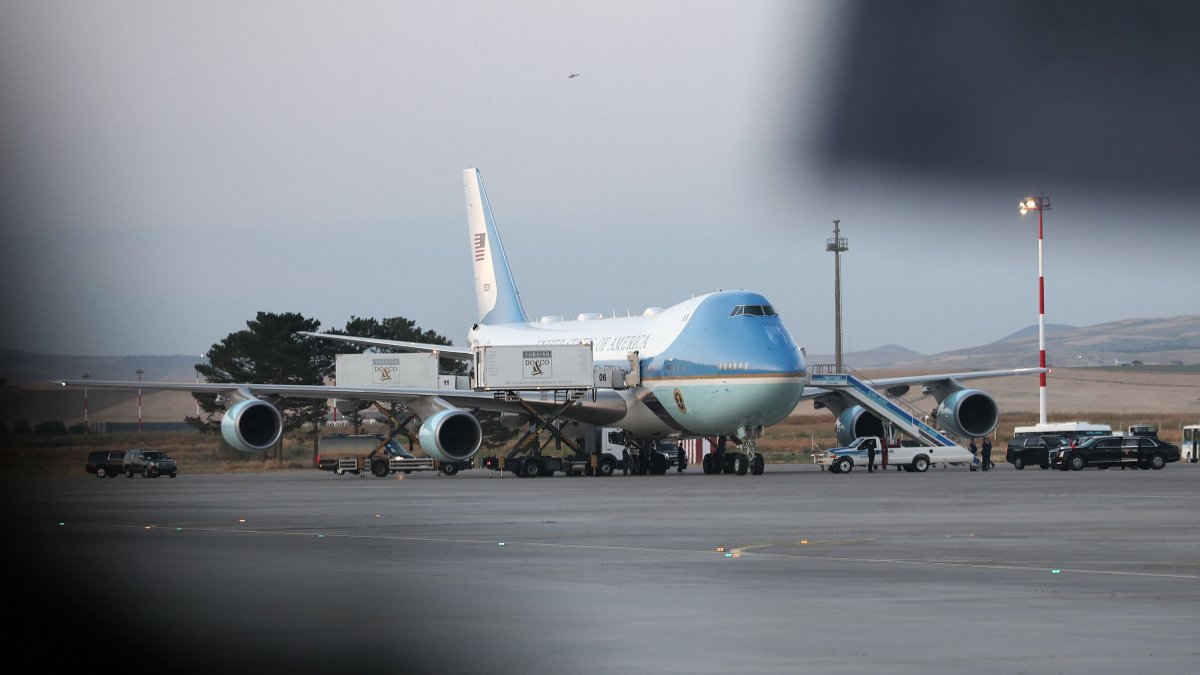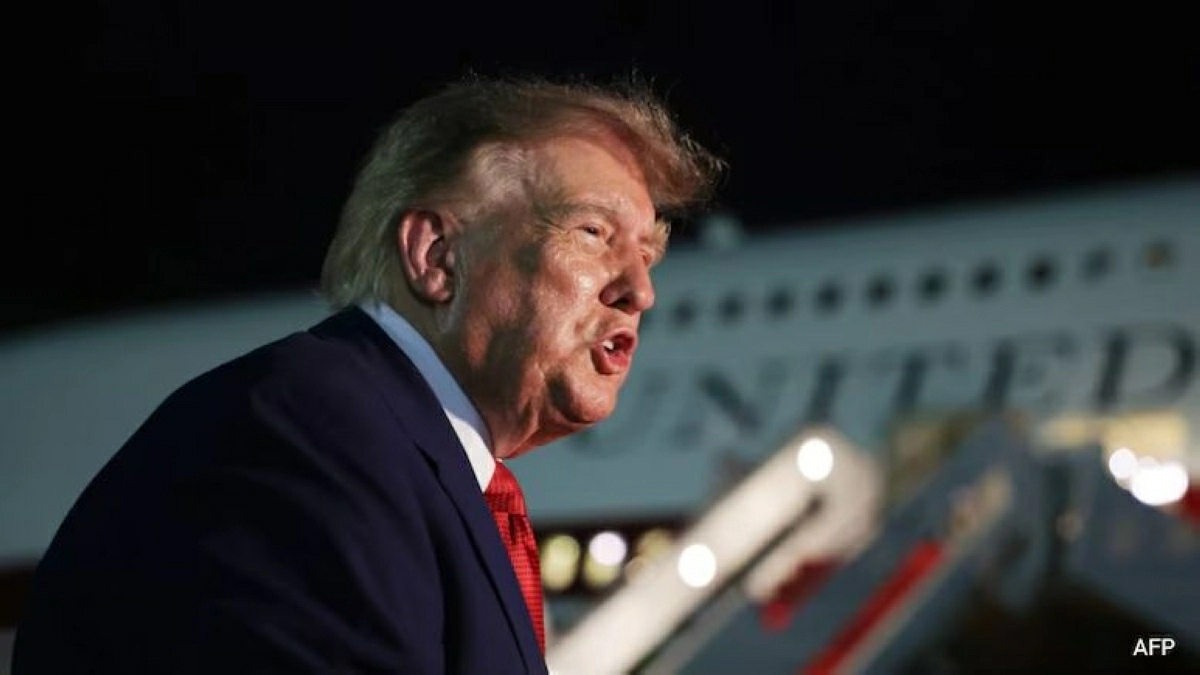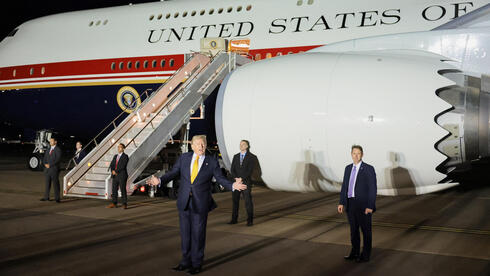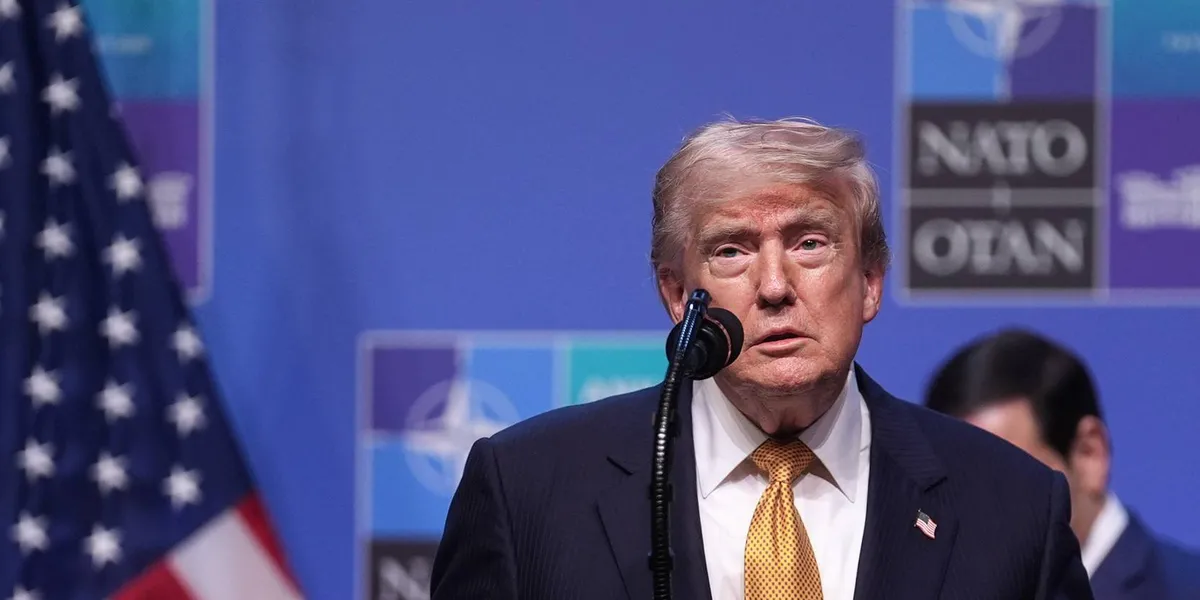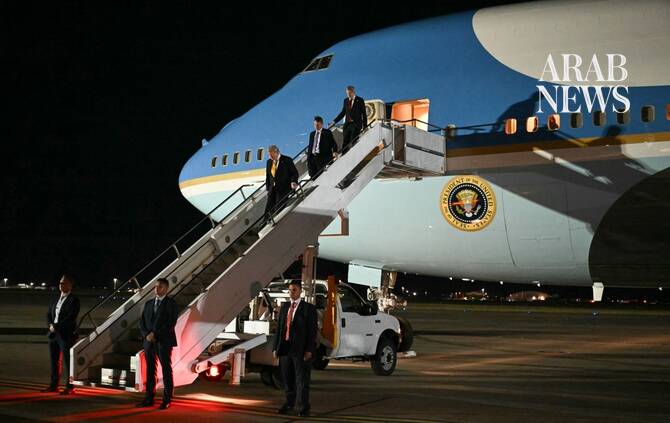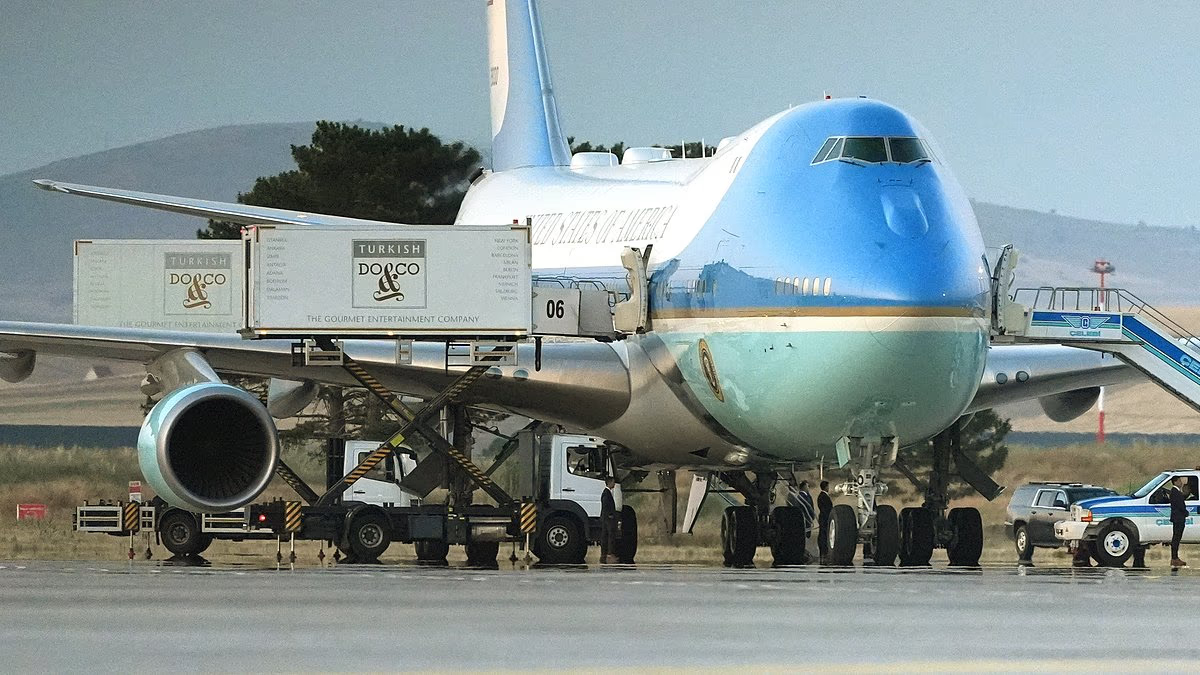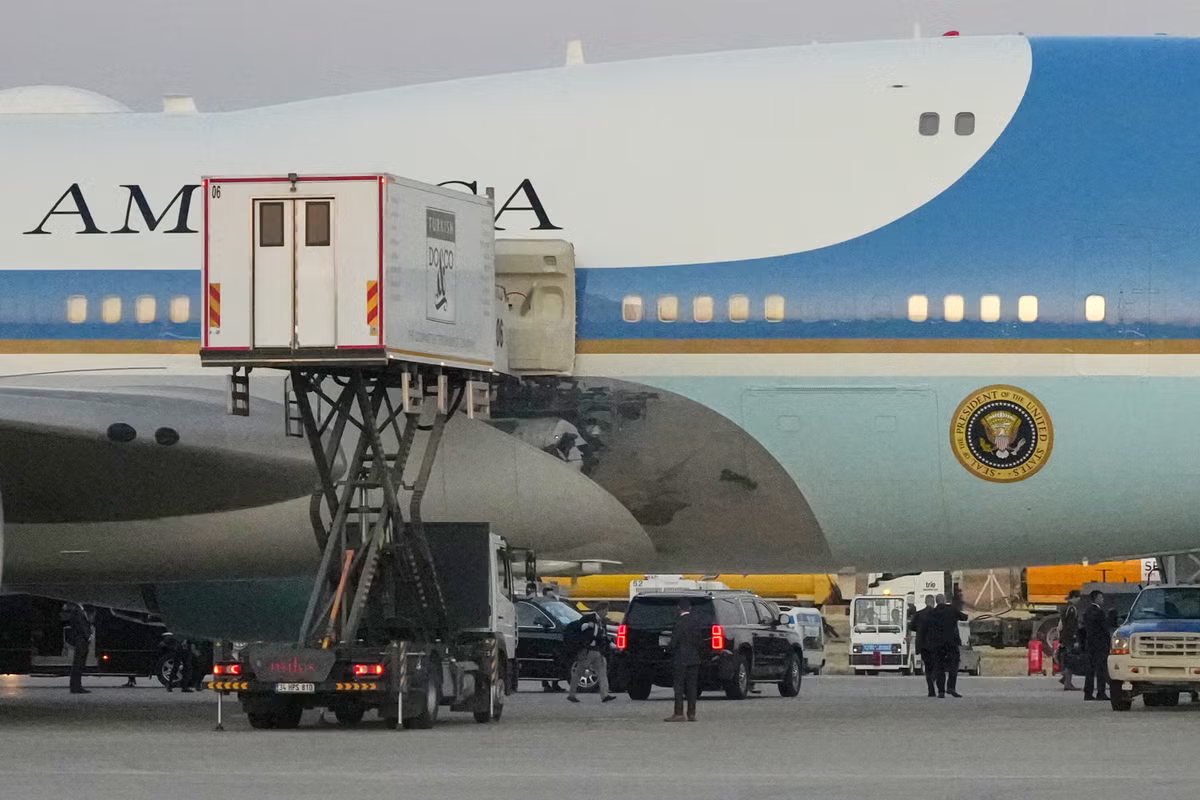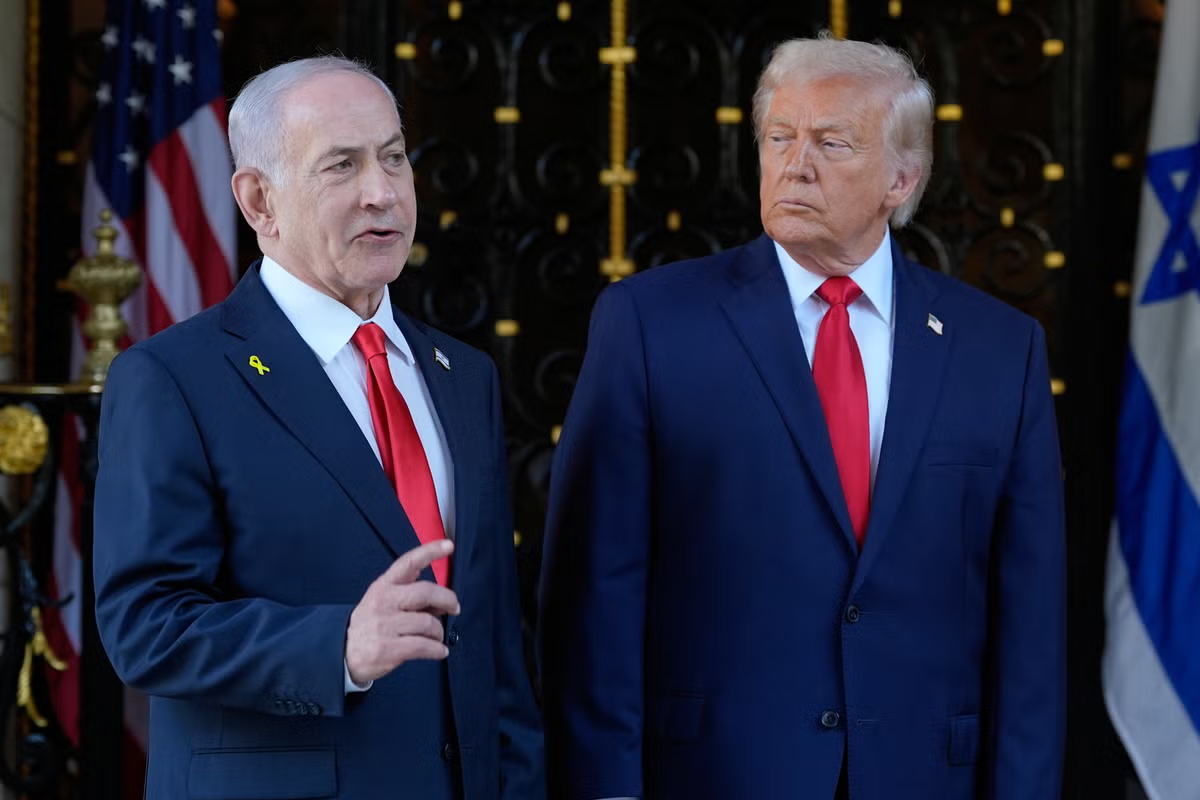
Donald Trump launched his war on Iran after receiving an intelligence briefing from ally Israel that Iran was on the brink of acquiring a nuclear weapon.But six months into the conflict, he is struggling to find an exit strategy from a war that has upended the global economy and shrunk his domestic popularity. Israel, who once urged him to act, is no longer striking Iranian targets. Cracks in the relationship between Trump and his long-time friend Benjamin Netanyahu have emerged in the past three months, with the US president privately lashing out at the Israeli prime minister for attacks on Lebanon and jeopardising a peace deal with Iran. Earlier this week, it emerged that Trump took a secret military flight from Turkeyto flee an Iranian assassination threat based on Israeli intelligence. The extraordinary operation involved the US president being moved between aircraft in a catering truck, to safely leave the Nato summit in Ankara for Britain.Trump’s own intelligence agencies were unconvinced by the tipoff. On Wednesday, The Washington Post reported that the CIA had “low confidence” in the intel - but US officials decided to act on them anyway.One source suggested to the newspaper that the warning fitted “a broader pattern of Israeli intelligence reporting that some officials see as designed as much to shape presidential decision-making as to inform it.”Follow the latest updates on the Iran war hereTrump and Netanyahu are facing conflicting pressures within their own countries (AP)A relationship under strainExperts told The Independent that the strong bond between Trump and Netanyahu has been put under immense strain by domestic politics. Both leaders have failed to meet their military and political targets in Iran, whilst struggling to manage internal divisions. Aaron David Miller, an American diplomat who served as an advisor on the Middle East to six US secretaries of state between 1978 and 2003, said Israel’s “extreme confidence” in February that a US-Israeli bombing campaign would pave the way for regime change in Iran will have triggered scepticism in the CIA about the reliability of their intelligence. “Netanyahu often plays fast and loose with intelligence assessments to further his agenda especially when it comes to bad actors like Iran and Hamas,” he says. “At the same time given previous attempts on Trump’s life and at least one previous uncovered IRGC plot in November 2024 to kill Trump, there was no way the Secret Service was going to take any chances whatever CIA doubts about Israeli intelligence.”Iranian pro-government demonstrators wave flags in a gathering at a square in Tehran, Iran. The US and Israel appeared confident that strikes would prompt a regime change (AP)CIA ‘may be trying to regain influence’Professor Yossi Mekelberg, an expert on US-Israeli relations at Chatham House, told The Independent that intelligence reports reported in the media may not be as credible as they first appear. “The CIA may be feeling it is sidelined and trying to regain influence,” he says. “There have been so many failures in intelligence, analysis and decision-making” in the war so far, he adds, referring to the Minab school attack that killed over 170 children which is currently being investigated by the US government. He says it is also important to note that Trump retains a “soft spot” for Netanyahu, despite details being leaked to the press about furious phone calls between the pair. Last month, Netanyahu made an eighth state visit to the US, demonstrating that the relationship remains strong despite tensions over Israel’s continued bombing campaign in Lebanon, which they have maintained is aimed at defeating Hezbollah. Oil tankers pass through the Strait of Hormuz (Reuters)Prof Mekelberg points to Trump’s silence on Netanyahu’s public rejection of his peace plan for Gaza and his assertion that there will never be a Palestinian state as evidence of the strength of their relationship. However, with Trump facing a set of mid-terms likely to deliver bruising results for the Republicans and Netanyahu battling for his survival at a crunch election in October, experts say their relationship will inevitably come under further strain. Israeli intelligence ‘no longer unquestionable’Nevertheless, a shift is underway on a more broader level, says Professor Andrew Moran, head of politics and international relations at London Metropolitan University. Earlier this week, a US state department official said a permanent Israeli military presence in south Lebanon was not consistent with commitments set out in Israel's US-backed deal with Lebanon's government. This came after Israeli defence minister Israel Katz said his country would not withdraw from Lebanon until Hezbollah disarms.“Israeli intelligence has long been viewed as the gold standard, so it's notable that US officials reportedly acted on the warning whilst simultaneously signalling they didn't believe it was credible,” Prof Moran says. Vance may be portraying himself as an alternative to a public wearied by US involvement in the Middle East (Getty)“Moving the President was a precaution they simply couldn't ignore given the potentially catastrophic consequences, but publicly questioning the assessment is a bold move. “It may have been done to reassure the public that there was no threat, but also indicates that confidence in Israeli intelligence is not as unquestioned as it once was - a recurring theme since the October 7th attacks which Israeli intelligence failed to predict.”He adds: “I don't think we'll see Trump pull back from Israel, but the relationship is becoming less predictable.”
The CIA doesn’t believe Israeli intel. Where does that leave a fragile relationship?
An extraordinary operation to transport Trump onto a military plane in Ankara in a catering truck was prompted by a warning from Israel of a potential Iranian assassination attempt. But with the CIA saying they had ‘low confidence’ in the intel, experts tell Maira Butt that the relationship between the allies is under increasing strain
886 words~4 min read