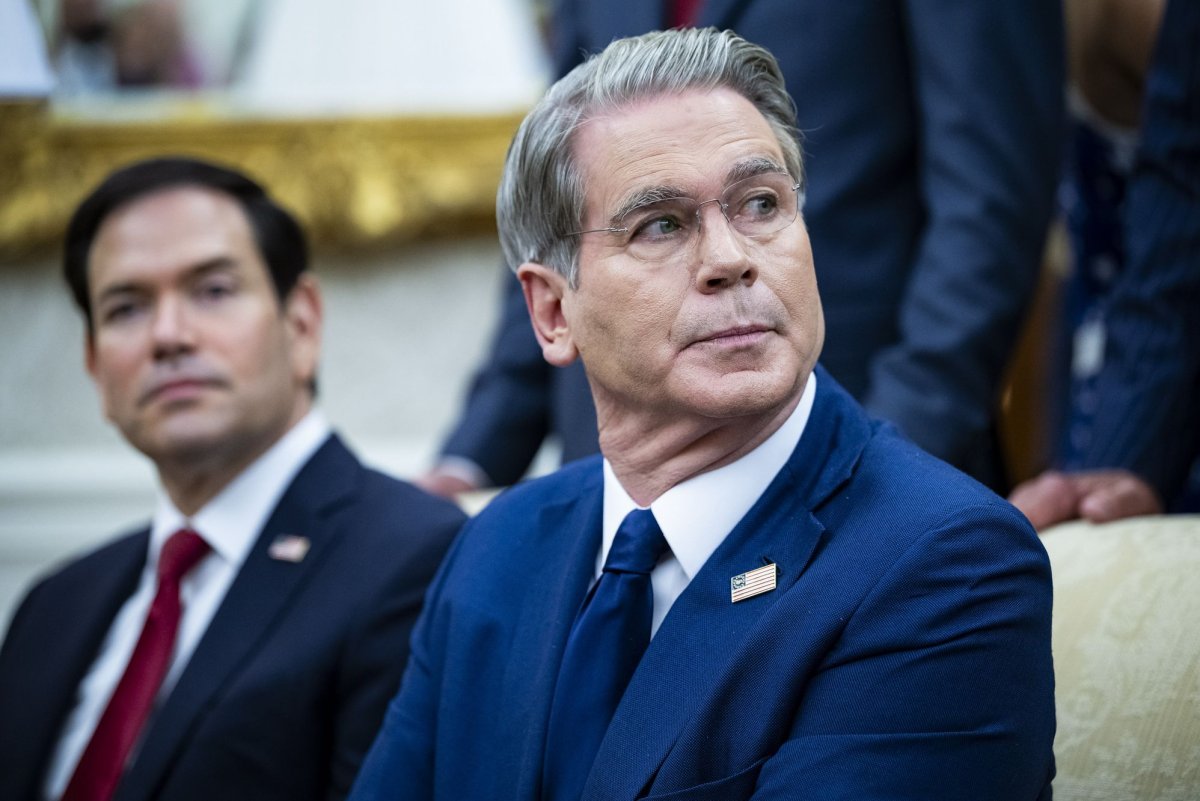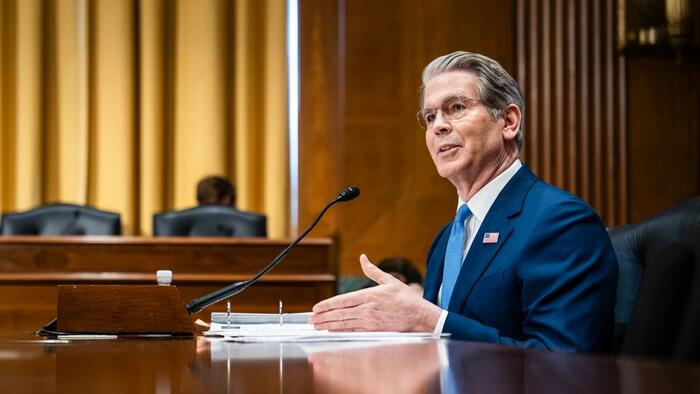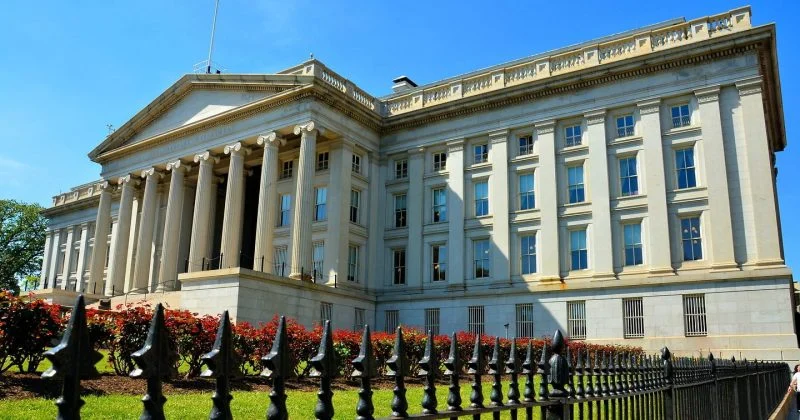
The Treasury Department is changing regulations on what types of businesses have to list their owners with the government. Under the Biden-era rule, both foreign and domestic businesses were required to report their ownership to the Treasury Department. The intent was to help prevent money laundering, and identify businesses involved in financial crimes.“We’re talking about human trafficking networks, cartels and fentanyl trafficking, Iran sanctions evasion,” said Erica Hanichak with the FACT Coalition, an alliance of groups concerned about financial fraud.Now, under a new rule, only foreign companies, or pooled investment vehicles like hedge funds or mutual funds, will have to list their owners. Treasury says it’s removing a “burdensome reporting requirement.” But Hanichak says U.S. businesses only had to list basic things like their owners’ names, addresses, and dates of birth. The new rule will “open the floodgates for dirty money entering the United States,” Hanichak said. However, some agree with the Trump administration that the old rules were too onerous. Josh McLeod from the National Federation of Independent Business is glad the reporting rule no longer applies to U.S. companies, because it required millions of small businesses to register their owners.“These are the mom and pop shops in your communities: the farmers, the folks that come and work on your HVAC,” McLeod explained. He wants to limit money laundering, but believes that government agencies like the IRS already have the necessary information to do so.Sepideh Rowland, a partner at financial services consulting firm the Klaros Group, says that this will take collaboration. “You need to collaborate. You need to understand what law enforcement needs from this information. Where it’s going to sit within the government. How it gets filed,” she said. But, according to Rowland, the government has been trying to figure out how to do that — with legislation, and various rules — for the past decade.
Treasury changes rules for businesses reporting ownership
The Biden-era regulation was intended to prevent money laundering, but critics said it was overly onerous.
309 words~1 min read