Russian scientists have discovered a previously unknown rare-earth-rich mineral on the Kola Peninsula, adding a new development to Moscow’s efforts to strengthen its position in strategic minerals as the United States and China intensify competition for Africa’s critical-mineral resources.
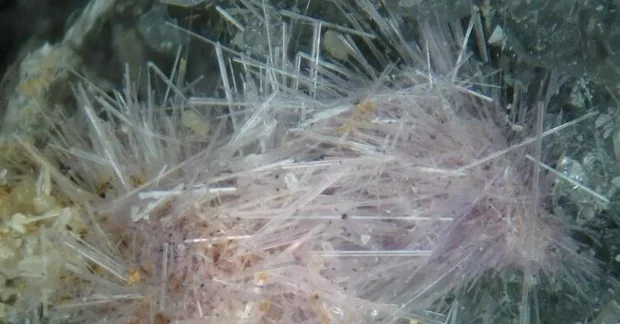
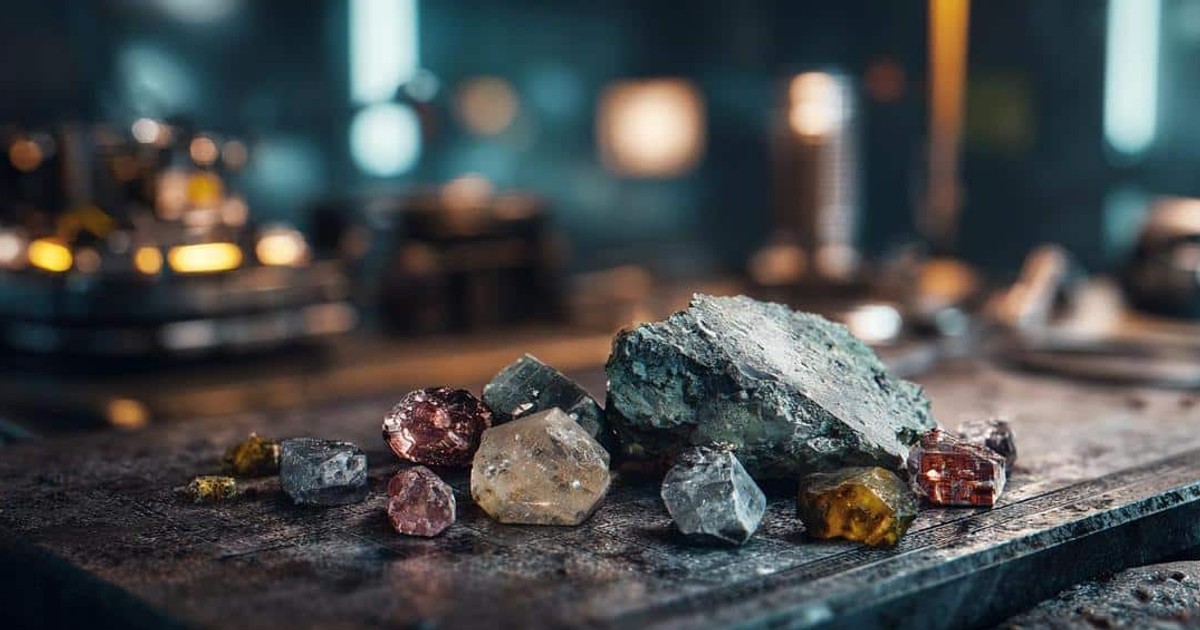
The mineral, provisionally identified as Kola Ashcroftine, was discovered in Russia’s Khibiny alkaline massif by researchers from Saint Petersburg State University, the Kola Science Centre of the Russian Academy of Sciences and the A.E. Fersman Mineralogical Museum.
Scientists say the mineral contains yttrium and other rare-earth elements, alongside calcium, manganese and fluorine.
Its unusual crystal structure could have potential applications in ion-exchange technologies and advanced materials, although the discovery remains at the research stage and does not yet represent a commercial rare-earth deposit.
The discovery comes as Russia seeks to develop its own rare-earth industry and reduce its dependence on imports. Despite having substantial estimated reserves, Russia's domestic production remains limited.