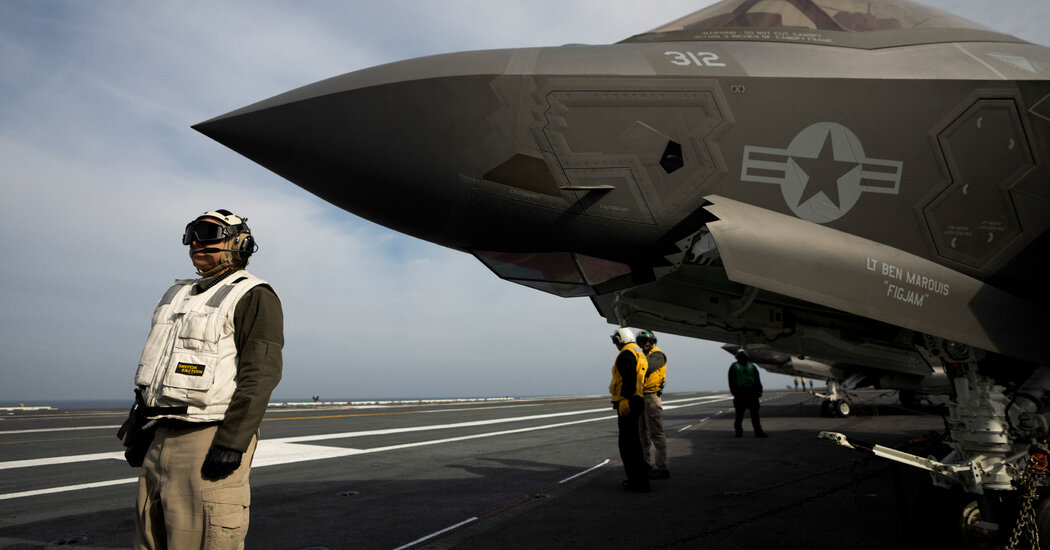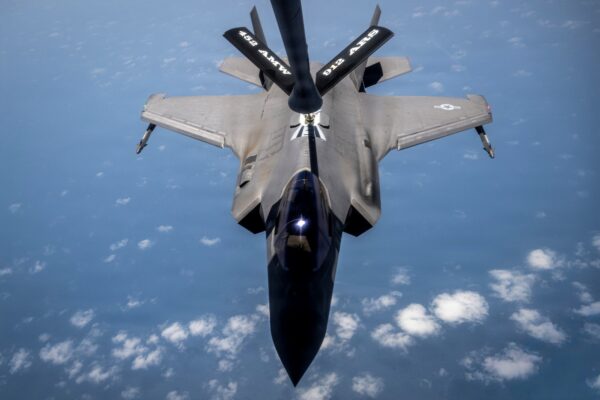
The manufacture of modern weapons begins with complex materials, especially those containing rare earth elements. These elements are used to make everything from magnets and sensors to radars and lasers. According to the U.S. Department of Defense, an F-35 fighter requires more than 400 kilograms of rare earths to build; a destroyer and submarine, respectively, can require anywhere from two to five metric tons. Rare earths also appear in Tomahawk missiles, Predator drones, and the many missiles and bombs that have been used in Iran over the last few months.
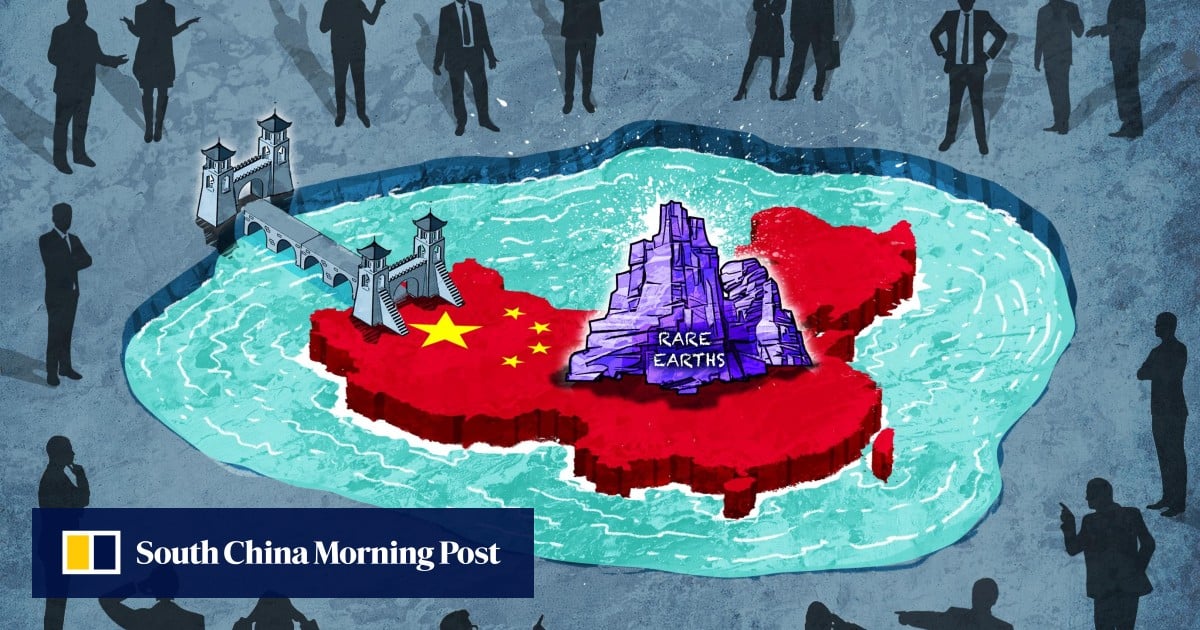
The problem for the U.S. military is that China accounts for roughly 70 percent of all rare earth mining and more than 90 percent of all rare earth processing, dominating entire categories of critical materials needed to make semiconductors, avionics, batteries, and things that go boom. According to the U.S. Geological Survey, China leads global production in 30 of 44 critical minerals while maintaining, in each of those 30 minerals, at least one monopoly in mining, refining, or processing.
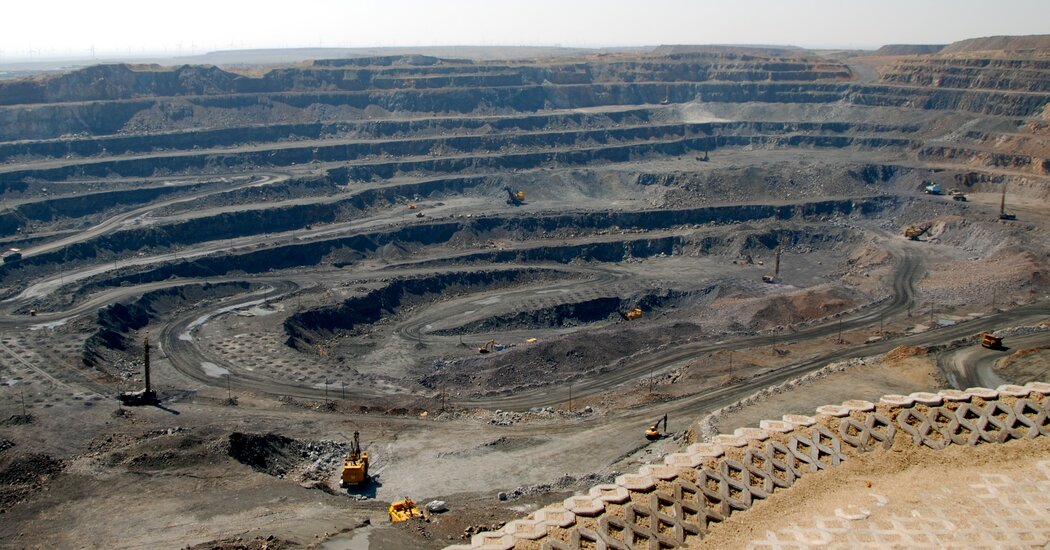
Of the many components employed in modern military manufacturing, rare earth magnets are among the most important. Neodymium magnets are prized for being able to produce enormous magnetic forces relative to their low mass, making them invaluable for motors and guidance systems, where every bit of additional weight or electricity consumption can bring debilitating inefficiencies. Supplementing with other rare earths like dysprosium or terbium can make these magnets retain performance at high temperatures while adding samarium and cobalt can enhance stability under pressure, especially useful when flying things at high velocities. In 2025, China mined an estimated 270,000 metric tons of these elements out of a global total of 390,000 tons, accounting for roughly 69 percent of the world’s extraction.