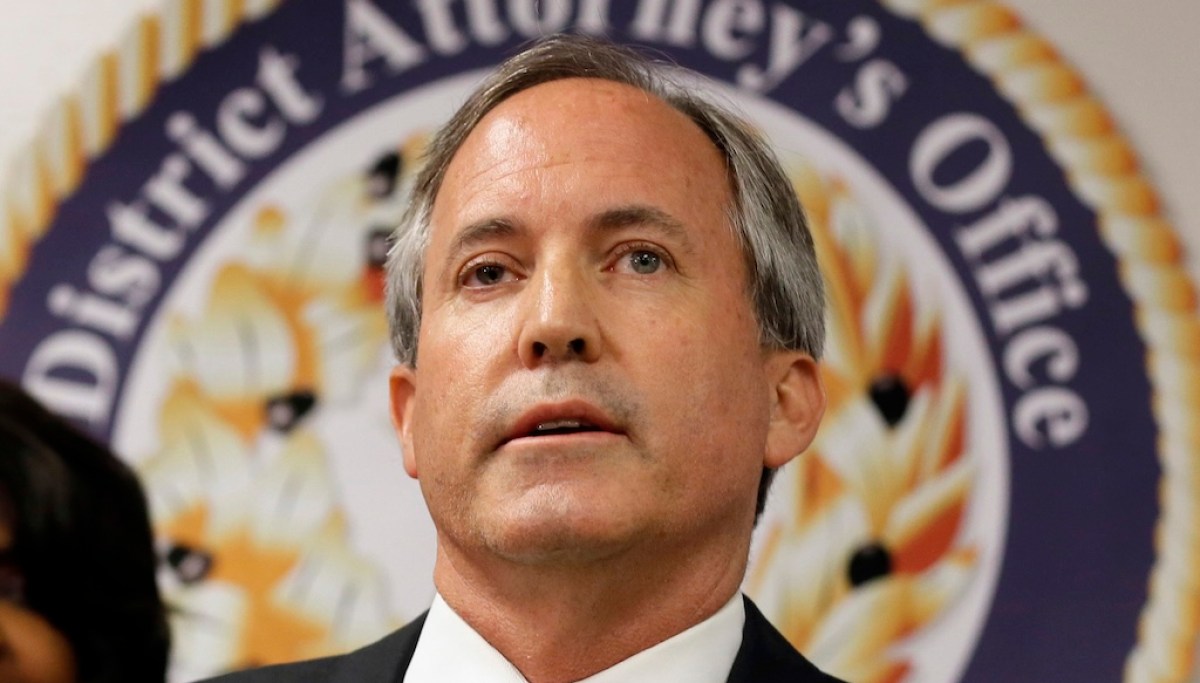
A surrogate at the center of a growing legal battle between a California couple and Texas authorities gave birth Wednesday, one day after a Dallas judge ordered doctors to provide life-sustaining treatment to the newborn.The baby was receiving stabilizing medical care and was expected to undergo surgery at a Texas hospital, according to Lincoln Davis Wilson, an attorney representing surrogate McKenna West.The case has attracted national attention, with right-to-life groups and Republican officials backing West after she traveled to Texas during an increasingly bitter dispute over the baby's treatment.Dispute began after heart condition was diagnosedWest was carrying the baby for California couple Omar Ahmed and Nausheen Gilkar when doctors diagnosed the fetus at 20 weeks with hypoplastic left heart syndrome, or HLHS.The congenital heart defect affects the left side of the heart and can prevent normal blood flow. West's attorneys have alleged that the couple pressured her to terminate the pregnancy after receiving the diagnosis.The couple has rejected that characterization in court filings. They say they never intended to deny the baby surgery after birth and maintain that doctors had not been able to determine before delivery whether the child would be a candidate for open-heart surgery.“Since Ms. West moved to Texas, we have consistently sought the opportunity to consult with physicians caring for our child to make informed medical decisions for him as his parents,” Ahmed wrote in court documents.Texas judge orders medical treatmentThe dispute escalated after West went to Texas, where Republican Attorney General Ken Paxton intervened on her behalf.A Dallas judge on Tuesday ordered that the newborn receive life-sustaining care. Wilson said West had taken significant personal risks during the dispute.The baby was born the following day and was receiving medical treatment, with surgery planned at a Texas hospital.The couple's attorney, Lee Budner, said in a statement to The Texas Tribune that the parents' priority was ensuring their child received necessary care.Budner also accused West and Paxton of turning a deeply personal family crisis into “political theater.”What is hypoplastic left heart syndrome?HLHS is a serious congenital heart defect in which the left side of the heart is severely underdeveloped. Without treatment, the condition can quickly become fatal.The Centers for Disease Control and Prevention says affected babies typically require several complex surgeries. Some children may eventually need additional procedures or a heart transplant.The CDC estimates that about 925 babies in the United States are born with HLHS each year.Untreated, the condition can lead to severe breathing difficulties, a weak pulse and bluish or grayish skin, and babies can die within days or weeks.Surrogate barred from seeing newbornThe legal fight has also affected West's relationship with the baby.According to her attorney, a temporary restraining order sought by the couple prevented West from seeing or holding the newborn after delivery.The California couple has separately argued that West violated their surrogacy agreement. They say a California court had already determined that she did not have legal or physical custody rights over the child.The competing claims have left questions over who ultimately has authority to make medical decisions for the baby.Why the case could have wider implicationsDisputes involving surrogates and medical decisions are uncommon, according to Rachel Rebouché, a University of Texas School of Law professor who specializes in reproductive law.Surrogacy agreements often address medical decisions, including circumstances involving pregnancy complications or termination. But such provisions may not necessarily determine what courts can enforce once a conflict arises.Texas law generally gives parents authority over their children's medical care. However, that authority has limits when refusing treatment could amount to medical neglect or abuse, Rebouché said.Texas courts can also intervene when necessary to protect a child's best interests.“There is case law in Texas that supports intervention if there is the possibility of denying life-saving care, once born, for a child in medical need,” Rebouché said.For now, the newborn remains under medical care as the legal dispute continues, with the baby's treatment at the center of a case that has brought surrogacy, parental rights and emergency medical decisions into an unusually high-profile courtroom battle.(With AP inputs)
Texas surrogacy case takes shocking turn after baby with heart defect is born
A surrogate gave birth Wednesday after a judge ordered life-sustaining treatment for the newborn. The baby was diagnosed with a serious heart condition before birth. The surrogate and the California couple are in a bitter legal dispute. Texas authorities intervened on behalf of the surrogate in the case. The newborn is receiving medical care and awaiting surgery at a hospital.
672 words~3 min read