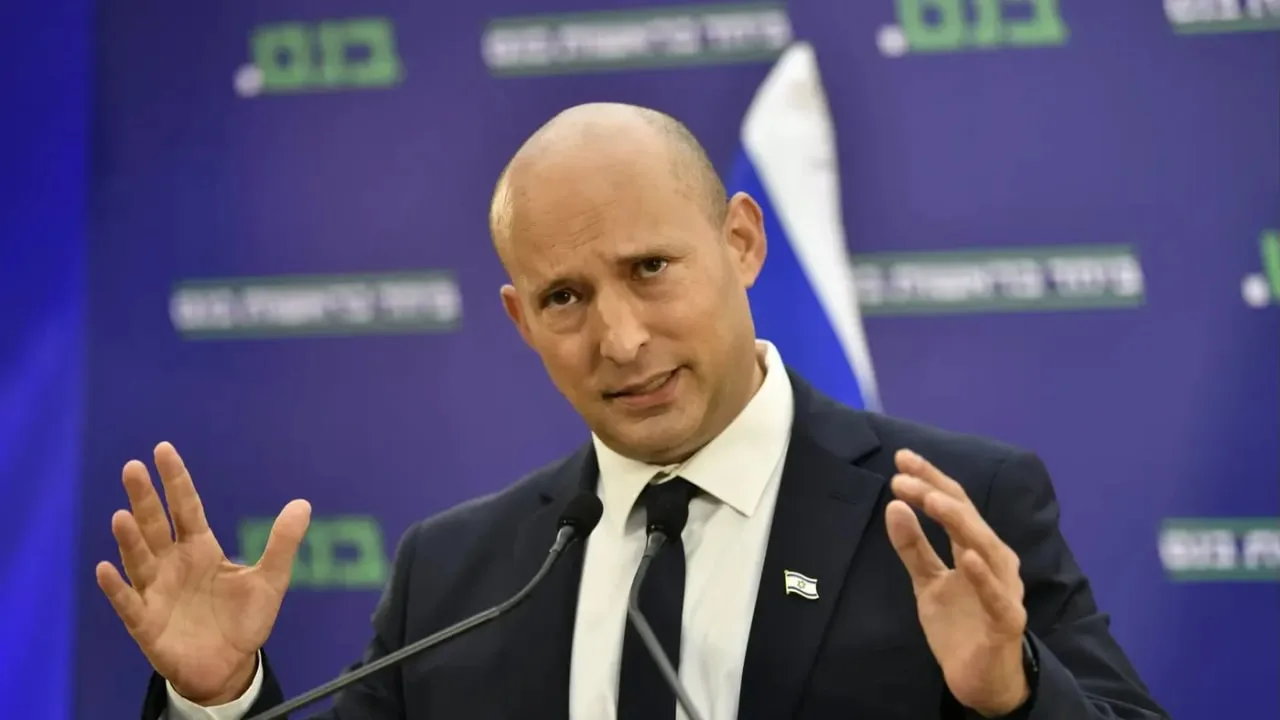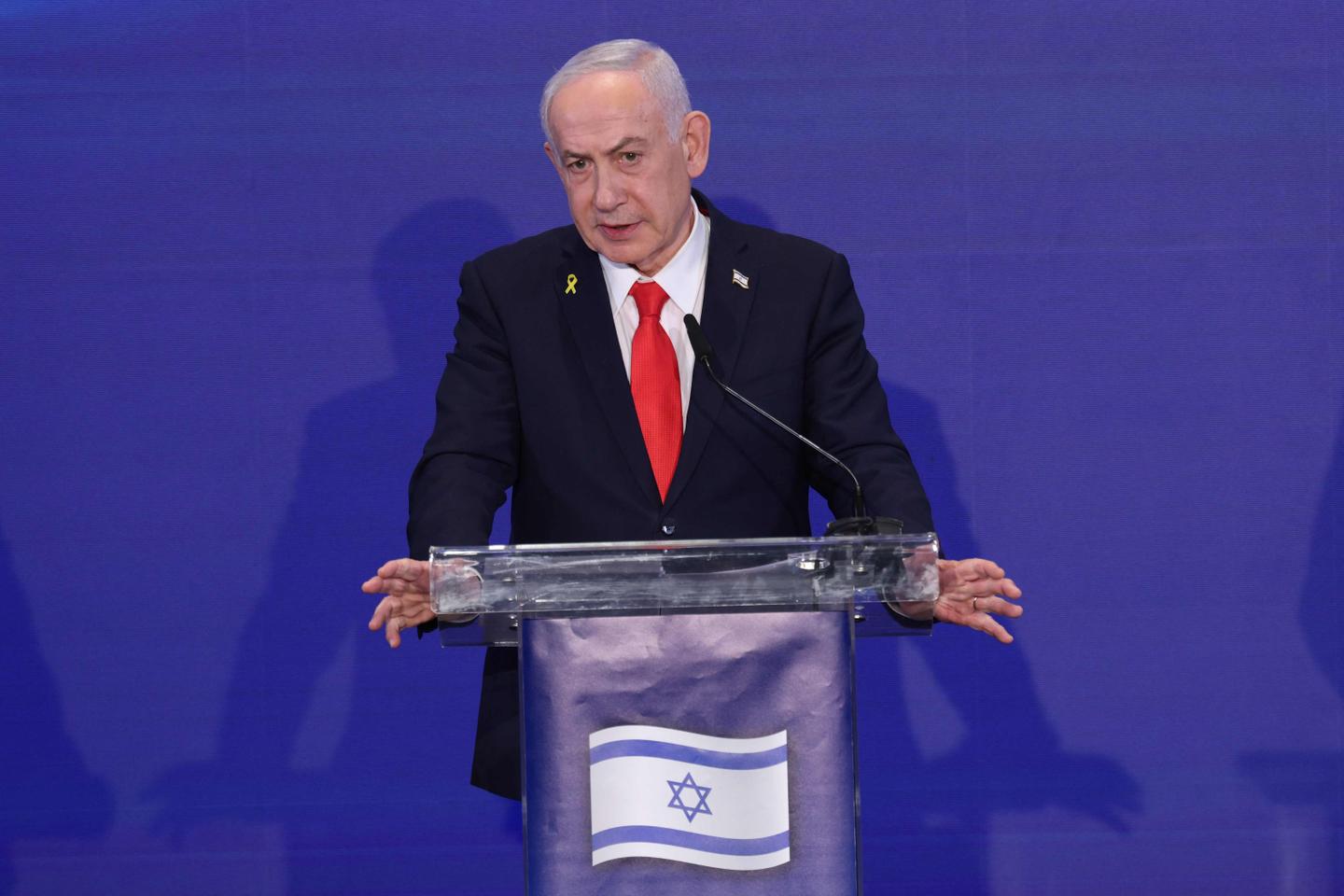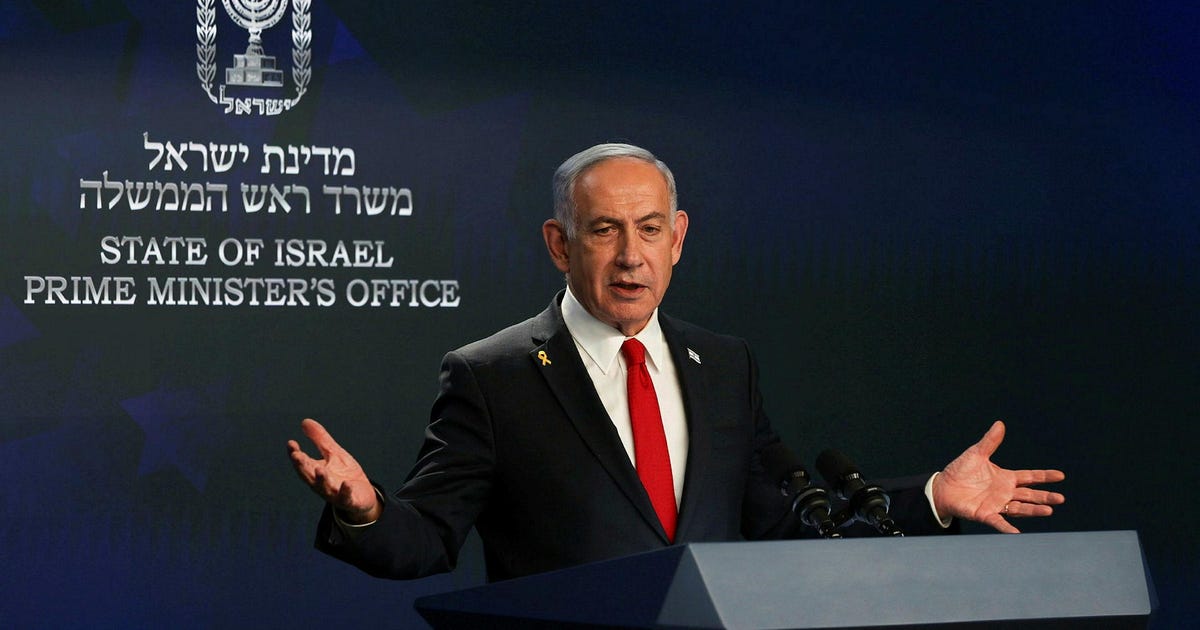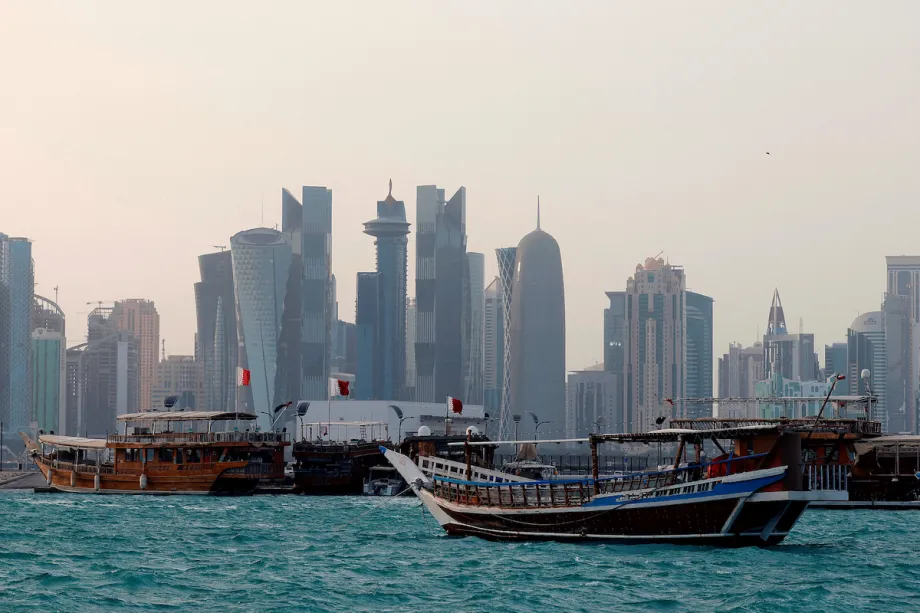
In Israel, relations with the small Gulf state of Qatar are front and center of a bitterly contested election season. Former Israeli Prime Minister Naftali Bennett—who is seeking to unseat Benjamin Netanyahu in the October elections—recently advocated that Qatar be designated an enemy state while alleging that multiple Israeli “influencers” and “research organizations” are on Doha’s payroll. This fits Bennett’s political playbook of trying to out-hawk Netanyahu while also projecting a catchall appeal as a centrist alternative. And Qatar fits this bill perfectly. Suspicion of Doha and its relationship with Hamas is one of the few things that supporters and opponents of Netanyahu share.
But Israel and Qatar are unlikely to become outright enemies anytime soon. For over a decade, Israel has used Doha as a channel to Hamas. The Oct. 7, 2023, attack made this dynamic more controversial but did not end it. The Qataris, meanwhile, have positioned themselves as key players in the present and future of the Gaza Strip. To keep its agency on the ground, Qatar needs to maintain cordial ties with Israel at least at an elite level. In short, despite the increasingly mutual public hostility (Qatari officials have also recently increased their criticism of Israel), both states still need each other.