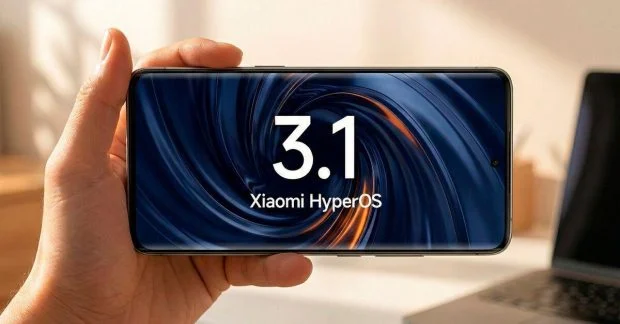
According to Xiaomi’s announcement, HyperOS 4 also introduces improvements to HyperCore for workload and memory management, alongside Super XiaoAI 2.0, powered by Xiaomi’s MiMo AI model. However, the company has yet to announce a global beta schedule, meaning international users will have to wait for further details.How the Soft-Light Glass Interface Changes HyperOS 4One of the most immediately noticeable differences in HyperOS 4 is a new visual paradigm focused on what the company refers to as a gentler, glass-like interface. Through the use of transparencies, layered materials, illumination and more fluid animations, visual elements within the system system look deeper than ever before.Recent reports describe the approach as “Soft Light Glass”, with the interface adapting its appearance to content and lighting conditions. The redesign affects areas such as notifications, the lock screen, home screen, control centre and system applications. The change is significant because Xiaomi is moving HyperOS further away from the more conventional visual treatment seen in earlier versions. The company is also combining the redesign with performance improvements intended to keep animations responsive.Xiaomi’s Eligible Device ListRollout batchAvailability dateEligible devicesBatch 1August 14, 2026Xiaomi 17 Ultra, Xiaomi 17 Ultra Leica Edition, Xiaomi 17 Pro Max, Xiaomi 17 Pro, Xiaomi 17, Redmi K90 Pro Max, Redmi K90 Pro Max Champion Edition, Redmi K90, Xiaomi Pad 8 Pro, Xiaomi Pad 8Batch 2August 27, 2026Xiaomi 17 Max, Xiaomi 17T Pro, Xiaomi 17T, Xiaomi 15 Ultra, Xiaomi 15 Ultra Dual Satellite Edition, Xiaomi 15S Pro, Xiaomi 15 Pro, Xiaomi 15, selected Redmi devices, Redmi K Pad 2Batch 3September 17, 2026Redmi K100 Pro Max, Redmi K100 Pro, Redmi K80 Pro, Redmi K80 Supreme Edition, Redmi K80, Xiaomi MIX Flip 2, Xiaomi Pad 7 Ultra, Xiaomi Pad 7S Pro 12.5HyperOS 4 Focuses on Performance and AIBeyond the visual overhaul, Xiaomi is positioning HyperOS 4 as a system-level upgrade designed to make devices more responsive and intelligent. The company says HyperCore has been enhanced to improve workload calculations and memory management, while AI-based memory preloading is intended to prepare resources before they are needed.Xiaomi is also releasing Super XiaoAI 2.0 whoseMiMo AI model is optimized to complete a broader range of applications and devices connected with one another. These are important changes for Xiaomi, who is in a competition over software-smartness and ecosystem building rather than just hardware. Hence, the new release balances interface evolution with back-end optimizations in order to accelerate routine daily operations.When HyperOS 4 Will Be AvailableThe first public HyperOS 4 beta rollout is expected in China starting on 14th of August, which will be followed by further batches on 27th August and 17th of September.
Xiaomi Unveils HyperOS 4 With New Glass-Like Design, AI Features and Staged Beta Rollout
Xiaomi has rolled out HyperOS 4, introducing a fresh interface and enhanced AI capabilities. The software boasts a sleek, glass-like aesthetic for its system elements. With the HyperCore improvements, workload and memory management see significant upgrades, ensuring more responsive devices. The advanced Super XiaoAI 2.0, built on Xiaomi's MiMo AI framework, can tackle complex tasks more efficiently.
TL;DRAI
Xiaomi rolls out HyperOS 4 with glass-like UI and Super XiaoAI 2.0 model; beta begins August 14 in three staged batches. For IT managers: Android vendors now compete on software-intelligence and native AI—directly impacting enterprise mobility choices and ecosystem strategy.
432 words~2 min read