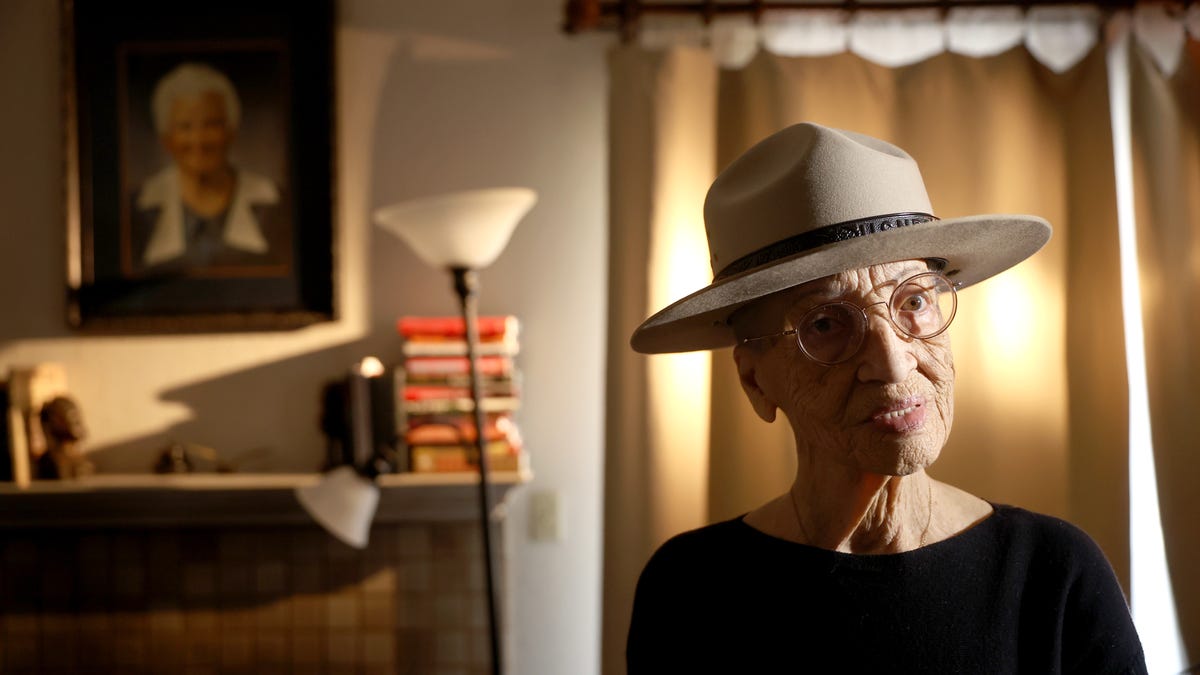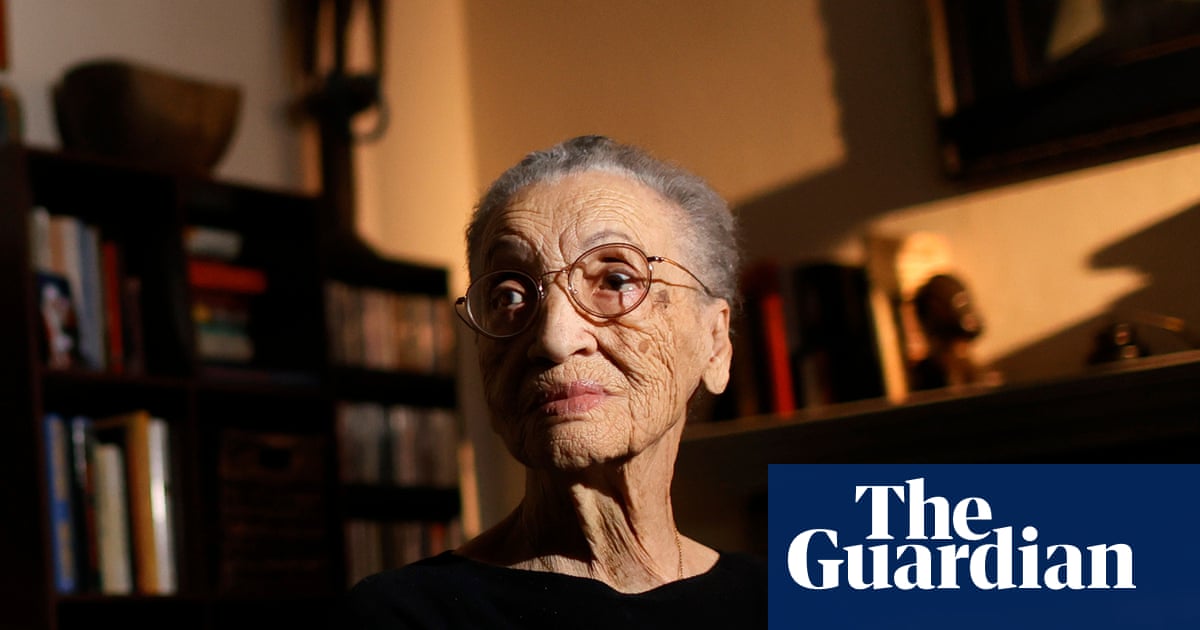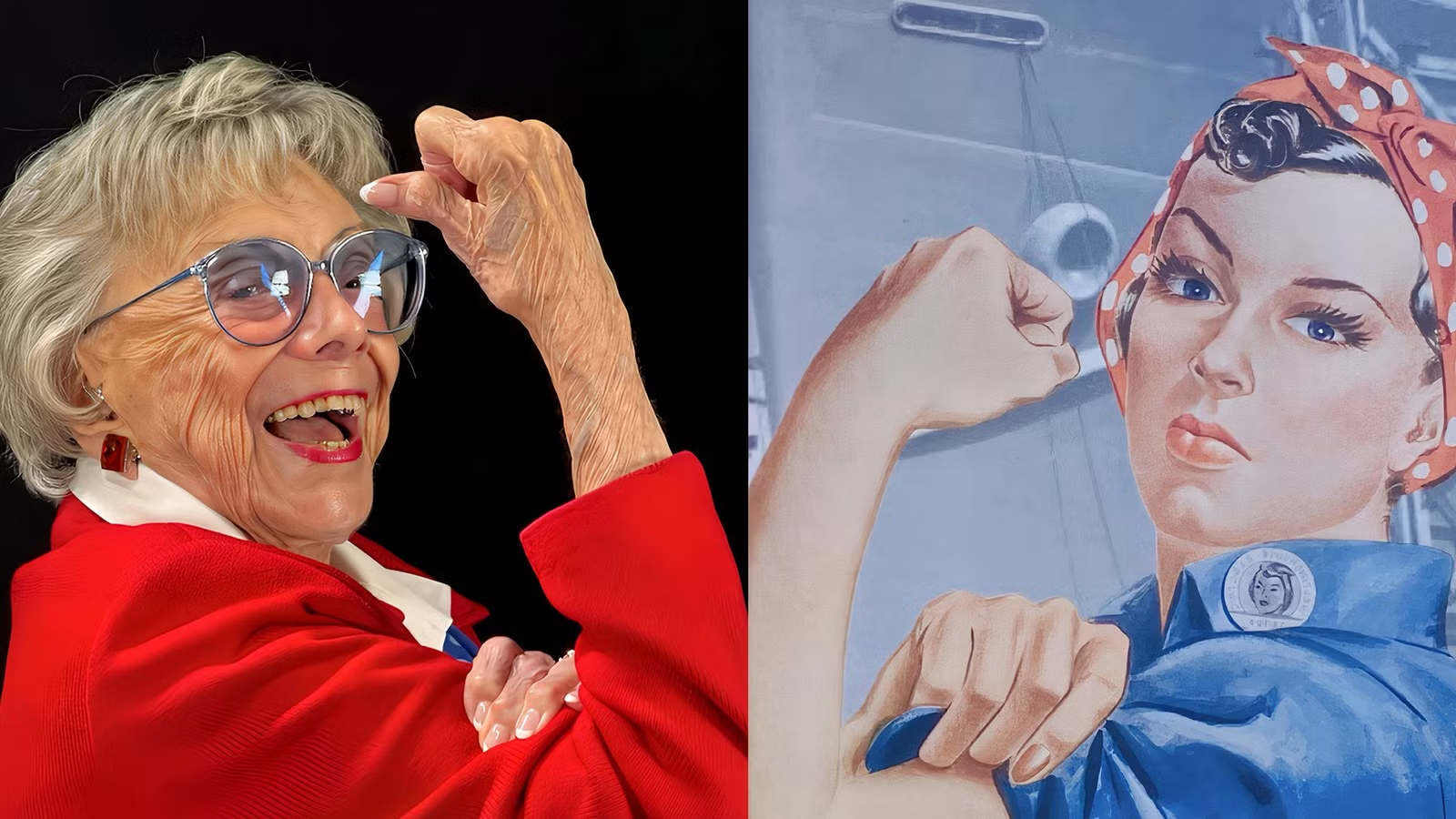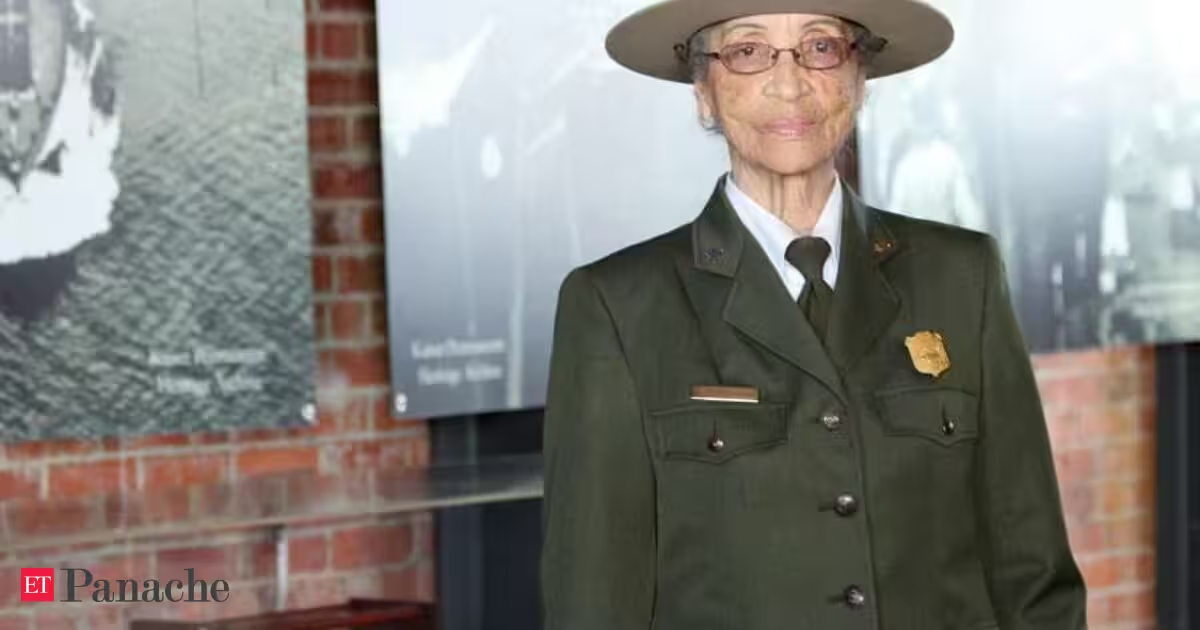
Betty Reid Soskin lived through some of the biggest changes in modern American history, from the Great Mississippi Flood of 1927 and the early days of aviation to World War II, the civil rights movement and the fight for a more complete telling of Black history. Decades later, she became a National Park Service ranger and one of the most widely recognised voices connected to the wartime home front.Soskin died at her California home on December 21, 2025, at the age of 104, according to her family and the National Park Service. She was remembered for speaking about experiences that were often left out of the usual accounts of American history.She remembered Amelia Earhart and Port ChicagoBorn Betty Charbonnet on September 22, 1921, Soskin grew up in a Cajun-Creole African American family. Her relatives had moved to Oakland after the Great Mississippi Flood of 1927, following a wider migration of Black railroad workers to the West Coast.Her childhood and early adulthood gave her a firsthand view of a changing California. According to the National Park Service, Soskin remembered ferry boats crossing San Francisco Bay before the famous bridges were built and Oakland International Airport when it consisted of only two small hangars.She also remembered Amelia Earhart’s departure and tragic disappearance, as well as the July 17, 1944, Port Chicago ammunition ship explosion.The Port Chicago disaster killed 202 Black sailors who were working in a segregated unit loading ammunition onto ships. The blast later became part of a larger story about racial discrimination in the US Navy after surviving sailors refused to continue loading ammunition under unsafe conditions.Her wartime experience shaped her workDuring World War II, Soskin worked as a file clerk in a segregated Boilermakers union hall in Richmond. She later became an advocate for the Black workers whose contributions were often missing from popular images of the wartime workforce.“Rosie the Riveter represents the white woman’s experience on the homefront during the war, but as a woman of color, I was never recognized for my work,” she wrote in a 2020 Newsweek essay.She also recalled how she only understood the importance of her own wartime work years later.“I had never understood that I had been involved in the building of the ships. Because at the time, I was 20 years old. I didn’t realize what my role was until I began to go back and recount it for others. It was rather amazing.”From California Woman of the Year to park rangerSoskin was named California’s Woman of the Year by the state Legislature in 1995. Years later, she helped shape the Rosie the Riveter/WWII Home Front National Historical Park in Richmond by pushing for the stories of Black men and women to be included.The National Park Service says she began working with the agency in her 80s, first taking a temporary position at 84 before becoming a permanent employee. She went on to become nationally known as the oldest serving NPS ranger.“What gets remembered is a function of who’s in the room doing the remembering,” Soskin often said.She retired from the National Park Service in 2022 at age 100, leaving behind a life that included activism, music, politics, business and writing. Her memoir, Sign My Name to Freedom, was published in 2018.Her work ultimately became less about her own remarkable age and more about who gets remembered in history, and whose stories are still waiting to be told.
In 1995, at age 74, she was named California’s Woman of the Year. At age 86, she became a permanent NPS employee, carrying memories of Amelia Earhart's tragic loss and the 1944 Port Chicago disaster
Betty Reid Soskin lived through some of Americas defining moments, remembering Amelia Earharts tragic disappearance and the 1944 Port Chicago explosion. Named California Woman of the Year in 1995, she later joined the National Park Service and became its oldest ranger, spending her later years preserving overlooked stories of Black Americans and women during World War II.
567 words~3 min read