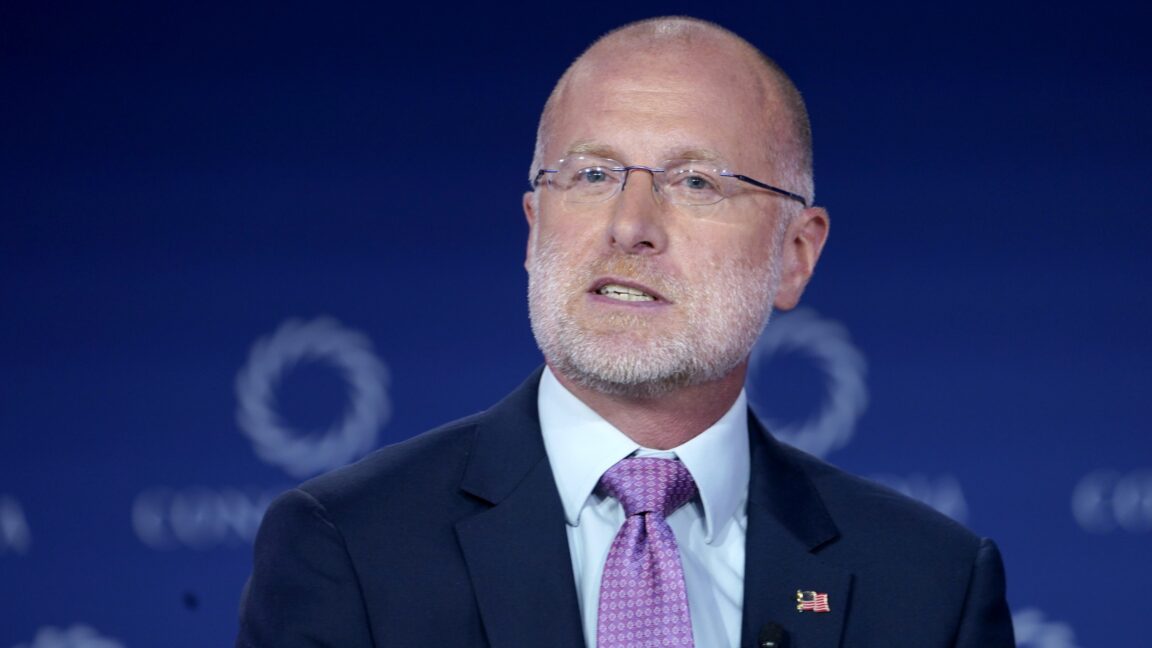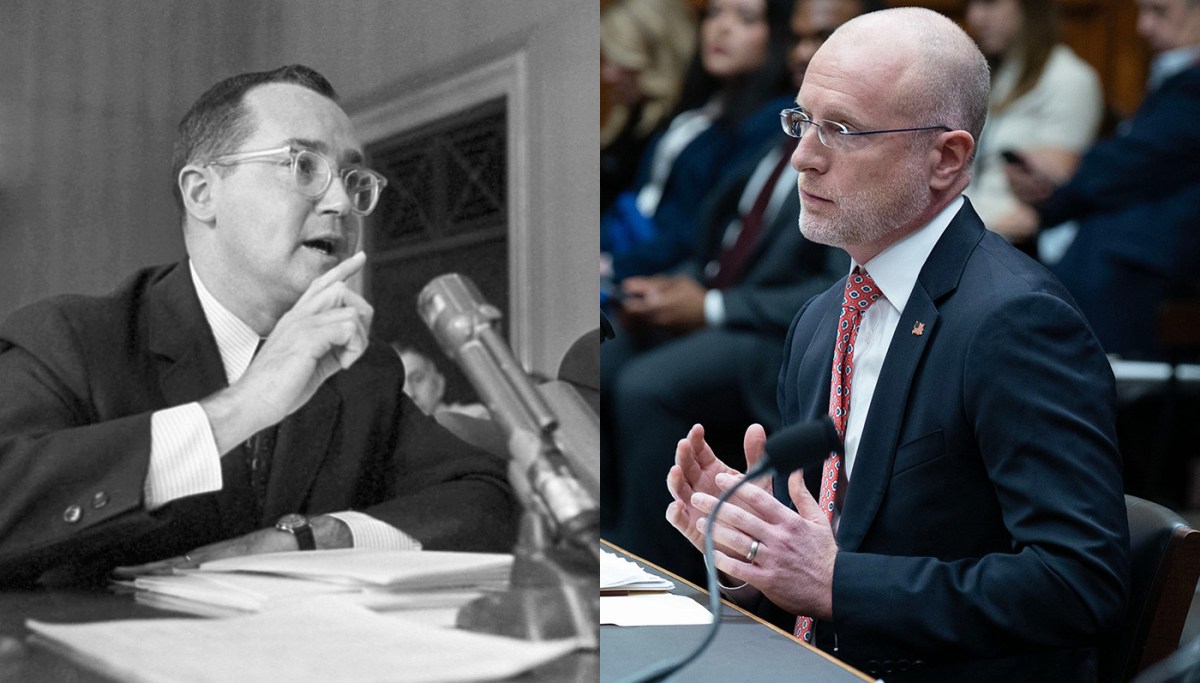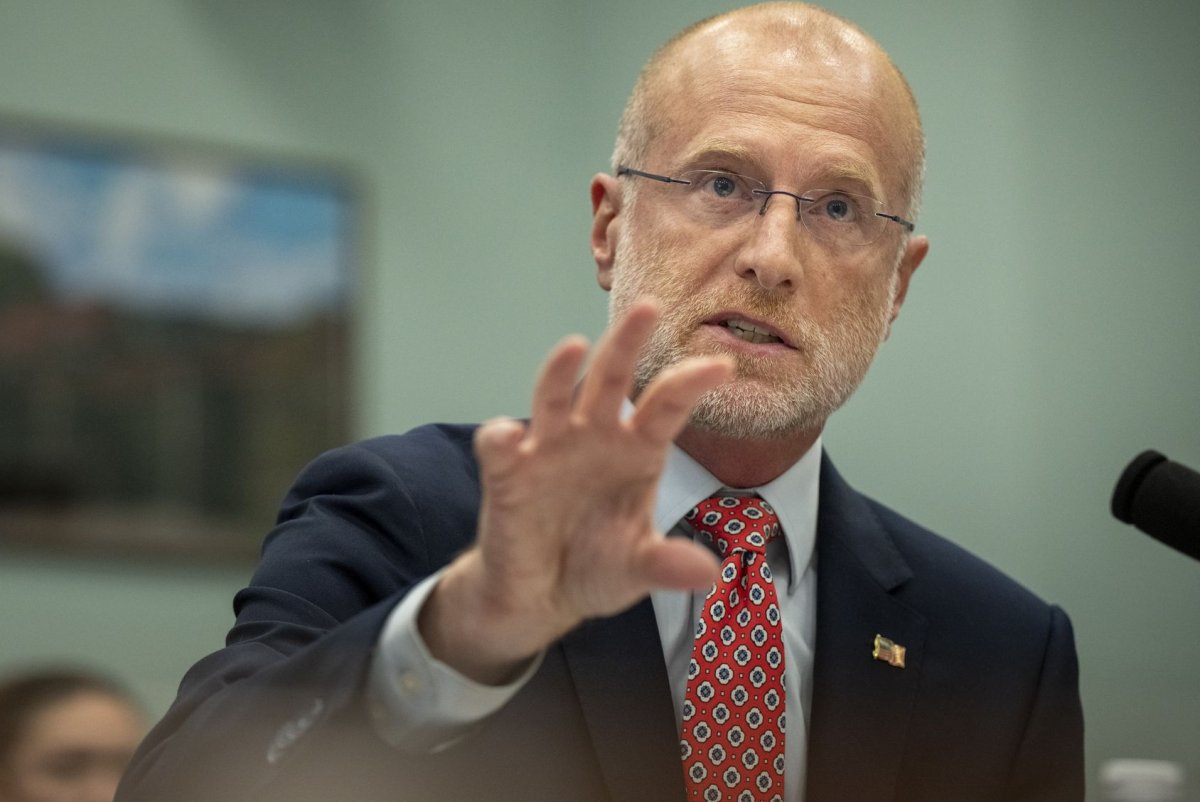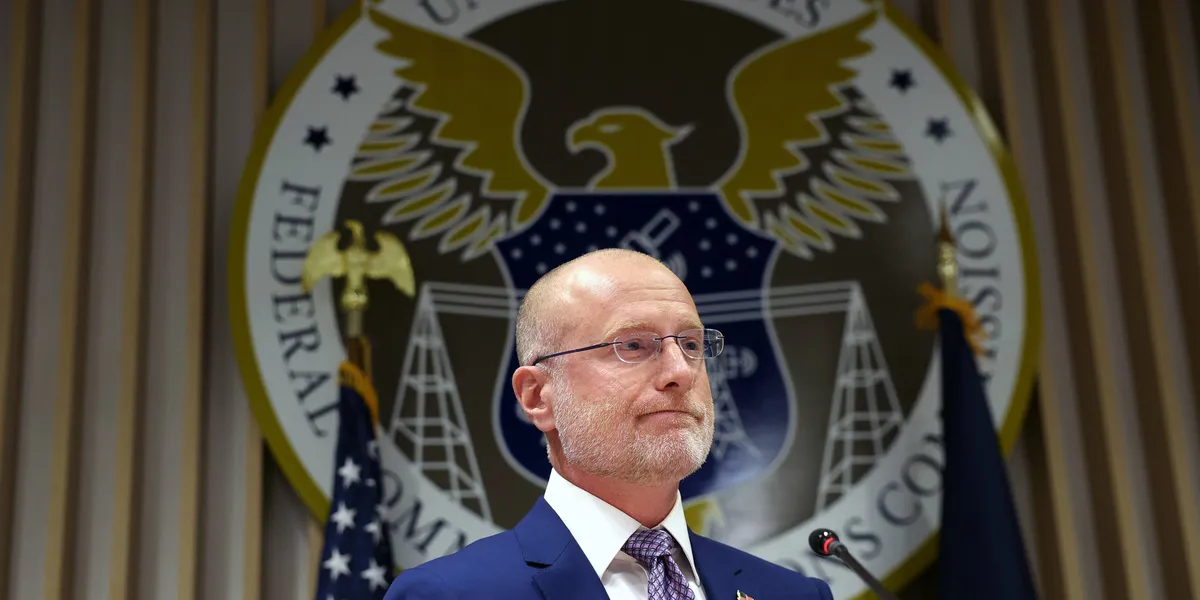
History does not repeat itself, but it occasionally rhymes. Federal Communications Commission Chairman Brendan Carr’s latest broadcast market interventions rhyme much more closely with Franklin Roosevelt’s view of government than with Ronald Reagan’s. This should raise alarms, or as Sen. John Kennedy (R-LA) summed it up last week, “Sometimes the FCC scares me right now.” Progressives lionize FDR as a master of radio whose fireside chats allowed him to bypass a hostile press. But a more accurate history would also recall his administration exploiting regulatory power over radio broadcasters to make the airwaves more favorable to Roosevelt and the New Deal.As historian David T. Beito recounts in the New Deal’s War on the Bill of Rights, broadcasters occupied an unusually vulnerable position. Newspapers did not need federal permission to publish, but radio stations depended on government licenses to remain on the air.
In the FCC’s early years, licenses were renewed for periods as short as six months, leaving broadcasters in nearly continuous regulatory uncertainty. A station considering whether to criticize the administration did not need to receive a direct threat. The consideration was as simple as whether antagonizing the officials controlling its always-upcoming license renewal was worth the risk. The possibility of investigation, delay, or license trouble encouraged caution, conformity, and more favorable treatment of the administration. Government coercion shaped the media diet, one “voluntary” editorial decision at a time.Nine decades later, the technology has changed, but the temptation has not.During the COVID-19 pandemic, Biden administration officials repeatedly and heavily pressed social media companies to act against material inconsistent with the government’s preferred narrative. Officials flagged posts, criticized platforms for inadequate enforcement, and demanded information about moderation decisions.Conservatives rightly objected. The Biden-era “regulatory jawboning” posed the same basic danger visible in Roosevelt’s time. That is, when officials with regulatory or enforcement power express strong preferences about what private intermediaries should carry or suppress, a “request” may not feel voluntary.Such coercion is not limited to one political point of view. The same standard must apply regardless of who controls the levers of power. To that point, Carr’s recent interventions in the broadcast marketplace are troubling.Carr recently announced that the FCC is investigating local television stations’ decisions to change network affiliations. These affiliation agreements are contracts freely negotiated between national networks and local station owners. Historically, the federal government has largely left those negotiations to the parties themselves.Carr, however, has become increasingly vocal in his belief that national networks possess too much leverage over the local stations that carry their programming. He has warned that some stations may be striking deals that produce short-term gains but weaken local broadcasting over time.This intervention is framed as consistent with the FCC’s duty to protect local television and the public interest. But it’s hard not to also notice that national networks, such as ABC, are often more sharply critical in their coverage of the administration than are station groups such as Nexstar and Sinclair. Even harder to ignore, his boss, the President of the United States, loudly and repeatedly calls for networks whose coverage he dislikes to lose their licenses. This political reality makes any FCC intervention in routine marketplace decisions problematic, especially when they’re accompanied by barely veiled threats about license renewals.Carr’s recent saber-rattling against networks that declined to offer live coverage of an Oval Office speech similarly invites unflattering comparisons to the politically motivated regulatory abuses of the New Deal era. Pressed repeatedly by reporters about the President’s demand that the offending networks lose their licenses, Carr voiced his tacit agreement, acknowledging the controversy could factor into the network’s future license renewal reviews before his agency.This dynamic would have been familiar to radio station owners in the New Deal era, whose vulnerability to licensing threats was so total that the National Association of Broadcasters celebrated FDR’s inauguration by “voluntarily” announcing a new policy requiring affiliates to carry any Roosevelt speech “at a moment’s notice.” They put the entire infrastructure of the nascent radio industry at the administration’s disposal as a propaganda megaphone, rather than risk ruffling their all-powerful regulators’ feathers. THE FCC WANTS TO BE THE SPEECH POLICEThat’s a cautionary tale of what not to emulate. The lesson of the early radio years is that authority over broadcast licenses must be exercised with extraordinary restraint. The power to regulate a medium of political communication can easily become the power to influence it.Carr should step back and rethink his embrace of New Deal interventionism before he returns the FCC to the darkest abuses of its past. Bartlett Cleland is executive director of the Innovation Economy Institute.