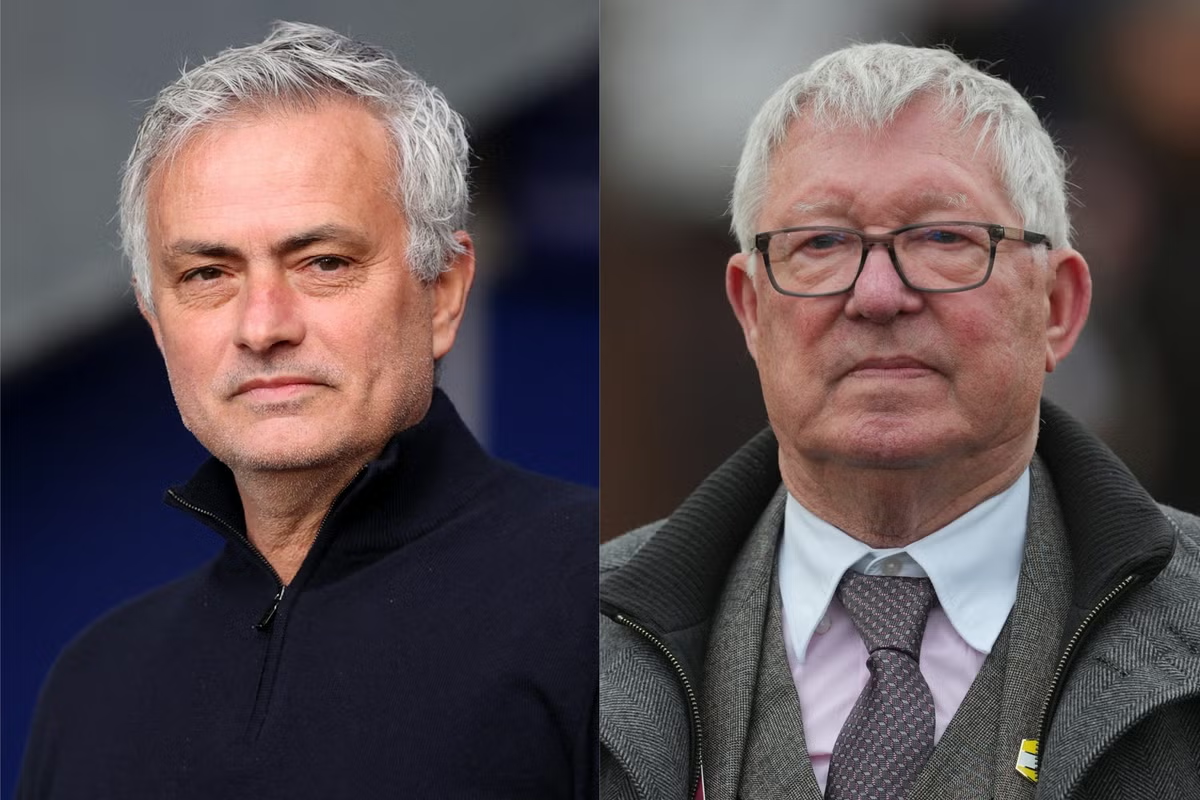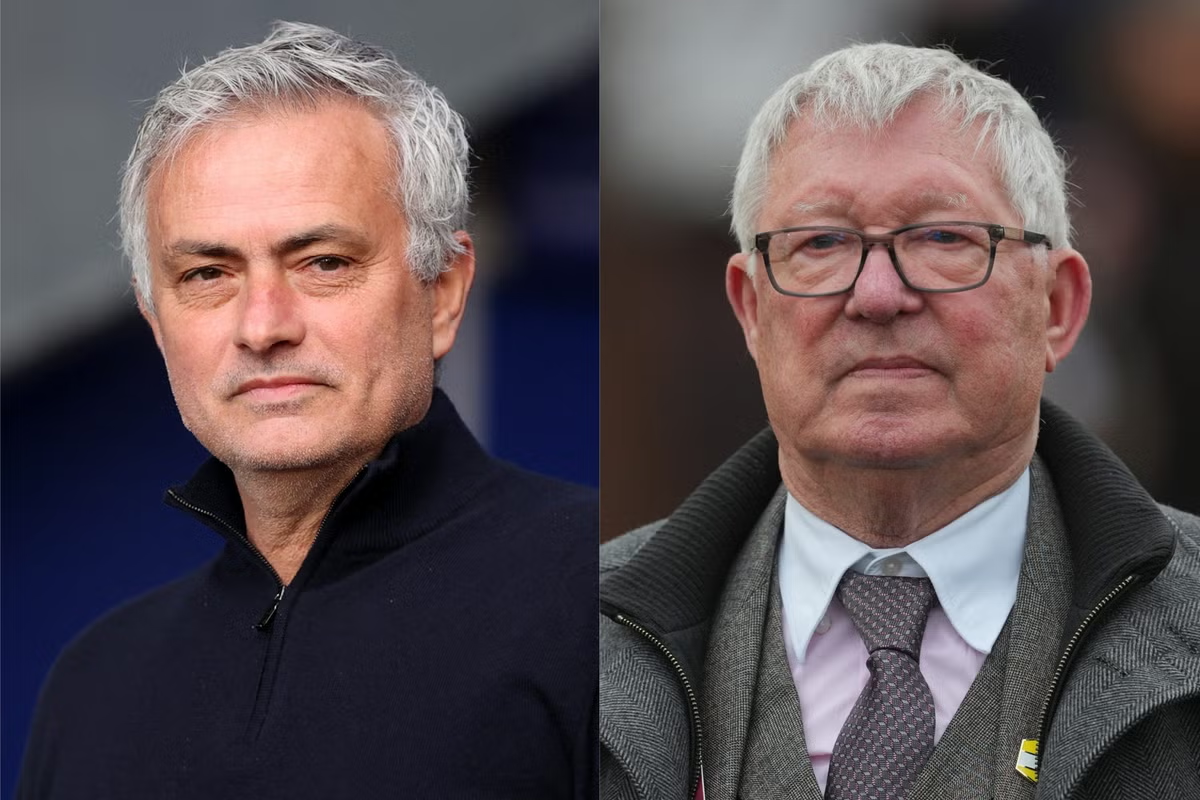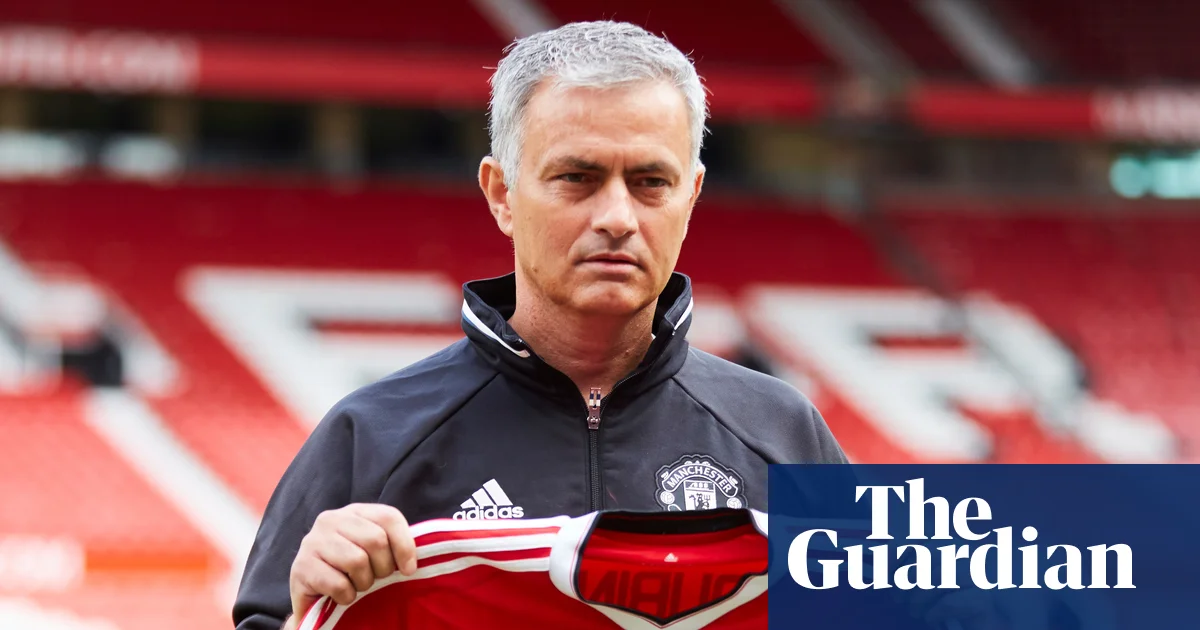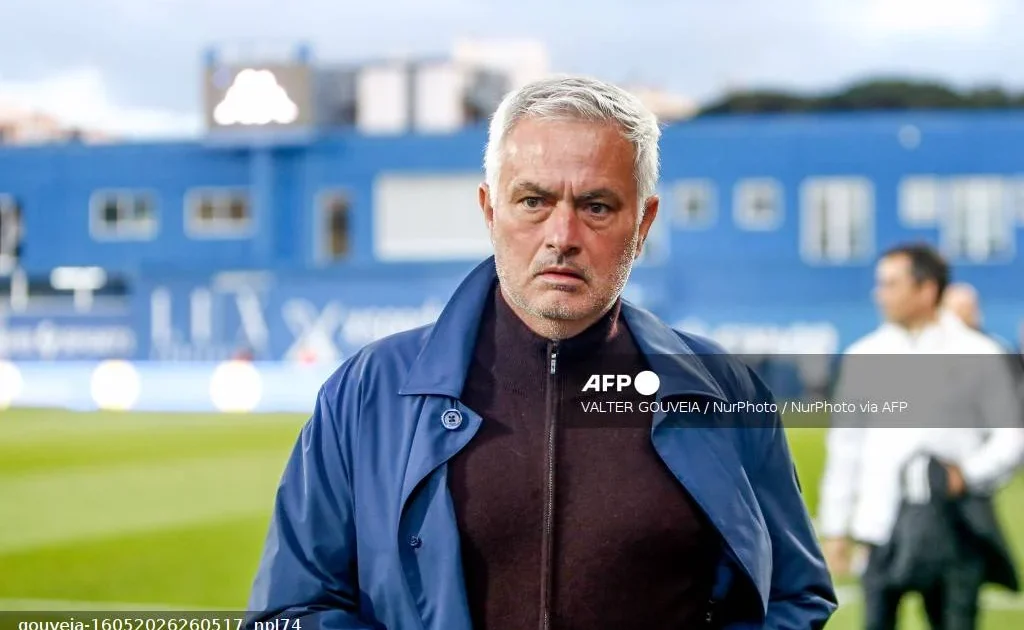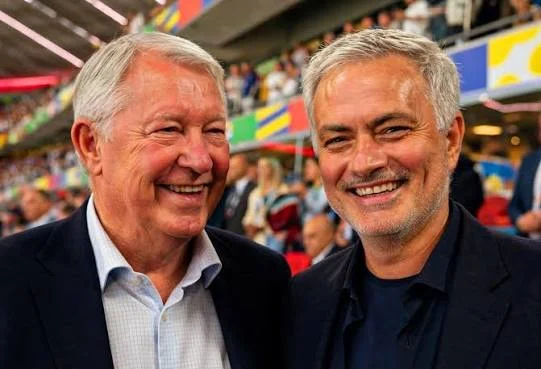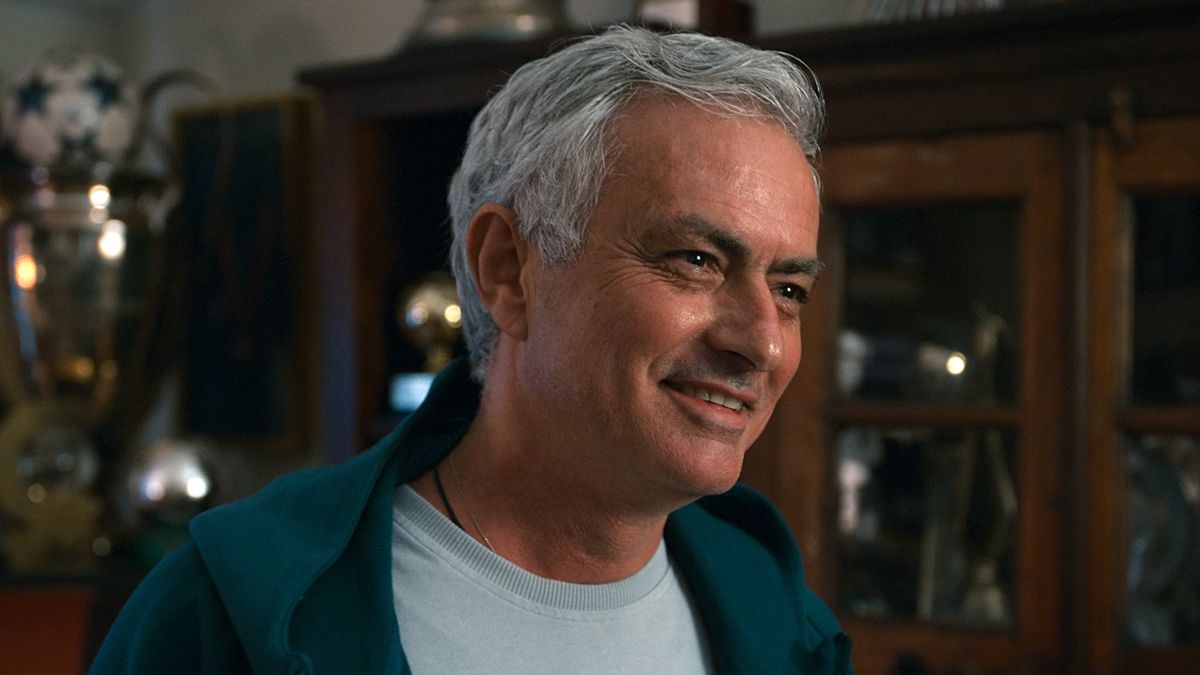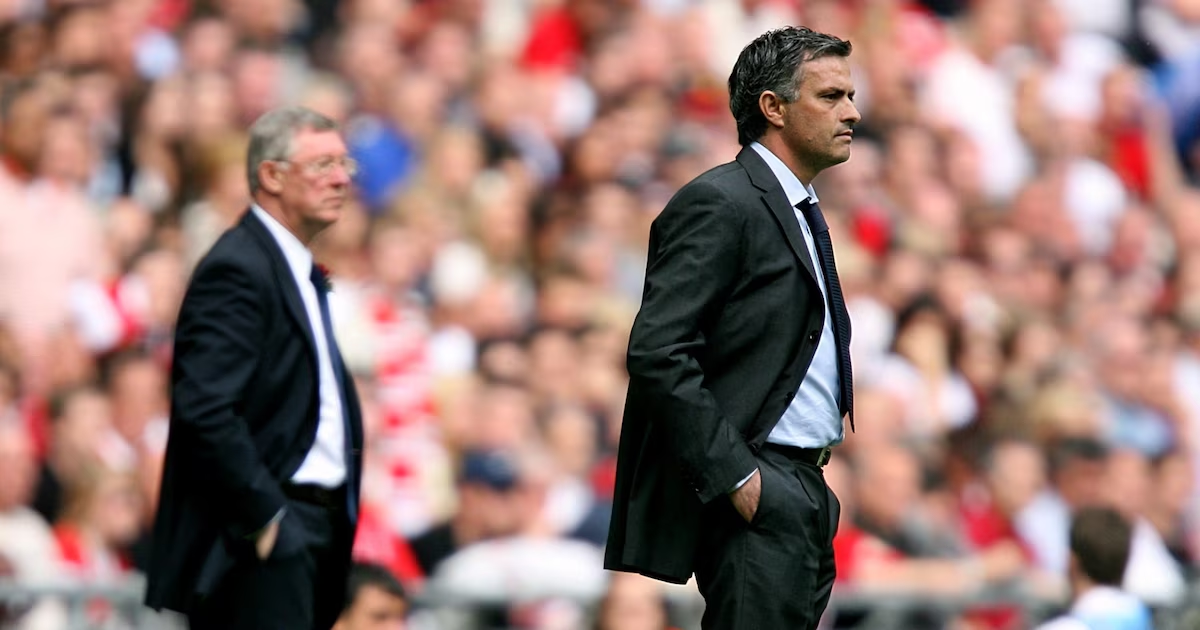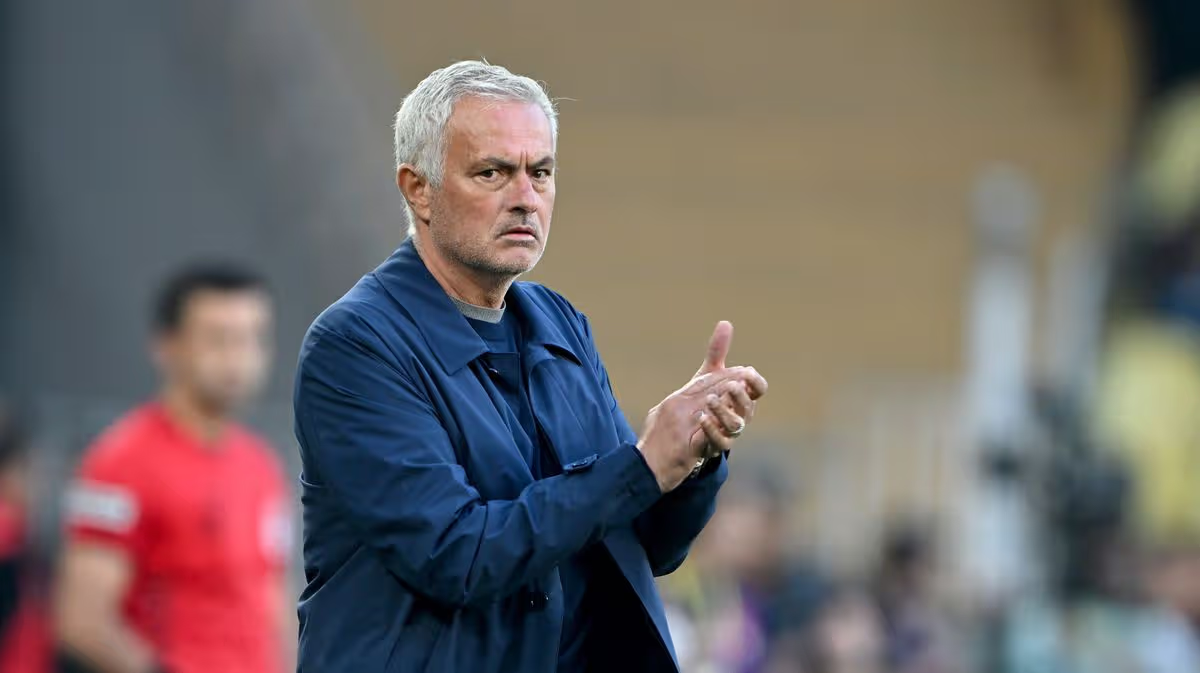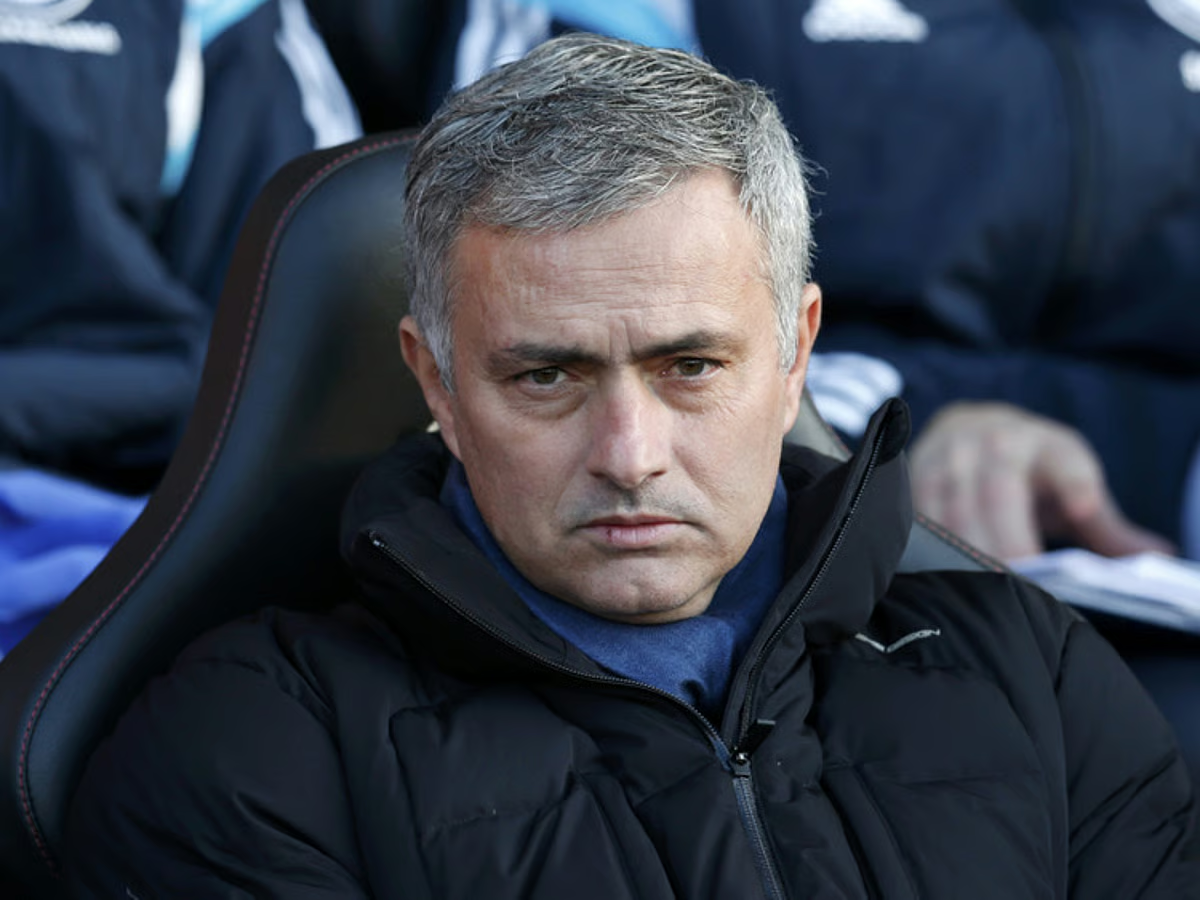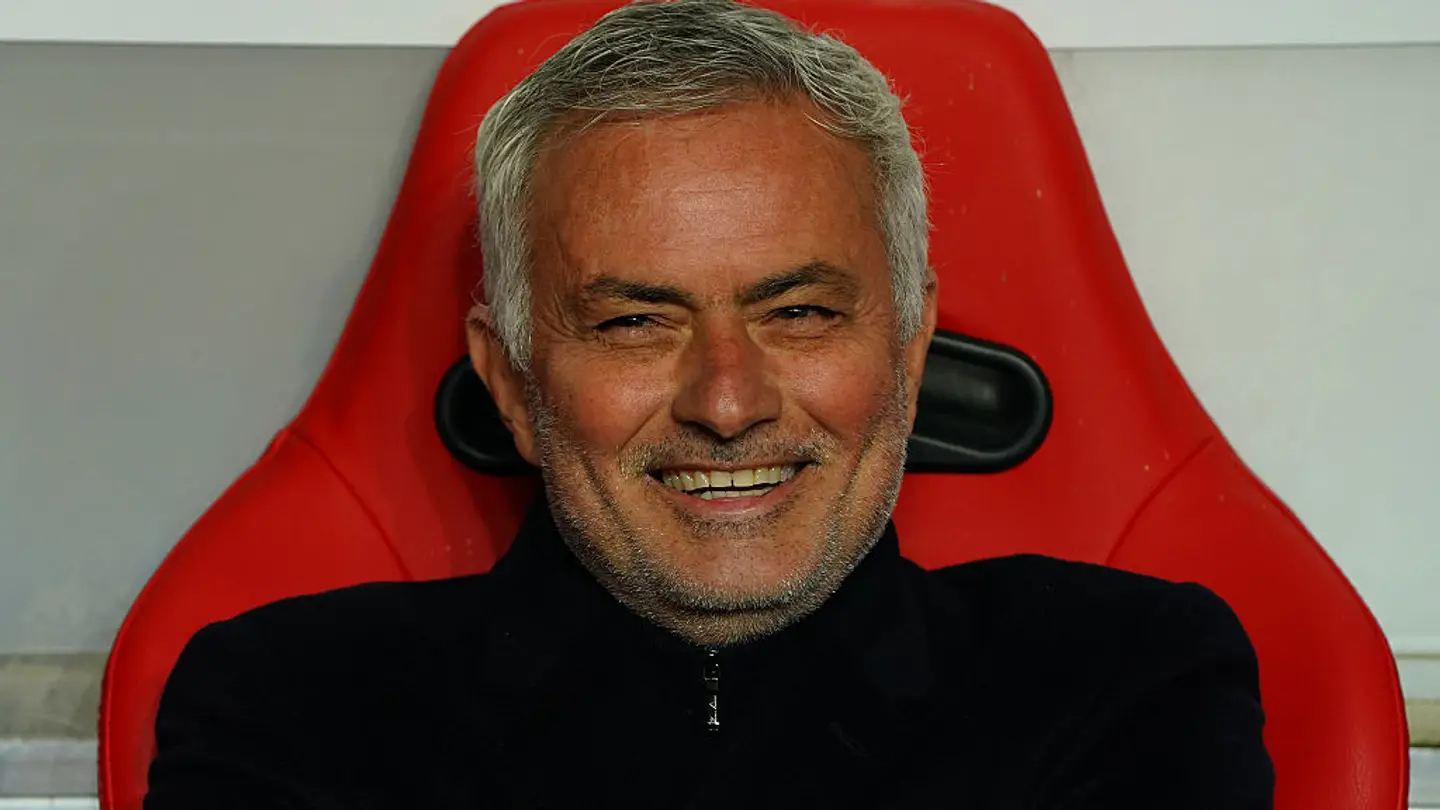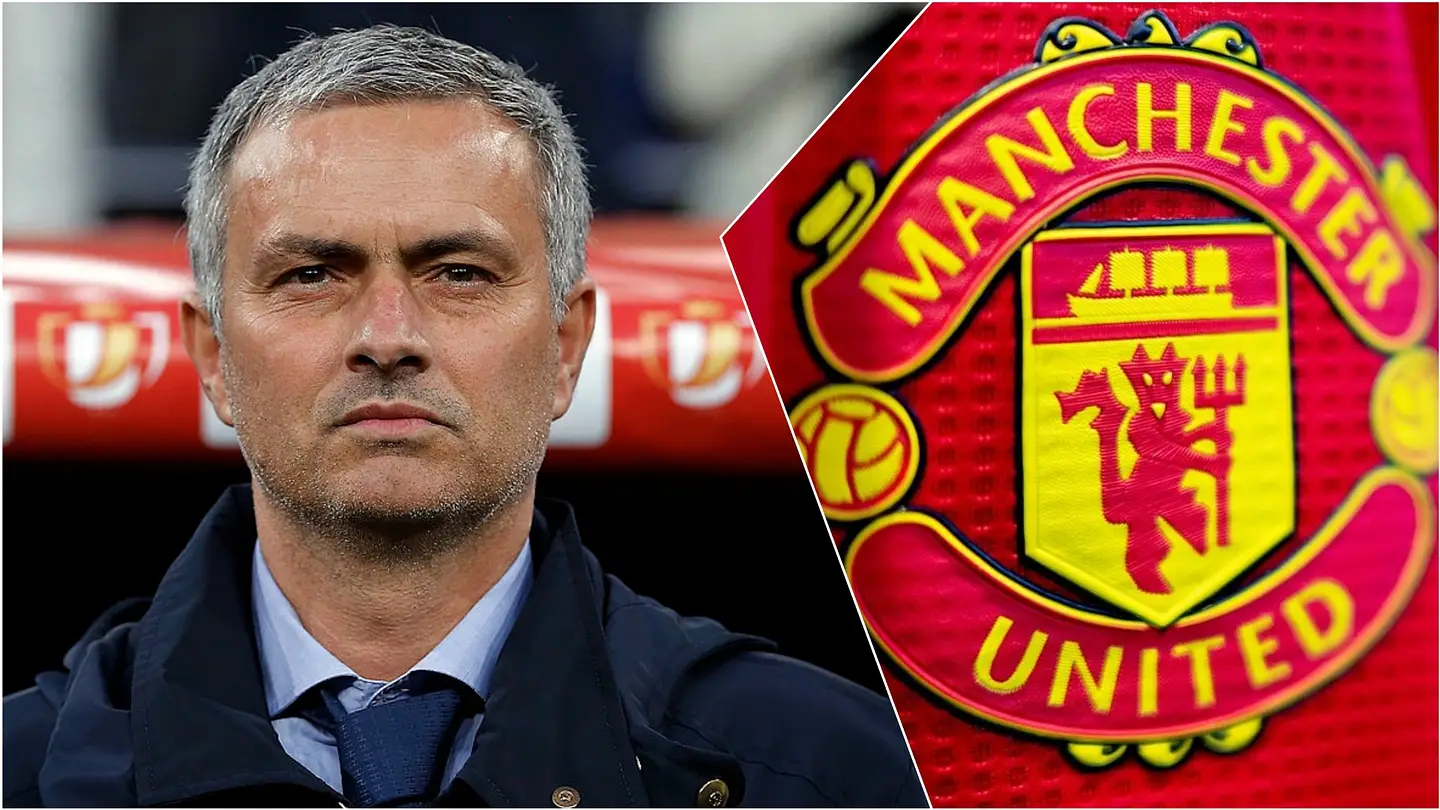
Netflix sport documentaries often unearth some almighty secrets. A new series detailing the life of legendary soccer coach José Mourinho has fulfilled that brief. The 63-year-old revealed that he had agreed to succeed Alex Ferguson at Manchester United when the Scotsman retired in 2013 following a 26-year spell at Old Trafford.However, having just departed Real Madrid at the time—the club he is once again coaching ahead of the upcoming season—Mourinho then decided he could not join the Red Devils in favor of returning to former club Chelsea, as confirmed by Ferguson, too. David Moyes was selected as the alternative successor to Ferguson and dubbed ‘The Chosen One’ on arrival. However, he was sacked after just 10 months in Manchester. In west London, meanwhile, it took just two seasons for Mourinho to win his third Premier League title with Chelsea. Of course, the Portuguese manager would eventually end up at United, joining the club in 2016 after another departure from Stamford Bridge. The League Cup and Europa League were won before things turned sour—as they often do with Mourinho—which resulted in his premature exit in 2018. But what would have been had he joined United ahead of the 2013–14 season instead? Let’s dive into an alternate reality. Squad AssessmentGareth Bale was strongly linked with United in 2013. | AMA/Corbis/Getty ImagesUnited’s business under Moyes was undeniably underwhelming. The club signed just three players in the summer of 2013, with Marouane Fellaini—one of the Scot’s reliable servants from Goodison Park—the only notable introduction. The recruitment of Juan Mata in January was necessary, but the club were already hurtling towards a crisis. The second retirement of Paul Scholes before the season began certainly didn’t aid Moyes, who could have used such an experienced general in midfield. But Mourinho might have been able to attract a glitzier replacement for the club legend given his reputation across world soccer. United had made offers for Barcelona midfielder Cesc Fábregas in Moyes’s first and only summer at the helm, but the Spaniard instead committed his future to the Catalan behemoth. Perhaps Mourinho could have swayed him, drawing him back to the Premier League and into United’s midfield alongside Michael Carrick. In reality, Fábregas ended up joining Mourinho at Chelsea in 2014.Elsewhere, major surgery wasn’t necessarily required. United had David De Gea in goal, and he eventually came good despite a rocky start, while the defense consisted of an aging Rio Ferdinand and Nemanja Vidić, as well as younger names such as Chris Smalling and Phil Jones. At full back, Patrice Evra and Antonio Valencia were capable options. United still had a talented roster despite overperforming in Ferguson’s final year. | IAN KINGTON/AFP/Getty ImagesUnited still had plenty of attacking firepower. While Robin van Persie struggled to replicate the previous season’s form, he still supplied 18 goals in all competitions, while Wayne Rooney struck 19 times as well. Javier Hernández (9) and Danny Welbeck (10) both chipped in. But it could have been improved further, with Gareth Bale holding talks with the Red Devils in 2013 before eventually joining Real Madrid from Tottenham Hotspur. Those discussions might have been more convincing with Mourinho overseeing them, potentially leading to a world where the Welshman was bombing up and down the flanks at Old Trafford rather than the Bernabéu.Regardless of incomings, there’s little doubt Mourinho would have got a nicer tune out of United’s 2013–14 cohort. How the 2013–14 Season Might Have Panned OutUnited were capable of much, much more. | Mike Hewitt/Getty ImagesVictory in the Community Shield over Wigan Athletic was about as good as things got for Moyes. He lost three of his first six matches in the Premier League, which included a narrow defeat at Anfield to arch rivals Liverpool and a chastening 4–1 loss at neighbors Manchester City. The latter set the tone for an embarrassing campaign. United won just one of their 10 league matches against other members of the traditional ‘Big Six’, with some utterly humiliating defeats staged. The worst came in March, shortly before Moyes was fired, as they suffered successive 3–0 Old Trafford defeats to Liverpool and Man City. Mourinho has carved a reputation as a big-game manager, with his tactical acumen and gamesmanship often handing his sides the edge against rivals of a similar standing. It’s inconceivable that United would have failed to win 90 per cent of their matches against ‘Big Six’ opponents. By contrast, Chelsea won seven and drew three of their 10 games against the ‘Big Six’ in 2013–14. As United tumbled to seventh—their lowest-ever Premier League finish at the time—Chelsea came third, only behind Manchester City and surprise overperformers Liverpool. The Blues picked up 18 more points than United and lost half the number of matches, with their defensive record the main difference. Mourinho is renowned for his ability to organize teams, making them difficult to break down no matter the circumstance or opponent. Chelsea conceded just 27 times in the 2013–24 Premier League season, while United allowed 64 goals throughout the campaign, with Moyes completely incapable of preventing regular defensive implosions. Chelsea also outperformed United in the Champions League and FA Cup, too, reaching the semifinals of the former and fifth round of the latter. United, meanwhile, were well beaten by Bayern Munich across two legs at the quarterfinal stage of Europe’s premier competition, while their FA Cup campaign ended at its first hurdle following a third round defeat to Swansea City. While United might have walked away from the 2013–14 season without major silverware regardless of their manager, Mourinho would have offered a vast improvement from what was witnessed under Moyes. They almost certainly would have re-qualified for the Champions League at the very least, offering a springboard for success the following season. The Future Under MourinhoMourinho’s stints tend to be short and sweet. | Valter Gouveia/NurPhoto/Getty ImagesIt was during Mourinho’s second season back at Stamford Bridge that Chelsea truly sparkled. A domestic double was won as the capital side clinched the Premier League title with 87 points—a whopping 17 more than fourth-placed United achieved under Louis van Gaal—and won the EFL Cup. We can never know if United would have achieved similar in Mourinho’s hypothetical second term in 2014–15, but the odds of success would have been much higher with him in the Old Trafford dugout. However, long-term projects have never been Mourinho’s thing, with Chelsea firing him midway through 2015–16. His spiky personality and unapologetic self-belief often leads to internal bust-ups and public fallouts, as evidenced by pretty much every chapter of his managerial career. Even if Mourinho had guided United to short-term success, there’s no chance he would have stuck around for very long afterwards. Add us as a preferred source on GoogleFollow
Imagining Jose Mourinho’s Man Utd If He’d Replaced Sir Alex Ferguson in 2013
Things could have been ever so different had the legendary Portuguese manager rocked up at Old Trafford several years before his eventual appointment.
1,119 words~5 min read