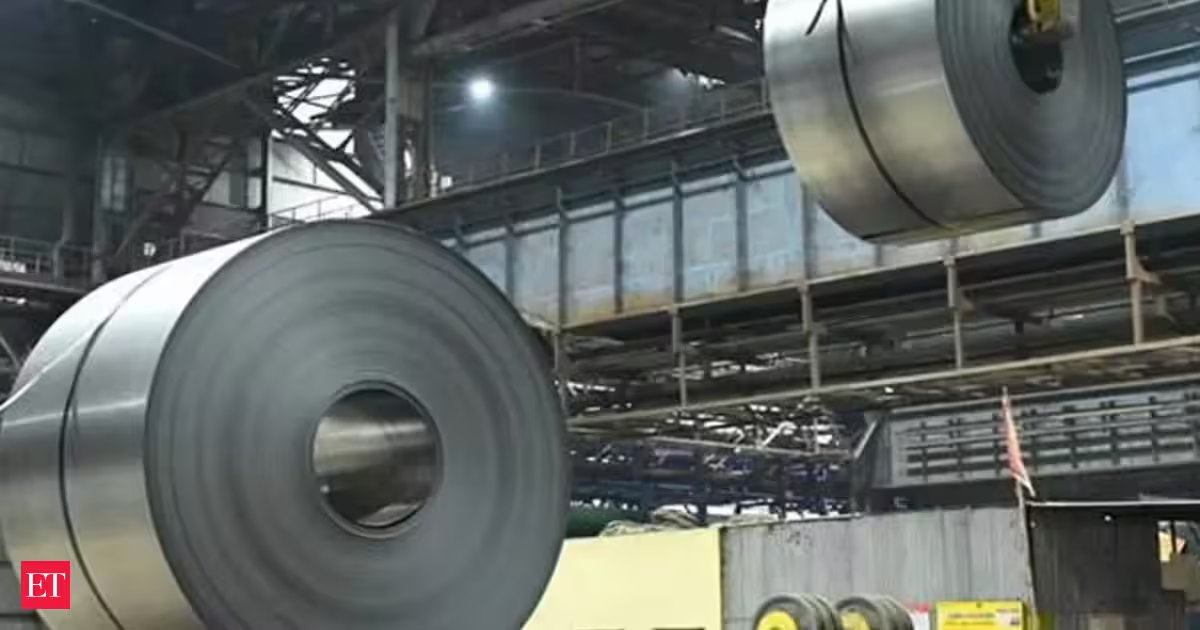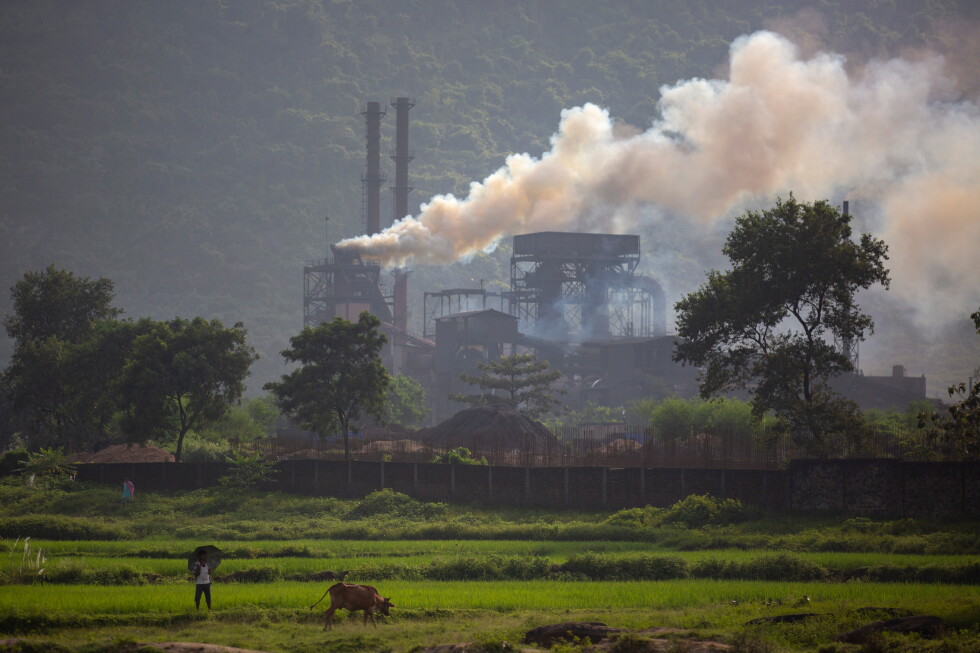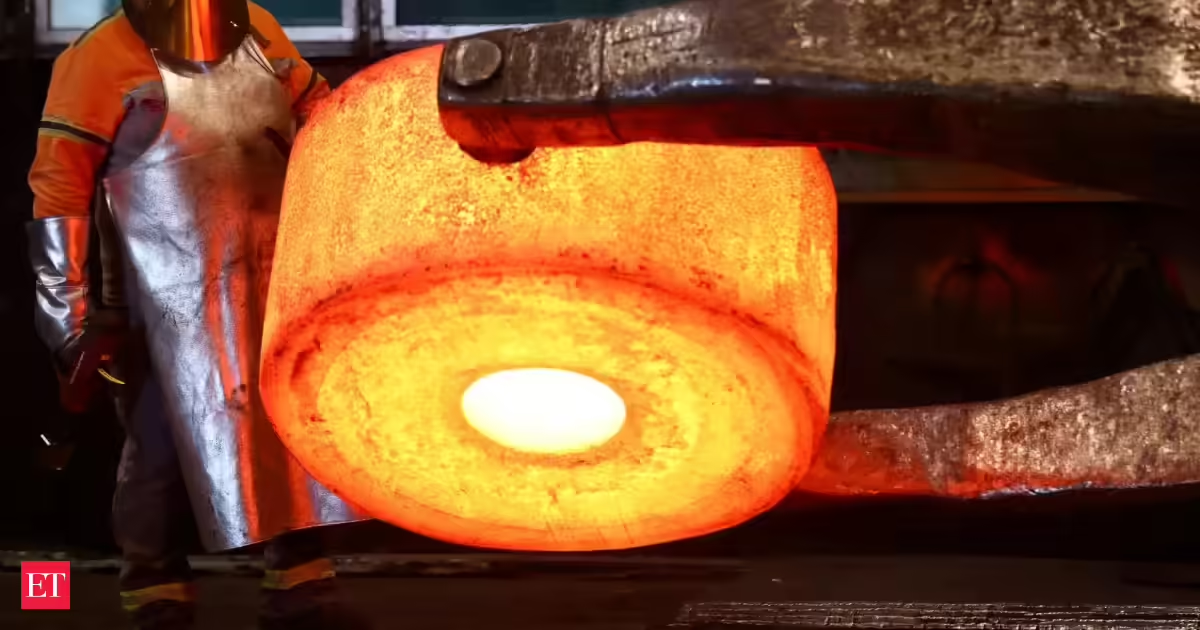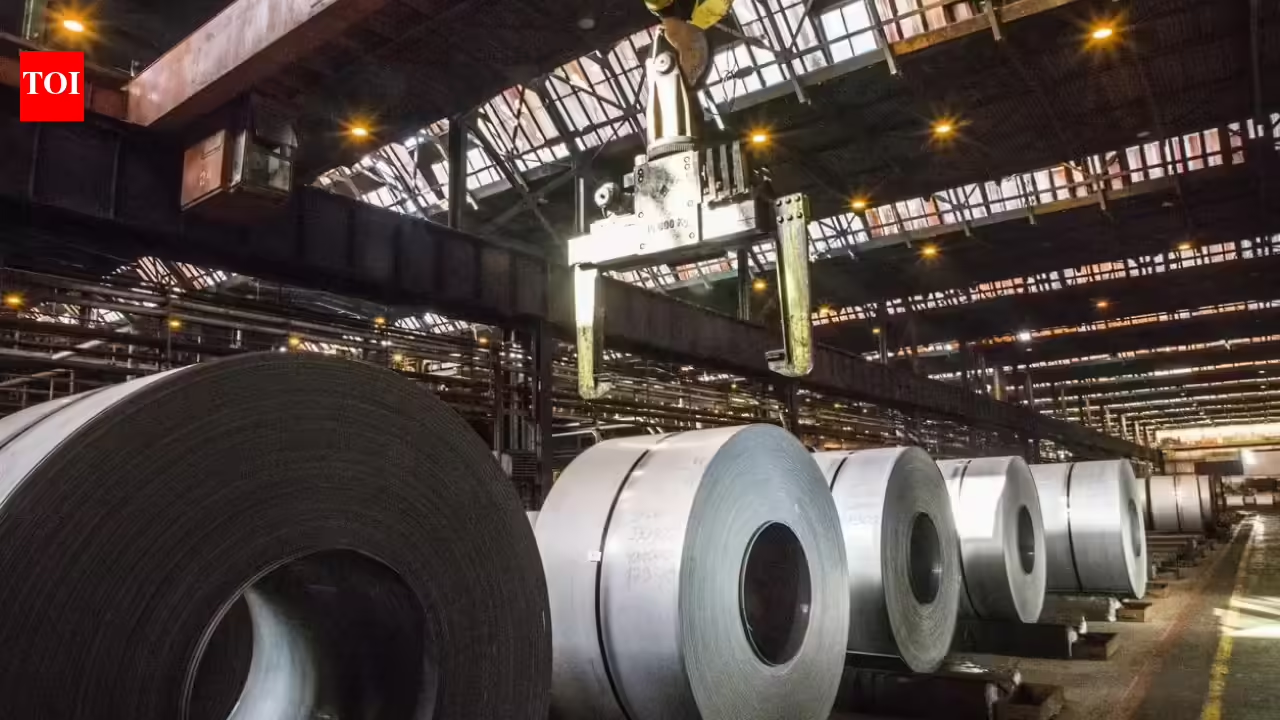
India’s secondary steel sector accounts for about 44 per cent of crude steel production and comprises more than 1,000 MSME units, which generate an estimated 50-60 million tonnes of carbon dioxide equivalent annually
Demand aggregation for renewable electricity could reduce power costs for India’s secondary steel MSMEs by up to 34 per cent, translating into annual savings of ₹2.2 crore to ₹2.4 crore per unit.According to a report released at the CII Green Steel Summit in Raipur, electricity accounts for up to 40 per cent of operating costs for secondary steel producers. Renewable power is available at ₹4.5-6 per unit in several states, compared with grid tariffs of ₹7-8, creating a significant opportunity to reduce production costs while cutting emissions.The report has ranked 22 secondary steel clusters on their attractiveness for renewable energy integration, with Raipur, Belgaum, Shimoga, Rajkot and Bhavnagar emerging as the top five.The report, Powering India’s Secondary Steel Transition: The Business Case for Cluster-Based Renewable Electricity Procurement, has identified the group captive model as the most viable option for MSMEs. Under this model, several units jointly own a renewable energy plant and draw power in proportion to their equity contribution.In Rajkot, a foundry taking a 5 MW share in a group captive solar project would require about ₹1.4 crore in equity and could lower its electricity tariff by around 20 per cent. In Raipur, a 10 MW share for an integrated furnace and rolling-mill unit would require about ₹2.7 crore and reduce tariffs by around 34 per cent. The initial investment could be recovered within one to two years.Upfront investmentThe full-capex model offers higher lifetime savings but requires substantial upfront investment, land and maintenance capabilities. Third-party open access requires no capital expenditure, but surcharges limit the savings.India’s secondary steel sector accounts for about 44 per cent of crude steel production and comprises more than 1,000 MSME units. It generates an estimated 50-60 million tonnes of carbon dioxide equivalent annually. However, renewable adoption among secondary steel MSMEs remains around 11 per cent, roughly half the 22 per cent share of renewables in India’s overall electricity mix.The report recommends time-bound open-access concessions, portfolio-level credit guarantees through SIDBI or IREDA and a standardised framework for group-captive projects across states.Published on August 13, 2026