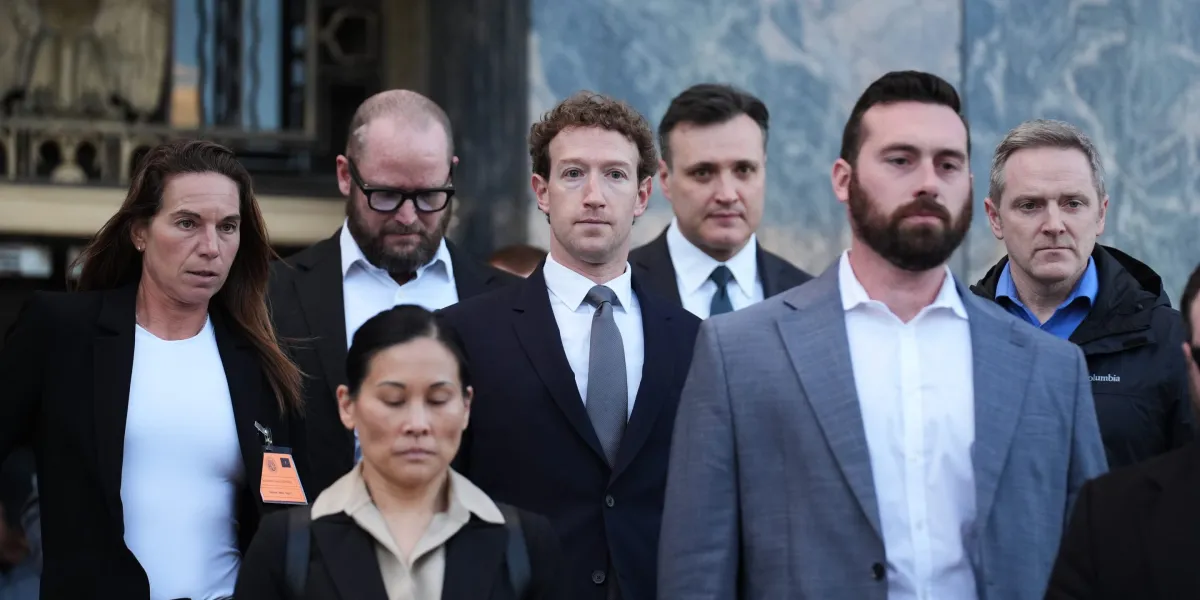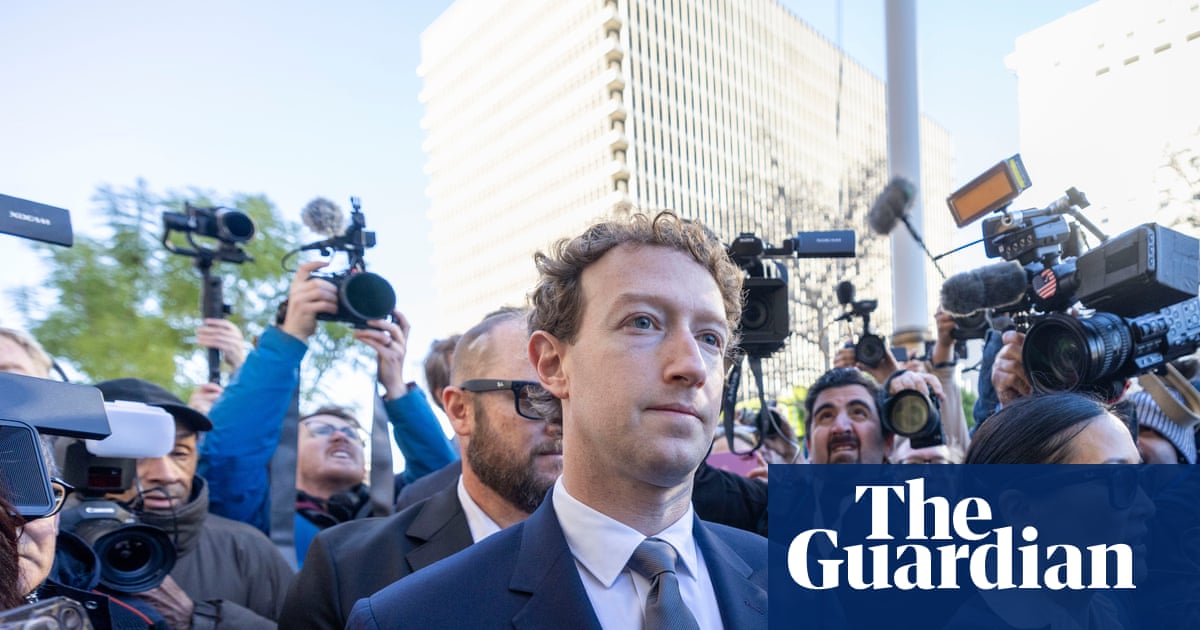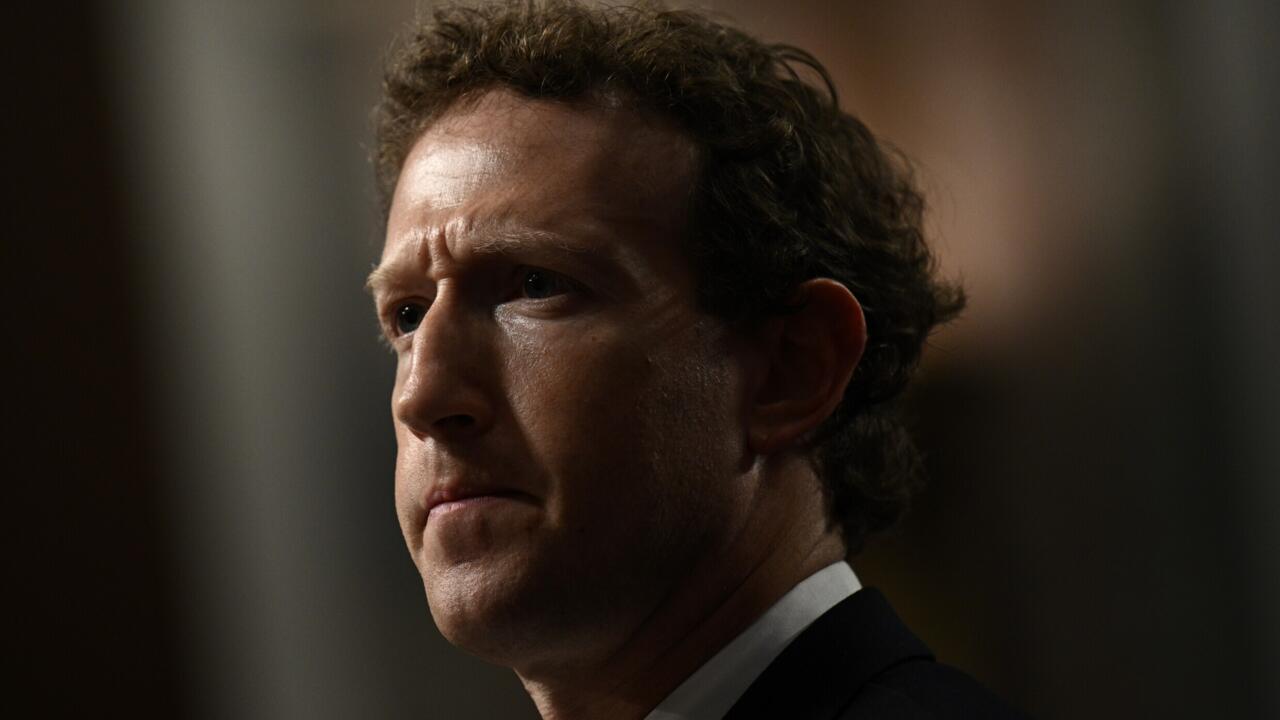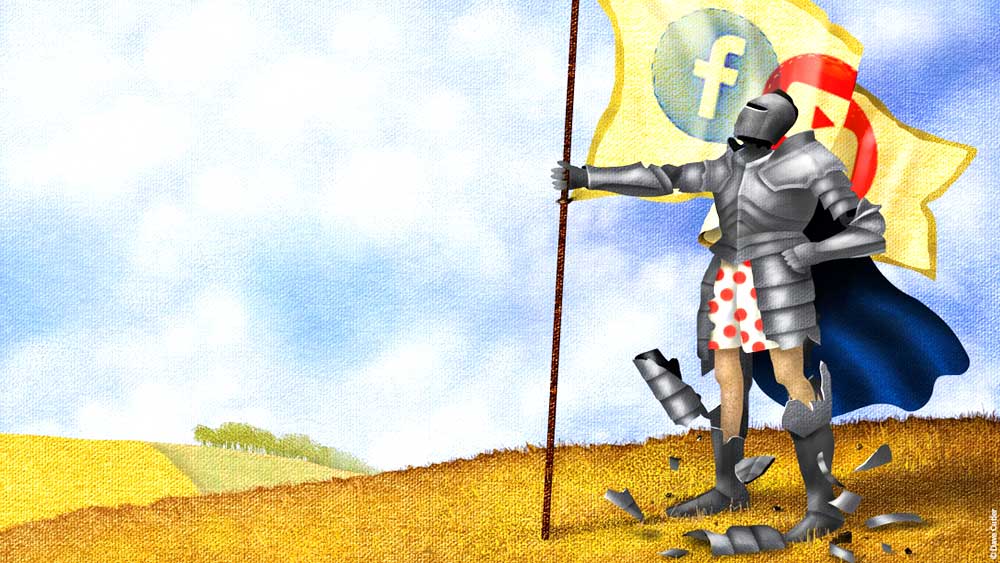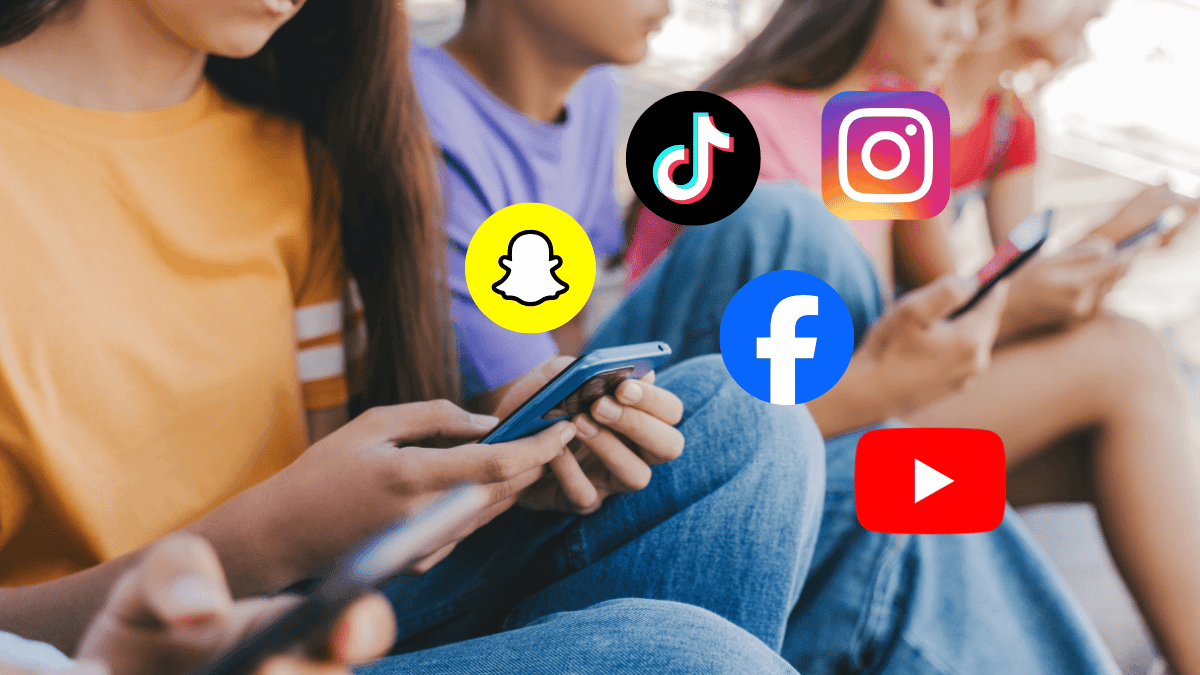
This is Big Tech’s Big Tobacco moment. Three major court decisions have found big social media firms guilty of not doing enough to protect young users, with the latest one last week awarding $567m in damages to the state of New Mexico.For decades social media companies have hidden behind legislation that shields them from responsibility for what people post on their platforms.The infamous section 230 of the Communications Decency Act of 1996 is that barrier to liability that has allowed social platforms to allow disinformation, hate speech, misogyny, antisemitism, Islamophobia and all manner of shitposting and venomous hatred. It has turned the human experience (on social media) into one driven by outrage.But there have been consequences and those have mostly fallen, as in all conflicts, on the young. Teen anxiety, depression, eating disorders, self-harm and even suicide have been unequivocally on the rise since social media itself emerged.New York University professor Jonathan Haidt has shown this inexorable connection in a database of academic research he has collected; as well as numerous articles, best-selling books and TED talks. Instead of finding ways to make their services less addictive, Big Tech doubled down on features such as autoplay and infinite scroll while leaving notifications always turned on to get eyeballs back into an app.Meanwhile, whistleblowers such as Francis Haugen exposed how Meta “prioritises growth over safety” while Instagram executives knew, and emailed each other, about the dangers to teen mental health.Canny US lawyers have taken a new strategic approach to taking on Big Tech, the same playbook that was used against Big Tobacco in the 1980s. They are focused on the personal injury caused by social media: the addiction, depression, thoughts of self-harm and lack of self-worth. And it’s worked.But what has also happened is government-subpoenaed documents have been made public. Haidt has published many of Meta’s internal documents. They are a painful-to-read smoking gun of what Meta executives knew about the dangers in their products but did nothing to counter.The Tech Oversight Project, an American nonprofit trying to hold Big Tech to account, has also published an online database of the documents revealed in these court cases. One of them is a 2016 email titled “teen growth”, with the line “Mark has decided that the top priority for the company ... is teens”.Unparalleled powerSocial media’s power is unparalleled in human history and it’s controlled by very few individuals with unparalleled power. Every month 3-billion people use Facebook, WhatsApp and Instagram. They may be many of the same people, but each of these vast social networks has 3-billion users. And they all belong to one company that is controlled by one man, Mark Zuckerberg.Messenger, another Facebook app, has 942-million users, according to researcher Statista. That is only good enough to be eighth in the most-used social app rankings as of October 2025. Facebook, WhatsApp and Instagram (in that order) are followed by YouTube (2.5-billion), TikTok (1.9-billion), WeChat (1.4-billion) and Telegram (1-billion). After Messenger, Snapchat is 9th (932-million) while Reddit rounds out the top 10 (765-million).That’s close to 4-billion people who use Zuckerberg’s products. One of those people, a young woman known by her initials KGM, sued Meta, Snap, YouTube and TikTok in 2023, arguing that she had become addicted to them after she began using them at age six. KGM said she experienced thoughts of self-harm and body dysmorphia. TikTok and Snap settled before the trial.Though the financial damages were the least of the three trials concluded so far ($6m), it is arguably the most significant. It causally connects Facebook and Instagram’s intentional design with addiction and its consequences.KGM’s lawyer, Mark Lanier, told the court that “this case is about two of the richest corporations in history, who have engineered addiction in children’s brains”. He’s not wrong. Even Meta’s own research concluded that it was unsafe and dangerous to mental health, but they ignored it.The glibness of Instagram chief Adam Mosseri’s testimony about what constitutes addiction is a stark demonstration of how Meta thinks about mental health. “I’m sure I’ve said that I’ve been addicted to a Netflix show when I binged it really late one night, but I don’t think it’s the same thing as clinical addiction,” he said.But the jury was having none of it and the abundance of internal documents, memos, emails and presentations pulled back the curtain (further) on what Meta knew about the damage done by its own products.“This is the first time in history a jury has heard testimony by executives and seen internal documents that we believe prove these companies chose profits over children,” said Joseph VanZandt, another of KGM’s lawyers.Legal victoryHer victory in a Los Angeles courtroom came a day after another legal victory in March, when New Mexico won its case against Meta over child safety. The jury awarded $375m in damages for its failure to protect its young users against sexual predators, as well as misleading its users about the safety of its platforms.It was a stinging rebuke that has been a long time coming. “The jury’s verdict is a historic victory for every child and family who has paid the price for Meta’s choice to put profits over kids’ safety,” New Mexico’s attorney general Raúl Torrez said afterwards. “Meta executives knew their products harmed children, disregarded warnings from their own employees and lied to the public about what they knew. Today the jury joined families, educators, and child safety experts in saying enough is enough.”Before the trial, Torrez told The Guardian that Meta is the “largest marketplace for predators and paedophiles globally”. Six months ago, the jury agreed with him. This month, in the second part of that trail, the judge ordered Meta to pay an additional $567m to create a fund to help remedy the mental health impacts on teenagers. This brings the total in this landmark trial against Meta to $942m, which is still a drop in the ocean compared with the $200bn Meta earned in 2025.As Tech Oversight Project executive director Sacha Haworth said: “The era of Big Tech invincibility is over – this ruling is an earthquake that shakes Big Tech’s predatory business model to its core. After years of gaslighting from companies such as Google and Meta, new evidence and testimony have pulled back the curtain and validated the harms young people and parents have been telling the world about for years.”• Shapshak is editor-in-chief of Stuff.co.za.
TOBY SHAPSHAK | Big Tech is facing its Big Tobacco Waterloo
Major legal victories find social media guilty of not protecting youngsters online
1,061 words~5 min read