This is partner content, brought to you by Arbor Energy. Brad Hartwig is the company’s CEO and co-founder
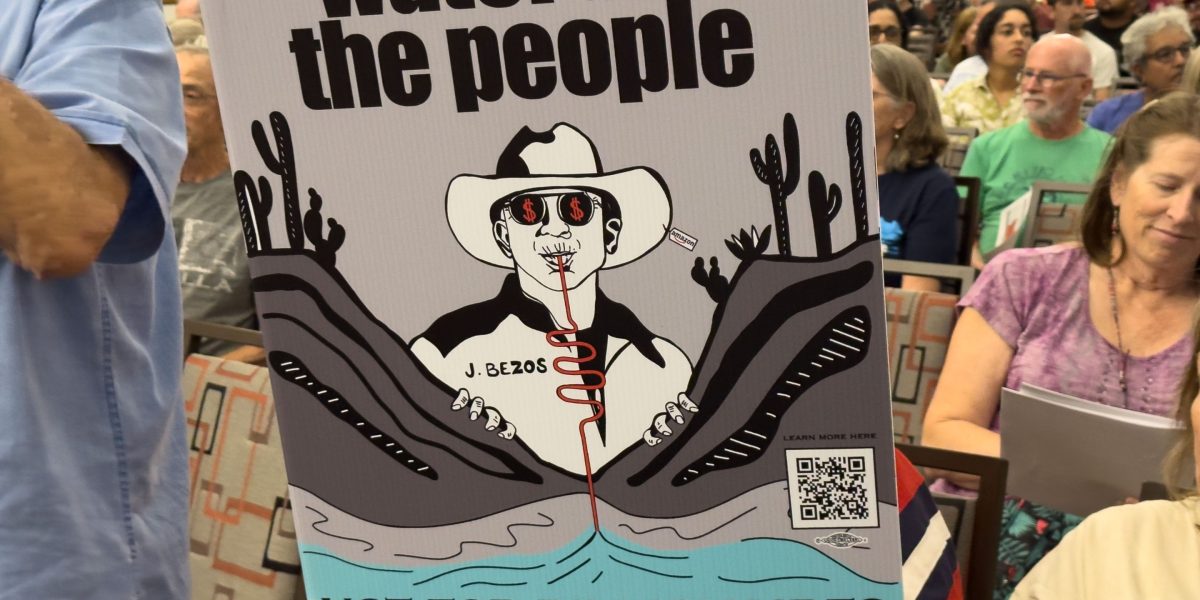
This year, Corpus Christi, Texas was on track to become the first American city to run out of water. Recent floods bought it another year, but nobody there is calling it solved, not with industrial users alone responsible for more than half of regional demand. That’s the backdrop against which every new data center announcement now lands.
I wrote recently that the industry has treated community concerns as a communications problem when they should be treated as design requirements, worked out before a site is chosen rather than explained after. Water is where that argument gets tested. You can’t talk your way out of how many gallons a facility pulls from a stressed aquifer or a municipal system that’s already rationing. The number is the number, and it either works for the community or it doesn’t.
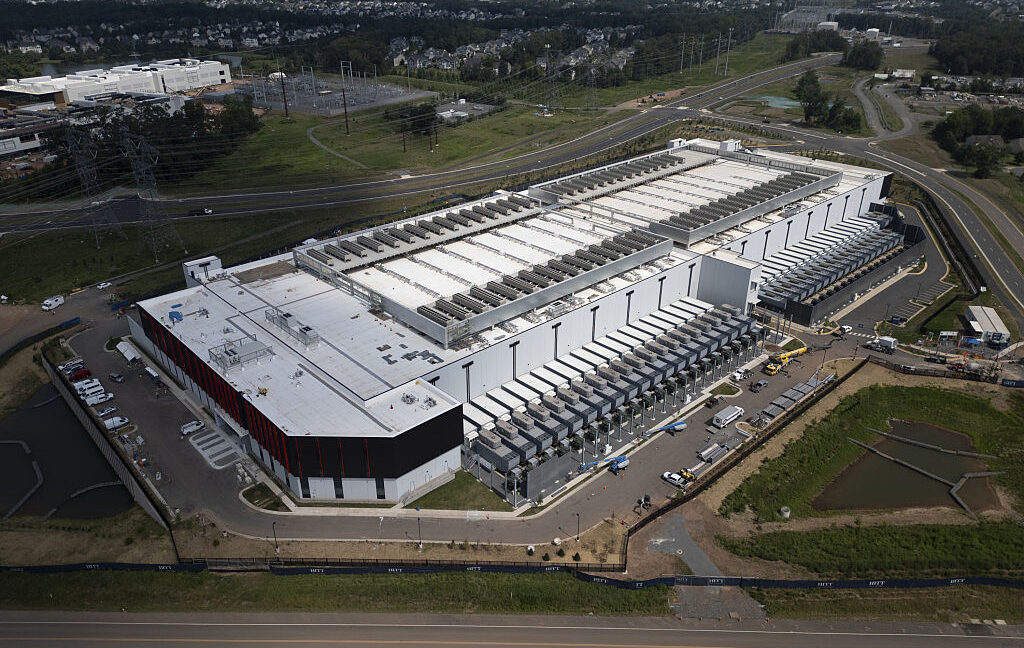
Traditional data center cooling relies on evaporative systems and chillers that draw enormous volumes of water, usually from the same treated supply residents drink from. A single hyperscale campus can use up to 5 million gallons a day (comparable to a town of 10,000 to 50,000 people) according to the Environmental and Energy Study Institute. In places like South Texas or the broader Southwest, that water is coming out of the same system residents are already being asked to cut back on.