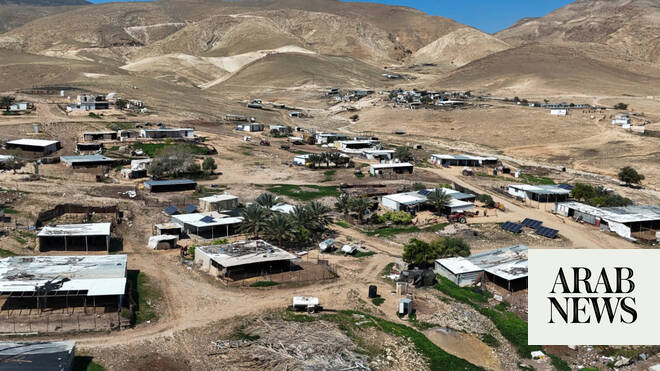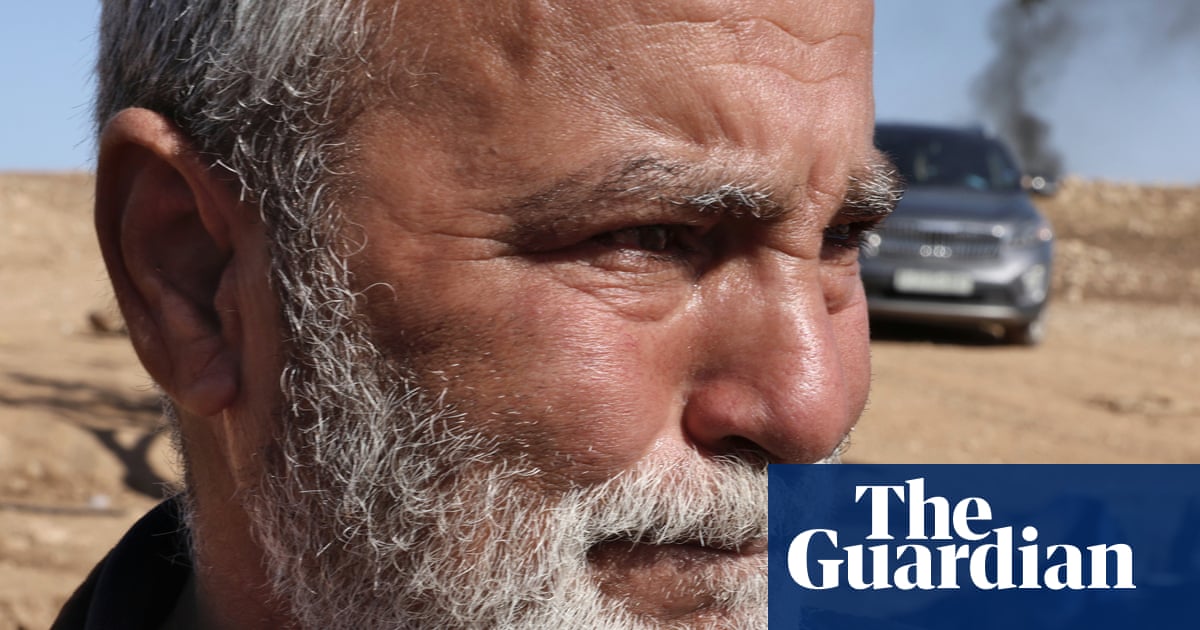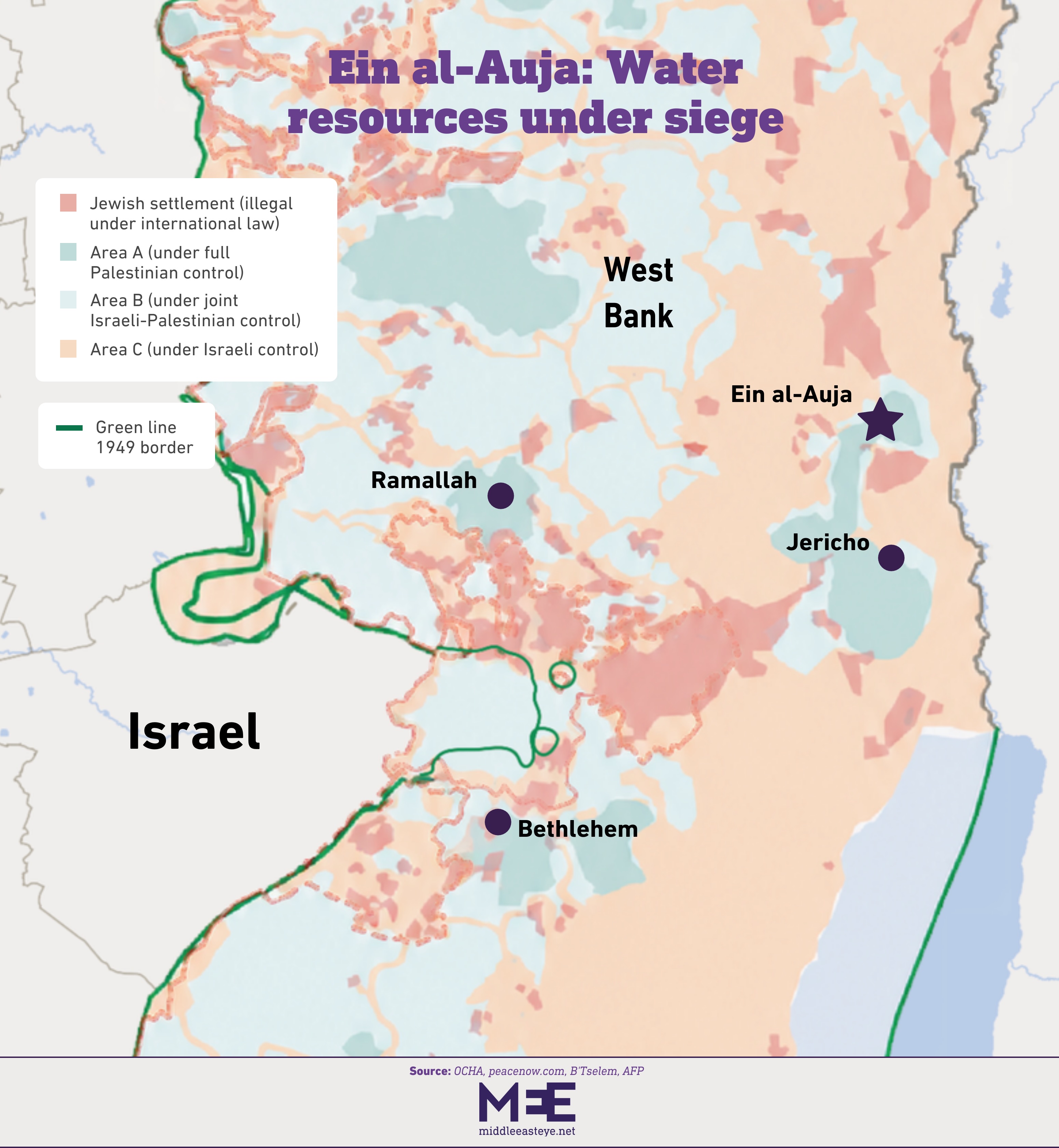
Haitham Rashaidh was among the last to leave his home near Ein al-Auja, a natural spring and waterfall north of Jericho in the occupied West Bank.
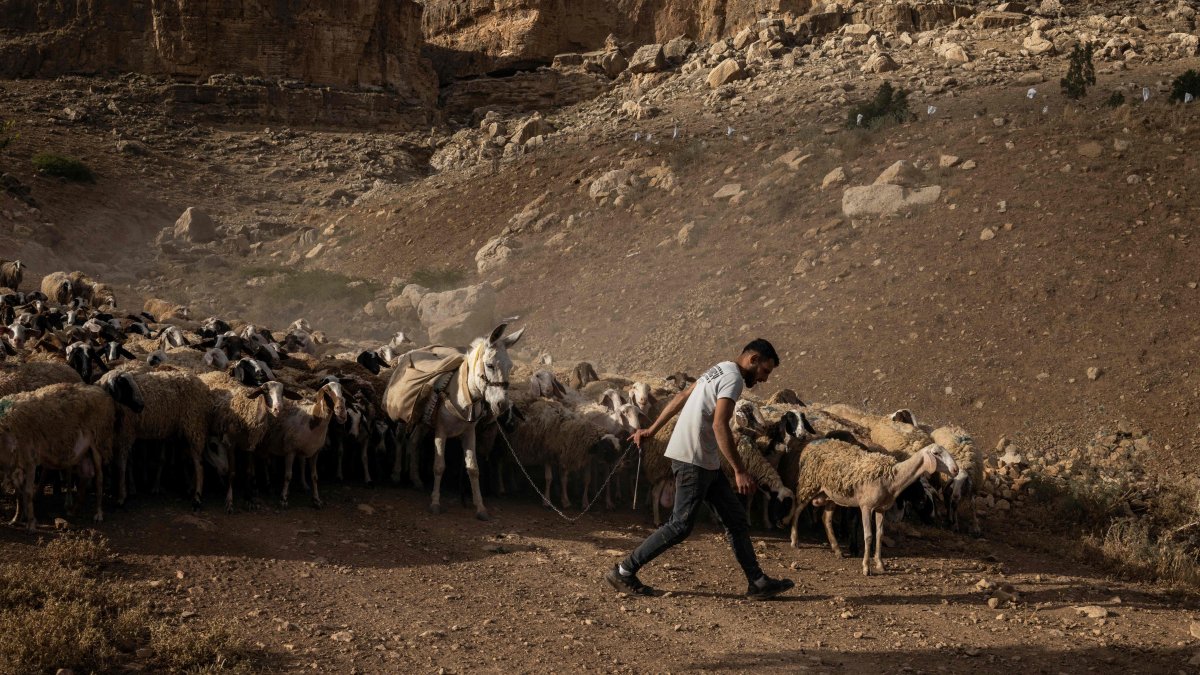
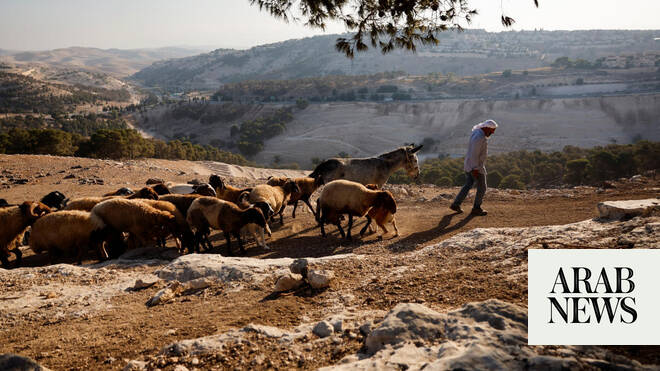
His family packed up their tents and heaped all their belongings onto a tractor, and then began the two-hour journey across difficult terrain towards al-Balqa, a sparsely populated area of the Jordan Valley, where they set up camp alongside their displaced neighbours.
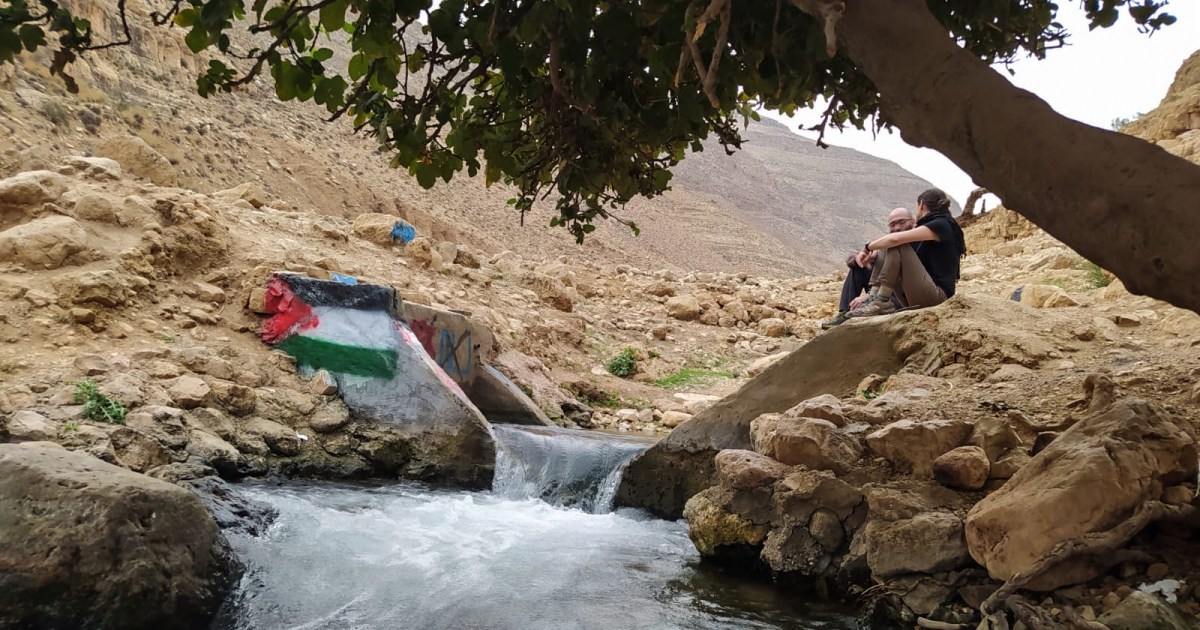
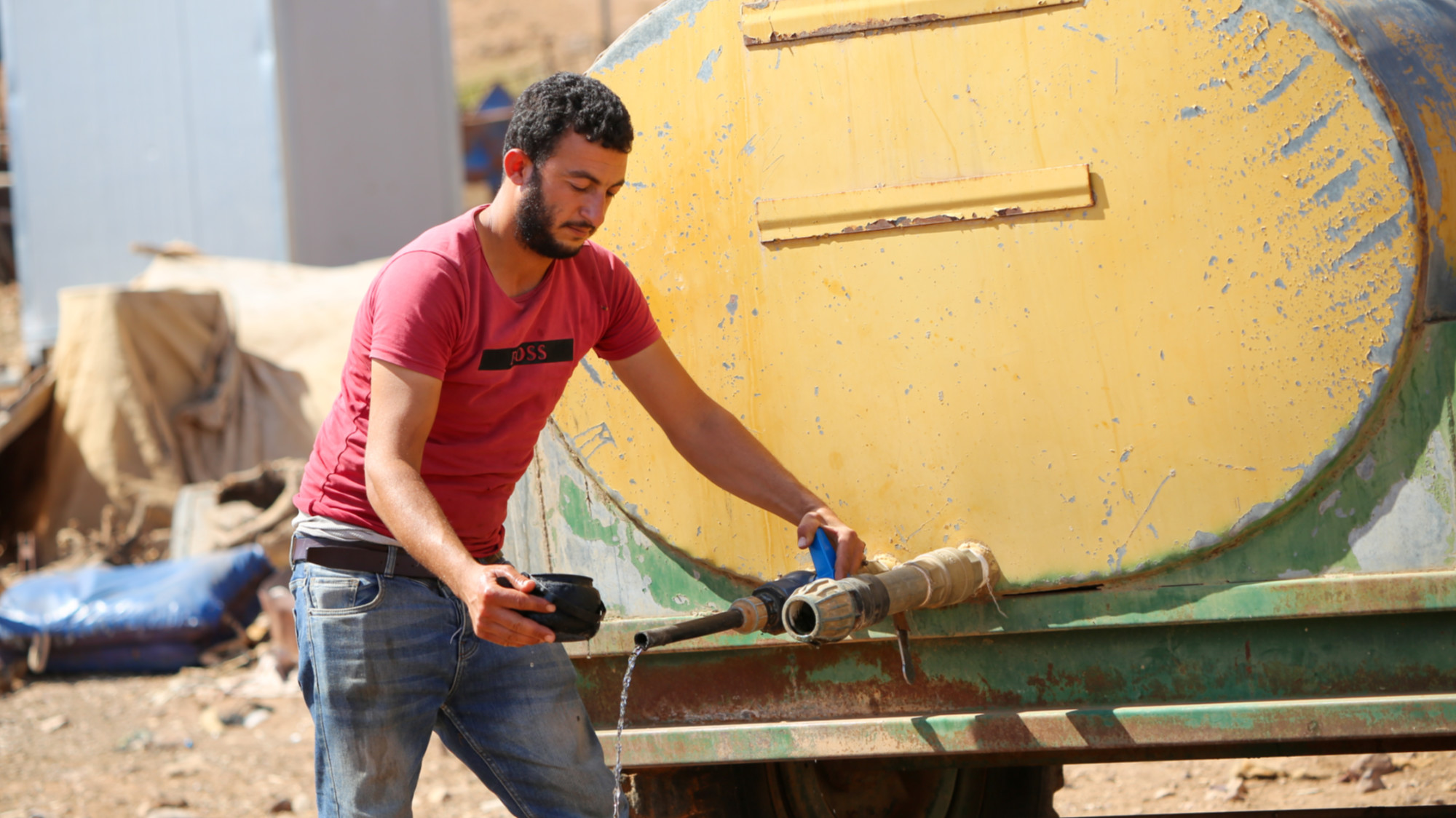
Leaving Ein al-Auja felt like losing a part of themselves, Rashaidh explained mournfully. Water once flowed here in a torrent, estimated at thousands of cubic metres daily - yet today, the ground is parched, the spring that once supported a Bedouin community of more than 100 families reduced to a trickle.
Palestinians used to treasure Ein al-Auja as an oasis of calm in a region under siege. But Israel’s diversion of water, alongside continuing settler attacks, ultimately made life in the community untenable.
“We did not leave the first time they tried to push us out,” Rashaidh told Middle East Eye. “We came back, rebuilt what we could, and tried to continue our lives.