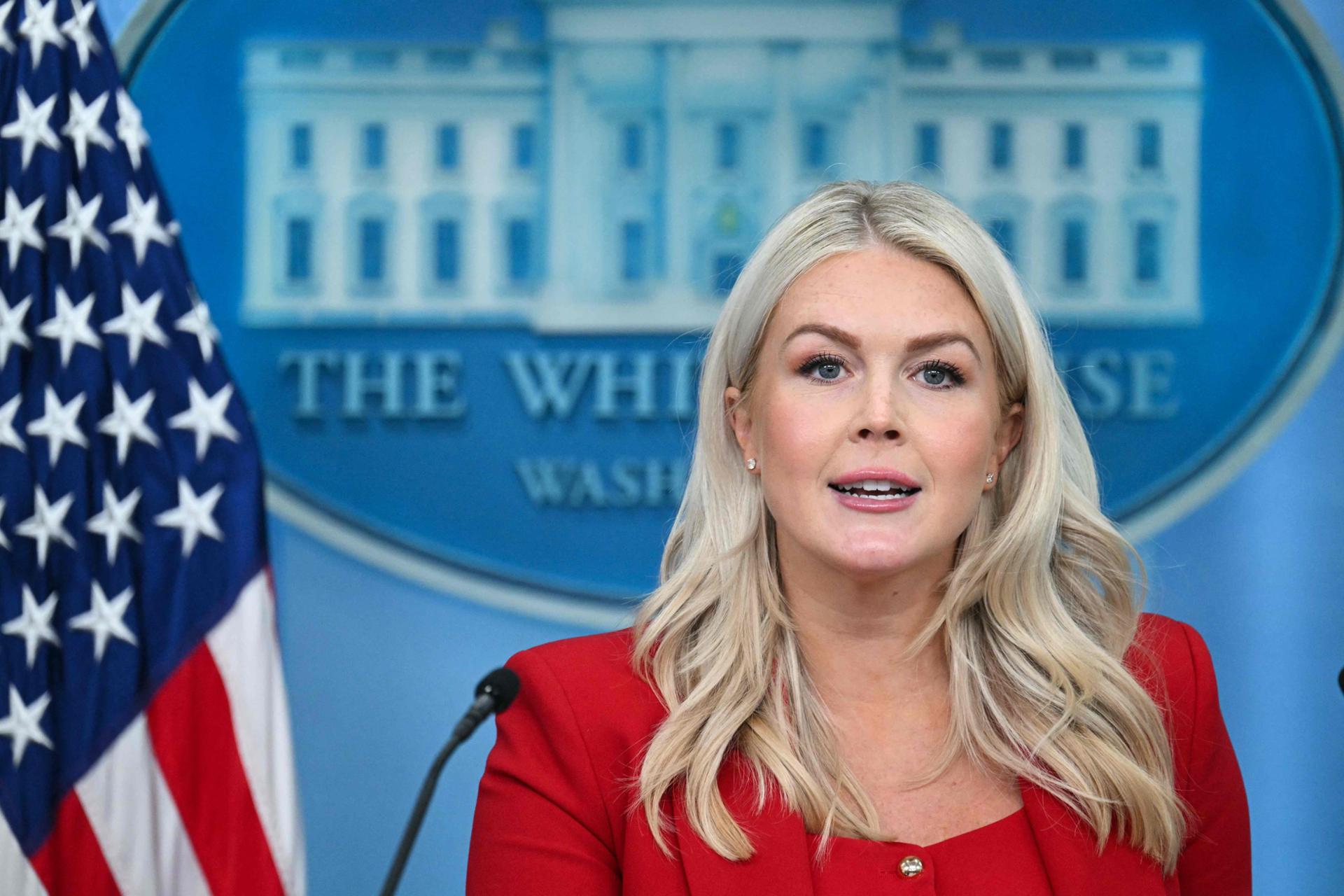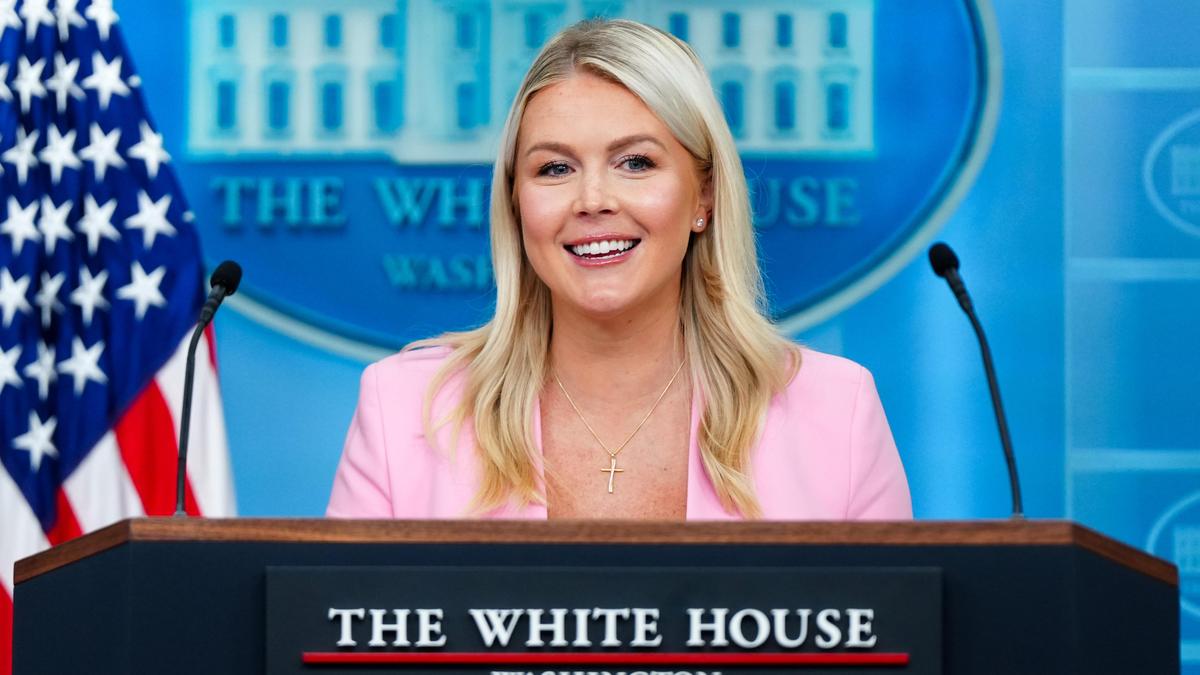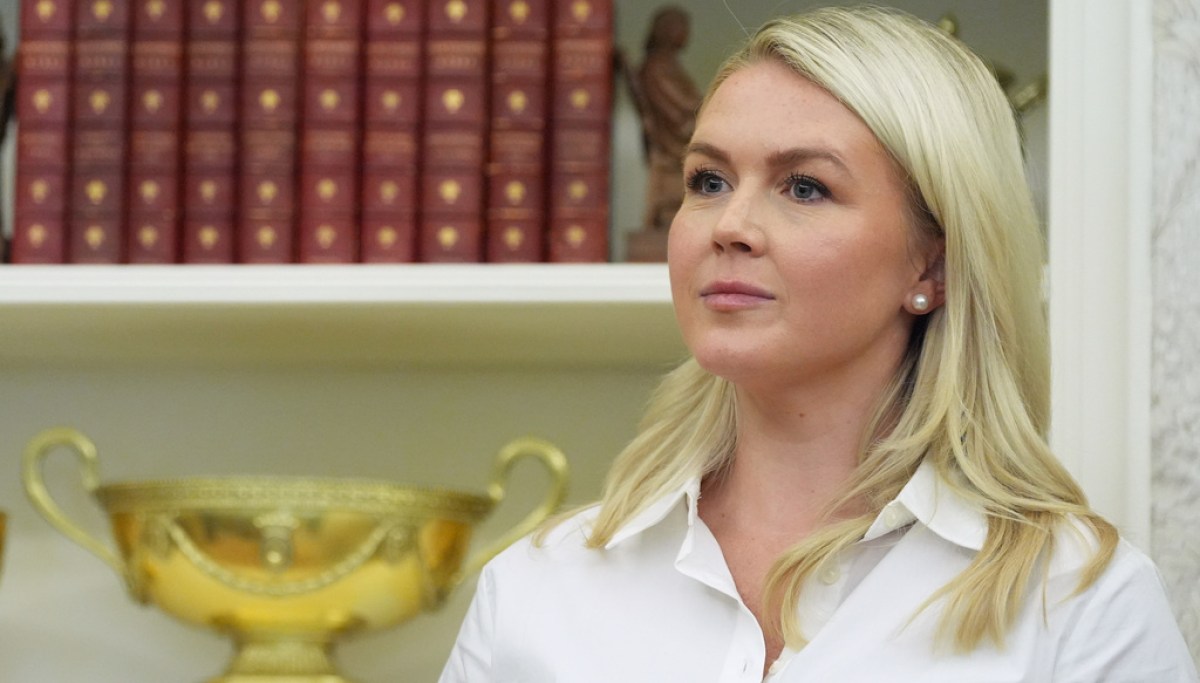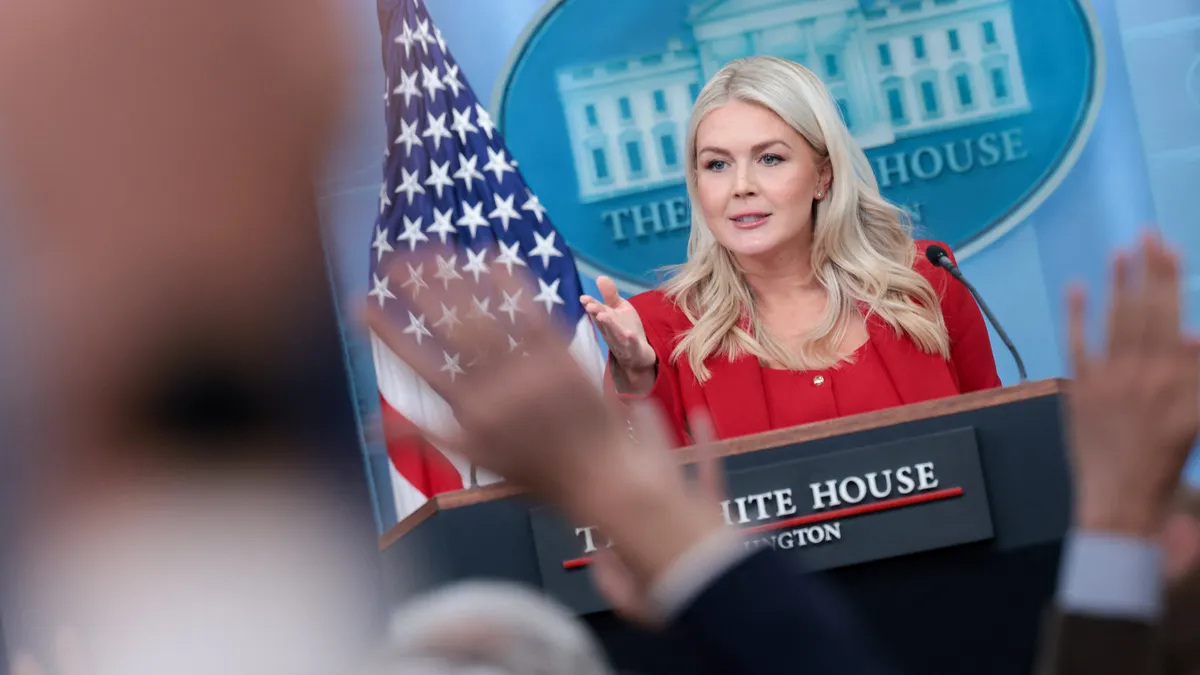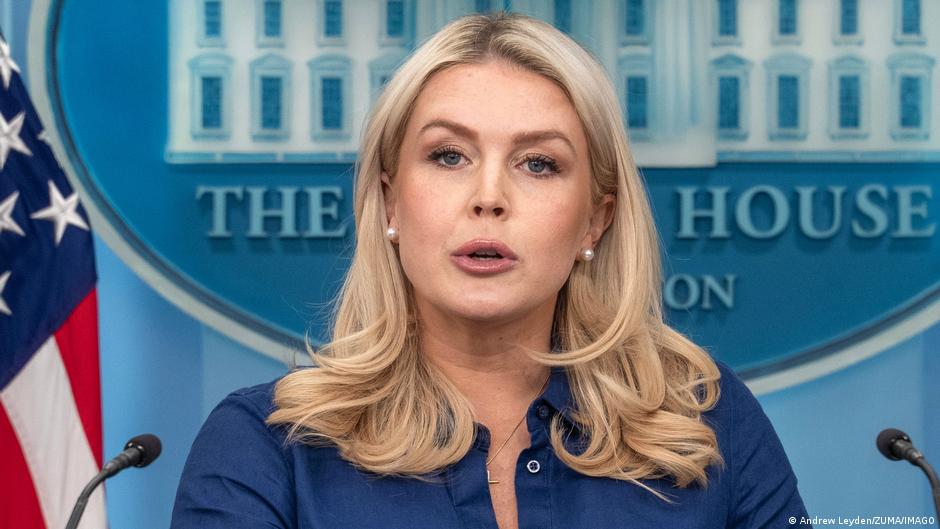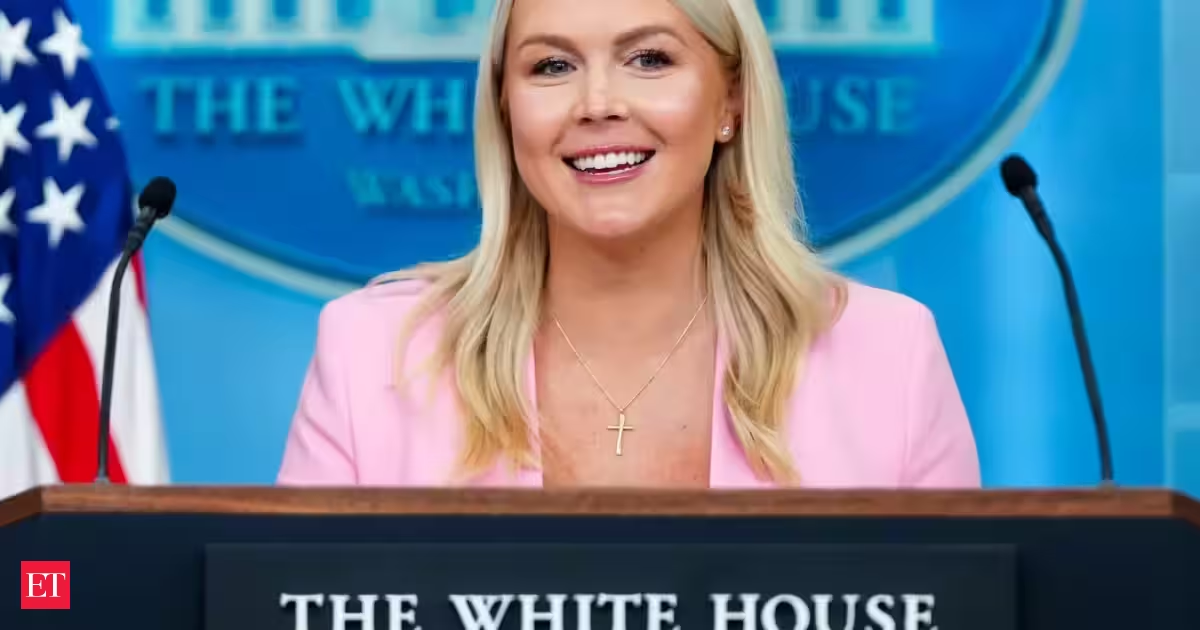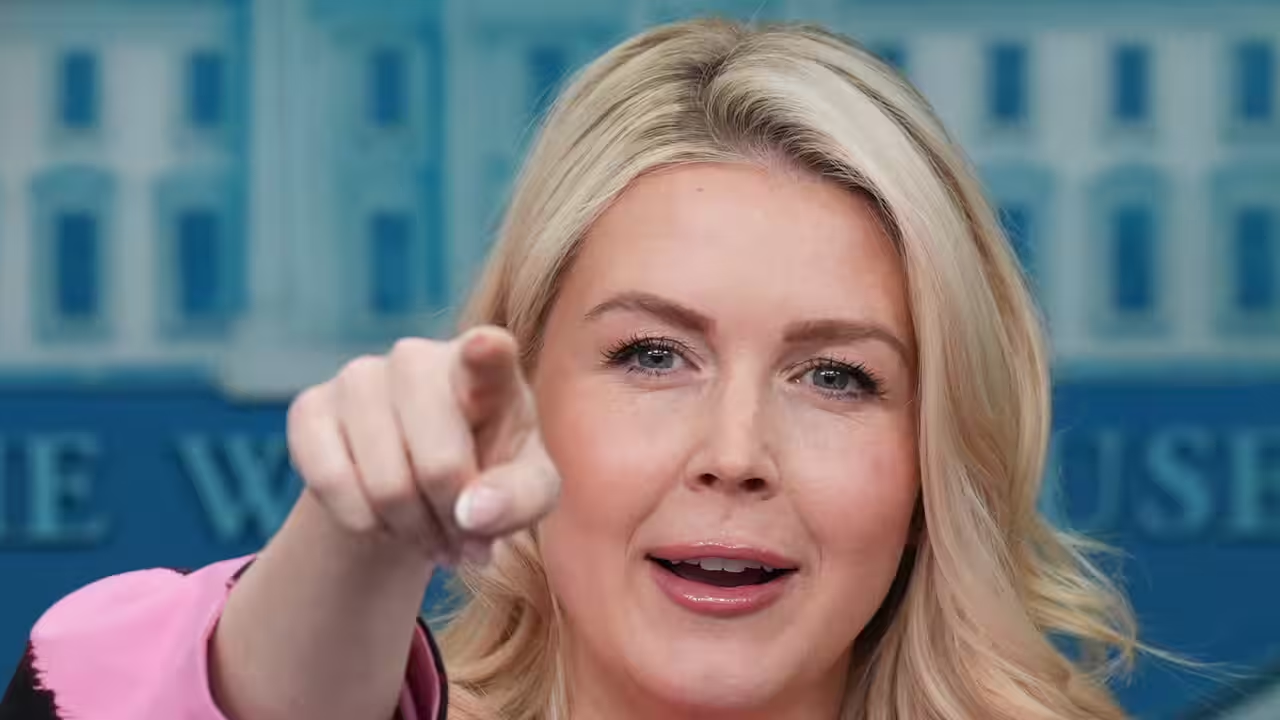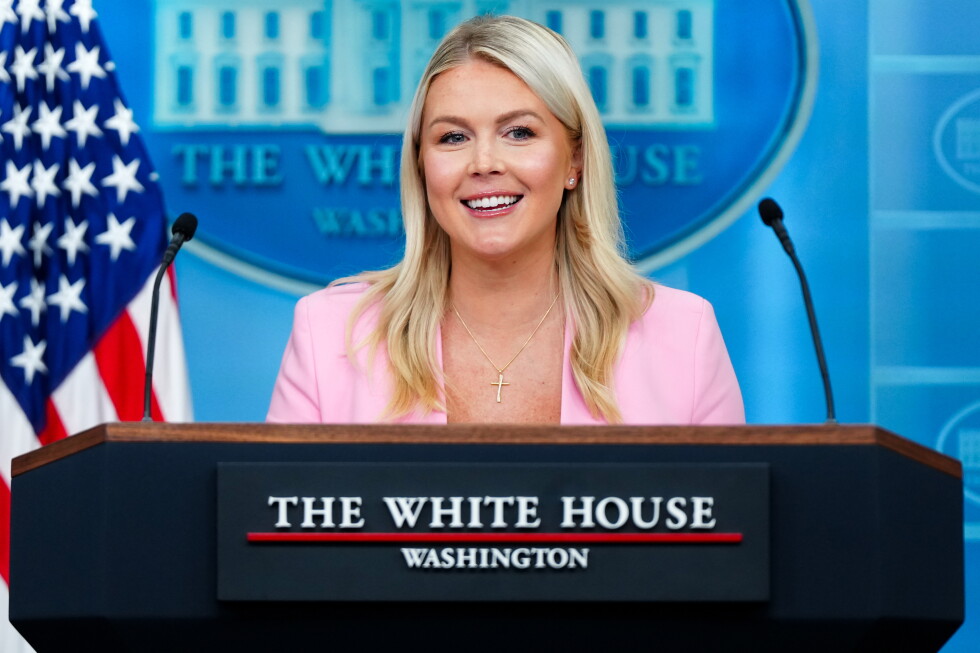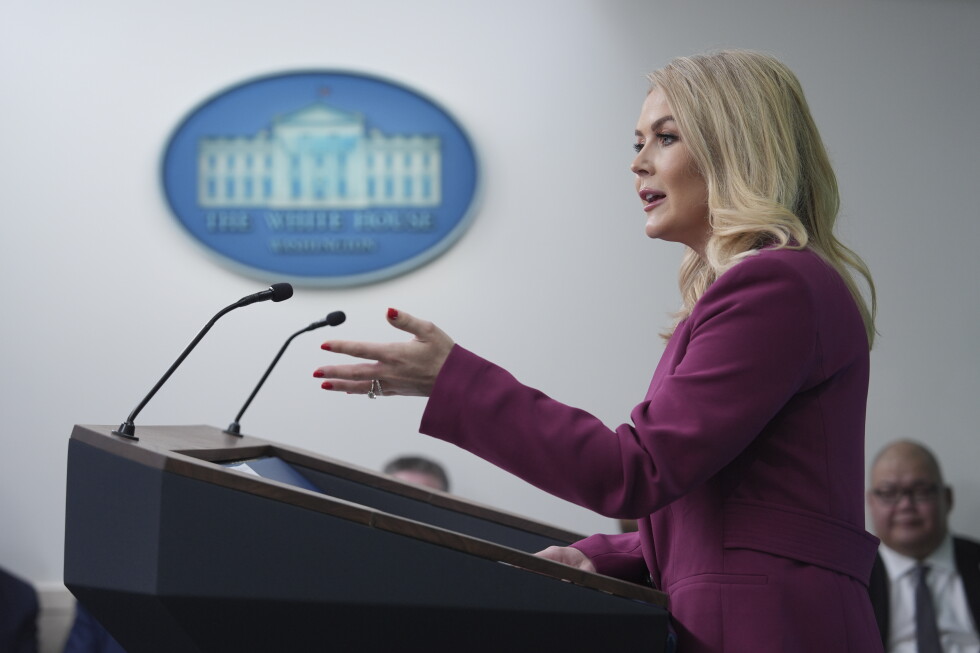
Here’s what we’re following:White House press secretary Karoline Leavitt, the youngest person to hold the role, will leave the Trump administration at the end of the month to spend more time with her young family. Leavitt, 28, called it a “bittersweet decision” in a social media post Wednesday shortly after President Donald Trump announced she would be stepping down.The Kennedy Center’s board is expected to meet Thursday to consider plans for the performing arts venue’s future after a federal judge blocked an earlier move for a two-year closure that would allow for substantial renovations. Ahead of the meeting, the Kennedy Center’s management said it would present the board with three approaches for consideration.The two most senior members of Trump’s Cabinet, Secretary of State Marco Rubio and Treasury Secretary Scott Bessent, flew out of last month’s NATO summit in Turkey on what was effectively a decoy plane following an Iranian threat, while Trump was secretly moved to a smaller military jet, a senior U.S. official said Wednesday.
Trump’s vaccine plan would require millions of individual shots last used decades ago
Public health experts have been quick to condemn an executive order from Trump aimed at upending childhood vaccinations in the U.S., but the biggest obstacles may be the unprecedented financial and logistical challenges it would impose on parents, health providers and drugmakers.Monday’s announcement by the Republican president calls for separating combination shots — including the measles, mumps and rubella, or MMR, vaccine — into separate injections. Appointments for that and other vaccinations should be spaced out whenever possible, the order states.To accomplish that, drugmakers would need to revive a slate of individual vaccines that have not been marketed separately in the U.S. for decades. They would also have to build new manufacturing plants capable of producing millions more vaccine doses than the nation currently uses.For parents, unbundling the MMR vaccine and spacing out the shots would mean returning to the doctor’s office many more times than is currently needed. Those appointments could also strain pediatricians who typically administer the shots, while driving up costs tied to syringes and other medical supplies.▶ Read more