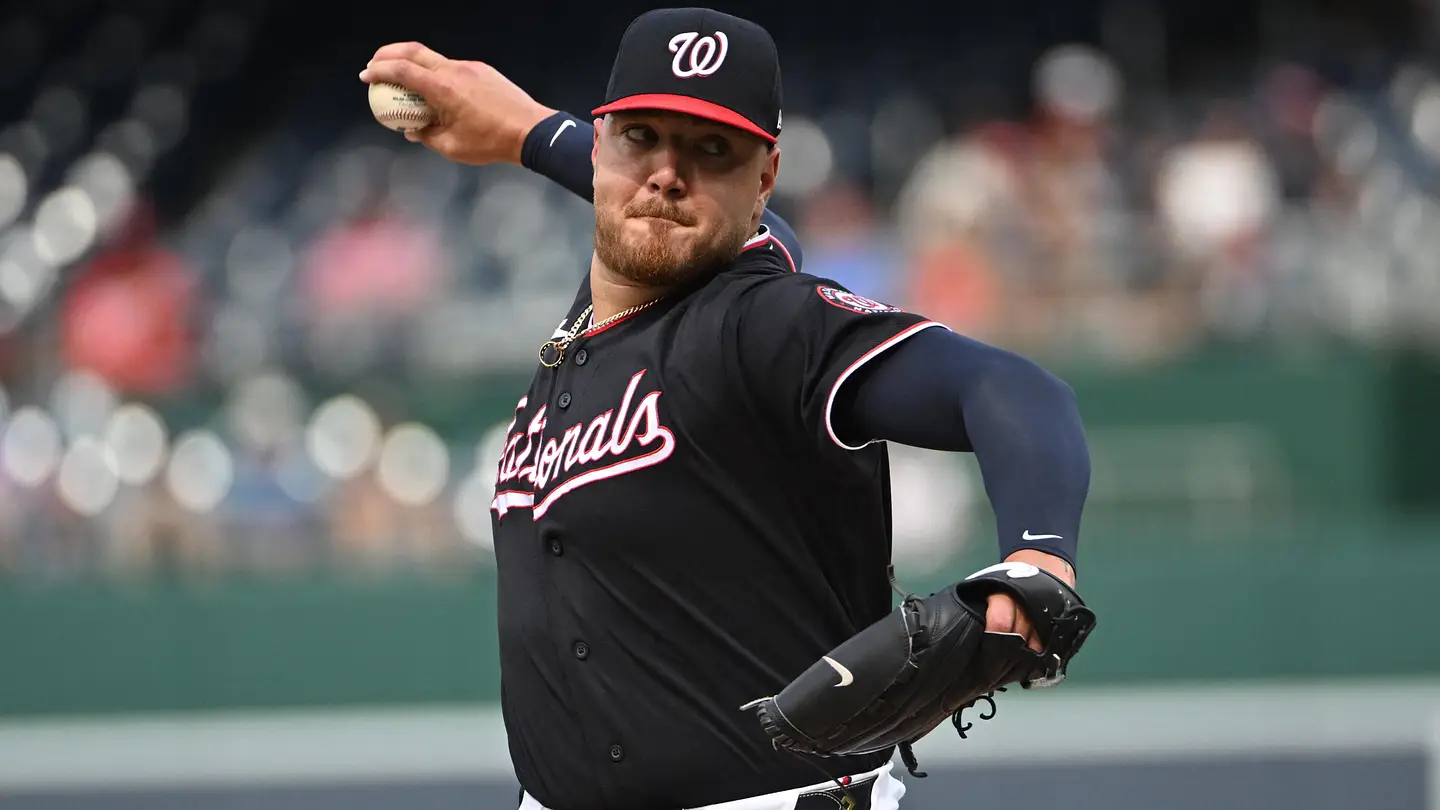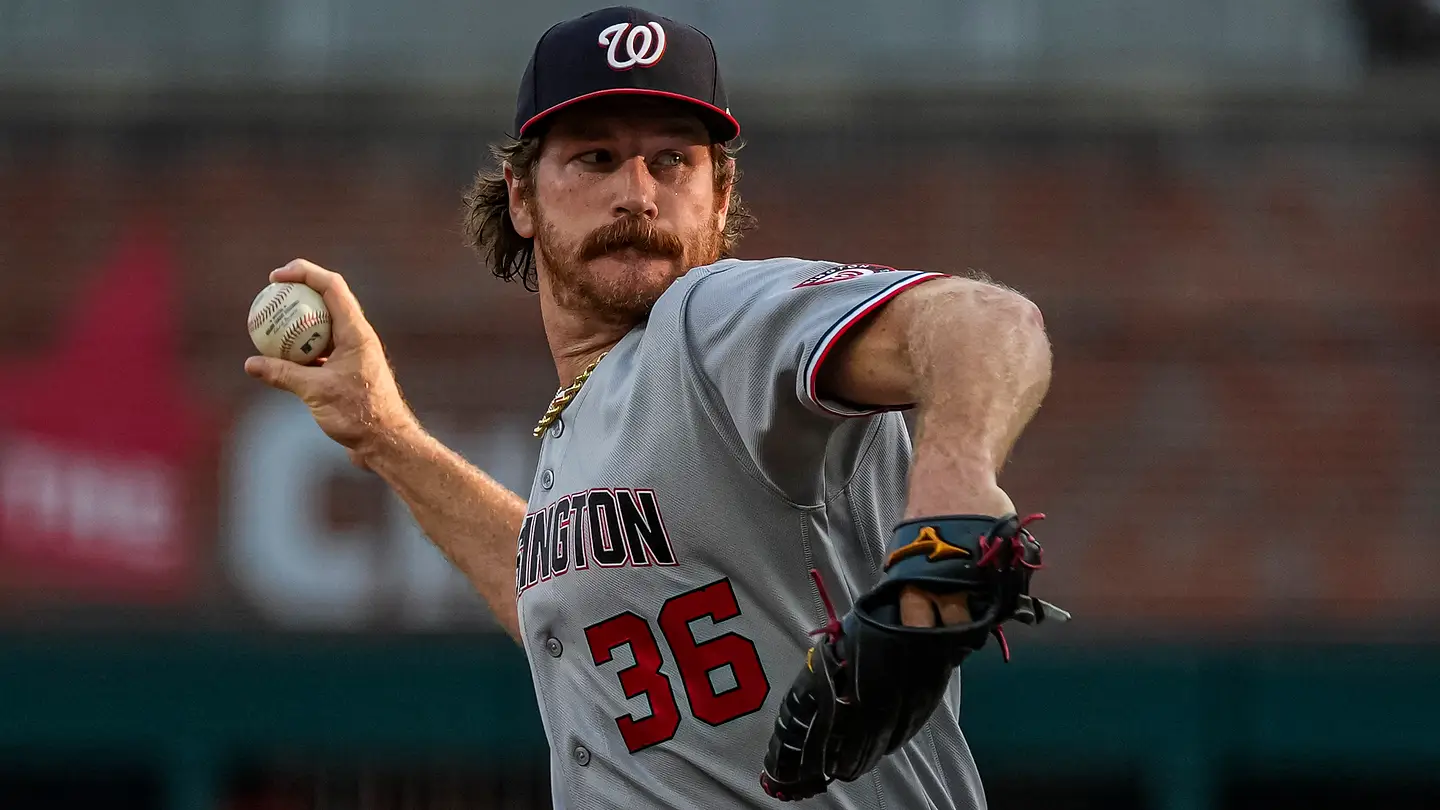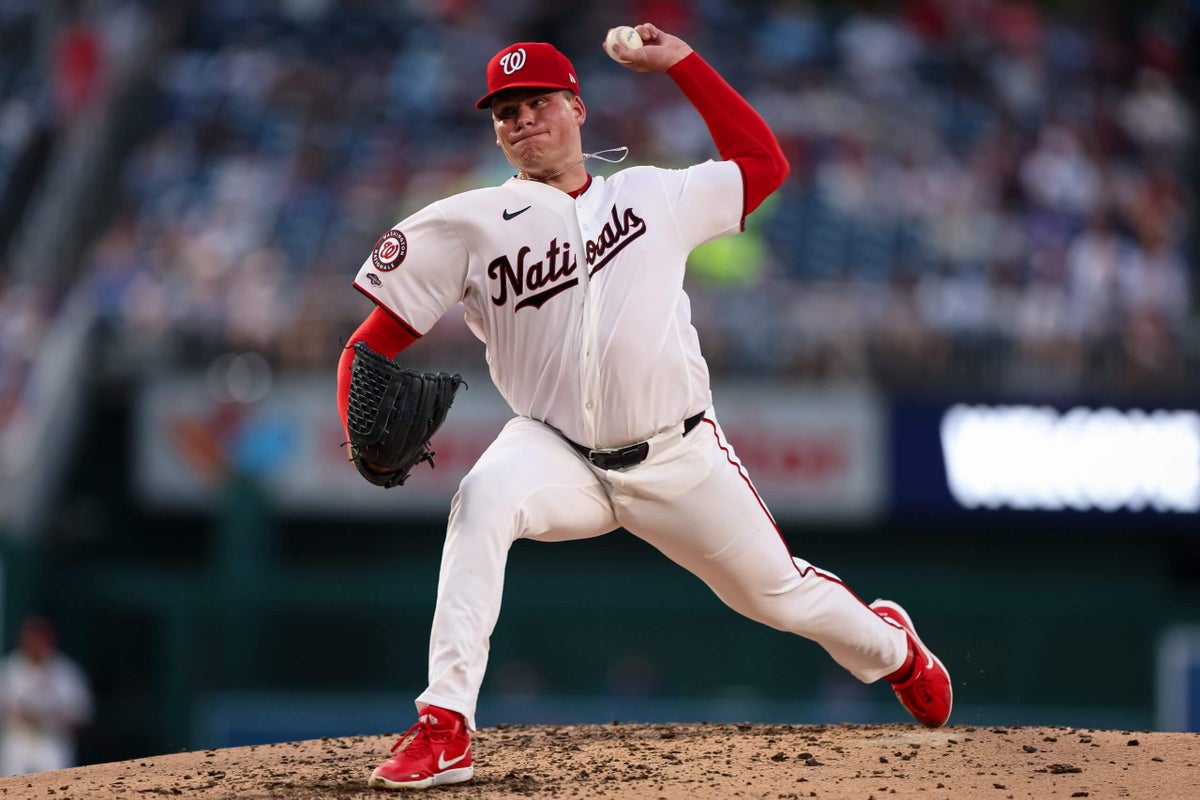
WASHINGTON — Jackson Kent had just issued his fifth walk of the night, his fastball velocity had plunged to the low 90s, and the Chicago Cubs were about to send National League MVP favorite Pete Crow-Armstrong up for a third crack at the debuting lefty.Would you have kept him in for that spot in Wednesday’s game?“Heck no,” we can presume the Washington Nationals of March through July would have said, exercising caution and opting for what the metrics suggested, which is that no debuting lefty with fading velocity and command should face an MVP favorite three times in one game.The Nationals, though, are finally in a position where the wrong decision for now can be the right decision for later. That is, at the very least, how they operated Wednesday.Kent stayed in. Armstrong doubled down the line. There were MVP chants, followed by applause for Kent at his departure, followed by well-earned conviction in the wrong decision.“We want to challenge these guys,” manager Blake Butera said. “If he never gets a chance to experience that, it’s hard to make adjustments next time.”
jackson kent first mlb inning ………. strikeout strikeout strikeout !!! pic.twitter.com/2LL9vxNczn
— Washington Nationals (@Nationals) August 12, 2026“I think it’s pretty cool (to get that challenge),” Kent said. “I probably had my ‘C’ stuff, but it ended up working out. So I don’t need to change anything. It’s just getting better from here.”The Nationals are situated to make more of these “wrong” decisions moving forward. After Wednesday’s 12-6 loss, their postseason odds are down at 1.1 percent, suggesting that their desire to squeeze every ounce of a good matchup or a sound analytical decision could start to wane if it comes at the cost of experiential learning.They have, additionally, a number of young hitters — Harry Ford, Daylen Lile and Brady House, among others — who have benefited from a heavy dose of platoon-advantage at-bats and, simultaneously, could use more at-bats against same-sided pitching to see if they can one day become everyday hitters.“It just comes out to just believe in myself,” Ford said. “I believe I’m good. I believe I belong. I believe I can go out there and hit whether it’s a righty or lefty, so I’m just trusting that and going out there and performing.”Washington doesn’t have to stop its experimental phase with the 26 guys who are on the roster now, either. While their upcoming promotions and demotions require far more nuance than one can fit in the middle of an article, there is credence to an overarching ethos that it’s time to throw some more guys in the fire.There are the obvious benefits: that players such as Kent can benefit from a big-league kick in the butt; that the Nats don’t know what they have in 2027 unless they see it in 2026.Or — perhaps just as crucially — if they still want to push for a winning record this season, one could argue that the gap between their existing veteran talent and the young guys who need a chance may be narrow enough that it is worth taking a chance, as was the case with the recent departures of Zack Littell and Miles Mikolas.Infielder Yohandy Morales, for instance, has an .918 OPS at Triple-A Rochester and could fit in at first base (where he has taken most of his reps over the last few weeks), third base or designated hitter, platoon advantage aside. Infielder Seaver King, similarly, has an .842 OPS at the Triple-A level and could play at second base and shortstop. Right-hander Luis Perales, like Kent, has shown enough to warrant a promotion, even if there’s more to refine in Rochester.None of that is to mention the bullpen, which lacks a bevy of optionable arms and yet, some would argue, could create room for compelling untested, Stuff+ darlings such as righties Jack Sinclair and Kyle Nicolas or lefty Erik Tolman.None of this, though, is really that straightforward. The Nationals have placed a lot of stock in their internal metrics, which has helped them produce better results than in years past and, just as importantly, operate with a clearer decision-making process that players seem to appreciate. They lead MLB in runs, in part, because their lineup is so comfortable.But if there was ever a time to learn what happens outside of the model’s confines, it is now. When Butera worked in the Tampa Bay Rays’ farm system, the organization often preached patience, though that was due in part to the consequences of failing in the majors when they were consistently competing for the postseason. The Nationals may be good enough to compete for a postseason spot in 2027 and beyond, which would make it even tougher for their young, impact-but-platoon-ish hitters and impact-but-a-bit-green pitchers to get reps outside the confines of good matchups and sound decision-making.Which is why it was OK that Kent started Wednesday’s game against one of the best offenses in MLB and the team he grew up rooting for. It was OK that he walked five batters, because he struck out six, and twirled a bit on the mound as he did so. It was OK that he had uncharacteristic command trouble because he learned that his stuff can still play against big-league hitters and has already begun to think through the adjustments he can make next time out.“I want to get back out there already,” Kent said.If there are others in the system who would view a challenge like this with a mentality like that, it would probably be OK to let them learn through that struggle, too.