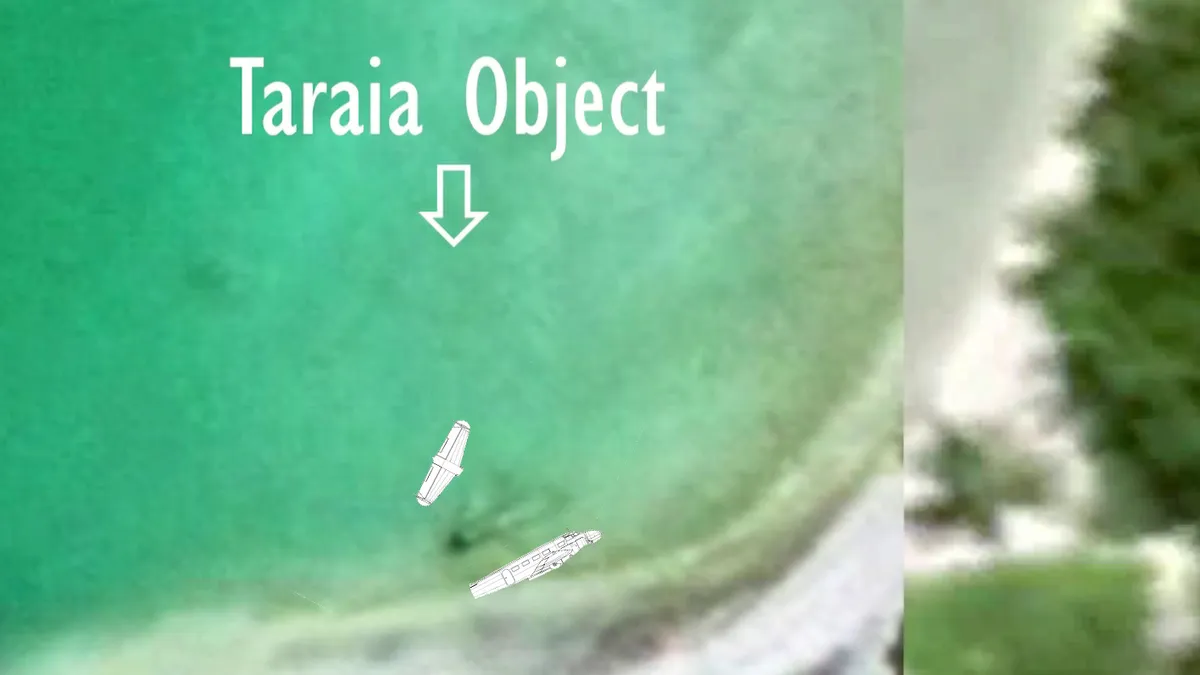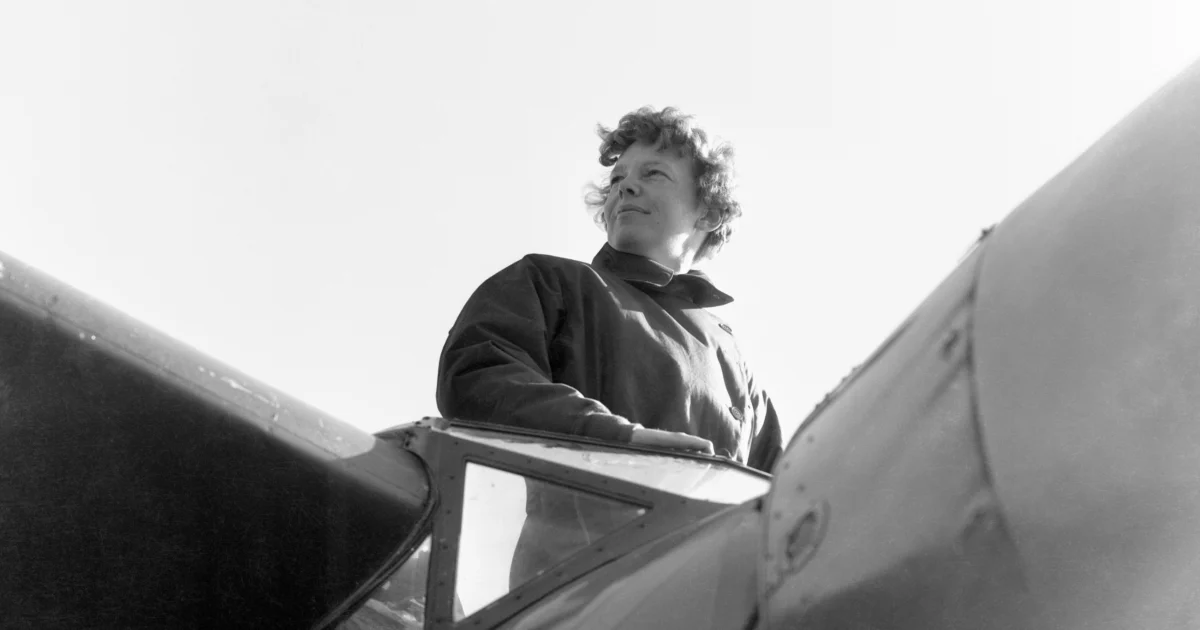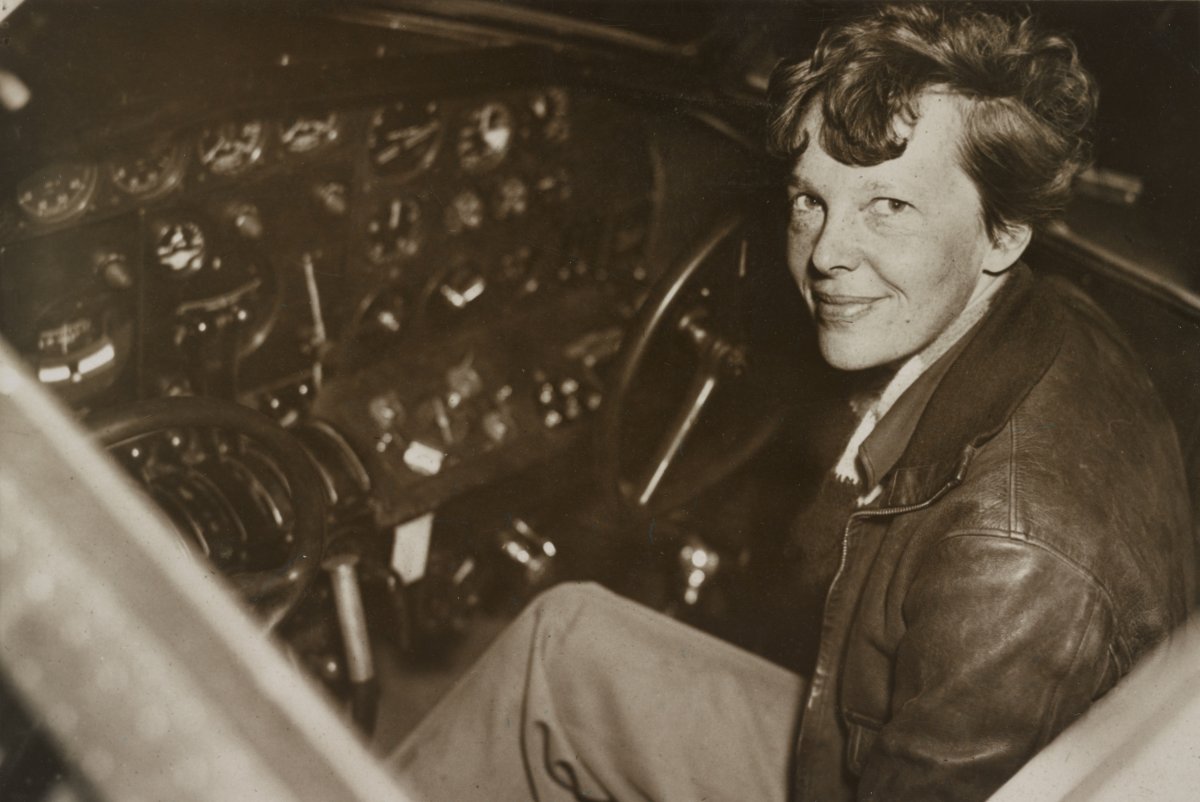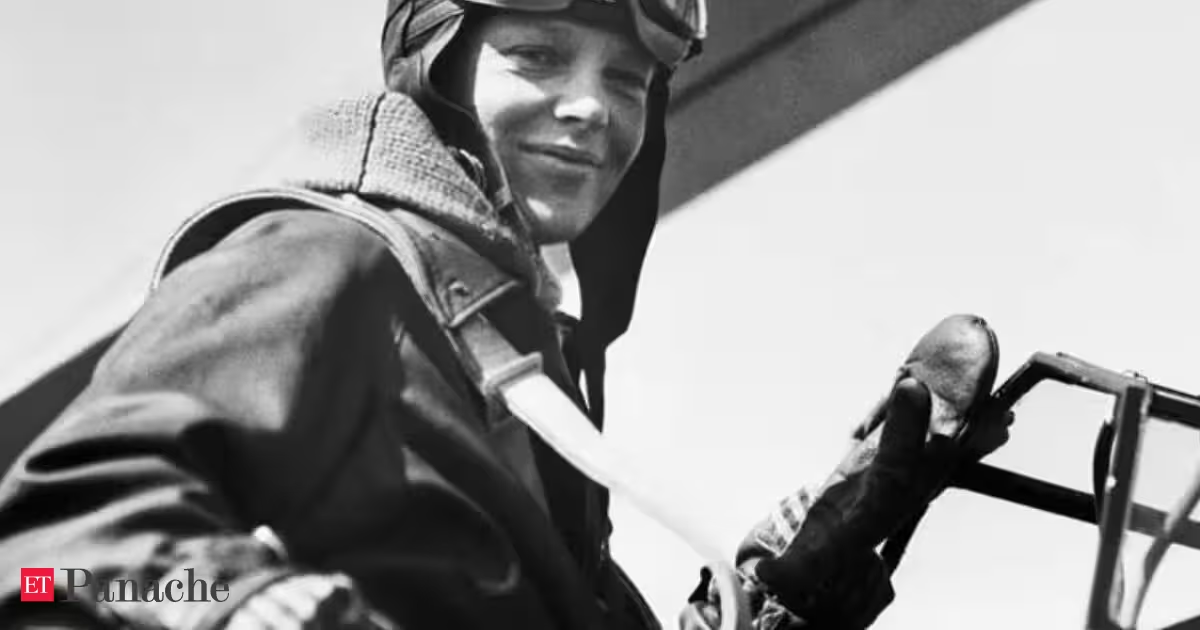
Amelia Earhart was already one of the best-known aviators in the world when she disappeared in 1937. The pioneering pilot had broken aviation records, become the first woman to fly solo across the Atlantic and helped open up a field that was still heavily dominated by men. But her greatest fame, in a strange way, came after her final flight. Earhart vanished over the Pacific while trying to fly around the world, leaving behind an aviation mystery that has continued for nearly nine decades. Now, researchers are preparing to return to a remote Pacific island with a new target that they believe could finally provide an answer.Earhart and navigator Fred Noonan disappeared on July 2, 1937, while flying from Lae, Papua New Guinea, towards Howland Island. The pair were nearing the end of their round-the-world journey when radio communications indicated they were struggling to locate the tiny island and were running short of fuel.No confirmed wreckage of Earhart's Lockheed Electra 10E was ever found. The US government carried out a huge search at the time, but it ended without locating Earhart, Noonan or their aircraft.The most widely accepted theory is that the plane ran out of fuel and crashed somewhere near Howland Island. But another possibility, known as the Nikumaroro Hypothesis, says Earhart and Noonan may have made an emergency landing on Nikumaroro and later died there.That theory is now getting fresh attention because of the so-called “Taraia Object”, a visual anomaly spotted in satellite imagery in the lagoon at Nikumaroro. Researchers say the object appears to have remained in roughly the same location since 1938, raising the possibility that it could be connected to the missing aircraft.The Purdue Research Foundation and Archaeological Legacy Institute are organising an expedition to investigate it. The mission, originally planned for 2025, was delayed while final approval was sought from Kiribati, which controls Nikumaroro. That approval has now been given and the 16-member team is expected to leave for the island in October 2026.Researchers are hopeful but need proofThe team plans to use a hydraulic dredge to remove sediment around the object and check whether it contains sections of an aircraft. Investigators will particularly look for large components such as the fuselage and wing, as well as rivets and other details that could help identify an Electra.Richard Pettigrew, the expedition's lead archaeologist, has been particularly optimistic about the search.“I am feeling very confident about this,” Pettigrew told USA TODAY. “I'm pumped.”There are other clues behind the Nikumaroro theory too. Researchers have pointed to radio bearings that converge on the island, human bones found there in 1940 and several 1930s-era objects, including a woman's shoe, a compact case, a freckle cream jar and a medicine vial.Still, none of this has proved that Earhart reached the island. Previous searches have also produced promising leads that later turned out to be unrelated to her aircraft.What happens if the plane is found?If the Taraia Object is confirmed as part of Earhart's Electra, it would give researchers something far more substantial than another theory or possible clue. The team has said it could return for a larger excavation and recovery effort if the aircraft is identified.For now, however, the mystery remains exactly that. Pettigrew knows the expedition still has to prove what the object actually is.And that is why the October expedition matters. After almost 90 years of searches, theories and false leads, researchers are finally going back to look at a strange object that, for now, could be either a piece of Amelia Earhart's lost plane or simply another dead end.
A strange object seen from space could rewrite Amelia Earhart disappearance story. Explorers feel 'very confident about this' as they set out to solve one of biggest mysteries of 20th century
Nearly 90 years after Amelia Earhart vanished during her attempt to fly around the world, a new expedition is bringing fresh attention to one of aviations biggest unsolved mysteries. Researchers are preparing to investigate a puzzling lead in the Pacific that could change what is known about the famous pilots final journey. The search comes after decades of theories, expeditions and failed attempts to find definitive answers about Earhart and her missing aircraft.
593 words~3 min read