By
Nia Prater,
Intelligencer staff writer, who covers New York politics
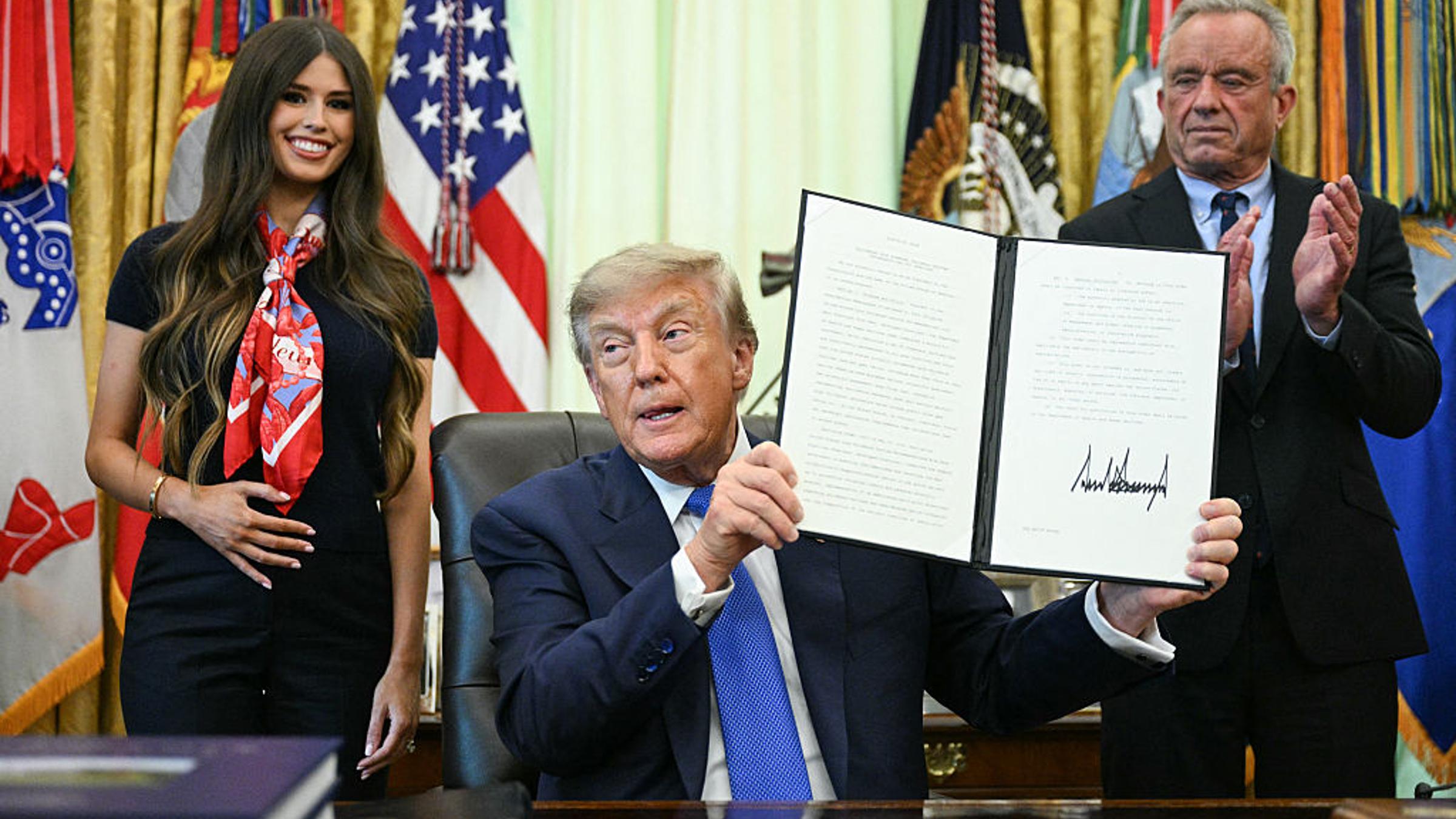
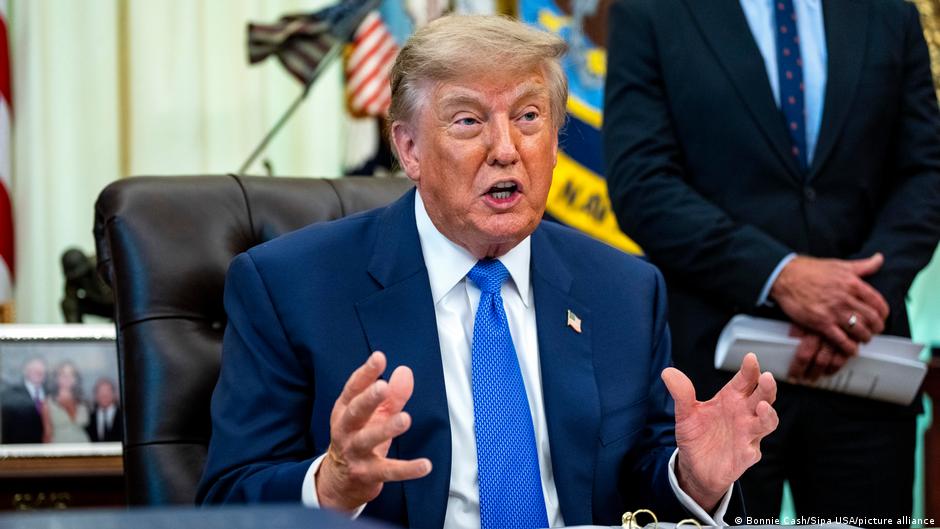
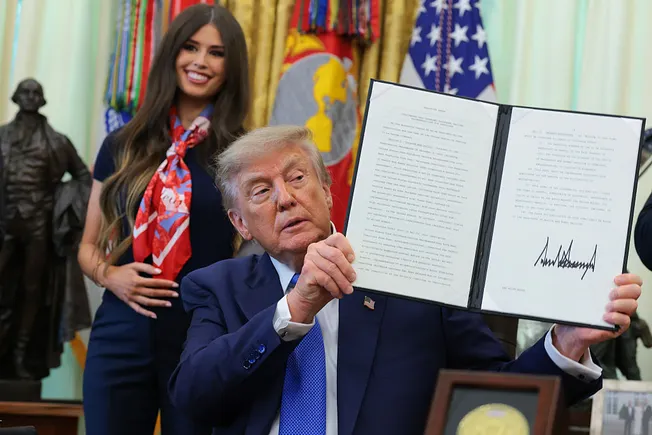
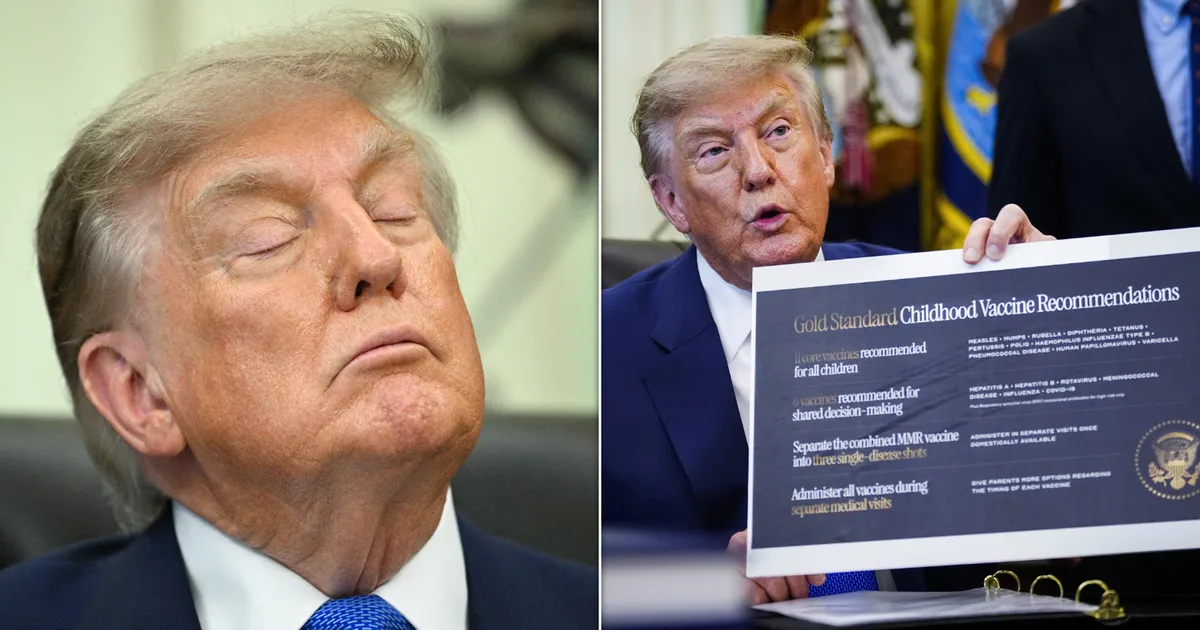
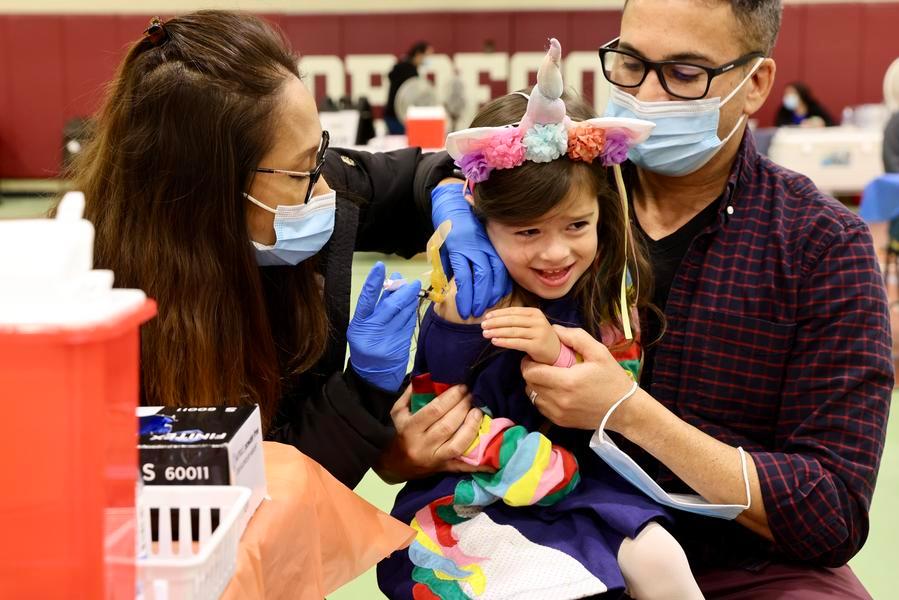
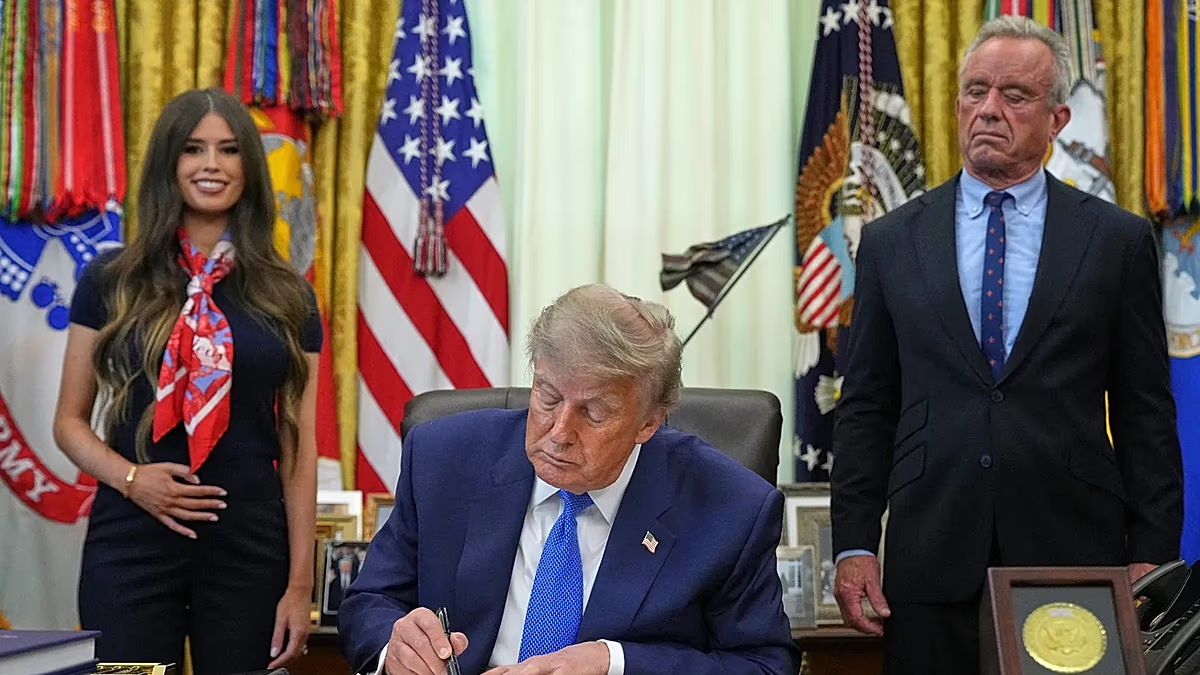
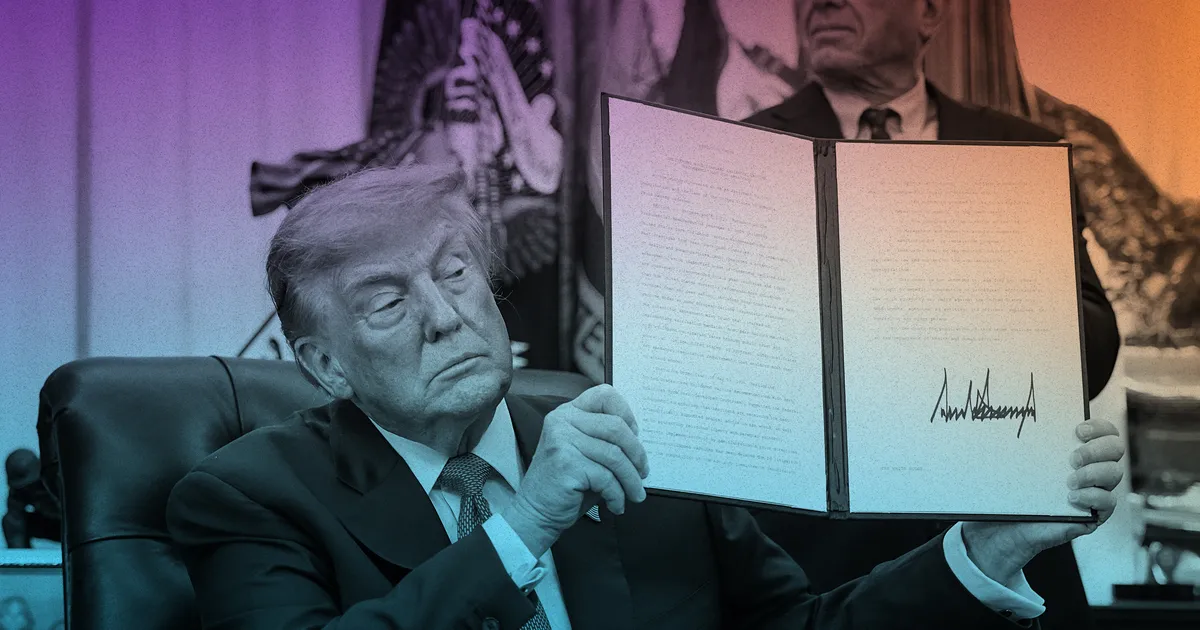
This week President Donald Trump attempted to upend how vaccines are administered to children in the U.S., signing an executive order that lowers the recommended number of childhood vaccinations and calls for the separation of the measles, mumps, and rubella, or MMR, vaccine into individual shots. The reason, he alleged without evidence (and contrary to widely accepted science), was that the combined vaccination could be “quite lethal.” Trump also said the order was intended to put the United States in line with its peers, claiming that the U.S. recommends more vaccinations than most other countries.
The American Academy of Pediatrics swiftly denounced Trump’s claims, saying the announcement’s only purpose was to “sow confusion so that more people doubt the importance of vaccines.” The federal government’s past attempts to alter the childhood-vaccination schedule have been far from successful with a federal judge blocking one such change back in March following a legal challenge. This latest effort may fail as well. To better understand the implications of Trump’s proposed changes, I spoke with epidemiologist Dr. Céline Gounder, a clinical associate professor at NYU Grossman School of Medicine and CBS News medical correspondent.