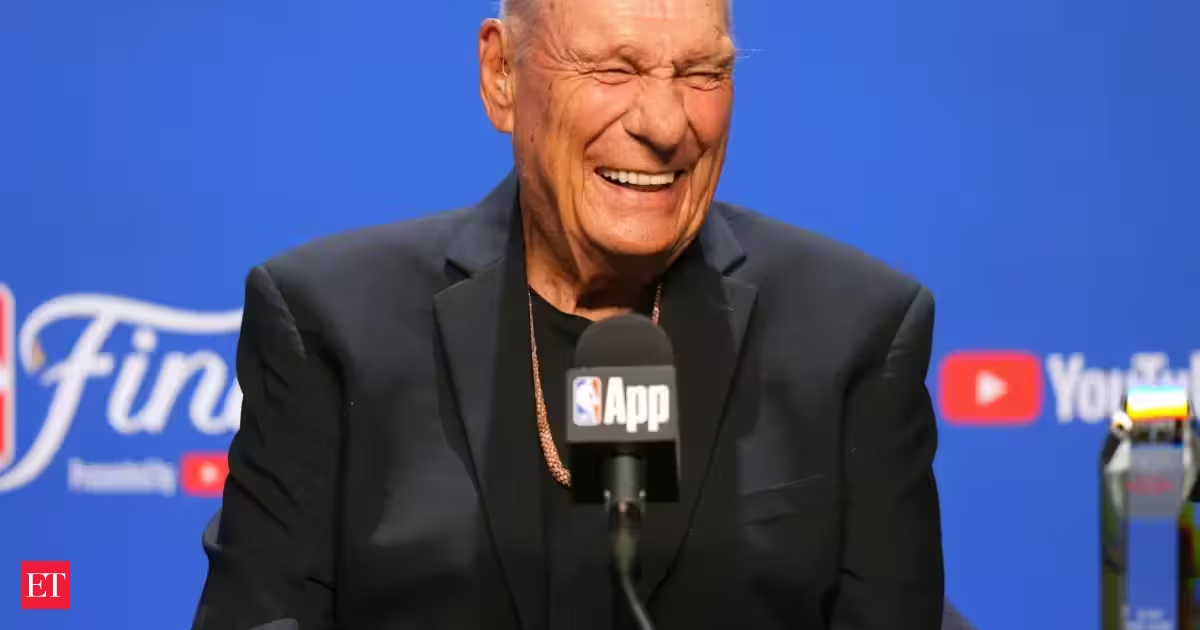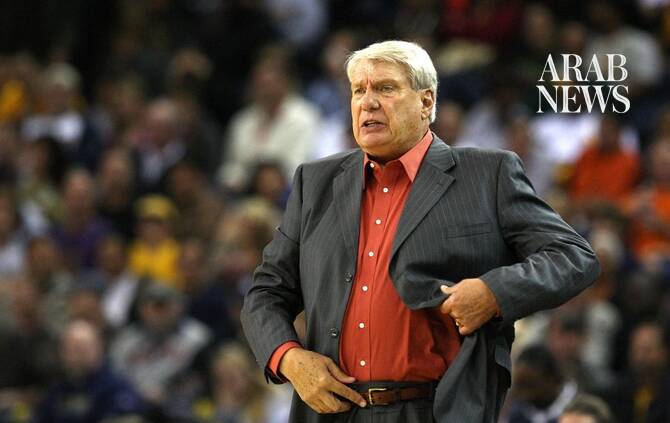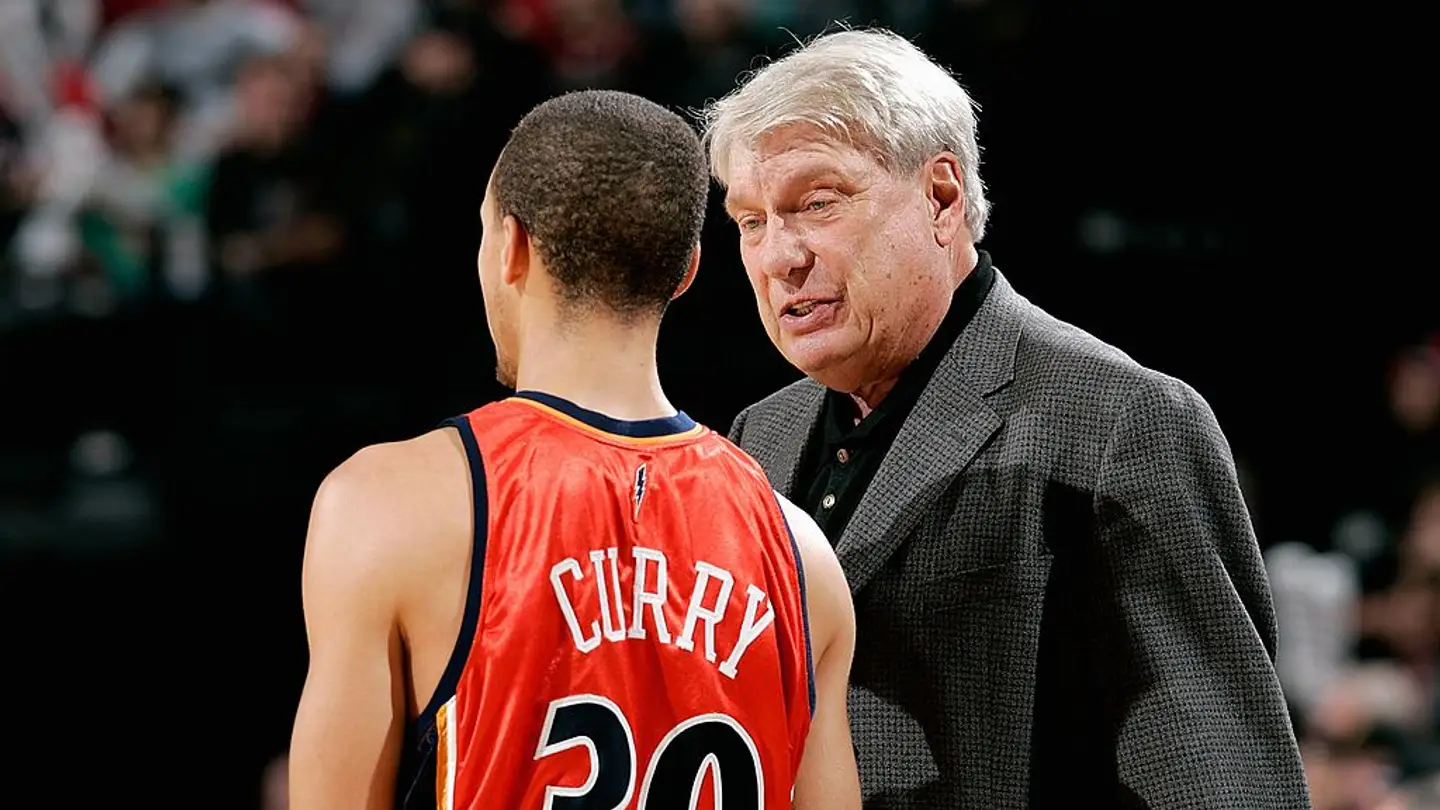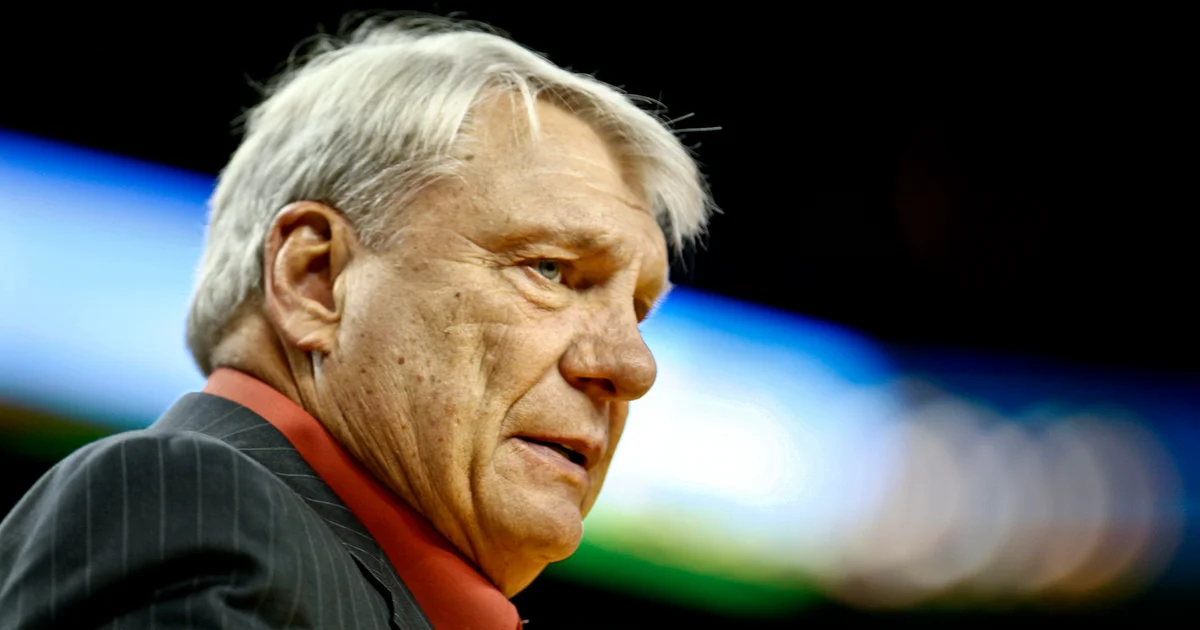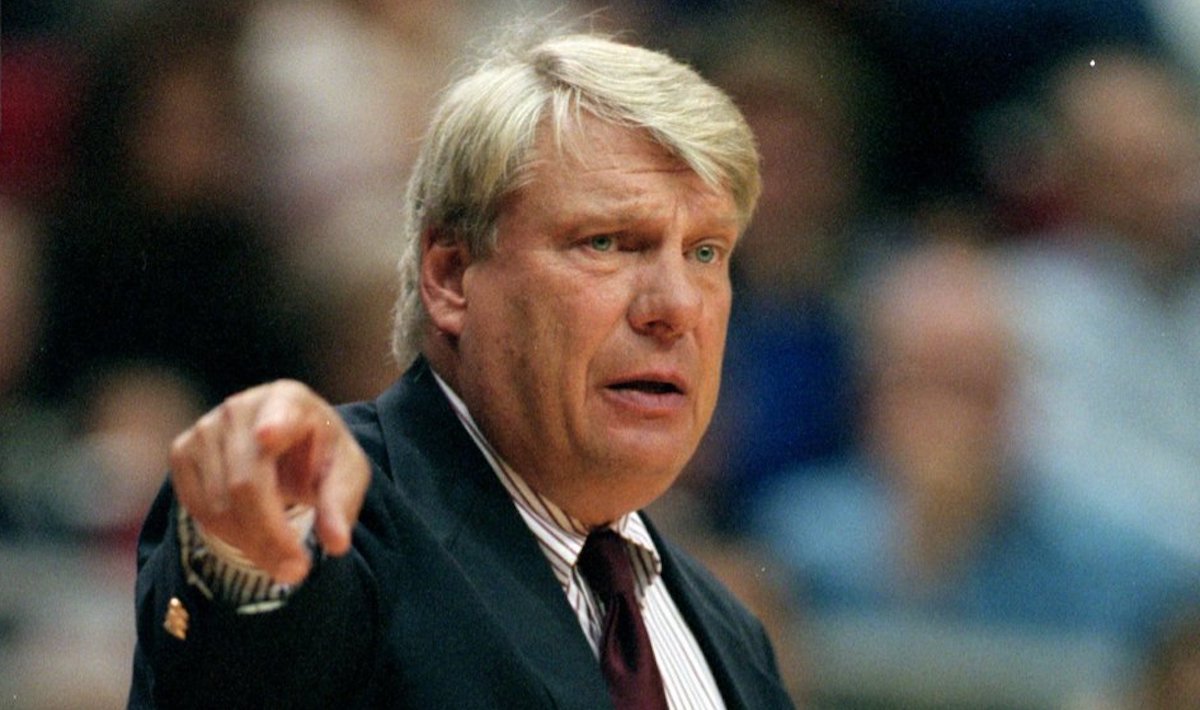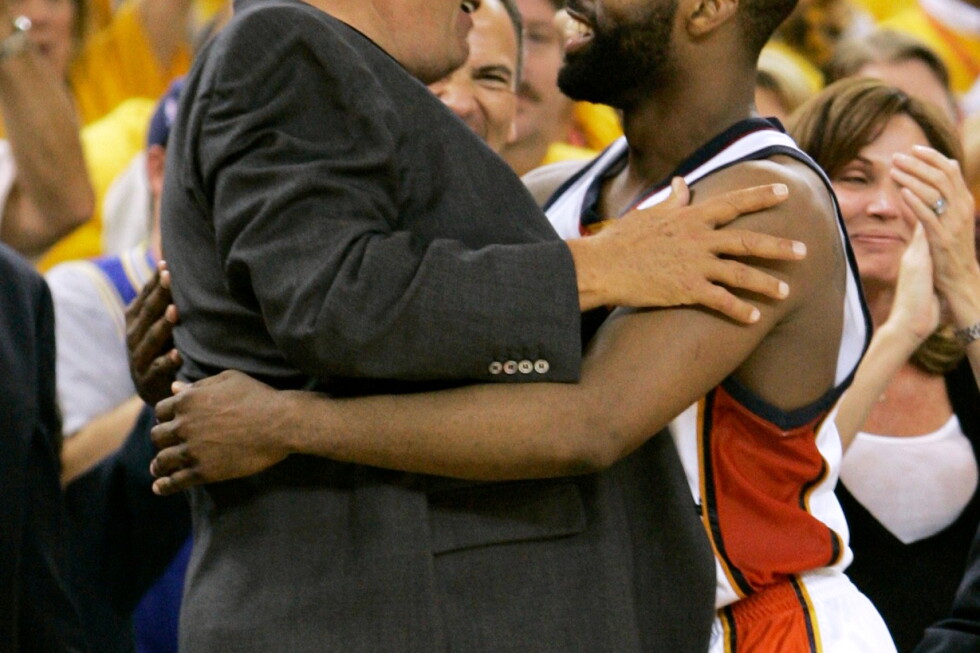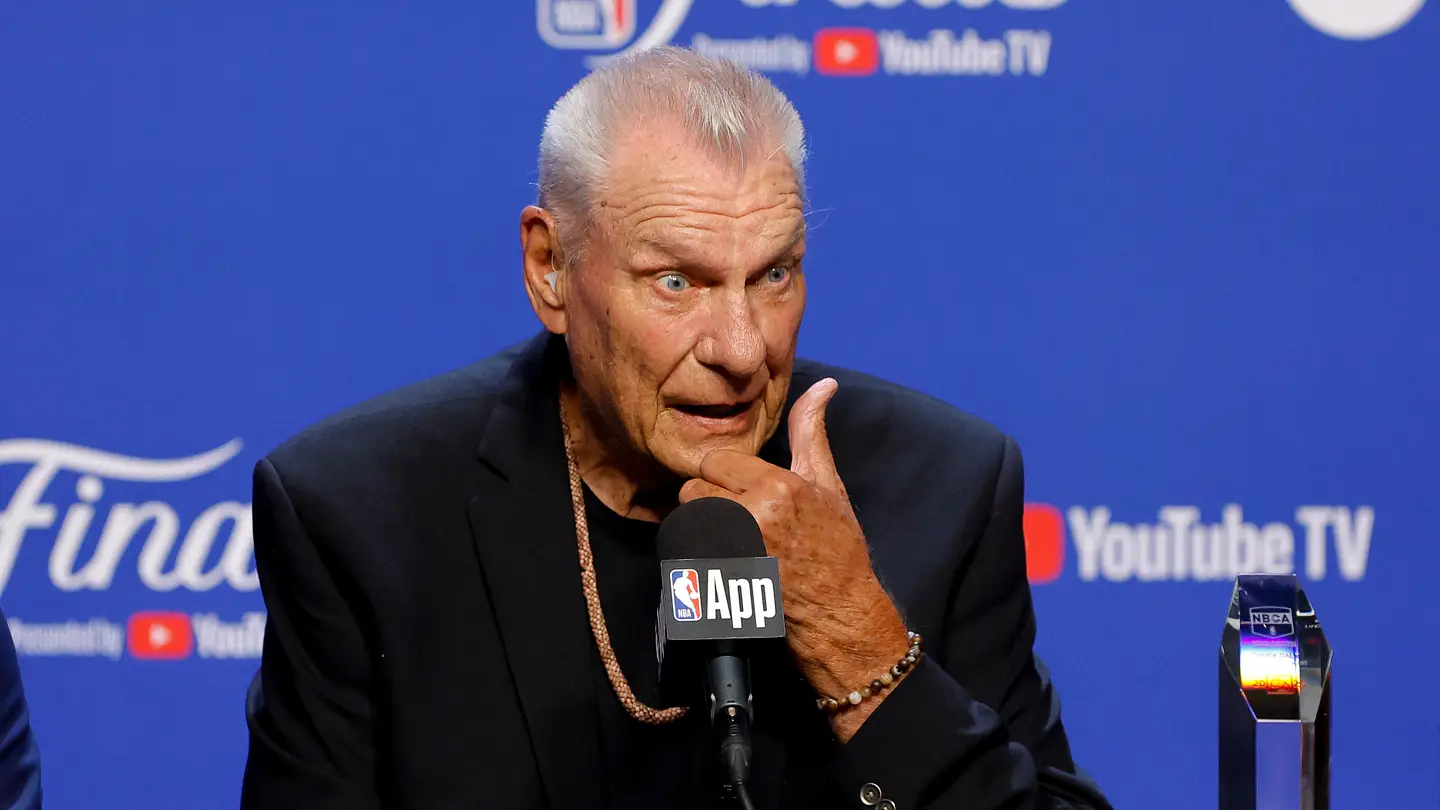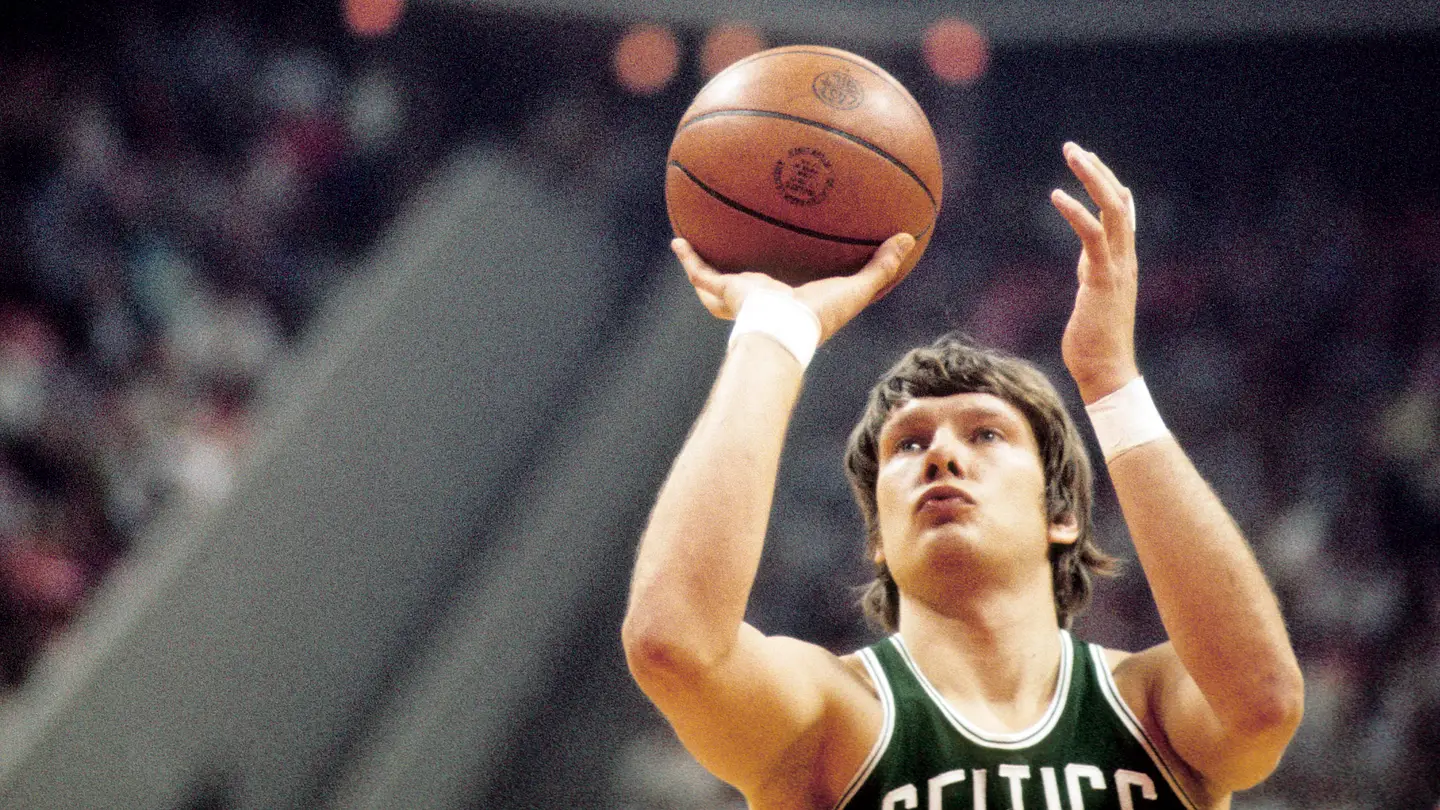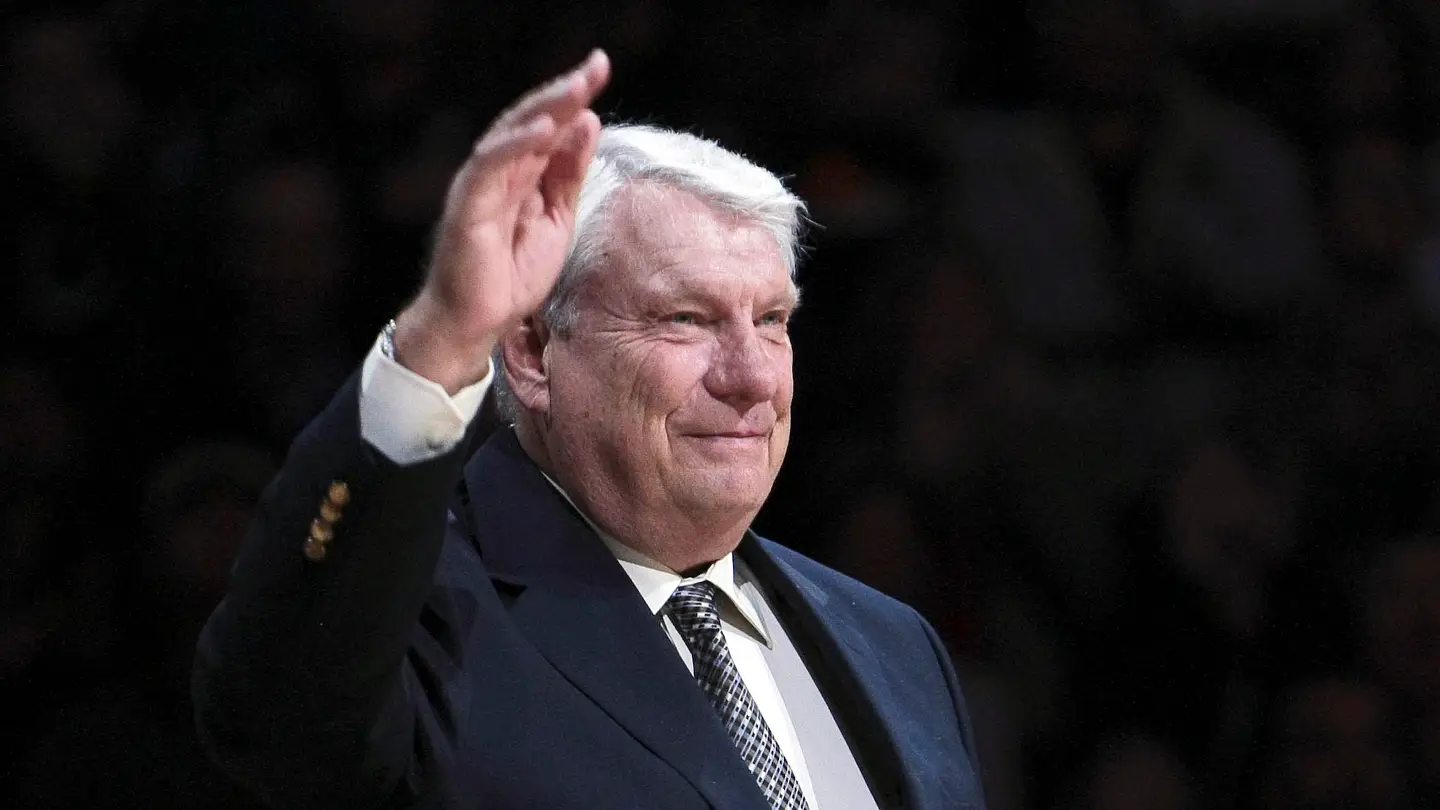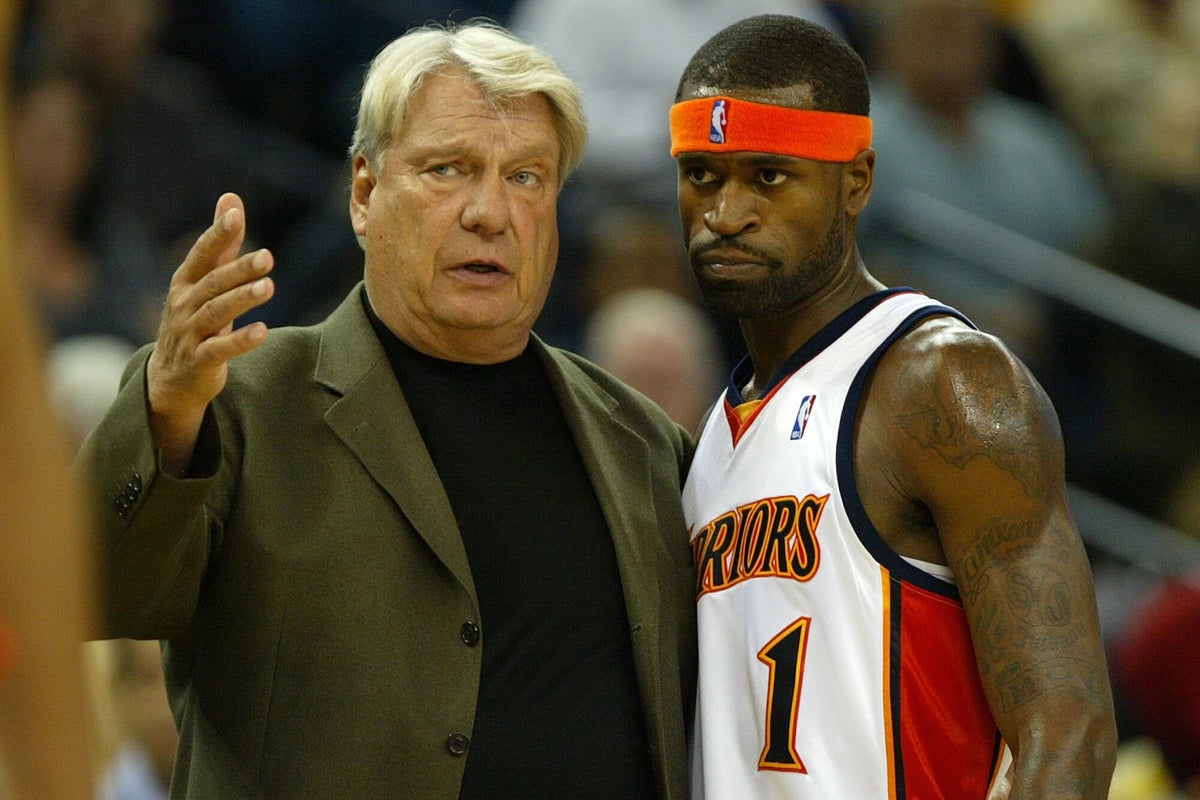
Stephen Jackson heard the news about Don Nelson’s pending departure. He wanted to call his old coach. But Nelson had left the paradise of Maui to spend his last days in Dallas.He couldn’t take calls anyway. With Nelson in hospice, noncommunicative, getting him on the phone wasn’t an option. But this gratitude couldn’t remain in Jackson’s chest. And the worst goodbyes are the ones uttered too late. So Jackson pulled out his phone, went to “Fav Coach Nelli” in the contacts, and sent a text. Hoping maybe someone sees it and could read it to Nellie. Praying that if he simply freed the words from his heart, the love in them would find his old coach.Hey coach. I know you probably won’t get this message but I’m in tears.I wish I had a minute with you to tell you thank you for all you did for me, and for believing in me more than any coach I’ve ever had. Myself and so many others appreciate the man, the father, husband, friend and COACH you are. You mean a lot to me. Very few people showed me they cared about me. You brought the best out of us because you cared, and we knew it.Love you, Coach.Stephen Jackson. Aka Captain Jack. We Believe Warriors.The vastness of Nelson’s impact spanned generosity and stubbornness, innovation and destruction, a curmudgeon and a blast. He held deep loyalties and mountainous grudges. He possessed the ability to inspire people beyond their capacity, and that same influence could deconstruct players in ways that ruined them.But that complexity was also essential to his greatness as a coach. Nelson understood something about people, because he understood the same about himself: The qualities that make people difficult are often tangled up with the qualities that make them extraordinary.Perhaps his ability to recognize obscured potential best represents his brilliance.Don Nelson, who coached 31 NBA seasons, had a long history of finding and developing otherwise overlooked players. (Kelley L Cox / USA Today Sports)Nelson, the legendary NBA coach who died Sunday at 86, will be memorialized Thursday in Dallas. His celebration of life will be a planned tribute that underscores his particular genius at finding and developing gems. Chris Mullin, Steve Nash, Michael Finley and Tim Hardaway, among many others.They’ll talk about Nellie like a surrogate father as much as a coach. They’ll talk about how his vision discovered in them what they couldn’t see. They’ll talk about how his belief fueled their own. They’ll share stories of his joy and his ire. His infectious smile and his piercing stare of exasperation. His words that uplifted and his words that taunted, testing their resolve.It’s a wonder if Nelson’s ways would’ve worked in the social media era, in which the relentless scrutiny practically turns coaches into sanitized figures. That he didn’t, however, only bolsters his legend. Because Nellie was a near-extinct breed of a coach, a lion of an ancient ilk. Who’d crack open a beer, tell you to turn the recorders off, and tell you exactly why he did what he did. And what he sees. And what he plans. He was secure enough in himself to let the world see how he worked, as wild as it often seemed.Say what you want about Nelson — he mastered the art of resourcefulness. He worked every angle. Found every edge. Saw many moves ahead. He didn’t just play his hand. He played the board. He played his opponent. He played the basketball gods.In Milwaukee in the 1980s, Nelson saw Paul Pressey’s ballhandling and poise and made him a point forward in the era of the truest point guards. He built schemes around Sidney Moncrief, a 6-foot-4 guard, as a two-way menace well before it was normal to build playoff teams around guards.“A lot of people don’t realize that Nellie was one of the first coaches in the NBA that had the creative defenses that looked like a zone but was a man-to-man,” Moncrief told the Milwaukee Journal-Sentinel in 2012.In the Golden State Warriors’ endless failed searches for a quality center in the late 1980s and early 1990s — thought necessary in a league featuring Kareem Abdul-Jabbar, Hakeem Olajuwon and David Robinson — Nelson understood the immense skills of Mullin, Hardaway and Mitch Richmond. He leveraged their potency to make Golden State relevant.In his second stint with the Warriors, from 2006 to 2010, Nelson’s clarity about Steph Curry’s potential dropped the anchor on an all-time great in Golden State. When many saw a scrawny, undersized point guard who could shoot but not much else, Nelson saw a game changer. Just as he did with Nash.Nelson’s value system ranked quality ahead of congeniality. He leaned into strengths before running from weaknesses. Nelson operated estranged from fear, or at least more motivated by his own conviction. He saw his players for what they could do, and he didn’t need them to be uncomplicated before he could use what made them special. Because he, as much as anyone, understood complication was often merely the fee of talent. Nellie’s legacy could never be tainted by his flaws because his genius made them a worthy price.Behind the big names he coached, the Hall of Famers who declare him vital to their success, is a legion of players who wouldn’t have been seen if not for Nelson’s keen eye. Šarūnas Marčiulionis. Mario Elie. Eduardo Nájera. Marquis Daniels. Anthony Morrow. C.J. Watson. They either got their chance from Nellie or flourished with him in a way they hadn’t without.Yet Jackson shines as the greatest example of Nelson’s ability to see past a player’s stains. Like an interior designer who sees a majestic piece of furniture in a discarded chair.On the flip side, if Nelson didn’t see something in a player, sometimes he’d see just a discarded chair.Jackson came to Nelson from Indiana, where he was arrested for firing off a shot outside a strip club. And this came less than two years after the Malice at the Palace brawl with fans made him infamous.But Nelson traded for Jackson.Don Nelson urged the Warriors to draft Steph Curry (left), who was knocked for his size in the pre-draft process. Curry is now a two-time MVP and four-time NBA champion. (Sam Forencich / NBAE via Getty Images)Undeterred by the baggage. Together, they made history. They became the first No. 8 seed to dethrone a No. 1 seed in a seven-game series, beating the Dallas Mavericks in the 2007 playoffs. And they did so in iconic fashion, largely because Nelson knew how to use Jackson as a disruptor for Dirk Nowitzki, the MVP. Later, after they dethroned the Mavericks to become Bay Area legends, Nelson invited Jackson to a smoke session with Willie Nelson.Of course he did.Only Nellie could take a player who arrived with a problematic reputation, make him indispensable to one of the great upsets in NBA history, then celebrate with him by getting high with a country music icon.In some ways, Nelson, who played 14 seasons in the NBA and won five championships with Boston, was still just like a player. Larger than life. Manically competitive. Exceedingly confident. Loved getting money and enjoyed the spoils of his feats. And he endured judgments and criticisms, powered through failures. Even when he authored them. Before he was truly appreciated as innovative, before his philosophies fueled a new era, he was disregarded by some as a gimmicky coach who couldn’t win big. His gargantuan presence and textured journey assuredly helped him see his players. Really see them. Enough to ride them. Enough to war with them. Enough to make them feel seen.That’s why, as he’s laid to rest, a pioneer taking up permanent residence in our memories, many players will declare him their chosen coach. Their good friend. Their sensei. The one who saw in them what no one else did.They’ll say goodbye. And it won’t be too late.
Don Nelson, an NBA genius who extracted the extraordinary from the most unlikely spots
Don Nelson was as complex as coaches come, but he understood something special: That what makes people difficult can also make them great.
1,314 words~6 min read