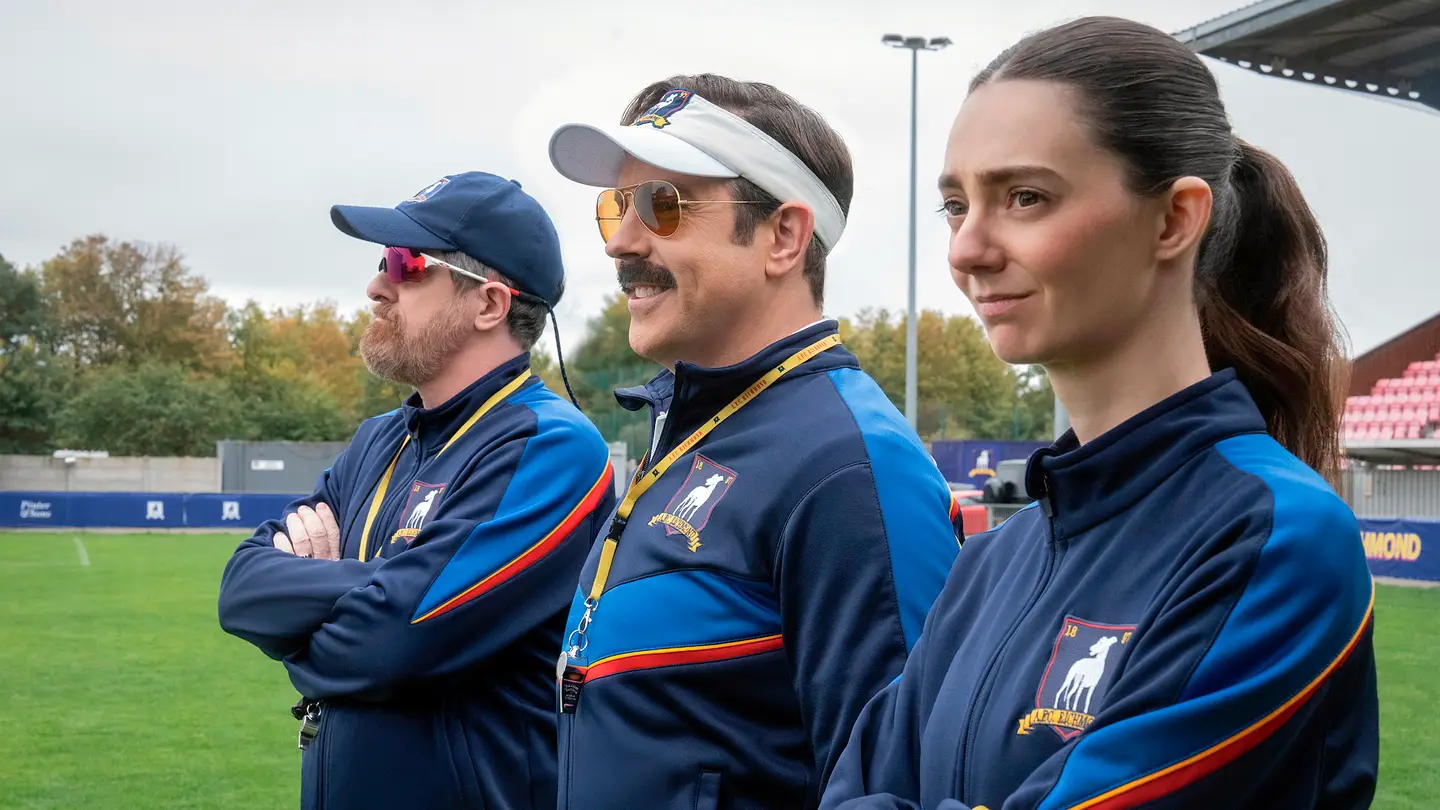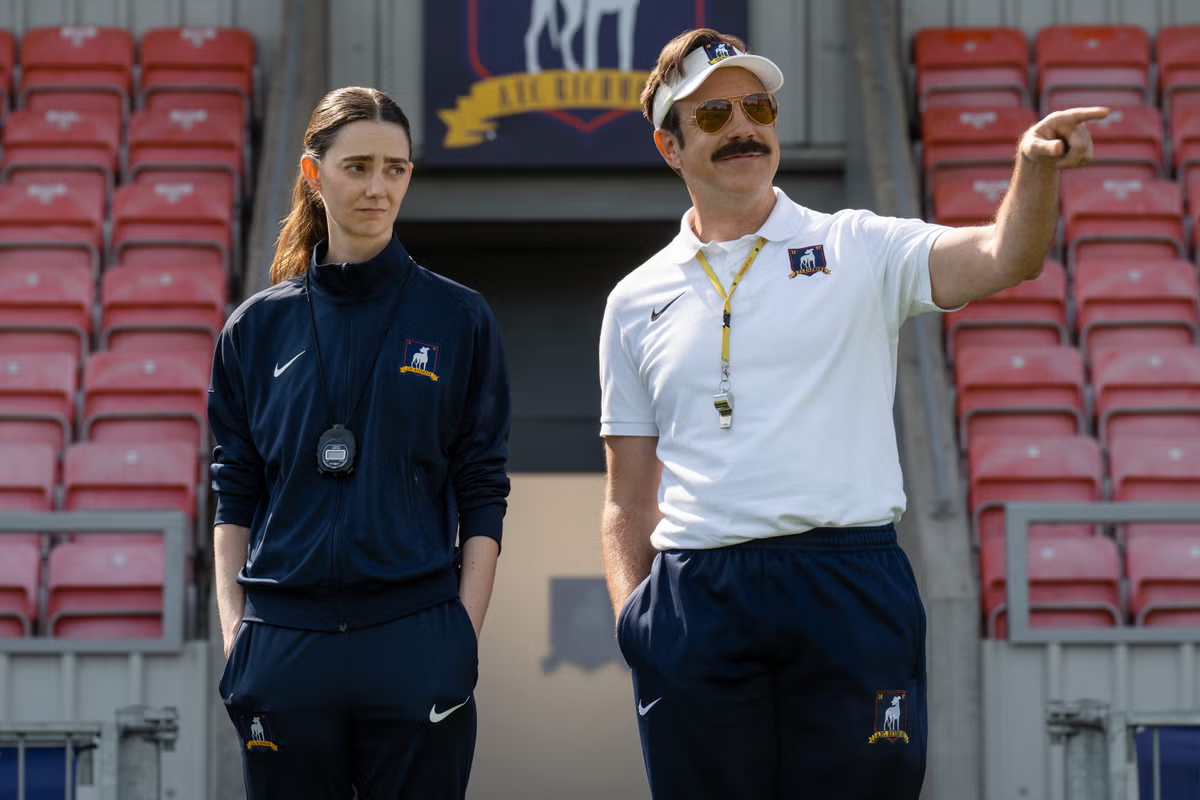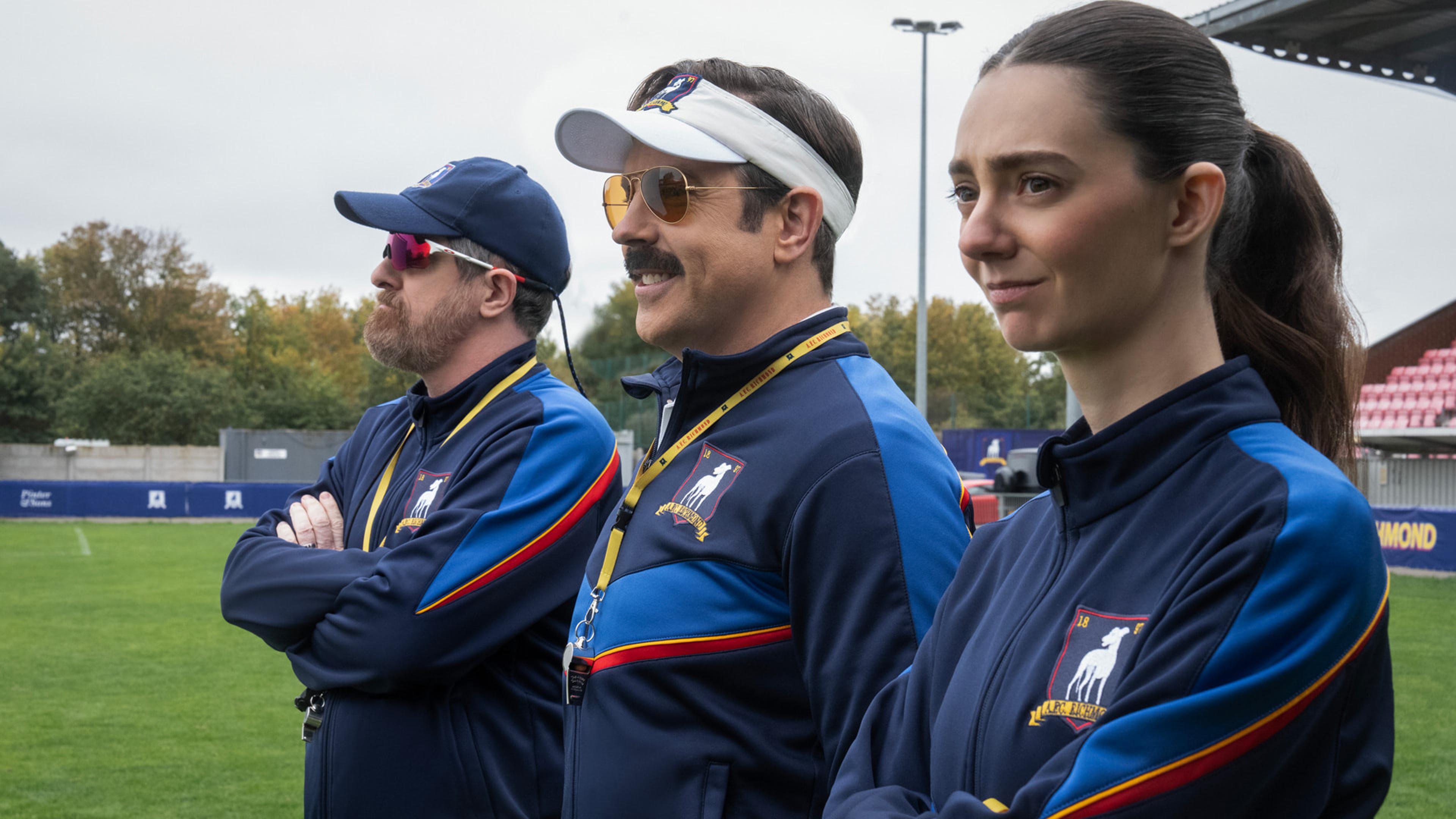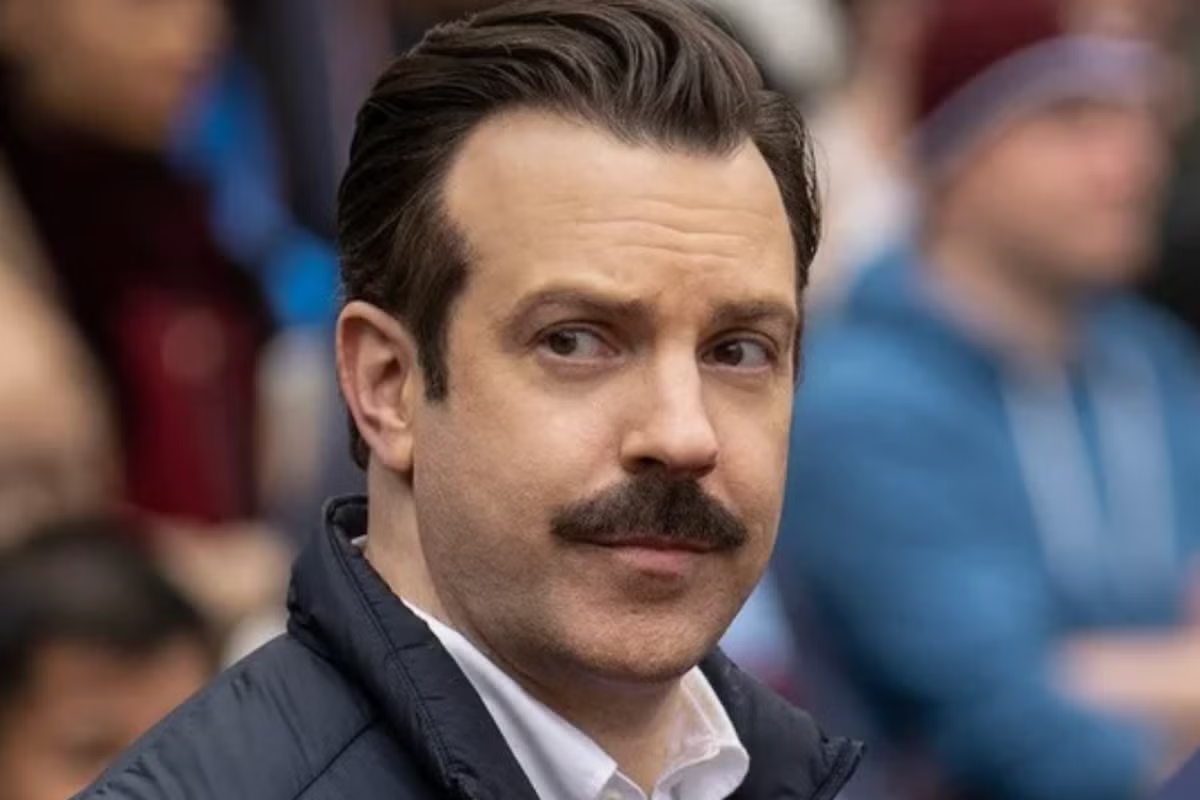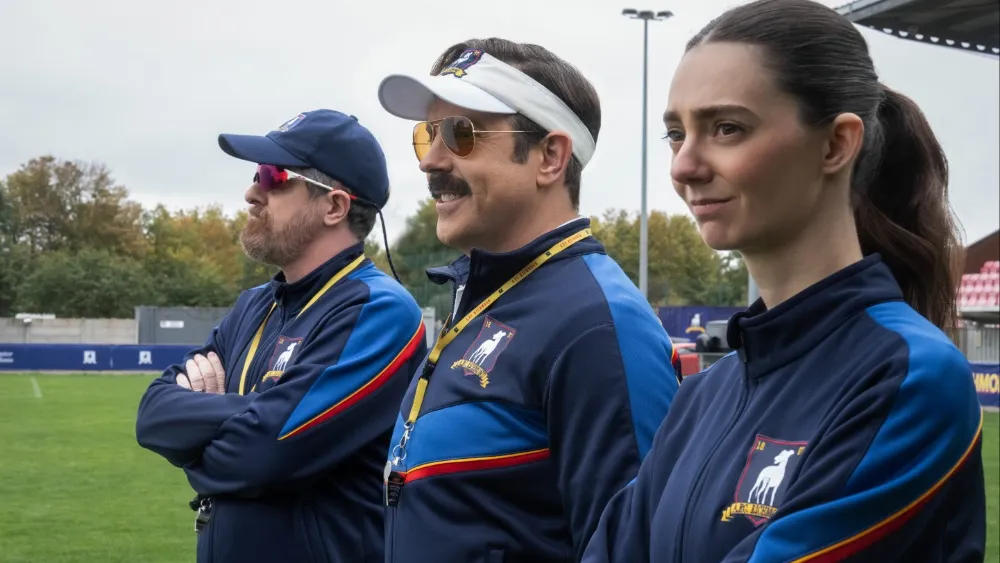
Spoiler alert: This article contains spoilers for this week’s episode of Ted LassoTed Lasso has never been particularly concerned about being qualified for the job. When AFC Richmond first hired him, that was the joke: an American football coach who knew nothing about the “other” football was handed the keys to a struggling Premier League club. He did not know the basic rules like offside or corner, nor had necessary coaching certification traditionally required to manage at that level. Yet he was happy to take the job. Six years later, that joke lands a little differently.After his three-year hiatus in Kansas City, Lasso accepts AFC Richmond owner Rebecca Welton’s offer and returns to Richmond to coach the club’s newly created women’s team in this second episode of the new season. The team already has a coach, though: Alice Chilton, a former player whose unfortunate knee injuries ended her playing career and moved her into coaching. She is qualified and dedicated and — of course — is already there. Until Ted Lasso walks through the door. This plot is meant to create another version of the show’s “fish out of water brings success” dynamic. But this time, perhaps intentionally, “Ted Lasso” stumbled into one of the most talked-about contradictions in women’s soccer: the absence of female coaches.According to FIFA’s latest Setting the Pace benchmark report, only 22 per cent of head coaches across 669 clubs in 86 women’s leagues around the world are women. At the FIFA Women’s World Cup in 2023, 12 of 32 head coaches were women. At club level, in the 12-team Women’s Super League in England, only four coaches are women. And in the U.S., the situation is not much different. Only four of the National Women’s Soccer League’s (NWSL) 16 clubs entered the 2026 season with female head coaches: Laura Harvey at Seattle Reign, Bev Yanez at Racing Louisville, Emma Coats at Bay FC and Filipa Patao at Boston Legacy.And believe it or not, this is progress. Last season, Harvey and Yanez were the only two women holding head coach positions in the league.Harvey is one of few female head coaches in the NWSL (Caean Couto/Getty Images)“I think the issue itself hasn’t changed. Are there enough female coaches coaching as head coaches in the league? No, but I think the reason why has changed,” Harvey told The Athletic’s Full Time podcast in July. According to the three-time NWSL Coach of the Year, back when she started coaching in the NWSL in 2013, women coaches preferred more established jobs like coaching college teams, as it was a huge risk to take on a job at a league that risked being folded like previous iterations of women’s pro soccer in the U.S.“But I think that the risk has now been pushed back the other way, to the people who employ, ” she said. “I have a very strong view that there is a perception that if you hire a female coach, the risk falls on the employer and the person that made that choice to employ the woman.”If you watch the latest “Ted Lasso” episode, you may find Harvey’s insight familiar. For decades, the soccer ecosystem operated as one enormous coaching internship program for male soccer players. When their knees gave out, or their playing careers eventually ended, they went into coaching academies, were offered internships, enjoyed mentors and landed assistant coaching jobs that eventually led them to elite coaching positions.
Ted Lasso accidentally stumbles into women’s soccer’s biggest coaching problem
The new season of Ted Lasso is centred around AFC Richmond's women's team
1,527 words~7 min read