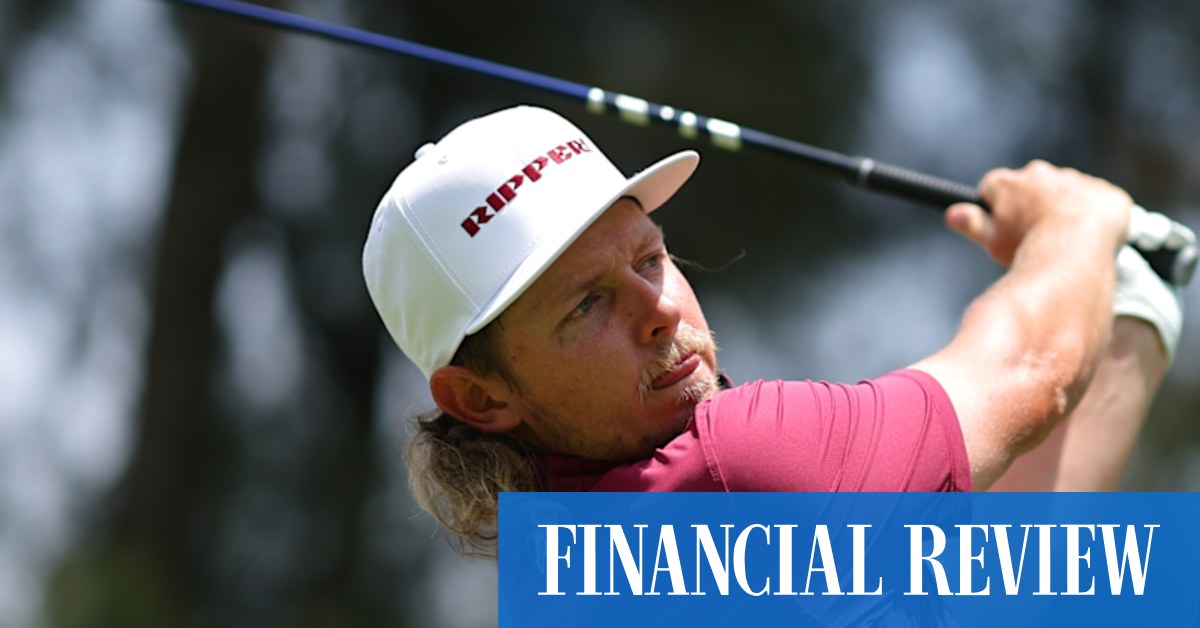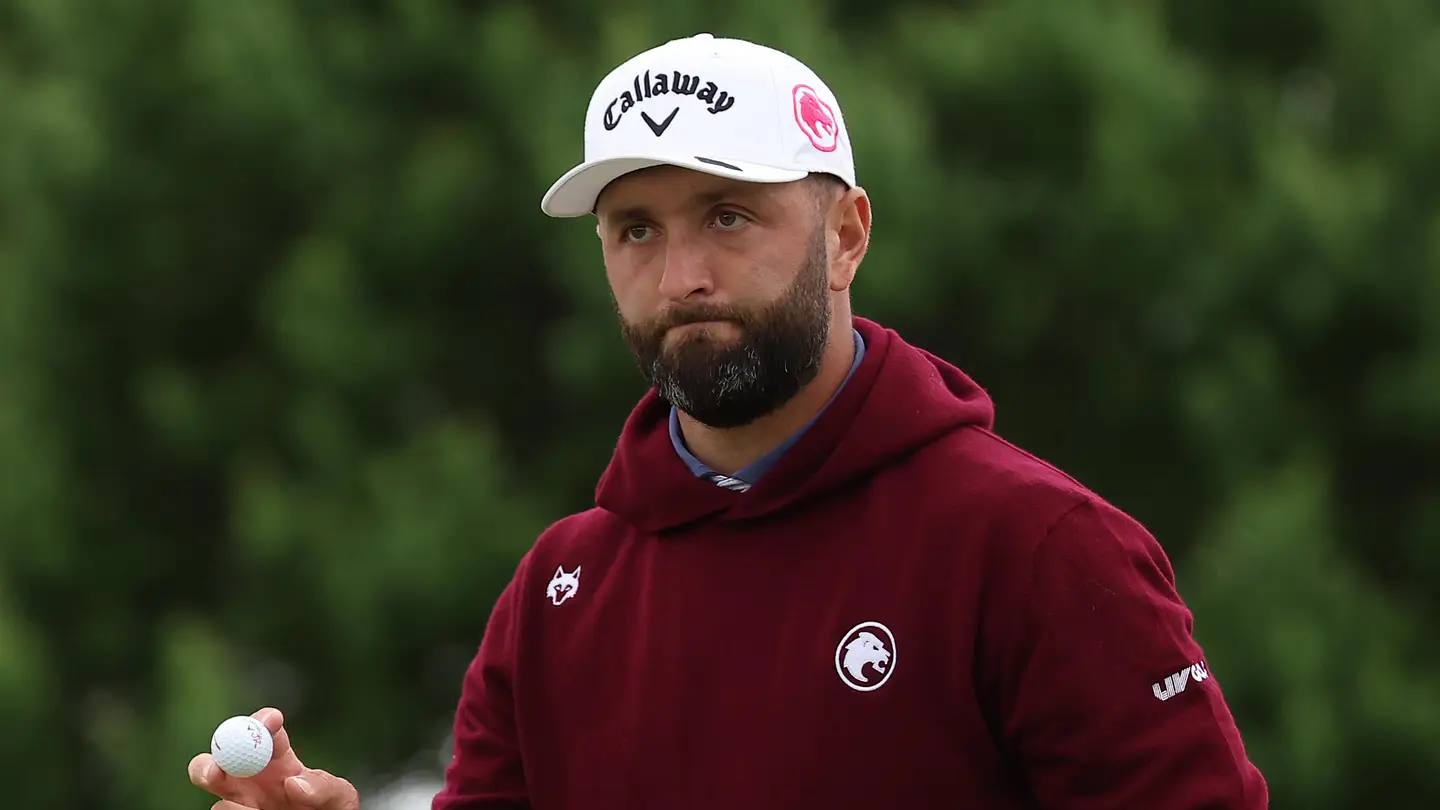
LIV Golf says it has a new investor — one that CEO Scott O’Neil insists could support the league for many years to come. But behind the scenes, that confidence conflicts with player contracts that are no longer viable and a possible bankruptcy filing in the United States, both issues that must be hurdled before the new financial arrangement can be finalized.As LIV Golf undergoes a full-scale restructuring, legal and financial experts agree that the tour is walking a tightrope: The league needs a functioning balance sheet, but it also needs its remaining star players if it has a chance to generate meaningful revenue from sponsors and TV partners.The cost of keeping names like Jon Rahm, Bryson DeChambeau and Cameron Smith — some of whom are reportedly still owed nine figures — directly conflicts with where LIV needs to be financially to survive. It’s a delicate push and pull, the results of which will become clearer in the coming weeks as players will be asked to commit formally to “LIV 2.0,” according to a source briefed on the matter. The source spoke under the condition of anonymity because they were not authorized to speak publicly.“You need these players. You need them to continue on,” says Sarah Foss, global head of legal and restructuring at Debtwire. “It’s not like you can just say, well, we’ll get some new golf stars to join us. That’s not likely to happen. I think this is probably being heavily negotiated. One party doesn’t have the upper hand. They both are going to need each other.”So how did LIV get here, and what kinds of decisions are the league and players facing behind the scenes?LIV Golf finds itself in this predicament because in April, the Public Investment Fund of Saudi Arabia decided to pull all future funding of the league, after spending four years burning billions of dollars. Suddenly, O’Neil was left with large, unpaid player contracts and a messy balance sheet. According to the Money in Sport newsletter, LIV spent over $100 million per month and, in 2024, lost $590.1 million in its United Kingdom-based entity alone, excluding U.S.-based operations. LIV, in its current form, is a company that O’Neil himself admitted, before all of this, would not become profitable for at least five to 10 years.Can LIV Golf survive without PIF funding? Experts weigh inGabby Herzig and Lauren Morales-JonesThe numbers are staggering, but they are in line with a venture that once floated eight- to nine-figure signing bonuses to lure top talent from the PGA Tour and increased purses to $30 million per tournament this year. LIV produces events that are as much festival as they are golf and carries the significant burden of broadcasting it all.So O’Neil went to the market, pitching a slimmed-down LIV to new investors — fewer events, reduced expenses and a model in which players own a majority equity stake in the company.He also touted tax benefits for a future investor in the league, in the form of LIV’s Net Operating Losses (NOLs), which O’Neil said were “in the billions” in an interview with Sportico. For highly profitable entities, NOLs can be incredibly valuable. O’Neil insinuated that LIV’s billions of dollars in losses could be taken on by a new investor and carried forward to avoid paying taxes on future revenue.On the surface, that strategy may have worked. O’Neil and LIV formally announced that a lead investor had signed a term sheet with the league, approved by its board. While they have yet to identify the investor (or the size of its investment), it’s become clear since the Aug. 5 announcement that BC Partners, specifically its credit division, is involved, and the deal is not near being finalized.LIV Golf CEO Scott O’Neil, right, shakes hands with Tyrrell Hatton. (Jan Kruger / Getty Images)According to Bloomberg, the firm was eyeing a loan to LIV, not an equity buy-in. BC Partners’ head, Ted Goldthorpe, was in attendance at LIV Golf New York and met with former LIV chairman and PIF governor Yasir Al-Rumayyan, according to a league source briefed on the matter. They spoke on the condition of anonymity because they were not authorized to speak publicly.Goldthorpe and BC Partners Credit’s work with NOLs has not gone unnoticed in the financial industry. “This is always something I wanted to do,” he told Axios regarding the investment strategy.Meanwhile, LIV has been working with newly appointed board member Gene Davis. Davis is a prominent restructuring adviser who has sat on more than 300 boards to help turn around companies, with past and current clients that include Spirit Airlines and Weight Watchers. One restructuring lawyer, who spoke on the condition of anonymity due to client confidentiality, says Davis “is really good at this and essentially knows how to bury bodies” in the restructuring process.There are several indicators — the lack of Saudi funding, enlisting Davis and corporate restructuring bank Ducera Partners, the BC Partners loan and LIV’s new equity model — that all point to the league soon entering bankruptcy. A LIV spokesperson declined to comment for this story.LIV’s case would be a U.S. Chapter 11 bankruptcy, specifically, which allows a company to reorganize rather than shutter its business. LIV hopes to finalize its agreement with the lead investor around September, so, assuming things proceed as it has planned, the next steps should come to light in the near future. A pre-packaged bankruptcy, which is negotiated and voted on by a company and its creditors before filing, could be a method that aligns with this timeline, the experts said.“Bankruptcy is a venue,” says Peter Kaufman, an investment banker specializing in distressed finances. “It’s a place where you can either find or implement a financial solution to your issues, and what LIV is pretty clearly doing on its own, and also with the new investors, is planning some sort of bankruptcy.”According to experts, firms like BC Partners may only be willing to inject funds under very strict and concrete parameters, which often involve bankruptcy. The goal is for that entity to lend to a restructured, skin-and-bones version of the company. Experts say this loan could come in the form of a Debtor in Possession (DIP) Loan, which comes with extremely high interest rates and thorough legal protections.If BC Partners is interested in LIV’s NOLs, however, there is risk that those NOLs could be significantly diluted in a bankruptcy. This is known as a “grind down” in the industry, and it can happen when the company changes ownership through bankruptcy, according to one expert. BC Partners did not yet return messages seeking comment for this story.Jon Rahm staying with LIV is central to the league’s hopes of continuing into 2027. (Jordan Bank / Getty Images)So what happens to the players? One of the most powerful tools in Chapter 11 bankruptcy is the debtor’s ability to cancel contracts. If LIV files for bankruptcy, it can effectively go through its player roster, contract by contract, and make decisions on which deals still make financial sense to them — much like a bankrupt retail company deciding which store leases are worth keeping. Then, LIV can offer players a choice: renegotiate with the league by swapping guaranteed cash for equity in LIV 2.0 or face flat-out rejection. If LIV rejects a contract, the player will walk as an immediate free agent. But they will also be an “unsecured creditor,” holding a claim for unpaid funds. Typically, those claims are worth pennies on the dollar, potentially significant for those who signed with LIV last and have larger unpaid signing bonuses.Those players would only be able to sue for their full amount owed if the PIF guaranteed the contract, according to one expert. If that is the case, players hypothetically could file breach-of-contract lawsuits against the PIF in international courts.Experts say that an out-of-court restructuring is also a possible solution to its financial predicament. That would avoid the long, arduous and expensive path of an in-court bankruptcy and can be possible when a company doesn’t hold significant debt. Avoiding bankruptcy also helps save face for the company’s brand from a public relations standpoint. Instead of formally rejecting contracts, LIV can just terminate or breach them.“What’s happening is they’re probably renegotiating some of those contracts outside of bankruptcy in the out-of-court context,” says Foss. “Creditors or lenders, a lot of time, will take equity. They’ll trade in some of their debt for equity in the reorganized company, if it’s a company you still believe in.“You might say, hey, I want to get something. The company could really take off, and that equity could be worth a whole lot. Or, it could not be worth very much at all.”Whichever route LIV takes, it still faces an overarching dilemma involving its players.Other than DeChambeau, who, despite his expiring contract, appears to be committed to the league’s future, Rahm presents the most value to the league as a viable entertainment product. But Rahm has been noticeably cautious about speaking publicly about his future, and he might not see upside in negotiating for equity in LIV 2.0. At the moment, LIV cannot offer much else — it simply doesn’t have the resources to do so.The Financial Times reported that BC Partners may be seeking assurances that LIV’s star players stick with the league as a prerequisite to the finalized loan. So therein lies the push and pull: If LIV lets go of stars, it might help them balance expenses, but it could also jeopardize their agreement with investors. But if it wants to hold onto those big names, a profitable and working business plan might not be possible.Whatever DeChambeau, Rahm and, to a lesser extent, Smith decide to demand in exchange for loyalty to LIV for 2027 would leave less for the middle class of players. “The contracts that will be rejected are the ones that offer no value,” one expert predicted. “Rahm and Bryson have leverage because they can say, look, I’m sure you’re choking on my agreement, I’m sure you’re not happy about it, but you can’t run the league without me.”
Inside LIV Golf’s financial balancing act and the decisions it faces, including bankruptcy
"Rahm and Bryson have leverage because they can say ... you can’t run the league without me.”
TL;DRAI
LIV Golf loses $590M (2024) post-PIF exit; restructures with BC Partners financing and player equity, leveraging NOLs as tax asset. Planned Chapter 11 pre-packaged filing shows distressed turnaround tactics: balance creditor/player stakes, deploy tax losses in restructure.
1,677 words~8 min read