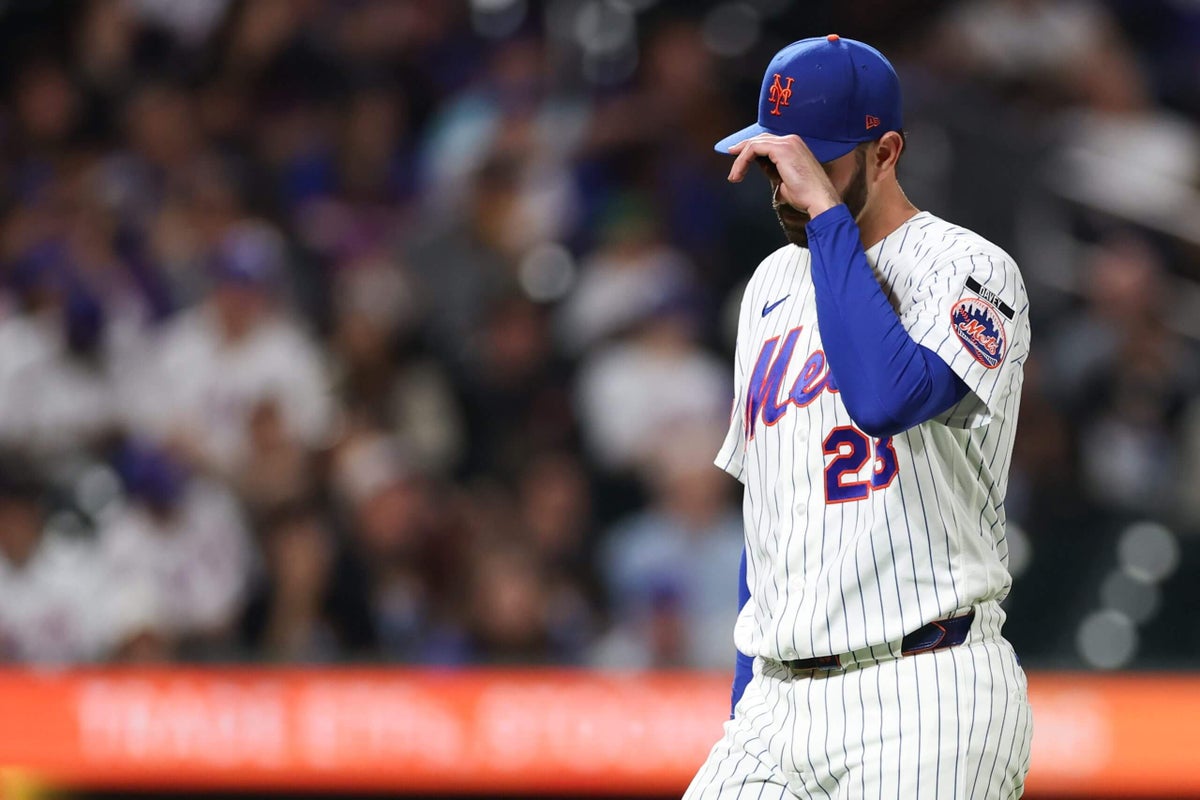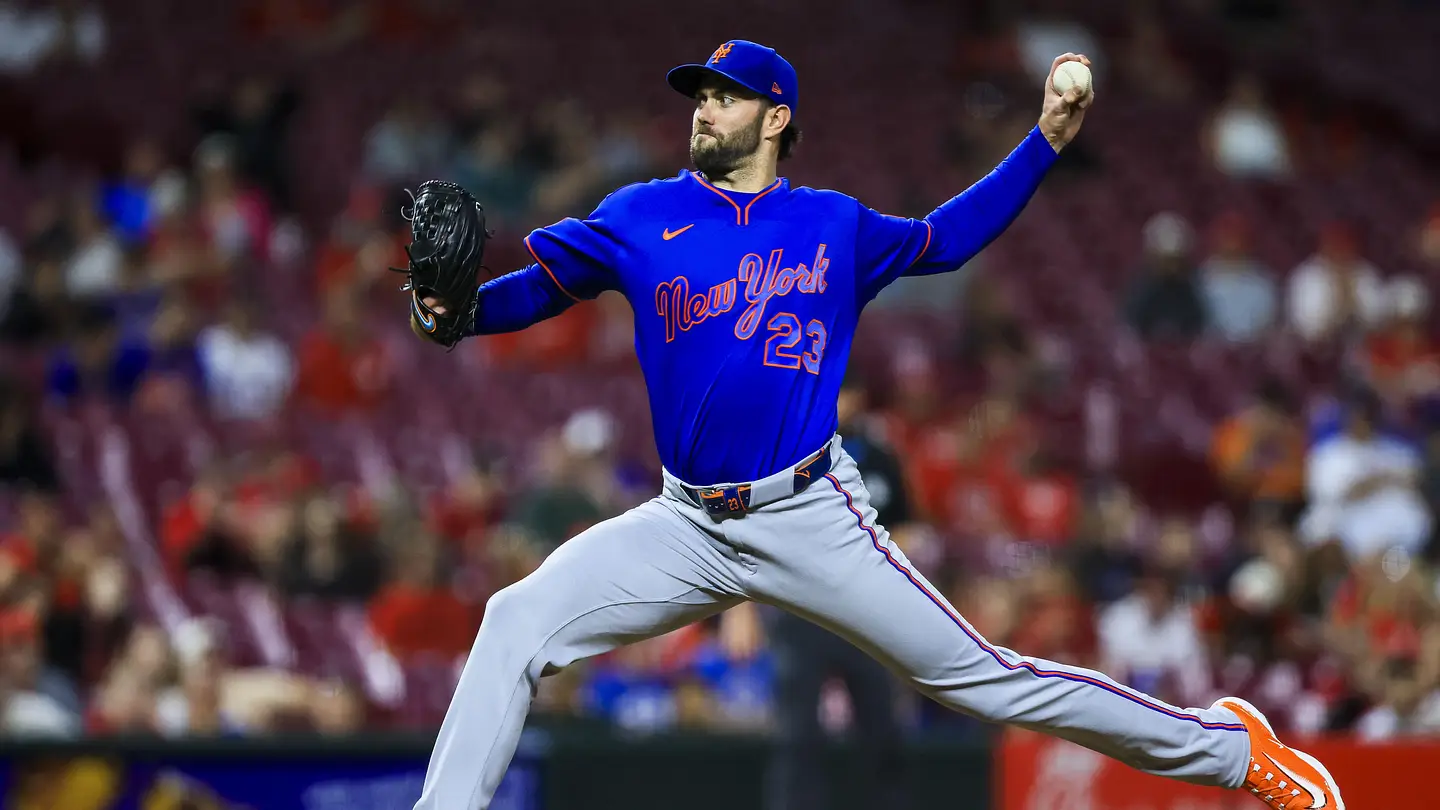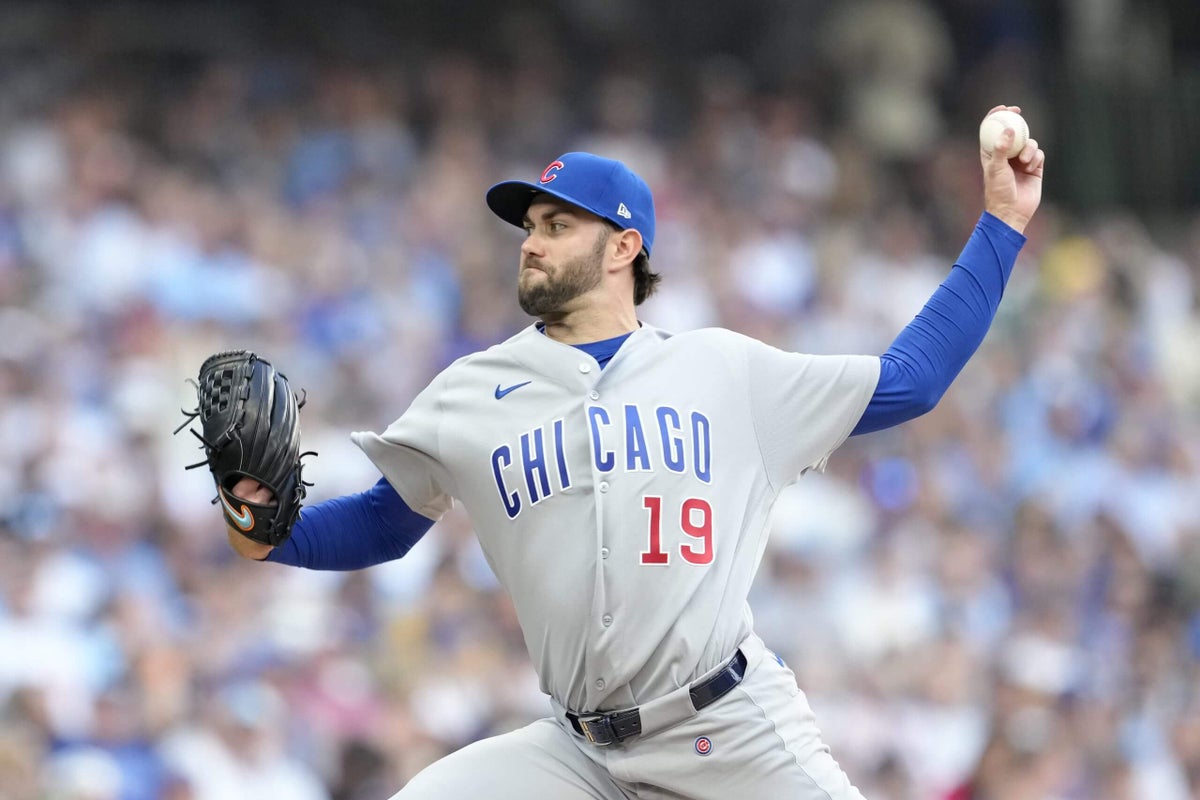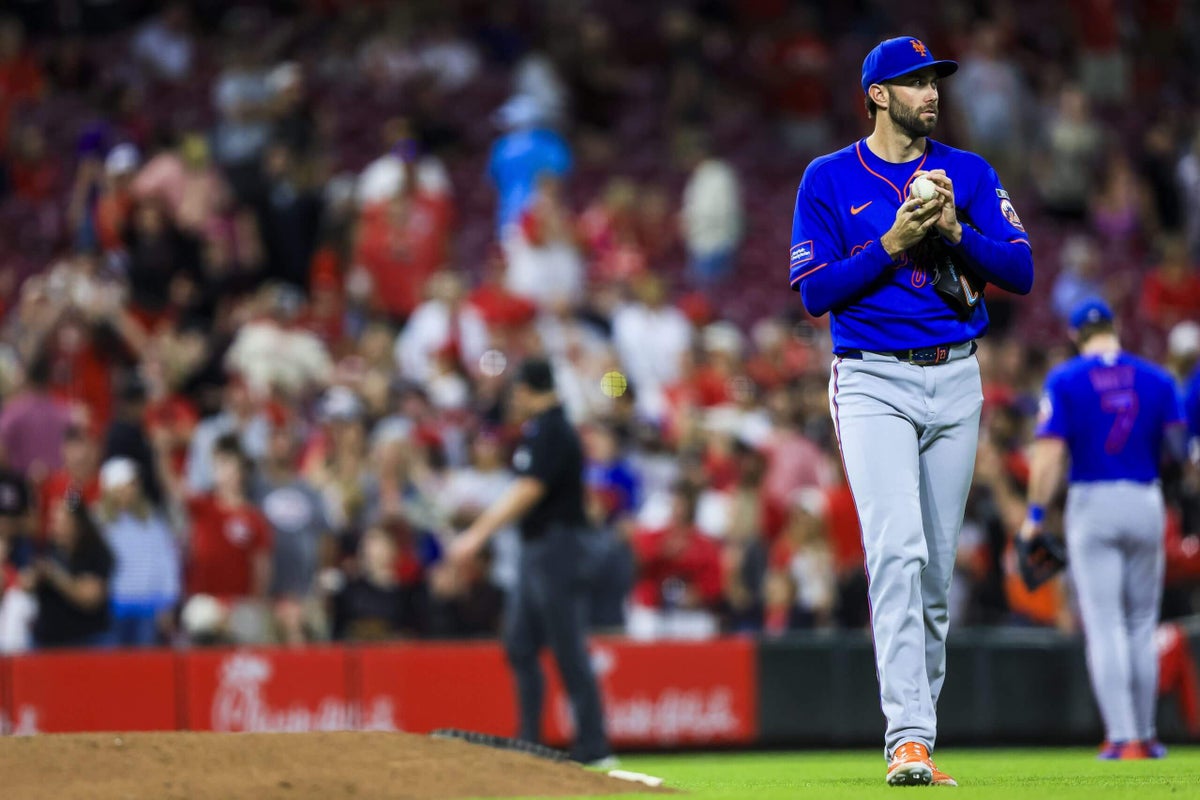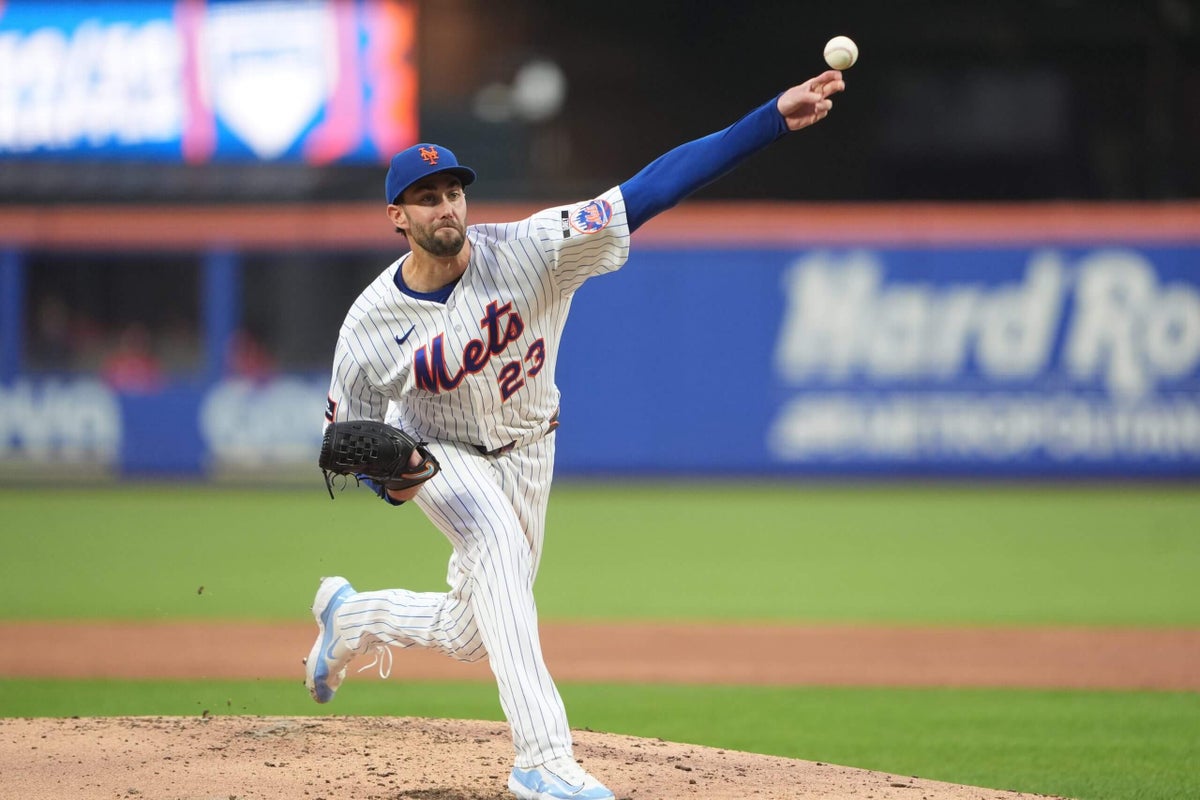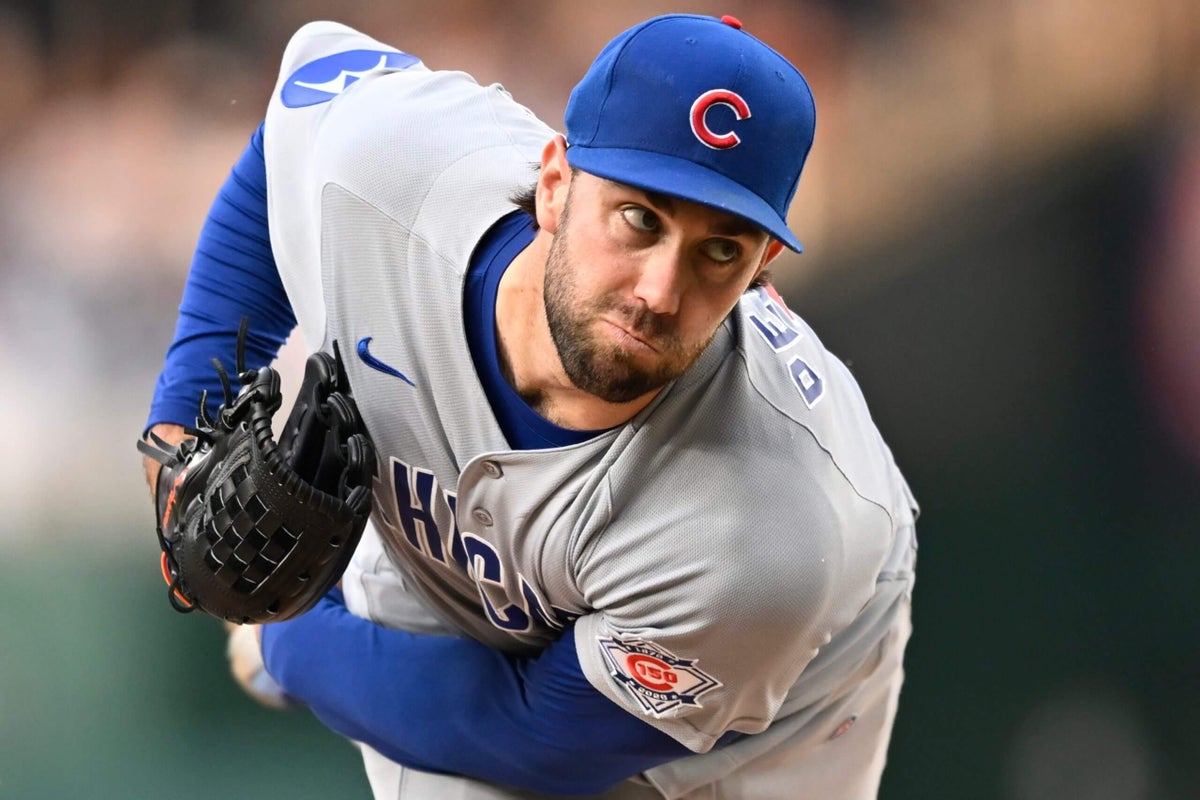
WASHINGTON — Well before the MLB trade deadline, long before the Chicago Cubs had rebuilt their pitching depth, the organization was in desperation mode. During a road trip in New York in late June, already short on pitching and calling upon nearly every arm they had, the Cubs lost starter Edward Cabrera to a hamstring injury and announced Ben Brown was headed to the injured list.The Cubs weren’t looking for dominance, just a starter who could take the mound every five days and give them some innings. Having already been in talks with the New York Mets about David Peterson, Cubs president of baseball operations Jed Hoyer pressed the action and swung a trade for the ground-ball artist. At the time, the veteran left-hander was struggling. He had a 6.09 ERA and had lost his spot in the Mets’ rotation.“David came in at a time when we were wondering who was going to start a game for us,” manager Craig Counsell said recently. “Really, that’s where we were at. Can we bring some people in that can stabilize the rotation, that we can count on to make the starts? I think David’s done an excellent job at that.”Other than a dreadful start against the St. Louis Cardinals in which he gave up 10 runs, Peterson has done much more than expected. He’s completed at least five innings in seven of his starts with Chicago, and Wednesday marked only the second time he’s given up more than two earned runs in a Cubs uniform. (Peterson surrendered four runs, three of them earned, over five innings in the Cubs’ 12-6 victory over the Washington Nationals.)There’s a simple reason and a more complex explanation for why Peterson has been better with Chicago. The obvious: He went from a defense that regularly let him down in New York to arguably one of the best defenses in recent major-league history. That’s a pitcher’s dream, especially for Peterson, who has had a ground-ball rate around 50 percent every year of his career.
How the Cubs helped David Peterson rediscover his ground-ball magic
There’s a simple reason why David Peterson is better with the Cubs and a more complex one.
994 words~5 min read